SafeHouse Rehab
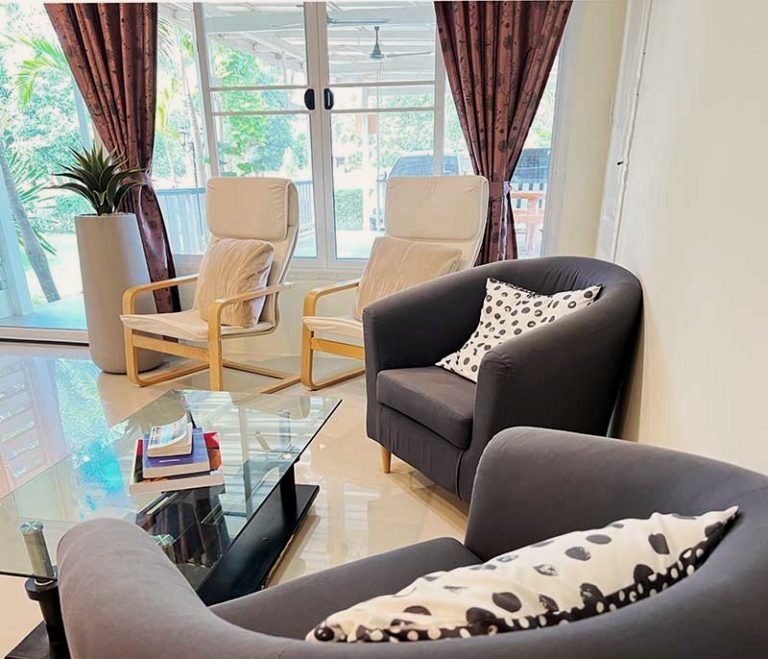
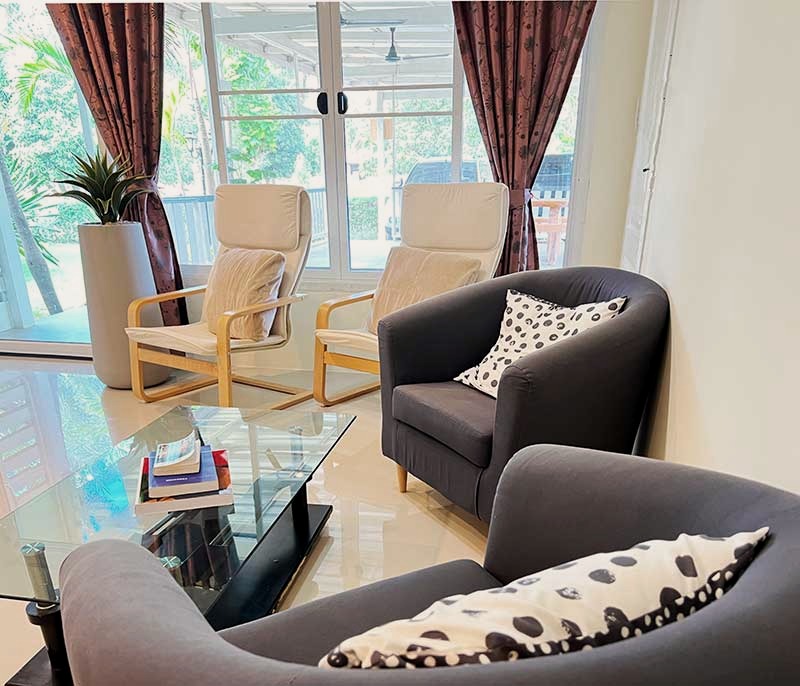
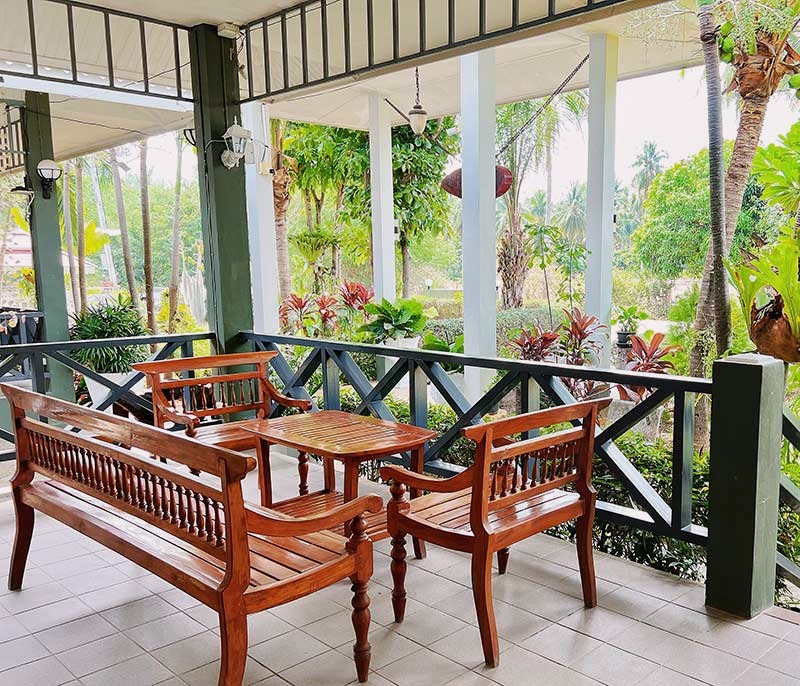
SafeHouse Rehab 3 photos

Comparison facts and sources
Staged residential addiction treatment with detox arranged when required, primary and tailored therapy, sober-living transition and WeCare aftercare. · Stages One and Two are described in the Hua Hin/Sam Roi Yot area; the provider also lists a Ban Bueng, Chonburi branch. Confirm the assigned site for every phase.
- Published fee information
- Quote required
- Before admission
- Confirm which branch delivers each phase, detox suitability, clinical staffing, expected duration, total fee, extra costs, insurance arrangements and WeCare availability in writing before travel.
- Continuing care
- WeCare aftercare includes an individualized home-transition plan, remote one-to-one video or audio counseling as needed, help identifying local meetings and family/client recovery-planning tools.
Source record · October 16, 2026
Provider-published information checked October 16, 2026. The provider states it is licensed by Thailand's Ministry of Public Health. Confirm current license documents, assigned branch, program fit, detox arrangements and itemized costs directly.
Luxury rehab comparison · Fees and inclusions · Selection methodology
SafeHouse Rehab operates a staged addiction-recovery program in Thailand. The provider currently lists branches at Sam Roi Yot near Hua Hin and at Ban Bueng, Chonburi. Stage One and Stage Two materials place the intensive residential work in the Hua Hin area; prospective clients should confirm which branch will deliver each part of an individual plan.
Four-stage pathway
Stage One focuses on primary counseling and therapy near Hua Hin; any needed detox is coordinated with external medical providers. Stage Two provides an individually tailored program with intensive counseling, therapy and structured activities. Stage Three is described as sober living, followed by Stage Four’s WeCare aftercare and online support after a client returns home. The provider states that it is licensed by Thailand’s Ministry of Public Health.
Fees and admission
No current fixed fee schedule was found on the provider’s public program or contact pages. Prices, detox requirements, duration, inclusions and the intended campus should therefore be confirmed directly before travel; older third-party or historical price statements are not treated here as a current tariff.
Confirm the branch before planning an international admission
The official contact page lists addresses in Sam Roi Yot near Hua Hin and in Ban Bueng, Chonburi. These are separate locations, so a prospective client should obtain the actual receiving address and assigned program in writing. A general agreement to attend SafeHouse does not explain where every stage will take place. This matters for airport transfers, family travel and any outside medical appointments.
Before buying tickets, confirm the accepted arrival date, who will meet the client and how changes in clinical needs could affect the destination. Ask which staff member coordinates the admission and how to contact the team if a flight is delayed. The page’s branch information identifies where the organization presents services; it does not establish that every therapy, accommodation type or medical arrangement is available at both addresses. An individualized itinerary is more useful than assuming one continuous stay at a single campus.
Primary treatment introduces a structured residential routine
The Stage One description places primary treatment near Hua Hin and describes group work, individual counseling and approaches including cognitive behavioral and acceptance and commitment therapies. It presents bungalow accommodation within a small residential setting. These details explain the intended format, but the number of rooms does not establish the current group size or the staffing available for a particular admission.
During assessment, discuss which concerns will be addressed first and what participation will involve after any necessary medical stabilization. Ask how individual sessions are scheduled and how the plan accommodates physical limitations, sleep difficulties or other barriers to group work. The page also advertises wellness equipment and activities. Their availability should be confirmed, and they should not be treated as proof of medical capability or as guaranteed treatments for an underlying psychiatric condition.
Stage Two is tailored after the primary phase
The Stage Two page describes a program developed with the client after primary treatment, taking account of clinical advice and personal circumstances. It combines continuing counseling with greater flexibility and structured activities. The progression is therefore more than a change of room or a preset extra month. A useful transition plan explains what the person will work on, how support changes and how the team will decide whether the next step is appropriate.
Published activities include cooking, kayaking and Muay Thai, with particular limits or introductory allowances for some outings. These are examples to discuss in the context of health, mobility and personal preference. Confirm what is included in the actual booking and what has an additional charge. Someone who prefers a quieter routine should be able to discuss alternatives. The presence of an activity on the website does not mean it is clinically required or scheduled for every client.
Sober living is a different setting in the pathway
The Stage Three page describes sober living in Bang Saen, with residents taking more responsibility for shopping, cooking and everyday routines. It mentions a staff member living in the house, weekly group support, meetings and security. This should be distinguished from intensive residential therapy and from a medically staffed inpatient unit. Practical support or security around the clock does not establish continuous nursing or hospital-level withdrawal care.
The page also gives house expectations, including a 9 p.m. curfew. Ask for the current agreement for the actual sober-living house, rather than assuming the rules match an earlier treatment stage. Clarify the remaining therapy schedule, how medications and medical appointments are managed, and the response if a resident needs more intensive care. A transition to greater independence should be matched to readiness and available support, not simply treated as an automatic consequence of completing a calendar period.
WeCare needs an agreed plan for support at home
The WeCare aftercare page describes an individualized transition plan, remote video or audio counseling and help finding support near the client’s home. It also discusses planning tools involving the client and family. These elements can be useful when travel makes continued in-person contact impractical, but the actual arrangement needs to identify who provides support, how contact is made and what is included in the fee.
The page uses broad availability language. Before discharge, confirm response expectations across time zones, the length of access and the route for urgent concerns. Remote contact should not be interpreted as a promise of immediate emergency assessment wherever the client lives. Family involvement also needs consent and clear boundaries; a planning document should not turn relatives into clinical supervisors. Arrange any local medical or prescribing follow-up separately so the return home includes practical continuity of care as well as access to conversations with the treatment team.
Medical checks and detox are coordinated with outside services
The published inclusions describe an initial health check and blood work through local medical services, along with arrangements for people who need detox. They refer to outside hospitals and clinics. This supports describing medical coordination, rather than assuming that the residential accommodation itself is a hospital or that every withdrawal need can be managed there.
Ask which medical provider will assess the client at the assigned branch, where any necessary overnight treatment will occur and who authorizes a return to the residential program. Confirm how clinical information and prescriptions move between teams. A health check included in a package is not the same as unlimited hospital care. Anyone with a complex withdrawal history or significant physical illness should disclose that history before travel so the proposed sequence and medical costs can be reviewed, rather than discovering the need for a different starting setting after arrival.
Understand how the general treatment model becomes individual care
The general treatment-program page describes initial and continuing assessment, group sessions and individual counseling. It also discusses mental and physical concerns that may accompany substance use. That broad scope should lead to a specific plan: the problems being addressed, which clinician is responsible for each part, and how progress will be reviewed. It should not be taken as evidence that every co-occurring condition or level of psychiatric acuity is suitable for the residential program.
Ask how previous diagnoses and medication information will be obtained, which needs can be addressed by the on-site team and when an outside professional is involved. The published group and counseling examples also need confirmation against the current timetable. A prospective client can discuss whether the proposed balance of group work, individual contact and independent assignments matches their needs. General descriptions of a personalized approach are most informative when admissions can explain those practical details for the individual booking.
The daily schedule has different weekday and weekend demands
The daily-schedule page describes more intensive treatment during the working week and a different weekend rhythm, including outings and other activities. It combines groups, individual work, lectures or workshops, study time, meals and breaks. This gives a broad picture of life in the program without establishing a current hour-by-hour timetable for every stage or branch.
Request the timetable that applies to the proposed admission, including the amount of scheduled clinical contact and the periods left for rest or independent work. Discuss any commitments that cannot be postponed, rather than assuming remote work can continue around sessions. Mobility, dietary needs and tolerance for communal activities can also affect the experience. It is reasonable to ask which activities are optional, how missed sessions are handled and what support is available when a client finds a particular part of the routine difficult.
Arrival includes orientation as well as transportation
The provider’s arrival and treatment overview describes a welcome, check-in, orientation and introduction to private accommodation before participation in the wider routine. It also describes meals, written therapeutic work and individual contact alongside group activities. These details can help a prospective client prepare for the transition from travel into a structured communal setting.
Confirm what will happen during the first day: who will meet the client, when assessment occurs, where medication information is reviewed and how the schedule is explained. Someone arriving after a long journey may need a clear plan for the first night rather than a list of later activities. The article contains promotional descriptions of comfort and recovery. Those descriptions should not be interpreted as guarantees of sleep, symptom relief or a particular outcome. The useful commitment is the specific arrival and support arrangement agreed with admissions.
The public payment page provides terms rather than a full tariff
The cost page does not provide one fixed price for the full program. It describes a US$3,000 deposit, with deposits in US dollars and the remaining balance payable in US dollars or Thai baht. It also lists ordinary package inclusions and potential extras, including hospital detox stays, prescribed detox medication and other medical or dental care. Airport assistance beyond the standard transfer may have a separate charge.
Request a quote that identifies the branch, duration, room, treatment stages and aftercare included. Confirm the payment timetable, currency conversion arrangements and responsibility for unplanned medical costs. The page’s 30- to 60-day discussion is a provider planning example, not a universal clinical recommendation. If a longer stay or another setting becomes necessary, ask how the revised plan and charges will be agreed. A deposit figure should not be mistaken for the total cost of treatment.
House rules and voluntary participation need clear expectations
The provider FAQ discusses phone and device access, therapy-hour restrictions and the initial period of settling into treatment. It describes different arrangements depending on the person’s circumstances and says participation is voluntary. A prospective client should obtain the rules for the actual stage and house, since sober living and intensive treatment do not necessarily use identical curfews or access arrangements.
Explain any essential communication needs before arrival, including family responsibilities or accessibility equipment, and ask how exceptions are considered. Clarify how staff respond if someone wants to leave or needs a higher level of care. The FAQ’s references to outside detox services also reinforce the need to establish the medical starting point separately. Practical rules should support a clear, informed agreement; they do not establish that a client’s clinical needs can be met simply because the person has booked accommodation or paid a deposit.
Read the refund policy before committing to travel
The refund policy distinguishes the deposit from the remaining balance. It describes the deposit as nonrefundable and a limited refund of the balance for a departure within the first five days, with different terms after that period. It also discusses possible discretionary credit and circumstances involving discharge from the program. These are the provider’s published terms; obtain the contract that applies to the actual booking rather than assuming every unused day will be refunded.
Discuss what happens if assessment identifies a need for hospital treatment, the assigned location changes or travel must be postponed. Ask how refund requests are made, which charges are excluded and whether any credit has an expiry date. Keep the agreed program, price and cancellation terms together so the financial commitment is clear before arrival. The policy does not by itself establish how a particular dispute or exceptional clinical situation will be resolved.
Provider-published treatment, branch and payment information reviewed October 19, 2026. Confirm the current branch, staffing, clinical suitability, fees and contract terms directly.
Explore treatment in Thailand and substance-use treatment to compare clinical settings.
Contact
Admissions: +66 92 981 3813. Email: info@safehouserehab.com. The official contact page lists 246 Moo 5, Samroiyod Beach, Sam Roi Yot, Prachuap Khiri Khan 77120, and 999/33-34 The Premio Town, Chonburi–Ban Bueng Road, Ban Bueng, Chonburi 20170.
Sources checked October 16, 2026: official program overview, official contact page, official Stage One page, and official Stage Two page.