Rocky Mountain Treatment Center
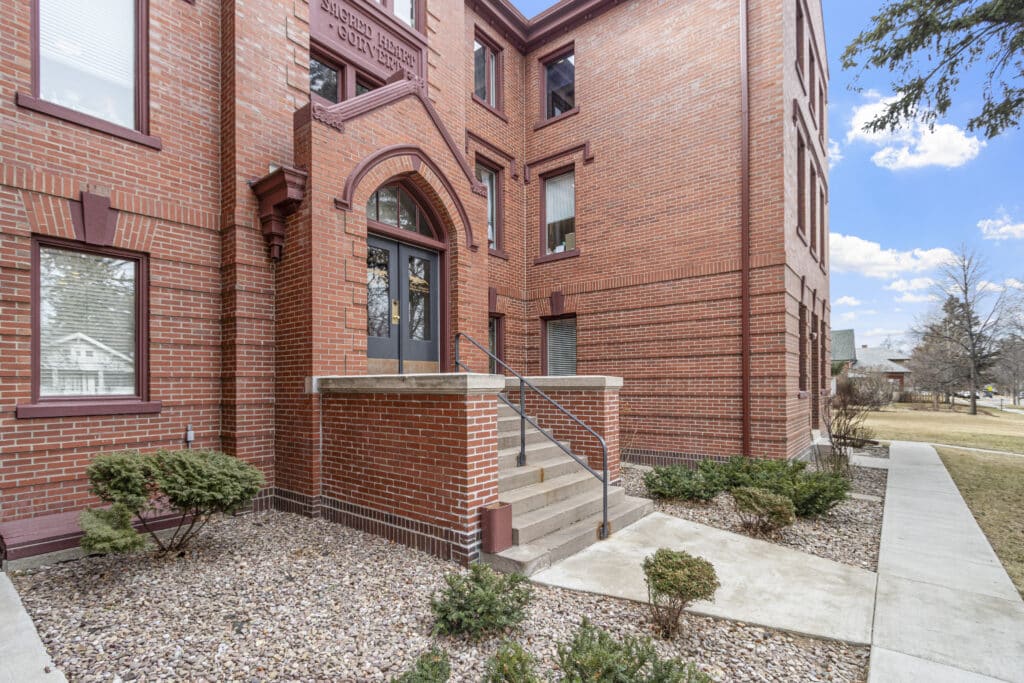
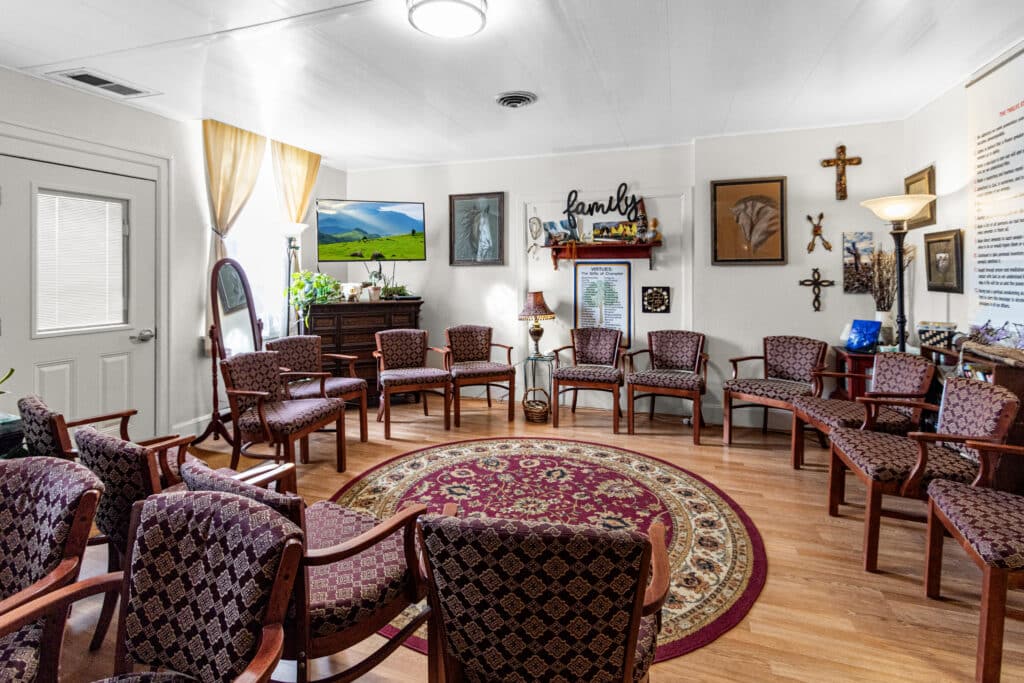
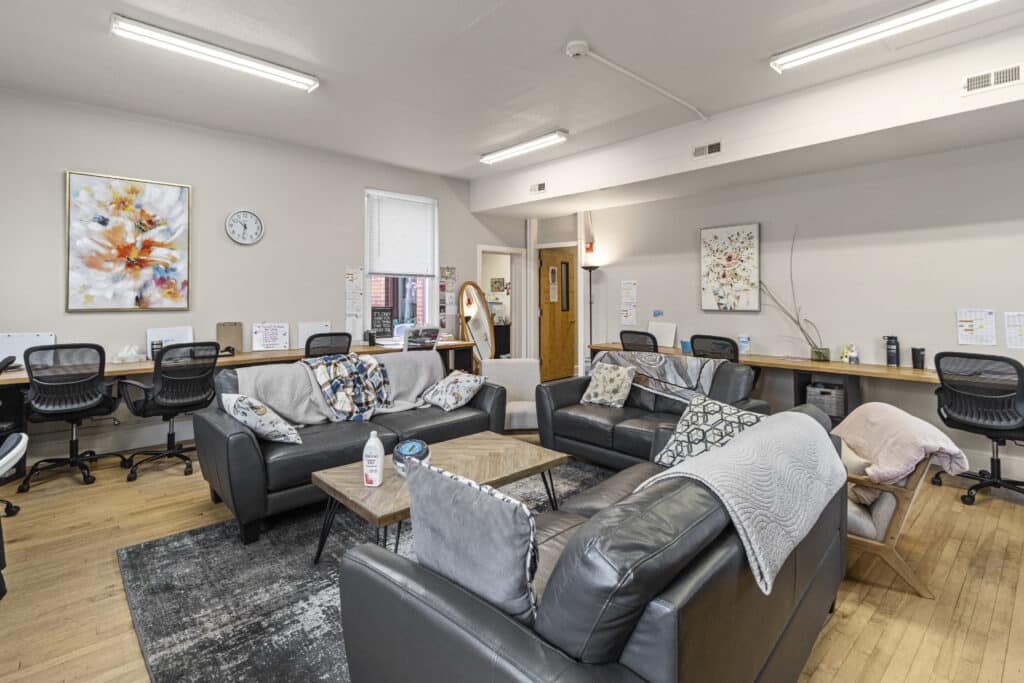
Rocky Mountain Treatment Center 3 photos

Comparison facts and sources
A 26-bed Great Falls setting providing 24/7 medically monitored detox, a 30-day residential program with optional extension, PHP/day treatment and outpatient support. · 920 4th Avenue North, Great Falls, Montana 59401.
- Published fee information
- Quote required
- Before admission
- This review does not establish admission, clinical eligibility, insurer authorization, included services, taxes or final patient responsibility.
- Continuing care
- Weekly Wednesday Zoom group therapy and scheduled follow-ups at 30, 60, 90, 180 and 365 days.
Source record · October 17, 2026
Current Great Falls facility, program levels, residential duration, aftercare milestones and payer boundaries checked against official Rocky Mountain Treatment Center pages on October 17, 2026.
Luxury rehab comparison · Fees and inclusions · Selection methodology
Rocky Mountain Treatment Center provides substance-use treatment in Great Falls, Montana. Current official pages describe 24/7 medically monitored detoxification, a 26-bed residential setting, partial hospitalization/day treatment, outpatient care and support for co-occurring mental-health needs.
The residential program is designed for 30 days, with an optional extension when more time is clinically appropriate and approved. The provider describes individual and group counseling, a three-day family program, equine and recreational therapy, recovery-support meetings and discharge planning.
Continuing care includes a weekly Wednesday Zoom group and scheduled follow-ups at 30, 60, 90, 180 and 365 days. Rocky Mountain says it is in network with most insurers and also offers private pay and financing, but currently does not accept Medicaid or Medicare. Benefits, authorization and total patient cost require individual confirmation; no standard public all-in price or tax schedule was found. Admissions are listed at 406-453-5080.
The Great Falls setting is a 26-bed facility
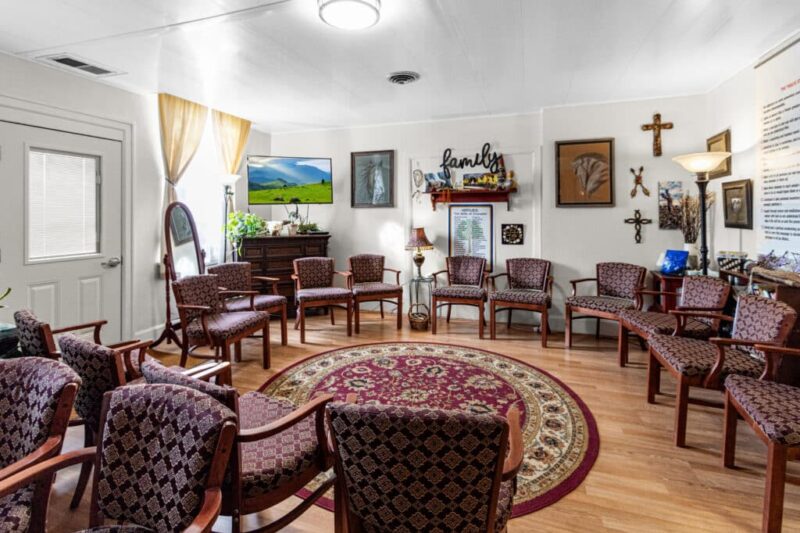
Rocky Mountain Treatment Center’s facility description identifies a 26-bed program in a restored convent in Great Falls, Montana. The provider describes a structured environment with counseling, recovery meetings, reflection, and recreation. Transport to its ranch for equine activities is part of the wider program, so the living facility and the horse-related setting should not be treated as the same location.
The small bed count describes capacity rather than a promise of a particular room arrangement or uninterrupted one-to-one attention. People comparing residential settings can ask about the available bedroom, accessibility, daily routine, and how any off-site activities are organized. Those practical details help explain what a stay will feel like and whether the environment matches the person’s needs, beyond photographs or a general description of Montana scenery.
Arrival is confirmed after admissions clearance
The admissions page describes a one-page intake form that staff can help complete by phone or online. Referrals may come from the individual, family, healthcare professionals, hospitals, or other involved organizations. Same-day admission is advertised, including evenings and weekends, but the page specifically says the staff must clear an admission before confirming its date and time.
The provider also offers complimentary pickup within Montana and assistance with travel and insurance questions. This is a useful option to discuss when distance makes arrival difficult, rather than a reason to travel before acceptance. Clarify the pickup location, timing, clinical arrangements, and what happens if assessment changes the proposed plan. The availability of a transport service does not determine whether the center is the appropriate level of care for someone’s current condition.
Withdrawal management has its own assessment
The medical detox page describes screening, withdrawal monitoring, and planning for the next stage of care. It explains that the duration varies with substance use, recent intake, and individual circumstances. The program includes a homelike detox setting, prepared meals, snacks, and medical support; its discussion does not establish a universal number of detox days for every admission.
Anyone seeking this service should provide an accurate medication and substance-use history and describe previous withdrawal difficulties during screening. The purpose of that conversation is to determine the safest setting and the care required, not to choose a taper independently from a website. Detox planning and the subsequent rehabilitation plan should be discussed together. An advertised residential duration should not be used to infer that withdrawal will be complete by a particular day or that every medical presentation can be managed here.
The residential program publishes a 30-day starting structure
According to the inpatient program page, residential care is organized around a 30-day program, with an extension possible when additional time is needed. The week includes individual counseling, group work, recovery support meetings, relapse-prevention planning, and time to practice routines. Family participation and experiential activities are also described within the broader program.
For someone comparing stays, the useful questions concern how the team reviews progress and what happens when the initial period ends. Ask when the discharge discussion begins, which goals are being assessed, and how a proposed extension affects payment and commitments at home. Thirty days is the provider’s published program structure, not a prediction about an individual’s recovery. The clinical recommendation and the practical arrangements for continuing care should be clear before assuming that the initial booking covers everything needed.
PHP is daytime care with responsibilities outside sessions
The partial hospitalization page describes structured daytime treatment with evenings outside the program. It includes group-based care, individual check-ins, coping skills, and planning around home triggers. The separate program overview lists day treatment as six hours per day, Monday through Saturday. Confirm the current timetable and receiving arrangement for the proposed admission.
This level can be considered after more intensive care or when standard outpatient treatment is insufficient. Its design makes the person’s evenings, transport, and living environment part of the practical plan. A PHP listing does not establish that overnight accommodation is included. Clarify where the person will stay, how they will attend consistently, and whom to contact if their needs exceed what can be supported between sessions.
Mental-health support is described alongside addiction care
Rocky Mountain’s mental-health treatment page is explicitly framed around addiction and related emotional difficulties. It describes individual and group counseling, coping tools, family support when appropriate, and continuing-care planning. Screening is intended to identify a suitable level of care, including withdrawal support where needed.
That scope is relevant when a person has substance-use concerns together with anxiety, mood difficulties, disrupted sleep, or strained relationships. It should not be read as confirmation of an unrestricted psychiatric hospital service for every primary mental-health condition. Provide the team with existing diagnoses, prescriptions, recent assessments, and any changes in safety or functioning. The assessment should explain how the proposed treatment addresses the combination of needs and whether another service is required before, during, or after this program.
The family program includes a three-day option
The family therapy description includes a structured three-day family week. Its stated focus includes communication, boundaries, education about relapse risks, and planning for routines after discharge. Contact expectations during treatment and coordination with continuing care are also described as topics that may be addressed.
Family participation should have an agreed purpose rather than becoming an unstructured attempt to solve every relationship problem during a visit. Before arranging travel, ask which relatives or support people should attend, when the sessions occur, and how clinical suitability is assessed. It is useful to identify specific issues the household needs to work through, such as communication, expectations, or support after discharge. The published three-day option does not establish that every family will attend on the same dates or receive an identical schedule.
Equine work is an experiential part of treatment
The equine therapy page describes horse-related work focused on communication, boundaries, cooperation, and responsibility. These are the provider’s stated aims for the activity. They do not establish that working with horses produces a particular clinical outcome or replaces individual assessment and counseling.
People interested in this element can ask what a session involves, who facilitates it, and whether participation requires any previous experience with horses. Relevant mobility needs, allergies, fears, or other concerns should be discussed before the activity is included in a plan. The important practical point is how the experience connects with the person’s treatment goals and what alternative is available if the activity is unsuitable, rather than assuming that every resident participates in the same way.
Spiritual activities are described as optional
Rocky Mountain’s spiritual program page describes optional Bible studies five evenings per week, optional church services, and non-denominational discussions about spirituality and a higher power. The page presents an opportunity to ask questions and explore beliefs within the program.
This detail matters for people who actively want faith-related support and for those who prefer a different approach. Discuss what optional participation means within the daily schedule and how individual beliefs are respected. A person can also ask which activities are available during those periods if they do not join a religious session. The description should support an informed choice about the environment without suggesting that a particular belief or spiritual experience is a guaranteed result of treatment.
Recreation uses local activities and community outings
The recreation page describes daily recreational participation and gives examples including exercise, arts and crafts, bowling, movies, parks, and museums. Named destinations include Giant Springs, the River’s Edge Trail, and First Peoples Buffalo Jump. These examples show the range of activities the provider discusses; they are not a fixed itinerary for every stay.
Recreation can also provide a setting for practicing communication and developing interests outside substance use. Ask how the current schedule accounts for weather, physical limitations, and the stage of treatment. An individual’s medical or therapeutic needs may affect participation. If a particular activity is important when comparing programs, confirm its current availability instead of choosing a facility on the assumption that every example on the website will be offered during the admission.
Mindfulness and breathing are supporting activities
The holistic therapy page describes mindfulness, meditation, and breathing practices as parts of the program’s approach. The published material presents these activities in connection with attention, coping, and reflection. It also includes spiritual writing, which should be understood as part of the provider’s presentation rather than clinical evidence about effectiveness.
For an individual plan, ask how these practices are introduced, whether they are optional, and how they relate to the person’s goals. Any physical discomfort or difficulty with a technique should be discussed with the treating team. A webpage exercise is not an individualized instruction to manage withdrawal or another medical condition. The useful comparison is the role these activities play within the supervised treatment schedule.
Packing rules cover medication, clothing, and electronics
The packing list asks for prescription medication in its original labeled pharmacy container, identification, insurance information, and approximately one week of clothing. Bedding and towels are provided, and laundry facilities are listed as free. Appropriate footwear and seasonal clothing are relevant to the program’s activities and Montana weather.
Electronics are restricted: the list says a phone brought to treatment is returned at the end of the stay and specifically excludes smartwatches. It also restricts outside food, alcohol-containing toiletries, aerosols, and other items. Smoking and vaping are limited to designated areas, with new, unopened vapes required. Obtain the current list before packing, and discuss any medically necessary device or medication arrangement with staff rather than assuming an exception. Limited storage is another reason to confirm what is genuinely needed.
Continuing care is planned around the return home
The aftercare page describes individualized planning with a case manager and a weekly counselor-facilitated Zoom group for former clients. Plans may involve outpatient counseling, group support, mental-health services, or sober living according to the person’s needs. The page distinguishes assessing a sober-living option from assuming that every departing resident will move into one.
Before discharge, clarify which services have actually been arranged, which are recommendations, and who will coordinate the first appointments. If housing is proposed, its provider, eligibility rules, cost, and location need separate confirmation. The online group can offer a continuing connection with the treatment program, but it should sit within a workable local plan. A list of possible services is less useful than clear dates, responsibilities, and a practical response if a referral is delayed.
Admissions hours differ from nursing coverage
The FAQ page lists admissions hours of 8 a.m.–8 p.m. seven days a week, weekday lobby hours, and nursing coverage around the clock. It also describes insurance review, self-pay, financing options, and a short intake process. These are different operational functions and should be considered separately when planning an arrival or asking about care.
A person already receiving treatment may have nursing support outside the hours when an administrative team handles a new admission. Likewise, the availability of financing does not establish its terms or approval. Confirm the receiving contact, agreed arrival time, and financial arrangements directly. This helps avoid confusing a general availability statement with a completed admission or a confirmed payment agreement.
Official provider pages reviewed October 19, 2026. Published schedules, activities, program eligibility, room arrangements, and charges require individual confirmation. Provider descriptions are not an independent assessment of clinical effectiveness or a guarantee of admission or outcomes.
Sources
- Official programs, address and contact information
- Official facility and 26-bed residential setting
- Official residential duration and continuing-care schedule
- Official continuing-care information
- Official payment and payer information
Sources checked October 17, 2026.