Rockland Recovery

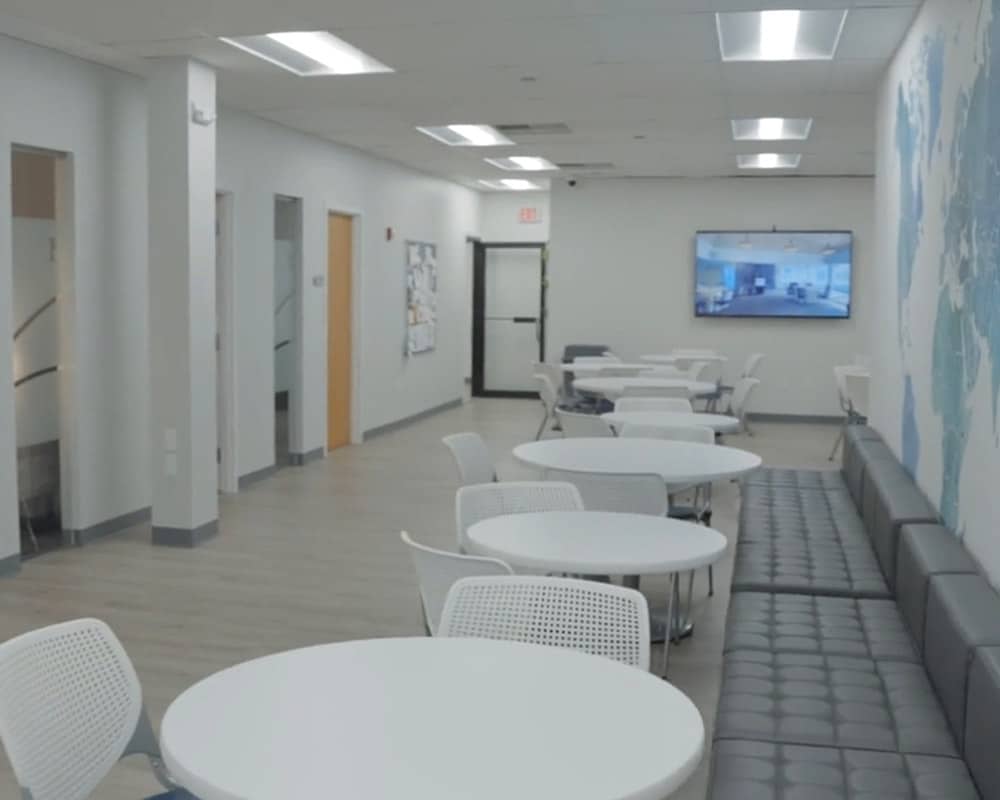

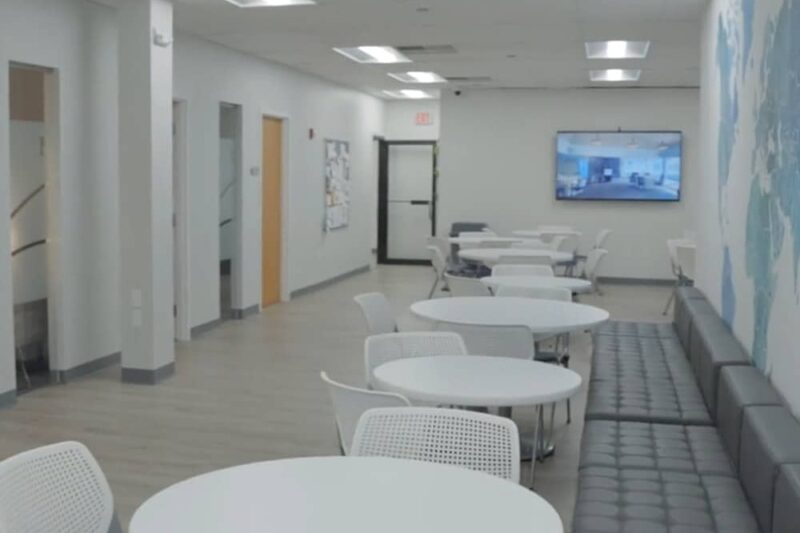
Rockland Recovery 3 photos


Comparison facts and sources
Outpatient addiction and mental-health provider offering PHP, IOP, evening and virtual/hybrid care. It explicitly does not provide inpatient residential treatment or medical detox in-house. · Braintree: 400A Franklin Street, Massachusetts 02184; 855-732-4842. Other Massachusetts locations and virtual services are separate options.
- Published fee information
- Quote required
- Before admission
- Program-specific PHP and IOP ranges are not universal. Exact insurance benefits, costs, taxes and housing/referral charges remain unverified at individual level. The Braintree gallery is preserved; network-wide rendering and every taxonomy field are not claimed verified.
- Continuing care
- Step-down outpatient sessions, ongoing therapy, alumni and peer support continue according to need. External detox/inpatient referrals are coordinated separately.
Source record · 19 October 2026
October 19 scoped official-source review qualifies differing IOP duration ranges and records the current MassHealth exclusion. Earlier program, location and fee review remains as recorded; individual costs and all other fields are not comprehensively reverified..
Luxury rehab comparison · Fees and inclusions · Selection methodology
Rockland Recovery is an outpatient addiction and mental-health provider in Massachusetts. Its current official site lists clinical locations in Braintree, Quincy, Sharon and Bedford; the Braintree address is 400A Franklin Street.
Rockland explicitly states that it is not an inpatient or residential treatment center. It provides partial hospitalization, day and evening intensive outpatient, virtual IOP and outpatient care, and coordinates external detox or inpatient placement when a higher level of care is needed.
Rockland publishes 855-732-4842 and accepts most major insurance plans subject to benefit verification. Its program pages describe a six- to twelve-week IOP range, while a separate IOP guide describes eight to twelve weeks. These are planning ranges; outpatient and aftercare support depend on individual need.
Understand Rockland’s outpatient role before arranging admission
Rockland’s current alcohol treatment page explicitly distinguishes its outpatient service from inpatient treatment and medical detoxification. It describes clinical locations in Braintree, Quincy, Sharon, and Bedford and says that detox or inpatient placement is coordinated with external providers when needed. This clarification matters because the wider website also discusses residential treatment as part of general recovery information.
For someone moving from another facility, the useful question is how the handover will work. Establish which organization provides the initial stabilization, where subsequent Rockland appointments occur, and who sends the treatment summary and medication list. Housing should be arranged separately from the outpatient timetable. A coordinated pathway can involve several organizations without requiring the person to navigate every transition alone, but the responsibilities should be explicit. Do not interpret a description of detox coordination as confirmation that withdrawal treatment takes place at the Braintree office.
Full-day treatment involves a substantial weekday commitment
The full-day partial hospitalization program, or PHP, is described as intensive daytime care while participants live elsewhere. The program page describes attendance of up to six hours a day on at least five days a week. Individual and group work, medication support where appropriate, and recovery education fit within this outpatient structure.
Returning home in the evening does not make the daytime commitment minor. Plan the journey, time away from work, meals, childcare, and other medical appointments around the actual schedule offered. The team should assess whether the evening environment provides enough stability for this level of care. Ask how progress is reviewed and what would prompt a step down to IOP or a referral for more support. If accommodation is needed, obtain the address, operator, rules, and charges separately; a PHP place is not itself a residential bed or twenty-four-hour clinical supervision.
Day IOP has several published planning ranges
Rockland’s day intensive outpatient page describes a partial-day program, commonly involving three or four sessions a week of about three hours. It gives six to twelve weeks as an average course. Other Rockland educational material gives an eight-to-twelve-week example, so these figures are best understood as planning guidance rather than a single fixed program length.
The recommended commitment should be set out for the individual: group attendance, one-to-one appointments, medication reviews, and the expected review date. A person beginning outpatient care directly may have different needs from someone stepping down after a residential stay. Discuss what can be practiced between sessions, such as responding to a difficult social situation or rebuilding a daily routine. Those experiences can then inform the next appointment. The number of weeks is most useful when connected to goals, remaining difficulties, and a plan for adjusting support as circumstances change.
Evening IOP can help organize treatment around daytime responsibilities
The evening intensive outpatient program is intended to make structured addiction treatment more accessible to people with daytime commitments. Rockland describes attendance on several days each week, with sessions lasting up to about three hours. A clinical assessment still determines whether this level is appropriate; choosing an evening schedule is not a substitute for assessing the support someone needs.
Check the exact start and finish times, location, available group, and expectations for attendance. A workable plan includes the journey after work, eating beforehand, and adequate time to rest. If employment involves travel or changing shifts, discuss that pattern before relying on a standard weekly timetable. Ask how individual sessions and prescribing appointments are arranged alongside evening groups. The objective is a sustainable treatment routine that can be followed consistently, with a clear response if symptoms or substance use indicate that the current level is insufficient.
Virtual IOP requires both clinical fit and a private place to participate
Rockland offers a virtual IOP for adults in Massachusetts, using secure video sessions with daytime and evening options. Its description indicates a schedule of three to five days per week, with the precise commitment based on the program and individual plan. Remote attendance can remove a commute, but it remains scheduled treatment that requires attention and participation.
Before enrolling, confirm eligibility for the place where you will physically be during sessions, particularly if work or family plans involve travel. Discuss internet access, a suitable device, and a space where conversations cannot readily be overheard. Ask what happens if the connection fails or a private room becomes unavailable. The service should explain how identity, location, confidentiality, and urgent concerns are handled remotely. Also clarify which evaluations or medication-related tasks may need an in-person arrangement. Video access changes the delivery setting; it does not remove the need for an appropriate care plan.
Coordinate mental health and substance use care
The dual-diagnosis information describes substance use occurring alongside mental health conditions, including anxiety, depression, and trauma-related concerns. Rockland emphasizes assessment and an individualized approach. A list of conditions discussed on a website is not an admission decision or confirmation that every severity can be treated in an outpatient setting.
Explain which concerns are active now, what diagnoses have previously been considered, and whether another clinician currently prescribes medication or provides therapy. The important issue is how those parts of care will connect. Establish who reviews psychiatric symptoms, who manages addiction treatment, and how the plan is communicated with consent. For example, a change in sleep or concentration may need discussion across the team rather than being assigned automatically to one diagnosis. Ask how escalating symptoms are assessed and when a higher level or another specialist service would be recommended.
Medication support should continue across changes in treatment level
Rockland’s medication-assisted treatment page describes clinical assessment, prescribing, monitoring, and counseling within its addiction services. It discusses medications such as buprenorphine in the context of opioid use disorder and explains that a medication plan depends on the person’s history and needs. The existence of a program does not establish that every medication can be supplied in every setting.
If you already receive medication, discuss continuity before moving between providers. Confirm the prescriber, appointment schedule, pharmacy arrangements, and how relevant records will be transferred. There should also be a plan for weekends, travel, or a delayed follow-up appointment. Questions about side effects, interactions, or a proposed change belong with the treating clinician. Do not stop or alter a prescribed medicine to fit a program timetable. Clarifying these arrangements helps distinguish ongoing treatment from a short withdrawal episode and reduces uncertainty when the intensity of therapy changes.
Sober living has its own locations and expectations
The sober living page identifies homes in Quincy, Milton, Rockland, and Dorchester for men and women. These housing locations differ from the clinical office list. The provider describes onsite house managers, community rules, substance testing, and active twelve-step involvement, including expectations around obtaining a sponsor and joining a home group.
Before accepting a place, review the rules for the actual home, room sharing, transport to treatment, employment, visitors, medication storage, and what happens after a breach of an agreement. Ask how the housing team communicates with clinical staff and what medical support is available separately. House management and peer accountability should not be confused with inpatient nursing or hospital care. Also obtain the housing charge, deposit and refund terms, and any costs that continue during an absence. This makes it possible to compare the combined treatment-and-living arrangement without assuming that outpatient insurance pays for accommodation.
Family support and the patient’s therapy are different services
Rockland’s family program describes education, support, communication work, and a discussion meeting for relatives and close friends. Its published wording uses “bi-weekly,” which can be interpreted in different ways, so the current calendar should be checked. The discussion meeting is described as separate from AA and has its own participation rules.
A relative attending an educational or support meeting is not automatically included in confidential clinical conversations. Agree what information may be shared, whether joint sessions are appropriate, and which topics are better addressed separately. Family involvement can focus on practical matters such as responding to requests for help, discussing finances, or supporting a treatment schedule without taking over clinical decisions. Not every relationship is safe or suitable for joint work. The plan should respect the patient’s preferences and relevant confidentiality arrangements while allowing supporters to seek appropriate help for their own needs.
Plan continuing care before the intensive phase ends
The alumni program information discusses maintaining contact with peers, taking part in recovery activities, and building a support network after formal treatment. It presents these connections alongside practical issues such as stable housing and the return to everyday responsibilities. The page does not establish one universal meeting calendar or a guaranteed amount of individual clinical care for every alumnus.
Before the final scheduled week, identify which services will continue, their frequency, and who is responsible for arranging them. An alumni connection can complement outpatient appointments, prescribing follow-up, and personal support, but each has a different role. If you plan to move, ask how participation can continue and which care needs a new local provider. Agree how to seek a reassessment after a setback rather than treating program completion as the end of all support. Keep an accessible record of appointments, relevant contacts, and the next clinical review.
Verify insurance and note the current MassHealth limitation
Rockland’s insurance verification page says its team checks network status, deductibles, copayments, covered services, and prior authorization. It also explicitly states that Rockland does not currently accept MassHealth and offers to help connect people with providers that do. This specific limitation is more useful for planning than broader website statements about accepting most insurance plans.
A benefits inquiry does not commit someone to admission or guarantee payment. Request the results for the actual service and location being proposed, including any authorized session limits and estimated personal costs. Check whether medication appointments, laboratory services, external detox, and housing are billed separately. If the treatment plan changes from PHP to IOP or from in-person to virtual attendance, confirm whether the payer needs an updated authorization. For someone whose only coverage is MassHealth, arranging an appropriate participating service should take priority over assuming that a general insurance statement applies.
Official provider information reviewed October 19, 2026. Published duration ranges differ between program pages; individual suitability, schedules, housing, coverage, and costs require confirmation.
Sources
Sources checked October 17, 2026.