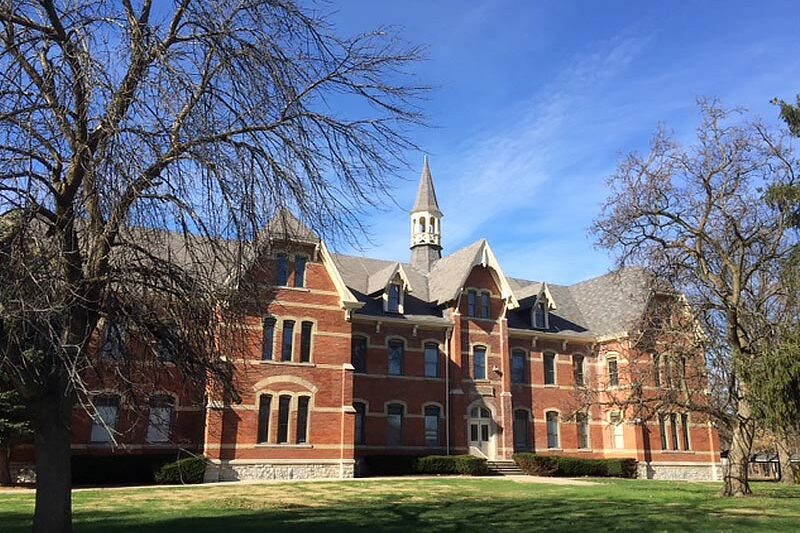
Resource Treatment Center provides long-term residential mental health treatment for adolescents and young adults at 1404 South State Avenue in Indianapolis, Indiana. It is a youth psychiatric and behavioral-health provider, not an adult addiction-rehabilitation campus.
The current admissions page specifies ages 11–20, an IQ score of 70 or higher, a mental health concern and a need for live-in care; it also lists exclusions that require individual assessment. A separate residential-program page uses ages 11–21, while the dedicated program for sexually harmful behaviors identifies boys and young men ages 11–20. Confirm the exact program and age eligibility rather than applying one range to every service.
Current services include individualized treatment planning, psychiatric care, individual and family therapy, trauma-focused cognitive behavioral therapy, dialectical behavior therapy, educational services and step-down group homes. The main admissions page describes a typical stay of six to nine months.
Resource states that it accepts major insurance plans, including Medicaid, and assists with benefit checks and claims. Confirm authorization, program eligibility and out-of-pocket responsibility for the proposed placement. No universal self-pay price or tax treatment was published.
Choose the specific Resource placement
Resource offers several forms of youth care, so a referral should identify a program rather than simply request a bed at the Indianapolis facility. Its overview distinguishes psychiatric residential treatment, general residential treatment, and transitional living. The services share an emphasis on emotional and behavioral needs, daily structure, and preparation for community life, but they are not interchangeable placements.
The provider describes individual and family therapy alongside process groups, independent living skills, medication management, and community activities. Some activities involve staff-supported outings, volunteering, student council, or a spiritual youth group. Ask which are part of the proposed unit’s current schedule and how participation is adapted to the young person’s needs and preferences. A description of the organization’s overall services does not establish that every resident receives every activity. The useful starting point is a written explanation of the recommended setting, its supervision, and the reasons it fits the referral.
Source: Resource’s program overview.
Admission requires a safety and eligibility assessment
The admissions page specifies ages 11–20, an IQ score of at least 70, a mental health concern, and a need for live-in care. It also says applicants must not currently be a danger to themselves or others. Severe medical problems, some language barriers, treatment refusal, and other exclusions can affect eligibility. These are the provider’s screening criteria, not a diagnosis or an assurance that another setting cannot help.
This distinction matters when a referral involves suicidal thoughts, self-injury, or escalating aggression. A planned residential admission should not delay emergency assessment of immediate danger. Resource’s intake team needs an accurate account of current symptoms, medical needs, previous treatment, and the young person’s willingness to participate. The page describes weekday admissions conversations and an intake evaluation before an individualized plan is prepared. Request the current packing list, medication instructions, and communication rules before traveling; the published list restricts personal electronics, valuables, and many everyday items for safety reasons.
Source: Admissions criteria and preparation.
What the residential treatment plan can include
The residential-program page describes stays typically lasting six to nine months, with the actual plan responding to the resident’s needs. It lists individual therapy once or twice weekly, family therapy about every two weeks, daily groups, medication management when prescribed, and basic medical care. These published frequencies help frame a discussion about the proposed schedule; they should be confirmed for the specific placement.
Treatment progresses through four phases: understanding the reasons for admission, connecting new skills to everyday situations, demonstrating those skills, and contributing through appropriate community activities. The page also describes Casey Life Skills work involving employment, housing, money management, and relationships. Families can ask how the team will document progress in those areas and what would justify a change in treatment. Discharge planning begins at admission and may involve outpatient referrals and Department of Child Services support. A projected stay is therefore a planning range, not a promise that every young person requires the same number of months.
Source: Residential program and discharge planning.
Psychiatric care and day-to-day supervision
Resource’s psychiatric residential program describes round-the-clock supervision and nursing care, with access to psychiatric evaluations, medication reviews, and basic health services. Its named professional roles include psychiatrists, psychiatric nurse practitioners, licensed counselors, social workers, behavioral health associates, and nursing staff. The Hope and Unity unit is described as serving male residents, while Reach serves female residents; admissions should explain the appropriate current placement.
Families need to understand how this multidisciplinary care works in practice. Ask who coordinates the overall plan, how often the treating psychiatric clinician reviews progress, and how changes in symptoms or medication effects are communicated. The provider describes medical, dental, and eye-care services, but an individual with complex physical health needs still requires explicit suitability review. Clarify how existing clinicians will share records and how outside appointments are arranged if necessary. Residential supervision does not by itself establish that the program can manage every medical condition or replace an acute hospital admission.
Source: Psychiatric residential services.
Keep education in the placement plan
Resource describes an on-site school with classroom instruction by special education teachers. Its education page identifies Indiana Department of Education accreditation, opportunities to accumulate academic credit, and support for GED preparation. These are provider-published descriptions; a family should obtain the current school information and discuss how the arrangement applies to the individual student.
Before admission, organize recent school records, any individualized education plan, and information about unfinished courses or graduation requirements. Ask the educational team to explain the actual timetable, the balance between classes and treatment, and how completed work will be recorded. Credit transfer is a practical issue to settle with the receiving school rather than assume from the availability of teaching on campus. A student returning home may also need an agreed transition plan, communication with school staff, and support for catching up without overloading the early recovery period. School participation and clinical goals should be planned together.
Source: Resource’s educational program.
The group homes have their own age and location rules
Resource lists four group homes, each with a maximum of 10 residents. Wind Rose is on the main campus for girls and young women ages 14–20; Cardinal Point is an on-campus program for boys and young men ages 14–20. Polaris and Carina are off-campus settings for young people who have completed programming for sexually harmful behaviors. Their published age ranges differ: Polaris serves ages 17–20 and Carina ages 11–16.
These homes provide structured living, supervision, psychiatric support, and preparation for greater independence. Their educational arrangements and transition goals also differ from the main residential program. For example, Wind Rose describes off-site education and vocational support, while Polaris identifies school enrollment through Wayne Township. Confirm the actual home, school arrangement, transportation, family visiting rules, and continuing therapy before accepting a placement. Moving to a group home should follow an individual review of readiness and support needs; the existence of these services does not guarantee an immediate opening or automatic transfer.
Source: Group-home locations and eligibility.
Specialized care for sexually harmful behaviors
The dedicated specialty page identifies the Serenity and Inspire units for boys and young men ages 11–20. It describes treatment delivered by therapists with specialized youth-clinician credentials, alongside psychiatric and nursing support. Individual, family, and weekday group therapy are combined with schooling, skills development, and a personalized treatment plan.
This is a specific referral pathway, not a label to apply to every young person who has experienced trauma or has general behavioral difficulties. A careful assessment should establish the concern being treated, the resident’s developmental needs, and the safety arrangements for everyone involved. Families and referring professionals can ask how consent, appropriate boundaries, accountability, and support for affected people are addressed. The provider says discharge planning starts on the first day and may involve family members, case managers, mentors, and clinicians. Subsequent services can include family or individual therapy and, for eligible residents, a separate group-home placement.
Source: Specialized residential program.
Discuss trauma care in the context of daily functioning
Resource’s PTSD page describes an intake assessment that considers needs, risks, and strengths before matching a young person with psychiatric or general residential treatment. Its program description combines individual sessions, groups, family work, skills practice, and medication review where indicated. The practical question is how those services will address the particular difficulties that led to referral, such as managing emotions, participating at school, or feeling safe in relationships.
Ask the team to explain the proposed therapeutic approach and how the young person will participate in decisions about trauma work. Sharing a difficult history should occur within an appropriate clinical relationship rather than become a condition for proving motivation to family members. The provider also describes support for relatives and discharge preparation. Use those discussions to identify how changes learned during treatment can be supported at home. A PTSD diagnosis alone does not establish that residential treatment is the appropriate next step for every adolescent.
Source: Resource’s trauma-treatment pathway.
Family work and preparation for returning home
Resource describes family therapy and education as part of its behavioral-health programming. Its self-harm treatment page discusses communication, participation in discharge planning, and the young person’s ability to use coping and daily living skills outside the facility. The focus should be on a workable support plan, not simply completing a period away from home.
Caregivers can use family sessions to discuss how they will respond to distress, reduce conflict, and keep communication open. The young person should have a meaningful role in planning the transition and understanding which supports will continue. Ask how the team determines readiness for a less intensive setting, who will coordinate follow-up appointments, and what to do if difficulties return. A discharge document is more useful when the receiving clinicians and caregivers understand their responsibilities. Progress can be uneven, and the provider’s treatment description should not be read as a guarantee that supervision eliminates all risk or that symptoms cannot recur.
Source: Family involvement and continuing care.
Coordinate the referral with existing clinicians
The professional-referral page describes an assessment and referral department that can discuss whether Resource is suitable and arrange intake when appropriate. It also emphasizes communication with referring clinicians within confidentiality limits. This gives a treating professional a route to clarify the proposed level of care before the family commits to a placement.
Have the referring team summarize prior interventions, what has helped, and the reasons additional structure is being considered. Agree who will receive progress reports and how the young person’s privacy will be respected. Confirm the correct contact and hours for the proposed assessment, including who can answer questions after the initial referral. A referral conversation or scheduled assessment is not the same as a confirmed admission date.
Sources: Professional referral process; current contact information.
Plan insurance authorization for an extended stay
Resource states that it accepts major insurance plans, including Medicaid, and can help check benefits, submit claims, and communicate progress to the insurer. That assistance does not establish coverage for a particular individual, program, or length of stay.
Ask for the proposed service, authorization requirements, expected personal responsibility, and the process for reviewing continued coverage. For an extended placement, understand what happens if the insurer authorizes fewer days than the clinical team recommends. Clarify whether outside medical care, transportation, and other services generate separate charges. A family should receive an explanation of available payment arrangements before agreeing to care, rather than rely on a general statement that insurance is accepted.
Source: Insurance and payment guidance.
Provider-published program information reviewed October 19, 2026. Confirm current program eligibility, availability, education arrangements, coverage, and personal costs directly with Resource.
Related guides: treatment in Indiana, trauma and PTSD care, and self-harm treatment considerations.