Reno Behavioral Healthcare Hospital


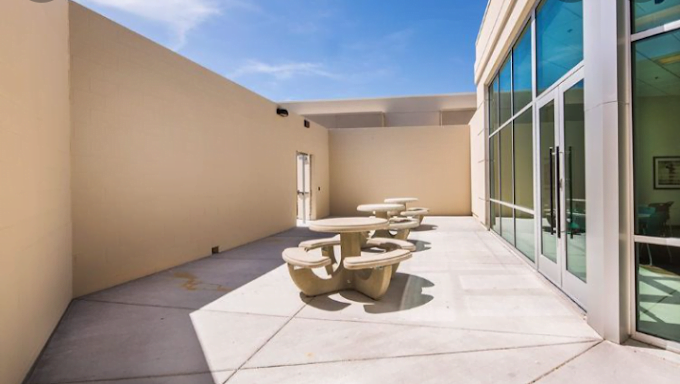
Reno Behavioral Healthcare Hospital 3 photos
Comparison facts and sources
A hospital-based continuum covering acute adult inpatient psychiatry, medically supervised addiction withdrawal and inpatient care, PHP/IOP/outpatient services, plus separate adolescent inpatient, psychiatric residential for adolescent females and partial-hospitalization programs for ages 12–17. · 6940 Sierra Center Parkway, Reno, Nevada 89511, United States.
- Published fee information
- Quote required
- Before admission
- This review verified the exact hospital, service levels, adolescent durations and August 2026 price-transparency data. It did not convert gross charges into patient quotes or infer a fixed adult stay, universal insurer acceptance or tax treatment.
- Continuing care
- Discharge planning may include outpatient treatment, support groups and ongoing therapy. Step-down level and duration depend on clinical need; no universal fixed aftercare term is published.
Source record · October 16, 2026
Clinical program descriptions reviewed October 19, 2026. Pricing information was reviewed October 16, 2026.. The hospital presents current accreditation and price-transparency resources; independent Nevada licensure and accreditation registers were not revalidated in this field review.
Luxury rehab comparison · Fees and inclusions · Selection methodology
Reno Behavioral Healthcare Hospital provides hospital-based mental-health and addiction care at 6940 Sierra Center Parkway in Reno, Nevada. The provider offers free confidential assessments 24/7 to identify the appropriate level of care.
Levels of care
Current services include acute adult inpatient psychiatric care, medically supervised addiction withdrawal management, inpatient addiction treatment, partial hospitalization, intensive outpatient and other outpatient care. Separate adolescent services cover ages 12–17, including inpatient care, a psychiatric residential unit described for adolescent females and a weekday partial hospitalization program.
Duration and discharge planning
Adult inpatient and addiction treatment length is individualized according to assessment and stabilization needs. The provider describes a typical adolescent residential stay of one to three months, sometimes longer, and a typical adolescent partial-hospitalization course of two to four weeks at about six hours each weekday. Discharge planning may include outpatient sessions, support groups and ongoing therapy; no universal aftercare duration is published.
Charges and insurance context
The hospital’s August 2026 price-transparency file lists gross standard charges of $1,800 per day for inpatient psychiatric, detox and rehabilitation services and $160 per outpatient psychiatric or chemical-dependency group visit; cash prices are marked unavailable. Negotiated insurer rates vary by service and payer, and independent professional fees may be billed separately. These are gross or negotiated hospital charges, not a guaranteed patient quote. Confirm benefits, authorization, cost-sharing and final responsibility directly.
The initial assessment determines a suitable level of care
The admissions page distinguishes its initial assessment from a full psychiatric evaluation. A licensed professional asks about current concerns, medical and psychiatric history and relevant substance use to decide whether hospitalization or another service is appropriate.
The provider gives approximately 30–45 minutes as a common assessment duration and about another 90 minutes for admission if hospitalization is recommended. These are planning estimates rather than a promise of immediate admission. Ask what documents to bring and whether a relative or friend should accompany you.
The page describes an initial telephone conversation before deciding whether a face-to-face assessment is the next step. Explain immediate concerns clearly and confirm where to go. A scheduled assessment does not establish an accepted inpatient place, and a referral to another service may be the appropriate result of the review.
Adult inpatient psychiatry focuses on acute stabilization
The adult inpatient program is described for people aged 18 and older with acute mental health conditions. The provider identifies psychiatric care, stabilization and 24-hour monitoring within a secure treatment environment.
Its multidisciplinary team may include psychiatrists, medical clinicians, nurses, case managers or social workers, dietitians and activity therapists. Published programming combines group therapy, medication management and structured activities. Ask which team members will be involved in the individual’s care and how frequently progress is reviewed.
The purpose of an acute hospital stay differs from choosing a long residential retreat. Discuss the immediate goals, the criteria for discharge and any medical needs requiring additional coordination. The provider’s list of conditions includes mood disorders, psychosis and substance-related psychiatric symptoms, but the assessment determines whether the hospital can meet a particular person’s current needs.
Addiction services include medically monitored and outpatient options
The addiction treatment page describes detoxification under continuous clinical supervision, inpatient rehabilitation and intensive outpatient treatment. It also identifies licensed alcohol and drug counselors among the professionals involved in the substance-use programs.
Ask which service is being recommended and whether the plan addresses co-occurring psychiatric symptoms, existing prescriptions and previous withdrawal complications. The availability of several levels of care does not mean every person needs detox or that a single admission automatically covers the entire sequence.
When planning a transition, clarify who is responsible for medication review, the first follow-up appointment and any separate authorization. If another clinician has been treating a medical or mental health condition, discuss how relevant records will reach the hospital. A provider’s general addiction information cannot determine a personal diagnosis or withdrawal plan without an assessment of the individual circumstances.
Adolescent inpatient and daytime care have different routines
The adolescent services page describes care for ages 12–17, including mental health and co-occurring substance-use concerns. Its inpatient program provides monitoring and stabilization with group therapy, medication management and structured activities.
The same page describes youth partial hospitalization without overnight stays: approximately six hours each weekday, commonly over two to four weeks. It lists lunch, educational support from an on-site teacher and family education. Confirm the actual schedule and transport arrangements before assuming the program can fit around a normal school day.
Ask which goals need hospital care and which can be addressed while the young person returns home. Families should also clarify how the school is involved, how the teenager participates in planning and what follow-up will be arranged. A daytime program and an inpatient bed are distinct services with different support needs outside scheduled sessions.
The residential youth program has a specific published audience
The current residential page describes care for females aged 12–17 and a usual stay of 30–90 days, individualized with the treatment team and payer. Confirm the program’s current eligibility requirements directly rather than extending that description to every adolescent.
The hospital’s opening announcement described a 21-bed unit. That historical capacity statement is not a current vacancy count. Ask about the actual placement and timing.
The program page distinguishes residential treatment from short-term acute hospitalization when immediate safety requires it. It lists individual, group and family work, medication management and an on-site teacher. Discuss whether residential care is appropriate now or only after stabilization, and identify the next service before arranging a transfer.
Adult PHP and addiction IOP support care without overnight admission
The outpatient programs page describes adult psychiatric PHP on weekdays, commonly over two to four weeks. Programming includes group therapy, with educational and family sessions as needed, and a team that includes psychiatric, nursing and therapy staff.
Its addiction IOP is described separately as structured treatment while participants live at home. The page says outpatient addiction care may last four weeks or more, with schedules adjusted as progress is reviewed. It does not provide a single timetable that applies to every patient.
Ask for the actual days, hours and attendance requirements, along with the arrangements for prescriptions and support between sessions. Discuss whether the home environment and available transport fit the recommendation. A step-down program should be planned around clinical needs and realistic daily responsibilities rather than selected solely because it requires fewer nights away.
Discuss how trauma-informed principles apply to the individual stay
The trauma-informed care page describes an emphasis on safety, collaboration, clear expectations and patient participation. It discusses incorporating awareness of trauma into both clinical care and everyday interactions.
Tell the team about practical circumstances that may make care difficult, such as distress around particular interactions, communication needs or concerns about involving others. Ask how those needs will be recorded and communicated across shifts. Ask which information is needed immediately and what can be discussed privately with a clinician.
Clarify what choices are available within the actual care plan and admission arrangements, and how to raise a concern if an interaction feels unsafe. General language about choice should not be treated as an individual determination about discharge or treatment restrictions. Ask how any specific trauma therapy will be selected and coordinated with the stabilization goals that brought the person to hospital.
Prepare for hospital safety rules and any medical equipment needs
The packing guidance recommends no more than three days of clothing, comfortable footwear and a limited selection of belongings. It restricts electronics, jewelry, strings, sharp items and some toiletries. Ask the assigned unit for current instructions, particularly where an item is needed for accessibility or communication.
The hospital asks patients to disclose special bedtime or equipment needs, including CPAP, oxygen or other supports, before admission. Providing that information in advance allows staff to explain whether and how it can be accommodated; the examples are not an assurance that every device or medical need is accepted.
Discuss prescription medication with staff before arrival rather than making changes based on a packing restriction. The guide also refers to a patient access code for approved contacts. Confirm how important contact details will remain available when personal devices are not permitted on the unit.
Check the unit-specific visiting timetable before traveling
The visiting guidance requires an access code supplied by the patient and registration at reception. It also describes visitor identification, restrictions on belongings and the patient’s ability to refuse or end a visit.
Although the page introduces visits as daily, its table assigns particular units to specific days and marks some days as having no visitation. Ask staff for the current timetable for the relevant unit rather than relying on a general statement or another patient’s visiting time.
The page describes visits by minors aged 13 or older with an accompanying parent or guardian and says a separate area may be used. Confirm that arrangement before bringing a child. Any items intended for the patient should be handed to staff for checking. A planned visit remains subject to the patient’s wishes, clinical circumstances and current unit rules.
Continuing-care planning begins during admission
The hospital FAQ states that discharge planning starts at admission and is coordinated with the treatment team and case manager. The written plan may include follow-up appointments, a safety plan, information about diagnosis and discharge medication, support groups and community resources.
Ask to review the practical details before leaving: which appointment is confirmed, who receives the records, how medication will be obtained and what to do if the arranged provider cannot see the patient as expected. The FAQ describes a prescription at discharge when appropriate, not one universal quantity of medication for every person.
If the initial assessment finds that the hospital’s services are not suitable, the FAQ describes help locating other professionals or programs. Request those recommendations in writing and clarify who will make contact. Receiving a referral list is different from having an outside appointment or residential place confirmed.
Use hospital charge lists as context for a personal estimate
The standard-services price guide expressly distinguishes a hospital’s billed charge from the payment ultimately expected. It explains that treatment needs and complications can change the services a patient receives, so the listed figure may not equal the charge for an individual course of care.
The page links its price guide, shoppable services and chargemaster. These documents serve different comparison purposes and should be read with their stated dates and service definitions. The historical figures summarized above should not be treated as a new personal quotation.
Ask the billing team for an estimate based on the recommended level, anticipated days, insurer authorization and any separate professional charges. Confirm how updates will be communicated if the plan changes. A general hospital price list cannot settle the person’s deductible, negotiated benefit or final responsibility without information about the actual services and coverage.
Sources checked
- Official hospital overview
- Official adult inpatient page
- Official treatment and addiction scope
- Official adolescent programs and durations
- Official address and contact page
- August 2026 hospital price-transparency file
Official provider information checked October 16, 2026. Clinical eligibility, availability, duration, insurance authorization, negotiated rates and patient responsibility require individual confirmation.