Release Recovery



Release Recovery 3 photos


Provider overview
Release Recovery is a behavioral-health organization providing substance-use and mental-health support. Its state-licensed, Joint Commission-accredited clinical programs operate in Purchase, New York and Austin, Texas; it separately operates residential and transitional-living environments and broader concierge services.
Clinical care and housing
Clinical levels include partial hospitalization, intensive outpatient and standard outpatient care; weekly hours vary by program and location and should be confirmed. The provider also lists medication management, family services, case management, recovery coaching, intervention and safe transport. Its current organizational overview lists 90 beds across multiple programs. Clinical treatment and housing are distinct services, so clients should confirm where each part of a plan occurs.
Duration and payment
Release accepts most major insurers for clinical services depending on program and location and verifies out-of-network benefits. Its nationwide transitional-living program is not insurance-covered and requires private payment. Fees require an individual quote; the housing FAQ generally recommends at least three months, with individual duration guided by progress. Call 914-266-7642 or email connect@releaserecovery.com to confirm location, clinical level, housing, length and cost.
How the organization developed beyond recovery housing
Release’s organization history dates its first Westchester transitional-living residence to 2017. It describes later housing programs in New York City, the launch of Westchester clinical care in 2023, and expansion into Austin in 2025. The current overview lists 90 beds across multiple programs. That is an organization-level description, not the capacity of a single hospital or the number of rooms available for a new admission.
This history helps explain why the provider offers both clinical treatment and support with everyday living. Someone comparing Release with an inpatient facility should identify which service they actually need and which organization will provide it. Ask for the treatment location, housing location if relevant, and the separate responsibilities of each team. The presence of several residences does not mean that every residence contains an onsite clinical program. A clear plan should show where appointments occur, who coordinates care, and how the person moves between treatment and daily activities.
Published clinical hours and inconsistent IOP summaries
The detailed clinical programs page lists PHP with 25 group hours weekly, daytime IOP with 12 group hours, evening IOP with nine group hours, and outpatient care with two group sessions weekly. It describes a rotating 16-week IOP curriculum. The homepage still refers to a 12-week curriculum and 12 evening hours, so the summaries do not fully agree.
Confirm the current schedule for the particular location before arranging work, transport, or housing. Group hours, individual sessions, medical appointments, and family work are different parts of the plan; an advertised group-hour figure is not necessarily the entire weekly commitment. A rotating curriculum also does not establish that everyone must stay for that exact period. Ask how the team selects a level of care, reviews progress, and changes the schedule when more or less support is appropriate.
Westchester clinical care and residential support are separate
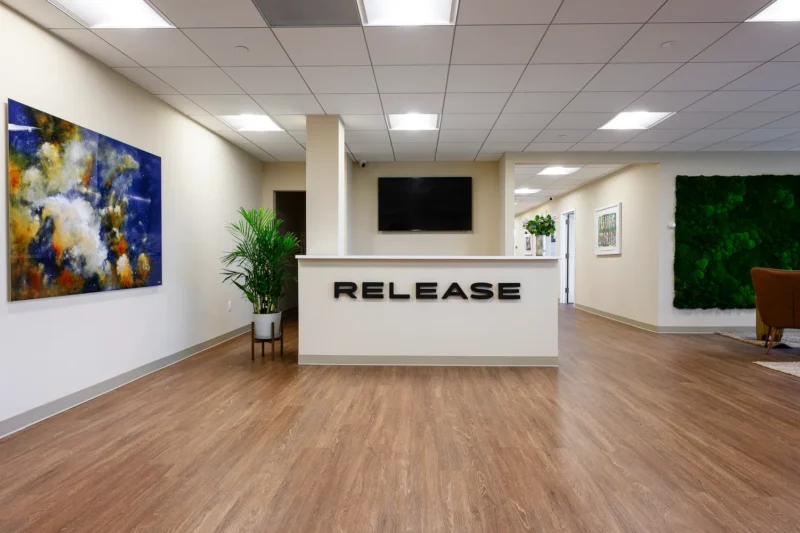
The Westchester location page describes a 16,000-square-foot outpatient treatment facility with group rooms, private therapy offices, medical space, and shared client areas. Its clinical approach includes individual and group treatment, psychiatric care, and medication management. It names several approaches, including CBT, DBT, motivational interviewing, and the NeuroAffective Relational Model, used within an individualized plan.
The same page separately describes men’s and women’s transitional-living residences. Those housing descriptions include staffed support, case management, daily structure, and practical help with independent living. They should not be interpreted as licensed inpatient psychiatric beds. Ask whether the proposed plan includes housing, which residence would be used, and how transport to clinical appointments works. A broad list of therapies does not establish the frequency of each method or whether it is appropriate for a particular person. Request the actual clinical recommendation and the housing agreement separately, including what each service provides outside ordinary treatment hours.
Austin has its own clinical approach and living program
The Austin page describes outpatient clinical care using an experiential attachment approach, with individual and group work, medical appointments, and case management. It lists PHP, IOP, and standard outpatient options. Austin’s PHP description includes breakfast and lunch on site, while its daytime IOP uses a four-day weekly structure. These local details should be checked directly rather than transferred from a New York program.
Its men’s transitional-living program is described separately, with trained staff, daily accountability, clinical coordination, and support with finances, practical skills, and family involvement. The provider explicitly identifies this housing as private pay. Confirm the clinical location, residence, current availability, and whether another treatment provider can remain involved. The published activity and amenity list describes possible elements of the living program, not a substitute for a medical or psychiatric assessment. A good comparison separates the clinical recommendation, housing support, schedule, and payment arrangement rather than treating them as one undifferentiated residential package.
New York City housing coordinates outside clinical services
The New York City program describes transitional living in Manhattan, with separate men’s and women’s environments. It emphasizes case management and referrals through a network of clinicians and treatment programs. The Chief Medical Officer can provide medical or psychiatric services when appropriate, and the team says it can work with a client’s existing clinicians to preserve continuity.
This arrangement differs from assuming that a Manhattan residence contains the full outpatient clinic described in Purchase. Clarify which appointments are onsite, which require travel, and which are billed by an outside professional. The page also describes optional recovery coaching, support with education and employment, and individualized aftercare planning before departure. For a person returning to work or study, those practical services may be relevant, but the clinical plan must still match current needs. Ask how the residence communicates with treatment providers, what consent is required, and how changes in symptoms or substance use lead to reassessment.
Clinical admission and a housing move-in follow different checks
Release’s admissions process separates screening for clinical care from screening for transitional living and concierge support. Clinical admission includes background information, an assessment of the appropriate level of care, and insurance verification where relevant. Placement and intake are coordinated after eligibility has been established. The provider also describes helping people find another service when Release is not the right fit.
For housing and concierge services, the team checks that the client has current or planned clinical care, either with Release or another chosen provider. This makes the clinical engagement plan important even when the immediate request is for accommodation. Ask what documentation is needed, who will review medications and safety concerns, and whether a different level of care should come first. The provider emphasizes responsiveness, but a conversation with admissions does not itself confirm a place. Agree on the location, move-in date, treatment appointments, and financial terms before making travel or relocation arrangements.
Insurance for treatment does not pay for every service
The insurance information says Release accepts many major insurers for clinical services, depending on program and location. It explicitly states that transitional living requires private payment. It also explains that the housing and clinical organizations are separate legal entities and that access to housing is not conditional on an insurer paying for outpatient treatment.
Ask for a written explanation of the applicable out-of-network benefits, any authorization requirements, and expected patient responsibility. Insurance-brand names alone do not establish coverage for a particular plan, program, or clinician. Separately request the housing price, what practical support is included, and the cost of any additional concierge or outside clinical services. Confirm who sends each bill and what happens financially if the level of care changes. A treatment benefit and a housing agreement should be evaluated independently, even when both are coordinated through the same admissions conversation. This avoids mistaking clinical coverage for an all-inclusive recovery package.
Family support includes scheduled groups and Westchester weekends
The family education and support page describes weekly groups led by a social worker and case managers, regular communication, and quarterly family wellness weekends. It identifies the weekend venue as the Westchester clinical facility. Families considering Austin or New York City should therefore clarify travel or remote participation rather than assuming every location hosts the same event.
The page also describes individualized family coaching, which may involve additional meetings or more focused work around communication and boundaries. Ask which activities are included in the proposed service and which need separate arrangements. Family participation should be planned with the client’s consent and attention to the safety and usefulness of particular relationships. A general invitation to family programming does not replace a specific agreement about sharing clinical information. Before admission, establish the primary contact, the expected frequency of updates, and how relatives can get support for their own questions without making them responsible for the client’s treatment outcome.
Recovery coaching is explicitly nonclinical support
Release’s recovery coaching service describes practical, experience-based support with routines, independent living, education, employment goals, and connecting to a recovery community. It also lists activities such as hiking, fishing, climbing, and personalized movement. The provider explicitly characterizes coaching as nonclinical, which distinguishes it from psychiatric treatment, psychotherapy, or medical supervision.
Define the purpose of coaching alongside the clinical plan. For example, a person may need help implementing a routine agreed with their therapist or returning to work while continuing treatment. Ask about the coach’s role, contact frequency, activity suitability, and how concerns are communicated to the clinical team. Outdoor or fitness activities should be chosen around the individual’s health and preferences, not treated as a required marker of recovery. Coaching may provide useful accountability and practical companionship, while assessment, prescribing, and treatment of significant psychiatric symptoms remain responsibilities for appropriately qualified clinical professionals.
Case management coordinates the plan rather than replacing clinicians
The case management page describes a dedicated point of coordination for the client, family, and other professionals. Support may involve clinical referrals, recovery goals, education, employment, and practical legal matters. The provider describes plans ranging from regular meetings to more frequent contact, selected according to the person’s circumstances.
Clarify the case manager’s actual responsibilities before purchasing a service. Coordinating a medical appointment differs from providing medical treatment, and helping organize legal information does not establish legal representation. The plan should identify who makes clinical decisions, who follows up on referrals, and how the client agrees to information sharing. The page also mentions placement support and observed testing. Ask how testing is used, how results are handled, and what reassessment follows a concern. A written coordination plan can make expectations clearer for everyone involved, especially when housing, clinical care, family support, and outside professionals are all part of the same person’s recovery arrangements.
Intervention and transport require an individual plan
The intervention and transport service begins with an assessment of the person’s history, family dynamics, and potential participants. Release describes selecting an internal specialist or an outside partner, preparing for conversations, and coordinating transport to its own service or another provider when appropriate. It does not describe a single mandatory process for every family.
Establish who is leading the work, what the person receiving care has agreed to, and how the receiving treatment service confirms acceptance. Planned transport should have a clear destination and contingency arrangements if circumstances change. Ask about clinical handoff, medication information, costs, and the limits of the transport team’s role. A family intervention or recovery transport service should not be mistaken for emergency medical transport or a substitute for urgent assessment. If there is immediate danger or a serious medical concern, the priority is appropriate emergency help rather than waiting for a planned recovery conversation or journey.
Age, residential expectations, and the suggested length of stay
The Release FAQ states that it works with people age 18 and older. In discussing transitional living, it generally recommends at least three months while emphasizing behavioral progress and voluntary participation. This is a housing-program recommendation, not a universal duration for every outpatient or concierge service.
The FAQ also describes device restrictions early in a stay, approved overnight absences, medication storage, and case-by-case consideration of prescribed medicines. It gives differing testing frequencies in separate answers, so request the current residence handbook rather than assuming one universal testing schedule. Discuss work, study, family obligations, disability-related needs, and existing prescriptions before accepting the agreement. These practical rules affect whether a residence is workable for the individual. Confirm the actual terms, review points, and process for leaving or changing services; the general recommendation does not establish an insurer-approved stay or a guaranteed clinical result.
Official program, location, family, admissions, and payment pages reviewed October 19, 2026. Conflicting IOP summaries are identified; current schedules, clinical suitability, availability, and individual charges require confirmation.
Compare New York treatment options, care in Texas, and dual-diagnosis treatment.
Official sources
Checked October 11, 2026: Release Recovery, locations, clinical programs, insurance and private-pay distinctions, and organization overview.