Recovery Bay Center
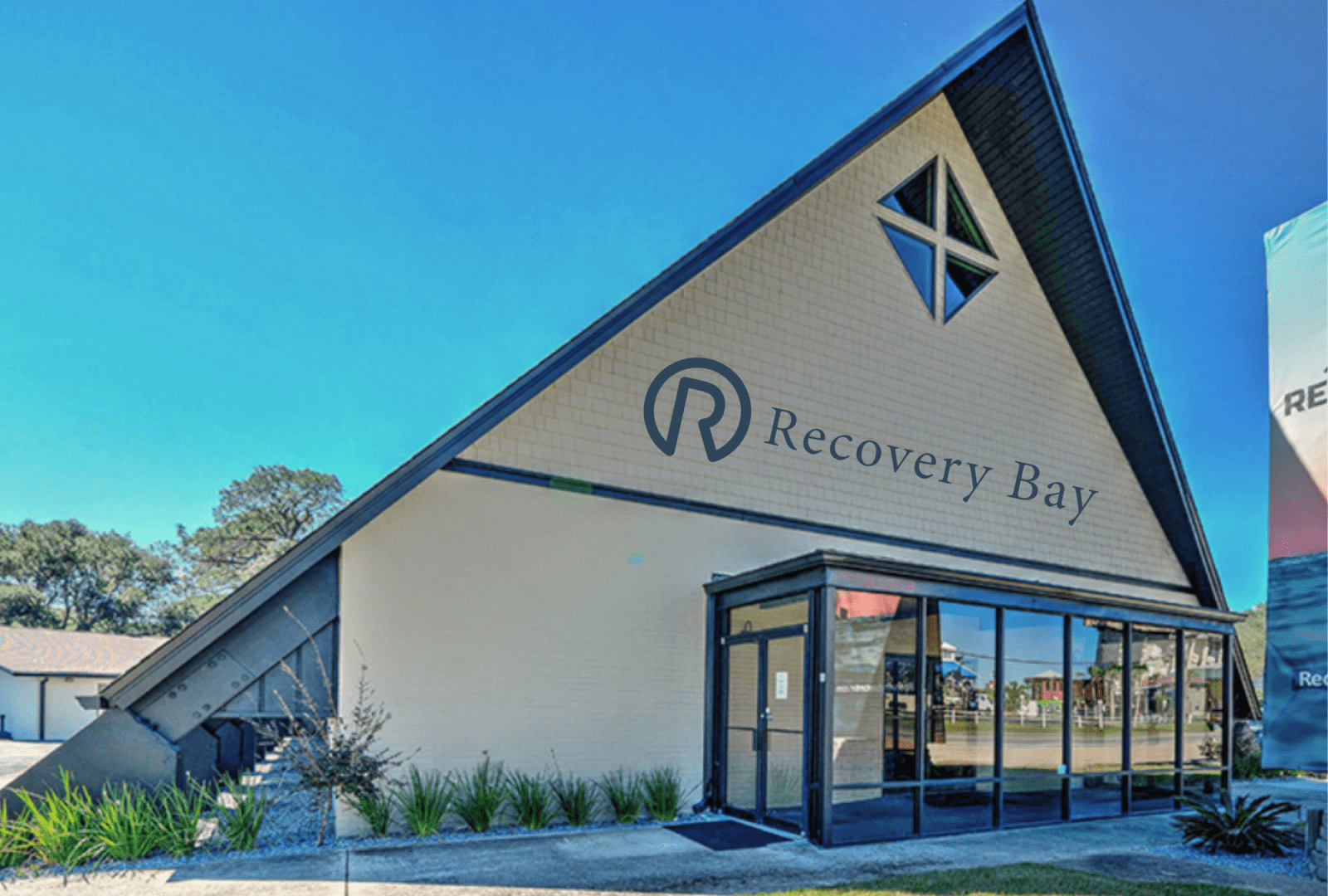

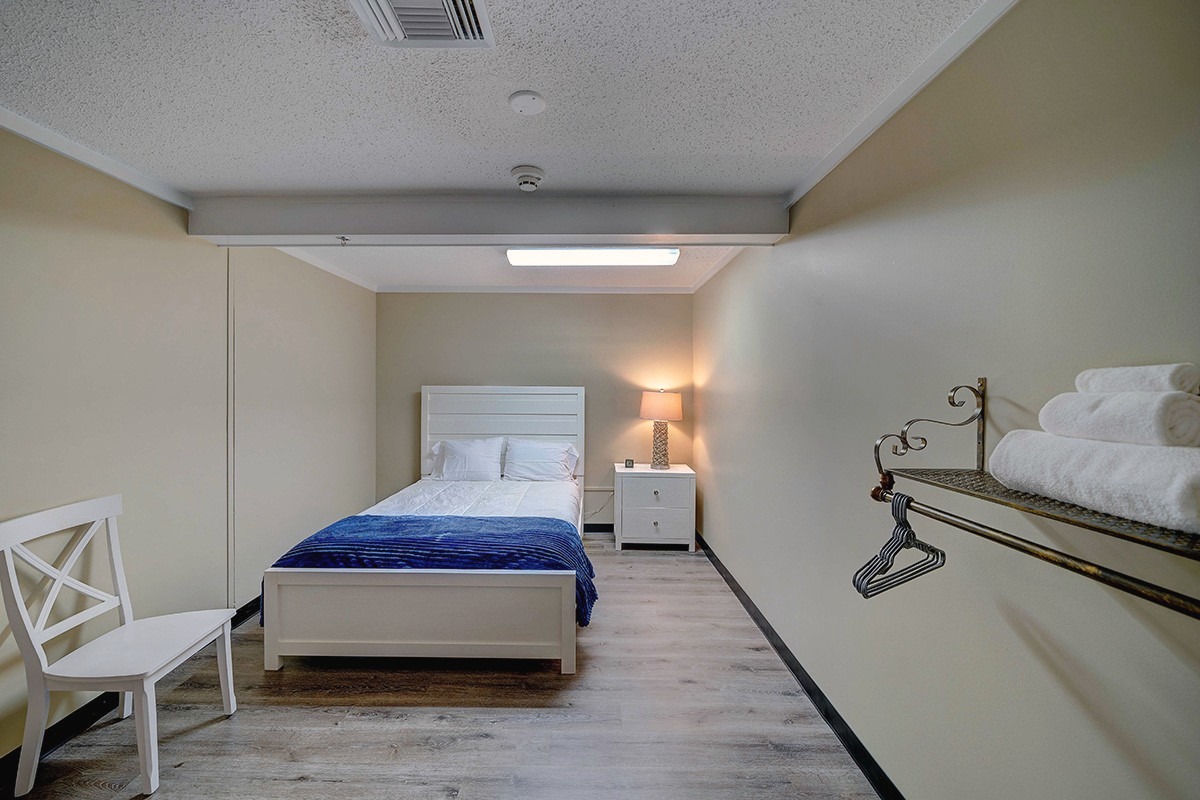
Recovery Bay Center 3 photos

Comparison facts and sources
Men's residential addiction program in Panama City Beach with on-site medically supervised detox and co-occurring-condition care. · 9721 Thomas Drive, Panama City Beach, Florida 32408; admissions 833-991-2955. The provider also formats its mailing city as Panama City.
- Published fee information
- Quote required
- Before admission
- Current site templates contain inconsistent place wording and placeholder bed-count text; no capacity or address rewrite was guessed. Detailed taxonomy, social/map destinations, exact fees, taxes and individual coverage remain unverified.
- Continuing care
- Alumni and discharge planning provide ongoing peer connection, recovery resources and individualized aftercare support beyond the residential program.
Source record · October 17, 2026
Scoped current official-source program, duration, aftercare and payer review; other fields and individual costs remain unverified.
Luxury rehab comparison · Fees and inclusions · Selection methodology
Recovery Bay Center is a residential addiction-treatment program for men at 9721 Thomas Drive in Panama City Beach, Florida. It treats substance use and co-occurring mental health conditions.
The provider lists on-site medical detoxification, inpatient residential care, medication-assisted treatment, dual-diagnosis and mental health services. Its current site describes a 22-bed men’s program with a 45- to 60-day residential stay, individualized to clinical need.
Recovery Bay publishes 833-991-2955 for admissions and accepts insurance subject to verification. Aftercare planning, alumni support, relapse-prevention work and recovery-group connections continue support after discharge. Coverage and costs must be confirmed for the individual program; no standard weekly rate is published.
A residential program designed for men
Recovery Bay’s men’s treatment page describes a forty-five-to-sixty-day residential program in Panama City Beach. Individual therapy, groups, mental health support, and activities are organized within a community of men receiving care. That identifies the program’s intended setting and audience; it does not mean that every man needs residential treatment or will benefit from an identical schedule.
The initial assessment should connect this model with the person’s reasons for seeking help. Discuss whether living away from home is clinically appropriate, how the shared environment fits personal preferences, and what responsibilities need to be arranged before admission. Someone comparing a men-only program with a mixed community may also want to ask about group composition and how sensitive topics are handled. The published duration is useful for preliminary planning, while the actual course, any extension, and readiness to leave should be reviewed with the treating team.
Clarify the withdrawal phase within the longer program
The detox information describes medically supervised withdrawal and nursing support as part of Recovery Bay’s services. It connects withdrawal care with a longer residential program, but the forty-five-to-sixty-day figure describes that broader treatment course. It should not be interpreted as the expected duration of detox itself or a reason that every admission must follow the same medical sequence.
Explain current substance use, previous withdrawal experiences, prescribed medicines, and other health concerns before travel. The clinical assessment determines whether withdrawal management is needed and whether this setting can provide it. Ask who monitors symptoms, how prescribing decisions are made, and what happens if a complication requires hospital care. Do not use a program’s general description to decide when to stop alcohol, drugs, or a prescription without clinical advice. When stabilization is complete, agree how the focus moves toward ongoing therapy and support rather than treating withdrawal completion as the end of treatment.
Accommodation and clinical contact are separate comparison points
The inpatient program page describes private and semi-private rooms, meals prepared by kitchen staff, scheduled therapy, restorative activities, and breaks. Its mental health page identifies a twenty-two-bed men’s center for adults eighteen and older. A published bed capacity does not indicate how many people are currently present or guarantee a particular room type.
Ask which room is being offered, whether a change may occur during the stay, and what accommodation or dietary adjustments can be made. Separately, request the proposed frequency of individual therapy and medical reviews. Time in a comfortable room, an exercise activity, and a clinician-led appointment serve different purposes and should not be added together as interchangeable therapy hours. If a health condition affects participation, discuss a realistic daily schedule. The setting may make a stay more manageable, while treatment suitability still depends on the available clinical care and the person’s assessed needs.
Review co-occurring conditions as part of one clinical plan
Recovery Bay’s dual-diagnosis program describes support for addiction occurring alongside mental health concerns such as depression, anxiety, bipolar symptoms, or trauma. The page lists a wider range of conditions and difficulties. Those examples should prompt a specific assessment rather than be read as acceptance of every psychiatric presentation or every level of risk.
Explain whether there is an established diagnosis, what treatment has already been tried, and which symptoms currently cause the greatest difficulty. Ask how psychiatric and substance-use work are coordinated, including the role of existing outside clinicians. The plan should identify who reviews medication and how changes in symptoms are assessed. For example, a new sleep problem or marked change in mood needs a clinical discussion, not an automatic assumption about its cause. Clarify the boundaries of residential care and the arrangements for another specialist or hospital assessment when a person’s needs exceed them.
Individual sessions should connect treatment with personal goals
The individual therapy description discusses one-to-one work and approaches including cognitive behavioral and dialectical behavior therapy. It focuses on thoughts, emotions, coping responses, and relationships. Naming these approaches explains part of the therapeutic menu; it does not establish a fixed number of appointments or confirm that every participant receives a complete specialist protocol.
Use the initial treatment discussion to identify a few concrete priorities. These could involve understanding a pattern of use after conflict, responding to cravings, or rebuilding a routine disrupted by substance use. Ask how the therapist will review those goals and coordinate them with group sessions. Private appointments can also provide space for issues that are difficult to discuss in a shared setting. If a particular therapy is important to your decision, request the clinician’s relevant experience, how the method is delivered, and what alternatives can be considered if it does not fit.
EMDR is an assessed option rather than a promised shortcut
Recovery Bay identifies EMDR as one of its therapy options. Its page describes a phased approach to working with distressing memories and places it alongside other addiction and mental health care. Availability does not mean that every person needs memory-focused treatment or that it should begin immediately after admission.
Discuss the problem that the proposed therapy is intended to address, the clinician’s training, and how readiness is assessed. The conversation should cover preparation, ways to manage distress, and how to pause or reconsider the approach. Someone can ask these questions without giving a detailed account of a traumatic event to an admissions representative. It is also useful to understand how sessions fit with medication reviews, sleep, group work, and the rest of the residential timetable. The relevant comparison is the appropriateness and delivery of the therapy, not a promise that it will work faster than every alternative or resolve all difficulties within one stay.
Medication decisions need a plan beyond discharge
The medication-assisted treatment page describes medication and counseling within Recovery Bay’s services, including Suboxone when clinically appropriate. Medication selection, monitoring, and duration depend on assessment. A medication discussed on a website is not a recommendation for a particular person, and the end of a residential stay does not automatically determine when prescribed treatment should end.
Tell the medical team about existing prescriptions, past responses, side effects, and the clinicians currently involved. Ask how medication reviews are scheduled and which arrangements will continue after leaving Florida. The discharge plan should identify a prescriber, pharmacy, follow-up appointment, and a way to resolve a delay or coverage problem. These details are particularly relevant when returning to another state. Do not stop, taper, or substitute a prescribed medicine to fit a travel date without clinical advice. Continuity should be discussed as part of treatment planning rather than left until the final day.
Family work should follow a clear purpose and agreed boundaries
Recovery Bay’s family therapy page describes communication work, education, and planning for support at home. It presents family involvement as something introduced when the person is sufficiently stable, alongside individual and group care. The appropriate timing and participants can differ between families, particularly when relationships involve conflict, distance, or safety concerns.
Agree who may take part and what information can be shared. A session might focus on responding to warning signs, discussing practical responsibilities, or establishing boundaries around money and accommodation. Those aims are different from asking relatives to monitor every aspect of someone’s life or make treatment decisions on their behalf. Clarify whether remote participation is available and whether sessions have additional charges. Family members may also need their own support. A useful plan recognizes those separate needs and does not assume that every relationship will be repaired, or should resume the same form, during one residential admission.
Life skills work can prepare for specific problems at home
The life skills program describes communication, organization, budgeting, stress management, and support around work or training. Recovery Bay links these activities with the practical demands of life after treatment. They are most informative when connected to the person’s actual circumstances rather than treated as a standard checklist that everyone needs to complete.
Identify the tasks that are likely to become difficult after discharge. Someone returning to shift work may need a plan for sleep and appointments; another person may need help organizing bills, transport, or an employment search. Ask which activities are taught directly, which involve practice, and which require a referral to an outside service. Career support is not a promise of a job, and budgeting guidance does not resolve every financial problem. The value of this part of care lies in making the transition plan concrete enough to use in the environment the person is returning to.
Alumni support is one part of continuing care
Recovery Bay’s alumni information describes ongoing connection with peers and access to recovery resources after treatment. It also discusses planning for situations at home, at work, or in relationships that may be difficult after leaving the residential setting. The published description does not define one guaranteed meeting schedule or an unlimited entitlement to individual therapy.
Before discharge, clarify how to join, which activities are currently available, and how someone living outside the area can participate. Then list the professional care that remains necessary, including therapy and prescribing appointments, separately from alumni contact. Ask who will arrange each service and what happens if an appointment cannot be obtained promptly. A setback should have an agreed route to reassessment rather than depend entirely on a peer group. Combining several forms of support makes the plan more practical, while keeping the responsibilities and limits of each service understandable.
Admission screening and preparation for arrival
The admissions page describes medical and mental health screening to inform a personalized plan. Its packing guidance includes suitable clothing, identification, insurance information, a medication list, reading materials, and contact details for people who may be included in an authorized communication list. Packing recommendations are preparations for a stay, not confirmation that every item or activity will be appropriate for every admission.
Discuss prescriptions, allergies, mobility needs, dietary requirements, and any essential communication arrangements before arrival. Ask which medicines should be brought and how they are stored and supplied during treatment; the clinical team should give those instructions. Financial planning also needs a specific explanation of benefits, authorization, and personal charges for the proposed care. A general statement that insurance is accepted does not establish the amount a particular plan will pay. Confirm clinical acceptance and the practical arrival arrangements before making nonrefundable travel plans.
Official provider information reviewed October 19, 2026. Program descriptions do not guarantee admission, a room type, insurance payment, or a clinical result.
Sources
Sources checked October 17, 2026.