Raleigh Oaks Behavioral Health


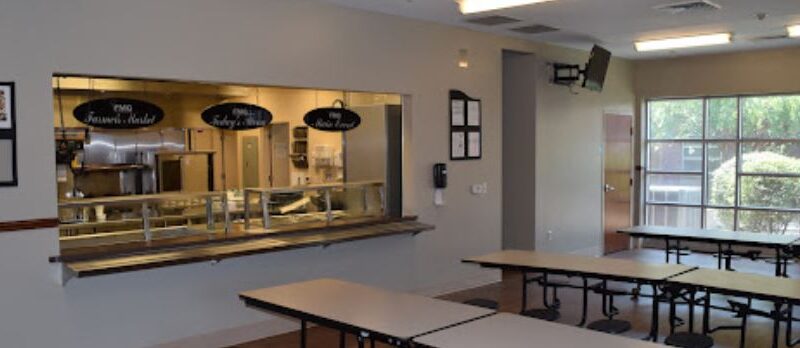
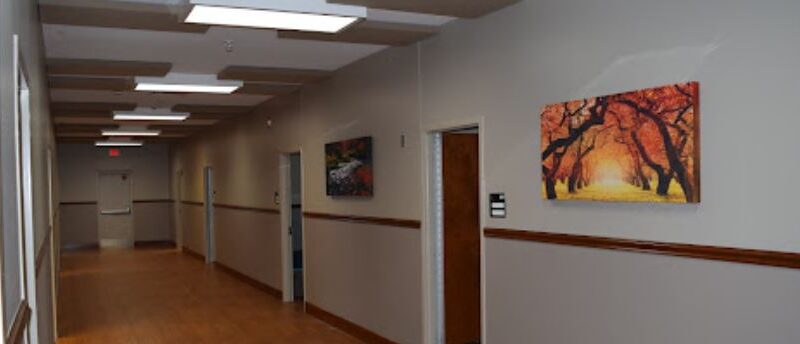
Raleigh Oaks Behavioral Health 3 photos

Comparison facts and sources
Acute inpatient psychiatric care and a separate structured outpatient programme. Eligibility and treatment intensity depend on assessment. · Garner, North Carolina acute psychiatric hospital; 24/7 assessment line 888-603-0020.
- Published fee information
- Quote required
- Before admission
- Adolescent references appear in some service pages without clear age criteria, while detailed population pages describe adults and seniors. Confirm the receiving unit and current age eligibility. Outpatient schedules and typical stays are not guarantees of individual duration or coverage.
- Continuing care
- Discharge planning schedules community follow-up and sends a discharge summary and medication plan. The hospital says it does not continue following patients after discharge.
Source record · October 19, 2026
Official age-scope and adult outpatient descriptions reviewed October 19, 2026. Adolescent availability remains a direct-confirmation question; current clinical suitability and financial terms are individual..
Luxury rehab comparison · Fees and inclusions · Selection methodology
Raleigh Oaks Behavioral Health is an acute psychiatric hospital in Garner, North Carolina.
It provides short-term inpatient psychiatric care for acute behavioral-health needs. Dedicated population pages describe adults and older adults; some service pages also mention adolescents without clear age criteria, so confirm current adolescent availability directly. The separate intensive outpatient program is described for adults. Substance-use concerns may be addressed alongside psychiatric treatment, but this is not a general residential addiction-rehab profile.
The hospital publishes (888) 603-0020 for 24/7 assessments. It says acute inpatient stays are usually 9–15 days and outpatient programs typically run 2–6 weeks, subject to individual need. Medicare, Medicaid, TRICARE and most commercial plans are accepted, and discharge planning includes community follow-up care.
Confirm the appropriate age group and program before admission
The Raleigh Oaks service overview describes acute psychiatric assessment and treatment in Garner. Its dedicated population pages cover adults and seniors, while some service descriptions also refer to adolescents. Those adolescent references do not provide a clear current age range or a separate, detailed program description.
A family seeking care for a minor should therefore ask whether an adolescent service is currently available, what ages it accepts, and which unit would receive the young person. Adult outpatient information should not be used as a substitute for that answer. For any age group, explain the immediate concern and ask the clinical team to identify the recommended level of care. The hospital describes referrals to providers near home for people who have traveled for treatment. That makes the receiving program and the plan after discharge important parts of the decision. A broad list of conditions does not establish eligibility for every person with one of those diagnoses.
Inpatient treatment focuses on acute psychiatric needs
The inpatient-care page describes assessment and diagnosis during a crisis, followed by treatment from a psychiatrist-led clinical team. Medication is used when appropriate, and the stated goal is to move toward less intensive care as the person’s condition improves. Therapeutic groups, education, and coordination with outside services are identified components.
This is a hospital-based treatment model, so the central comparison is the support required for the current psychiatric situation. Ask what the initial treatment goals are, how progress is reviewed, and which needs require a different setting. Clarify the balance of individual appointments, group activities, medication review, and discharge planning for the receiving unit. The existence of psychiatric care alongside substance use concerns should not be interpreted as a universal drug-detoxification service or a fixed long-term residential package. People already working with a therapist or prescriber can help the team understand prior treatment and current concerns, with appropriate consent. The inpatient plan should connect immediate stabilization with the next clinical service.
The adult IOP has an evening schedule
The outpatient-care page identifies an adult intensive outpatient program meeting Monday, Tuesday, Thursday, and Friday from 5:30 to 8:30 p.m. Participants live at home and attend structured treatment in the evening. The page describes group work, continuing clinical oversight, and support for psychiatric and substance use concerns.
Confirm the current timetable and eligibility before organizing work, transport, or caregiving around it. IOP can be considered after inpatient treatment or through an initial assessment and referral; completing a hospital stay is not described as a prerequisite for every participant. The page uses both day-treatment and evening-program language, so the published session times are more useful than the label alone. It also mentions PHP comparatively without setting out a full current PHP timetable. Ask separately about any proposed full-day service. A person who cannot remain safe or manage current needs between sessions needs a clinical assessment of the appropriate setting, rather than choosing IOP solely because the hours are convenient.
Adult care is short-term and based on current functioning
The adult service description focuses on people experiencing severe psychiatric symptoms or emotional distress. It describes 24-hour care from a multidisciplinary team and a combination of medication management, individual and group therapy, and other support. Stays are described broadly as a few days to a few weeks, depending on individual needs.
Explain how symptoms are affecting daily activities, relationships, self-care, and safety. That information helps the team assess the current situation alongside diagnosis and treatment history. Ask which changes would indicate readiness for a less intensive service and what support will be needed outside the hospital. A discharge decision should be connected to a workable plan rather than treated as the end of all care. The provider discusses risks of harm and inability to function among reasons for acute treatment. If there is immediate danger, seek emergency help rather than waiting for a routine online response. The profile is a way to understand a potential service, not an assessment of an individual’s current safety.
Older-adult care considers changes from the person’s usual baseline
The senior program describes acute psychiatric care for aging adults, including people with co-occurring substance use concerns. Its admission discussion considers deterioration in daily functioning, risks of self-injury, and the potential to benefit from psychiatric intervention. It also identifies major changes in mood or behavior as reasons to seek assessment.
For a referral, describe what has changed from the person’s usual functioning and provide relevant medical and medication information. Ask how mobility, communication, sensory needs, and assistance with daily activities would be managed on the proposed unit. A psychiatric program should not be assumed to provide every service available in a medical hospital, nursing facility, or long-term memory-care setting. Clarify the appropriate receiving environment with the treating team. Relatives and caregivers may have useful observations, while the patient’s preferences and communication needs still matter. Planning should also consider where the person will live after discharge and which community professionals will take responsibility for ongoing care.
Co-occurring substance use is addressed within the psychiatric plan
The dual-diagnosis page describes coordinated treatment for a mental health disorder and a substance use disorder. Raleigh Oaks says its approach addresses both concerns in a therapeutic setting managed by psychiatrists. It identifies coping, problem-solving, emotional regulation, and daily functioning among treatment goals.
Tell the clinical team about alcohol and other substance use, current prescriptions, previous withdrawal experiences, and existing psychiatric treatment. This helps clarify the needs that can be addressed at Raleigh Oaks and any services that must be arranged elsewhere. The presence of both concerns does not establish that one caused the other or that every patient needs the same treatment sequence. Ask who will coordinate medication decisions and how ongoing substance use treatment connects with psychiatric follow-up. Any proposed withdrawal-management arrangements should be confirmed specifically; a dual-diagnosis label alone does not describe the hospital’s capability for every medical risk. A useful plan names the responsibilities of the hospital and the clinicians who will continue care afterward.
The assessment and packing process should be clarified in advance
The assessment and admissions instructions describe a clinical interview covering medical and mental health history. Patients, relatives, friends, or professionals can contact the hospital, which says assistance is available around the clock. The requested information includes identification, insurance details, medication information, and relevant previous evaluations.
Ask which documents are needed for the specific referral and how to share them securely. Supporters may participate in the assessment, but their role and access to information should be discussed with the patient and team. The hospital restricts personal electronics and several clothing and grooming items on inpatient units. Obtain the current packing list and explain any accessibility or medical needs that affect belongings. Different public pages give different clothing quantities, so the receiving unit’s current instructions are the appropriate practical guide. Keep an accurate medication list available and ask how prescriptions should be brought and reviewed. A planned admission should include arrival instructions and a contact for unresolved questions.
Discharge planning transfers care to community providers
The hospital FAQ says inpatient stays are usually nine to fifteen days, while structured outpatient treatment commonly lasts two to six weeks; either may vary. It explains that discharge planning schedules community follow-up and sends the receiving provider a discharge summary, treatment plan, and medication information. The hospital states that its team does not continue following the patient after discharge.
That distinction makes a concrete handover essential. Confirm the next provider, appointment date, prescription arrangements, and who to contact if problems arise before the first visit. A referral list alone should not be mistaken for an appointment that is already arranged. People returning to another town should check that the proposed services are accessible there. Family participation, where appropriate and authorized, can help make transport and everyday support workable. Hospital staff may answer transition questions, but that assistance is different from remaining the ongoing treating team. Keep the outpatient treatment plan visible alongside any informal family or community support.
Published hospital charges are different from a personal estimate
The price-transparency page, dated June 1, 2026, provides a standard-charge file and a tool for estimating shoppable services. Raleigh Oaks explains that posted charges do not necessarily equal the amount negotiated with an insurer or the patient’s final responsibility. It directs insured patients to consider their own plan’s deductibles and cost sharing.
Use these resources to ask focused questions about the recommended service. Establish which hospital and professional charges are included, what authorization is required, and how an estimate changes if the course of care changes. A typical stay length does not produce a reliable total price without the applicable services and payment terms. Someone comparing inpatient treatment with IOP should obtain information for each service rather than extrapolate from a single daily figure. Keep the provider’s estimate and the insurer’s coverage determination distinct. The public resources are a starting point for an individual financial discussion, not a universal bundled price for psychiatric treatment.
Payment assistance requires an individual discussion
The patient-financing page states that Raleigh Oaks accepts most private insurance, Medicare, and Medicaid. It also says payment plans are offered and financial assistance may be available. Those statements describe routes to discuss with the hospital, without establishing that every applicant or program qualifies.
Ask the financial team to review the actual policy, proposed care level, and any authorization requirements. If assistance is needed, request the eligibility criteria, application process, and written terms. Clarify which charges remain payable and whether a plan applies to all services or only particular bills. A general acceptance statement should not be treated as confirmation of network status or full coverage for a specific admission. The timing of benefit review and the timing of a clinical assessment may also differ. Keeping those decisions clear helps patients and supporters understand what has been confirmed, what remains under review, and whom to contact about each question.
Professional referrals should clarify stabilization requirements
The professional-referral page describes a primary mental health program for people with or without a substance use issue. It accepts referrals from community clinicians, hospitals, and other professionals. The page also says clients must be stable before admission, without defining that requirement for every receiving service.
A referring clinician should clarify which stabilization requirements apply to the proposed unit and how the transfer will be assessed. This is particularly important because the hospital’s inpatient descriptions also address acute psychiatric crises. The referring and receiving teams should agree on current risks, medical needs, treatment already provided, and the appropriate next setting. An around-the-clock referral line is not a guarantee that every transfer is accepted. Confirm the receiving clinician or admissions contact, required records, and arrival arrangements. If the recommended care is elsewhere, ask for a suitable alternative. Clear communication helps prevent a patient being sent to a setting that cannot meet the immediate need.
Leadership information helps identify the right questions about care
The published team directory identifies separate nursing, clinical-service, admissions, and outpatient leadership. It lists Lee Crafton as chief nursing officer, Jamila Turner Little as director of clinical services, and Trista Sturrup as director of outpatient services. These are provider-published organizational roles, not a promise that those individuals personally treat every patient.
Ask who will be responsible for the individual’s psychiatric treatment, nursing care, therapy, and discharge coordination. For IOP, clarify how medication appointments and communication with an outside prescriber fit into the program. The practical question is the assigned team’s availability and responsibilities, rather than the number of leadership names on a website. If a concern arises during care, the patient should know how to raise it and which role can address it. Confirming those arrangements supports informed participation without assuming a staff directory establishes a particular staffing ratio or appointment frequency.
Official Raleigh Oaks information reviewed October 19, 2026. Confirm current age eligibility, the receiving program, admission criteria, schedules, community follow-up, and individual financial terms.
Official sources
Sources checked October 18, 2026.