Rainier Springs


Rainier Springs 3 photos
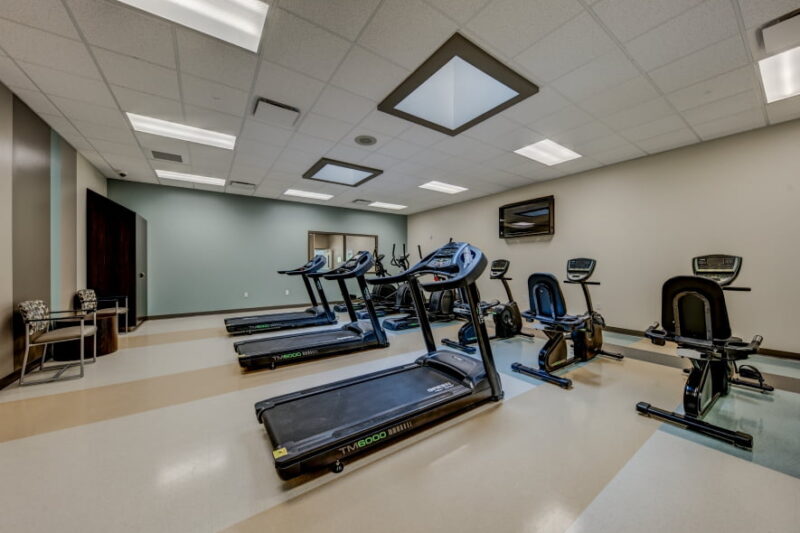
Rainier Springs is a behavioral-health hospital at 2805 NE 129th Street in Vancouver, Washington. It provides inpatient and outpatient mental-health and substance-use treatment for adults and seniors, with 24-hour walk-in access.
Current programs include inpatient mental-health and addiction treatment, partial hospitalization, intensive outpatient care and medically supervised detoxification where clinically appropriate. Placement and duration follow an individual assessment and treatment plan.
The hospital describes discharge planning, outpatient transitions and alumni support after treatment. It is in network with many major insurers and may work with others out of network; benefits, eligibility, patient cost and program duration require confirmation.
A Vancouver hospital serving adults and seniors
Rainier Springs’ location page identifies a behavioral health hospital at 2805 NE 129th Street, Vancouver, Washington 98686. It describes treatment for adults and seniors, including inpatient mental health and addiction care, PHP, IOP, and detox. The published telephone number is (360) 356-1890, and walk-ins are accepted around the clock.
That continuous assessment access does not establish immediate admission to a particular bed or an unrestricted choice of programs. Confirm the receiving service, medical suitability, and arrival instructions. The hospital location page is also important for geographic clarity: this is Vancouver in Washington, not Vancouver in British Columbia. Outpatient attendance and an inpatient hospital stay involve different transport, accommodation, and financial arrangements, even when they are coordinated through the same hospital.
Emergency psychiatric assessment has a medical safety boundary
The emergency-services page describes care for adults eighteen and older experiencing a mental health or substance use crisis. It directs medical emergencies, including a drug or medication overdose, to 911. On arrival for psychiatric assessment, staff check vital signs and gather identification and clinical information.
If that screening indicates a medical condition requiring treatment, the page describes transfer to a local emergency department before further mental health assessment. Rainier Springs should therefore not be treated as a substitute for every kind of emergency hospital service. The assessment considers physical, mental, social, and emotional history; a patient may request help from an accompanying relative or friend. The emergency mental health explanation says the medical and clinical team then recommends an appropriate plan. A crisis may lead to immediate care, but the actual service depends on assessment rather than a guarantee made through a general website inquiry.
Inpatient mental health care is organized around assessed need
The inpatient mental health page describes psychiatric and physical evaluation, with attention to safety, stability, and difficulty functioning. A team of doctors, nurses, therapists, and other professionals develops a personal plan. Group therapy is central; individual sessions are described as provided when needed, and meetings with a psychiatrist occur regularly.
The same page describes semiprivate rooms with bathrooms, communal and recreational spaces, and three meals prepared on site. Those are hospital accommodations, not a promise of exclusive residential occupancy or continuous private therapy. Discuss dietary, mobility, communication, and sensory needs during assessment rather than assuming every arrangement is immediately available. The inpatient mental health overview says discharge planning begins on the first day and may lead to outpatient care. The useful questions are what stabilization goals must be met, who decides on discharge, and how continuing treatment will be connected.
Inpatient substance use treatment can address co-occurring symptoms
The inpatient addiction page describes assessment, withdrawal management when needed, and continued therapy. It also identifies acute stabilization for concerns such as suicidal symptoms or hallucinations. The actual plan is developed with the treatment team, rather than assuming that every substance use presentation requires the same sequence.
Therapy may begin during detox as the person’s condition permits, then continue through group work, education, family meetings, and other activities. The page describes co-occurring treatment when a mental health condition is also present. Ask how previous diagnoses, current prescriptions, recent substance use, and past treatment will be reviewed together. The inpatient substance use description gives no fixed stay for every patient. Continued inpatient care, an outpatient transition, or another referral should follow the clinical recommendation and an agreed discharge plan, with insurance authorization considered separately from the treatment team’s assessment.
Detox duration and medication are individual decisions
The detox page describes inpatient admission, medical monitoring, assessment of withdrawal response, and medication when appropriate. It says duration varies and gives up to ten days as a possible period for alcohol or benzodiazepine withdrawal. That example is not a universal maximum or a personal tapering schedule.
Discuss the substances involved, existing prescriptions, previous withdrawal complications, and other medical conditions with the assessing clinician. A general description of medication support does not establish that a particular drug will be prescribed or that ongoing medication should be stopped. The detox program explanation also describes participation in therapy after stabilization and possible outpatient referral after inpatient treatment. Withdrawal management addresses one part of the need; the admission discussion should identify how further treatment, prescribing continuity, and follow-up will be arranged rather than treating detox completion as the end of care.
PHP uses a structured group-based model
The dedicated PHP page describes treatment for people eighteen and older who no longer need continuous medical or safety monitoring, or whose initial assessment supports this level of care. Its foundation is psychotherapy in small, age-appropriate groups, with topics such as coping, emotional regulation, grief, relationships, triggers, and relapse prevention.
Individual and family counseling may be recommended, and licensed medical providers oversee medication management when needed. This differs from promising a private appointment every treatment day. The page describes approximately two to four weeks of daily groups, followed by reassessment and possible IOP or community care. Ask which attendance days and hours apply to the actual program and how evenings will be supported. The PHP program page provides the care model; a written timetable should resolve how that model fits with transport, work, home responsibilities, and any separate accommodation.
IOP is more than a single weekly counseling appointment
The dedicated IOP page describes structured psychotherapy for adults eighteen and older who need more support than individual outpatient counseling alone. It can also follow stabilization, detox, PHP, or residential care. Groups address coping with a diagnosis, warning signs, communication, problem-solving, emotions, and relapse prevention.
The page gives approximately four to six weeks and uses daily-group language, while other program descriptions give specific attendance ranges. Confirm the assigned weekly timetable rather than interpreting daily as seven days a week. Individual or family counseling and medication support are available when clinically recommended; they are not described as identical for everyone. The IOP explanation also says the team arranges follow-up with community providers after completion. Establish the receiving clinician, appointment dates, and responsibility for prescriptions so that a reduction in scheduled hours does not leave an unintended gap.
Substance use outpatient schedules need their own confirmation
The substance use outpatient page gives concrete scheduling examples: PHP generally involves up to six hours a day on five days a week, while IOP generally meets three to five days for three-hour sessions. It describes overall outpatient courses lasting about one to three months, adjusted to individual circumstances.
These estimates answer different questions from the dedicated IOP page’s four-to-six-week group description. Ask which track, total duration, and attendance schedule are actually being proposed. Outpatient care involves living outside the hospital and is presented for people who do not need inpatient monitoring or crisis stabilization. The outpatient addiction overview discusses home support and prior detox when needed, but its general suitability examples should not be treated as an automatic rejection rule after a previous relapse. A clinician should assess current needs and explain the plan for medication, group work, and escalation if more support becomes necessary.
Prepare for the hospital routine and discharge discussion
The preparation guide asks patients to bring current medications, including over-the-counter products and inhalers, along with a small clothing supply and necessary personal items. Clothing with strings or ties and certain toiletries are restricted. Some permitted electrical or personal items are stored and issued during supervised periods.
Request the current packing instructions and discuss essential devices or accessibility needs before arrival. Bringing a medication for review does not mean taking or changing it without the hospital team’s direction. The guide distinguishes the psychiatrist or psychiatric nurse practitioner, staff nurse, patient care assistant, activity therapist, and therapist or social worker. These roles should not be combined into an assumed therapist-to-patient ratio. The what-to-expect guide also describes a meeting to review discharge, medication questions, and follow-up. Use that meeting to confirm practical arrangements and whom to contact if the plan cannot be followed.
Insurance and price information describe different liabilities
The insurance page lists commercial and public arrangements, including Medicare, Medicare Advantage, TRICARE West, and VA CCN. Molina Healthcare is specifically labeled inpatient only. Those details should not be replaced by a blanket statement that every listed insurer covers every hospital and outpatient program.
Verify the exact policy, service, authorization, deductible, and other personal charges. Rainier Springs offers discussion with a financial counselor and its Business Office. Its published price information is described as an estimate for specified services and can exclude independent practitioners or complicating factors; it is not a personal bundled quote. The insurance and payment page also provides information about billing protections and a route for questions. Ask for a written explanation that matches the proposed program and expected separate bills. Neither an insurer’s name on the list nor an advertised charge establishes the final amount the patient will owe.
Use the specific visitor schedule and authorization rules
The dedicated visiting page currently lists on-site visits on Wednesdays and Fridays from 3–4 p.m., with arrival by 2:45 p.m. It permits up to two visitors per visitation day, age twelve or older, subject to the patient’s authorization and the care team’s arrangements. Visitors need the patient ID number, must check in, and are escorted by staff.
This detailed schedule differs from the general inpatient page’s broad description of daily family visitation. Confirm the current unit’s arrangements directly before traveling. The visiting requirements also list unit contacts for virtual visits and explain that belongings are checked before reaching a patient. A relative’s wish to help does not automatically grant access to clinical information. The patient can allow or deny information sharing, and the practical visiting plan should respect that choice as well as the hospital’s current rules.
Alumni support is a continuing connection
The alumni page describes a support group for people who have completed treatment and are returning to everyday life. Its purpose is to connect former patients who can share experiences, encouragement, and practical challenges during recovery.
This is a different resource from prescribed psychotherapy, medication management, or continuous crisis monitoring. Ask for the current meeting format, schedule, eligibility, and contact person, particularly if you live outside the Vancouver area. The page does not publish those operational details or establish that every meeting can be joined remotely. The alumni support description explains the intended peer connection. It can complement the discharge plan, while ongoing clinical appointments and a route for reassessment still need their own named providers and arrangements. Statements from former patients about friendship should not be interpreted as measured treatment outcomes or a guarantee of recovery.
Official sources
Sources checked October 13, 2026.