Providence Projects

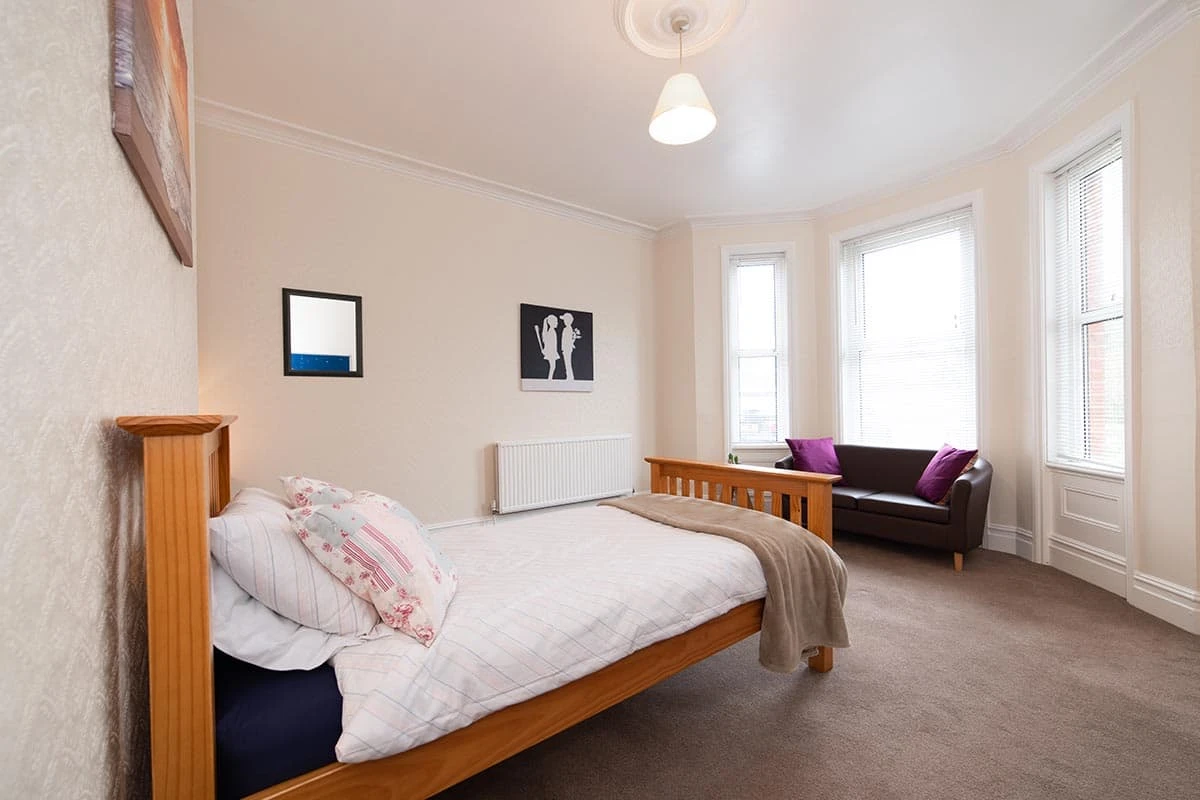

Providence Projects 3 photos

Comparison facts and sources
A 44-bed private residential addiction-treatment center within the UKAT group, providing detox where indicated, primary residential treatment, secondary care, sober-living options and ongoing support. · Providence House, 17 Carysfort Road, Boscombe, Bournemouth, Dorset BH1 4EJ, United Kingdom.
- Published fee information
- Quote required
- Before admission
- This review verified the residential pathway, published stage-specific durations, current price conflicts and regulator contact record. It did not select one price where provider-owned pages disagree or infer insurance coverage.
- Continuing care
- A personalized aftercare plan may include relapse-prevention preparation, sober-living options, ongoing counseling and access to the UKAT alumni community.
Source record · October 16, 2026
Provider-published pathway, duration, price, inclusion, aftercare and contact guidance plus the CQC provider record checked October 16, 2026 Duration, stage-specific price differences and food-inclusion conflict rechecked October 18, 2026; unrelated historic review details remain as recorded.. The Care Quality Commission lists The Providence Projects Rehab Group Limited at Providence House, 17 Carysfort Road. Specific registered accommodation locations may differ from the group contact address.
- Official provider overview
- Official admissions, duration and payment page
- Official primary-treatment page
- Official secondary-treatment page
- Official drug-treatment, inclusion and price page
- Official UKAT center page
- Care Quality Commission provider contact record
- Current stage-specific starting prices and duration examples, checked October 18, 2026
- Current accommodation and food-responsibility description, checked October 18, 2026
Luxury rehab comparison · Fees and inclusions · Selection methodology
Provider overview
Providence Projects is a 44-bed private residential addiction-treatment center in Bournemouth, Dorset and part of the UKAT group. Its pathway covers medically supervised detox where needed, primary residential treatment, extended secondary treatment, sober-living options and ongoing recovery support for alcohol, drug and behavioral addictions.
Primary treatment combines assessment, individualized detox where clinically indicated, individual and group counseling, CBT and other therapies, relapse-prevention work and family involvement. The cost page offers a 14-day option when recommended and describes 28 days as common, with longer stays available; confirm the stage and duration through assessment. Secondary care follows at least four weeks of primary treatment and may continue for four to 12 weeks. These are stage-specific pathways, not one universal stay.
Current provider pricing needs written confirmation. The cost page lists £4,850 for 14 days and a separate 28-day example from £6,950, while the drug-treatment FAQ says 28-day care starts at £8,200. Secondary-treatment cards show £1,750 per week, but the secondary-care FAQ says £1,400. Request a dated quotation identifying the stage, duration, room, payment dates, taxes, inclusions, exclusions, and any insurer or employer contribution.
The drug-treatment page says accommodation, meals, therapy and aftercare are included, but the facilities page says clients arrange their own shopping and cooking. Confirm food provision and costs for the selected stage in writing. Aftercare includes a personalized plan, relapse-prevention preparation, sober-living options, ongoing counseling and access to the UKAT alumni community. The remaining balance is due on admission; major debit and credit cards and bank transfers are accepted.
Contact: 17 Carysfort Road, Boscombe, Bournemouth, Dorset BH1 4EJ; 020 3657 7473; info@providenceproject.org. The Care Quality Commission lists the same Carysfort Road provider address, while specific registered accommodation locations may differ.
Separate the telephone inquiry from clinical admission
The admissions description starts with a confidential telephone discussion about substance use or behavioral concerns, health history, and treatment goals. It then describes booking, arrival, medical assessment, and development of an individual plan. A conversation with the inquiry team is therefore the beginning of the process rather than confirmation that a particular level of medical care is appropriate.
Ask what clinical information is required before a place is reserved and who makes the final suitability decision. Discuss current medication, previous withdrawal difficulties, recent psychiatric care, and any accessibility requirements. Confirm the arrival address and whether the person will first stay in a different setting for assessment or stabilization. Before paying a deposit, request the reservation conditions and the procedure if the clinical recommendation changes. The provider’s offer of prompt admission still depends on assessment, availability, and a clear agreement about the services that will be supplied.
Understand what primary treatment is intended to provide
Providence’s primary treatment pathway describes the initial intensive phase, combining medical assessment and detox when needed with individual counseling, groups, and practical recovery work. This is the stage in which the team develops an initial plan and helps the person establish a structured routine. It should not be confused with routine primary care from a general medical practice.
Ask which professionals will supervise withdrawal, how nursing and medical support are arranged, and what circumstances would require hospital treatment. Once the person can participate, clarify the balance between individual sessions, groups, education, and activities. Request specific goals and review dates rather than assuming that completion is determined only by the number of days booked. The published pathway describes a foundation for later support, but the appropriate next step should follow assessment of the individual’s progress, home environment, preferences, and ongoing needs. Not every client necessarily requires every stage offered by the organization.
Evaluate secondary care as a distinct service
The secondary care page describes continued therapy with greater independence after an initial treatment phase. Accommodation is separate from the therapy facilities, and the provider describes clients taking responsibility for meals, cooking, and budgeting. This helps explain why a secondary-care week should not automatically be compared with a fully supported detox or primary residential week.
Ask what previous treatment is required, how readiness is assessed, and whether a referral from another center can be considered. Confirm the daily timetable, travel between housing and therapy, overnight support, and household rules. Discuss which services remain clinician-led and which practical tasks become the client’s responsibility. The page presents secondary care positively, but its suitability is an individual decision rather than a universal requirement. Request the expected review process and total weekly cost, including living expenses, so that the extra time in treatment has a defined clinical and practical purpose.
Clarify the housing and support offered during sober living
The sober-living pathway describes a supported transition toward greater independence, with dedicated housing where available or help connecting with local housing partners. It also discusses practical skills, recovery support, and referrals. “Where available” matters: a place in treatment should not be treated as an automatic reservation in a particular later residence.
Ask who operates the proposed housing, what agreement applies, and which support is included in the fee. Confirm occupancy, house rules, visitor arrangements, transport, and how clinical appointments will continue. The page mentions that some residents may access housing benefits; eligibility requires an individual decision and should not be assumed in a personal budget. Someone returning to another region may need a different local arrangement. A useful plan identifies where the person will live, who provides support, and how difficulties are reviewed, rather than relying on the broad idea that a sober environment guarantees continued recovery.
Use alumni membership alongside the appropriate clinical follow-up
The UKAT alumni description presents a continuing community available to graduates of Providence and other centers in the group, with social events and online contact. It states that membership is included rather than subject to an ongoing membership charge. Ask which current activities are accessible from the person’s home location and how to join after leaving treatment.
Distinguish community membership from individual therapy, prescribing, or a new residential admission. Those services may have separate assessment and financial requirements. The website discusses support after a return to substance use, but that should not be interpreted as an unconditional guarantee of immediate readmission or free additional treatment. Before discharge, identify the clinical appointments that remain part of the plan and how alumni connections fit around them. Someone who does not use the advertised social platforms can ask about other ways to receive information or attend events without sharing more personal detail online than they wish.
Compare prices only after matching stage and duration
The dedicated cost page mixes durations and starting figures. Compare a dated personal quotation for the same stage and number of nights. A short primary stay and a secondary-care week have different purposes and inclusions.
Confirm the room, clinical services, food, medication, transport, outside consultations, taxes, and extension rate. Ask any insurer to verify the exact provider and proposed course. Keep the quotation with the agreed clinical plan, including deposit, cancellation, and early departure terms.
Discuss the particular substance use presentation
The drug treatment page describes a sequence of assessment, withdrawal care where indicated, therapy, and continuing support. It discusses several substances and different withdrawal experiences. These examples should lead to a personal assessment rather than a prediction that everyone will have the same symptoms or complete detox on the same timetable.
Explain current use, prescribed medication, previous treatment, and any history of complications accurately to the clinical team. Ask whether the proposed setting can meet the identified medical needs and how monitoring or escalation is organized. Clarify what happens if the person needs longer stabilization before joining the standard therapy schedule. For someone already receiving an ongoing medication treatment, discuss continuity and the clinician responsible for decisions. The provider’s broad description of drug rehabilitation does not establish that every medical complexity can be managed in its houses or that a single approach fits all substances and co-occurring conditions.
Ask how the therapy menu becomes a coherent plan
The therapy overview lists psychological approaches, groups, recovery coaching, and practical workshops. The range is useful only when the team explains which elements are recommended for the individual and how they connect. Ask what the main treatment approach will be, how often individual sessions occur, and which parts of the schedule are shared with other clients.
Someone with previous treatment experience can discuss what helped, what did not, and what they would like to understand differently this time. Ask whether a named therapy is delivered as a full structured course or introduced through selected techniques. Clarify how trauma-related work is assessed and paced, rather than assuming that every client should revisit difficult experiences on a fixed timetable. Practical coaching and recreational activities may support daily functioning, but they should not be presented as substitutes for necessary clinical care. A clear plan should identify goals, professional responsibilities, and the process for review.
Check the actual room and everyday responsibilities
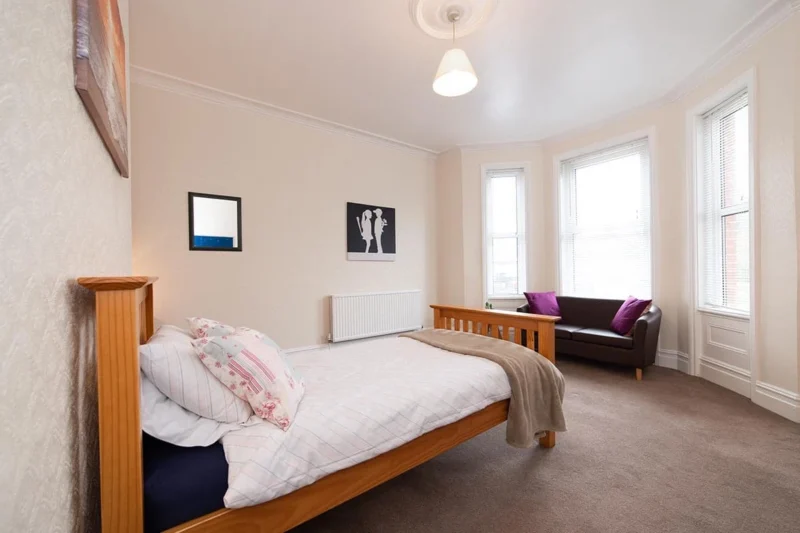
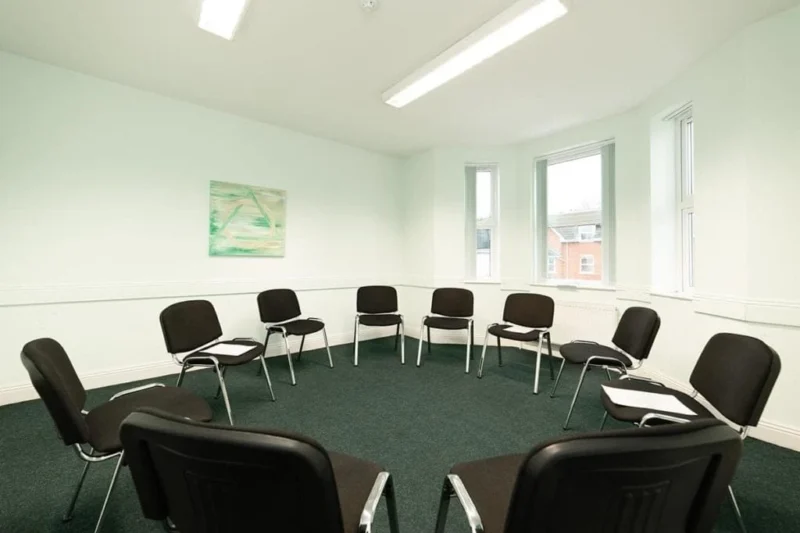
The facilities page describes accommodation across several houses, private rooms, therapy spaces, and a setting connected with Bournemouth’s everyday community. It also describes clients managing their own shopping and cooking. These details make it important to clarify the specific stage and house being offered, particularly when another page describes meals as included.
Ask whether the confirmed room has a private bathroom, which spaces are shared, and what support is available with food preparation or other daily tasks. Discuss any mobility, sensory, dietary, or health requirements before arrival. Confirm distance and transport between the house and therapy center. A private bedroom is a meaningful accommodation feature, but it does not mean treatment is exclusively one-to-one or that the house is reserved for a single client. The relevant offer is the actual accommodation and service agreement, not a generalized description of all the organization’s facilities.
Define family involvement around agreed goals
Providence’s family support information discusses help for relatives at different stages, including when someone is considering treatment and while they are enrolled. Family sessions can be used to work on communication and planning, but participation should be discussed with the client and the treating team rather than assumed as an automatic part of every contact.
Ask which family services are included, whether sessions take place remotely or in person, and how confidentiality is handled. Relatives may also need support for their own circumstances, separate from receiving updates about the client. Clarify the purpose of a proposed session and who is expected to attend. Encouraging assessment does not require family members to diagnose the person or pressure them into a predetermined program. Where relationships are strained or contact is unsafe, discuss an appropriate alternative. A useful family plan sets realistic communication arrangements and acknowledges that progress in relationships may continue beyond the residential stay.
Prepare for daily life and the eventual return home
The general FAQ describes a structured routine, personal belongings to bring, restricted periods for phone use, and planning for continued support. Ask for the current written instructions before traveling, especially if work, caregiving, or administrative responsibilities require regular communication. Access to a phone or Wi-Fi does not mean the treatment schedule can accommodate unrestricted remote work.
Discuss how the team will coordinate with the person’s regular clinician and what appointments should be booked before departure. Confirm where medication reviews, therapy, or other support will take place and whether travel home affects availability. The published pathway offers several possible stages, but a discharge plan should identify the choices actually recommended and accepted. It should also explain whom to contact if needs change. The goal is a workable arrangement for everyday life, with clear clinical and practical responsibilities, rather than assuming that finishing a booked course makes further support unnecessary.
Additional official Providence Projects information reviewed October 18, 2026. Published prices, durations, and meal descriptions differ by page; obtain stage-specific clinical and financial confirmation.
Sources and verification
Official provider overview; official admissions, duration and payment page; official primary-treatment page; official secondary-treatment page; official drug-treatment and price page; CQC provider contact record. Checked October 16, 2026. This summary reflects current provider and regulator-published information, not an independent clinical assessment or a guarantee of admission or price.