Positive Recovery Centers – Hill Country
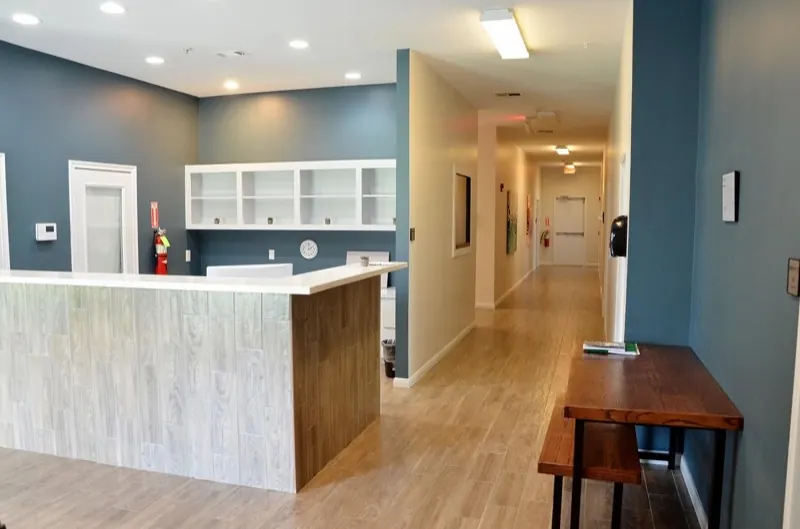


Positive Recovery Centers – Hill Country 3 photos

Comparison facts and sources
Hill Country residential/detox campus in Spicewood. Central Texas outpatient offices provide separate step-down care; Houston and Euless campuses have different prices. · 820 County Road 420, Spicewood, Texas 78669; network admissions 713-904-4699.
- Published fee information
- USD 39,500 / 120-day Hill Country extended self-pay programme
- Before admission
- Detailed taxonomy, maps/social links, exact written package terms and independent licensing remain unfinished.
- Continuing care
- Graduates can remain connected to continuing-care groups and alumni support. The provider includes one year of aftercare with 120-day extended programmes; longer access does not establish unlimited free sessions.
Source record · 18 October 2026
Scoped official-source review; not all fields verified.
Luxury rehab comparison · Fees and inclusions · Selection methodology
Positive Recovery Centers – Hill Country is the provider’s Spicewood inpatient campus at 820 County Road 420. It provides medically supervised detoxification and 24-hour residential addiction treatment in a retreat-style setting outside Austin.
Hill Country programs
The provider describes a 4–6 day medical detox program followed, when appropriate, by residential care. Most residential clients stay two to four weeks; a 120-day extended-treatment option is also available. After residential care, clients can step down to PHP or IOP at Positive Recovery’s Central Texas outpatient offices.
Payment and continuing care
Most major insurance plans are accepted subject to verification. The provider currently lists the 120-day self-pay program at $39,500 and includes detox, residential treatment, outpatient step-down and one year of aftercare; other costs depend on the individual plan and program.
The Spicewood campus and its daily setting
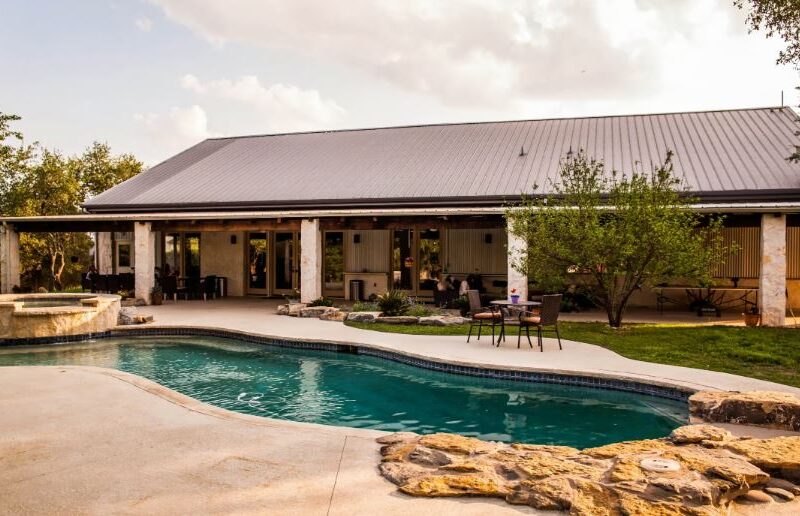
The Hill Country campus page describes detox and residential addiction treatment in Spicewood, outside Austin. It lists a pool, outdoor spaces and prepared meals, alongside clinical programming. The setting provides context for the stay, but photographs and amenities should not be taken as evidence that every room, activity or accommodation preference is available to a particular client.
The campus says it serves men and women through gender-specific programming, with family involvement and a planned move to less intensive care when appropriate. Its medical description includes continuous nursing and daily contact with a physician or nurse practitioner. Clarify the proposed room arrangement, clinical schedule and any mobility or dietary requirements before arrival. If an individual needs a particular specialist or type of monitoring, ask about that need directly. The useful comparison is between the care the person requires and the actual campus plan, with the environment considered as one part of the stay.
Medical detox has its own assessment and duration
The provider’s medical-detox page describes nursing on-site around the clock with a physician on call. It discusses monitoring, medications selected for withdrawal symptoms, nutrition and planning for continuing treatment. The published usual duration is four to six days, while also explaining that the substance used, health history and individual circumstances affect the course.
Ask what information is required for the medical review and how the team decides when someone is ready to move to another level. A four-to-six-day example is not a guaranteed length or a recommendation to follow a particular withdrawal schedule at home. If a person has ongoing psychiatric or medical treatment, discuss how it will be assessed and coordinated. The page describes communication with designated loved ones with the client’s consent; clarify who the person wants involved. Arrange the next phase as part of the assessment, while keeping a proposed transition separate from a confirmed placement or an assurance that the same staff will be available at every later site.
Read the residential timetable by campus and program
The residential page describes individual counseling, groups, family work, self-reflection and recreation within a live-in program. It combines positive psychology with other treatment approaches, and describes support for psychiatric needs alongside substance-use treatment. Ask which elements are planned for the individual and how progress will be reviewed.
Published duration descriptions differ. The Hill Country page gives a usual residential phase of two to four weeks after detox, while the broader residential page describes 30 to 90 days. These are provider descriptions with different scopes, not two interchangeable promises for the same admission. Ask for the current Hill Country recommendation and distinguish the time in residential care from the duration of a wider continuum. The broader page also summarizes several levels under the network’s campuses; that should not override the specific location plan. A written proposal should identify the residence, expected review points and where any later outpatient phase would take place.
Understand the positive-psychology approach
The organization’s About page describes a curriculum developed by Dr. Jason Powers and based on positive psychology. It organizes the approach around positive emotion, engagement, relationships, meaning and accomplishment. These concepts explain the provider’s stated treatment philosophy. They should not be turned into a claim that every client will achieve a particular result or that the approach is superior for every clinical presentation.
Ask how the curriculum appears in an actual week: what happens in individual sessions, which skills are practiced in groups and how the work connects to the person’s own goals. If the person has trauma, another mental health condition or a difficult previous treatment experience, ask how the team adapts its work rather than assuming that a general strengths-based description answers those needs. The provider’s named leadership and philosophy help explain the organization, but they do not establish that a particular senior clinician personally treats every resident. Confirm the team assigned to the proposed program.
Separate weekly family groups from open workshops
The family-program page describes two formats. Weekly groups are intended for families of people currently in treatment and are described as included in the primary program’s cost. Open workshops run every three weeks and can include people affected by a loved one’s addiction even when that person is not a current client. The provider asks people to confirm the workshop schedule and cost.
Those formats should not be collapsed into a promise that every workshop is free or that all family sessions occur weekly. Ask which options are available to a Hill Country client’s chosen support people and where they are held. Clarify how participation, privacy and the client’s preferences are handled. The page describes education, group work and experiential or wellness activities, but a workshop is not the same as an individual family therapy appointment. Discuss what the family hopes to address and which format the team recommends, without assigning relatives a role or responsibility based on a marketing framework.
Ask where the 120-day pathway moves after residential
The extended-treatment page describes a sequence of detox, residential care, PHP or IOP, sober living and continuing support. Its Hill Country option pairs residential treatment in Spicewood with later sober living in Houston’s Montrose area. That is a meaningful geographical distinction from the Central Texas outpatient offices described on the campus page.
Ask which pathway is actually being offered and where each phase would occur. Do not interpret 120 days as an assurance of 120 nights at the Spicewood residence, or a network phrase about one roof as a location guarantee. Confirm the transition criteria, housing, travel responsibilities and clinical contacts in writing. The extended page also contains broader pricing language that differs from the specific Hill Country offer, so the written campus quote matters. Its general claims about shorter treatment and outcomes are not a substitute for assessing this person’s needs. A longer course should have a clear individual purpose and practical plan.
Keep the published Hill Country fee in its exact scope
The private-pay page lists the Hill Country 120-day option at $39,500. It lists different prices for Garden Oaks and DFW, so those figures should not be imported into a Spicewood quote. The Hill Country campus page also publishes $39,500 for its extended self-pay program. This is a program-specific advertised amount, not a weekly rate or the price of every shorter stay.
Request the current written offer showing the intended duration, care levels, housing and included services. Ask what happens if the clinical plan changes, which charges may be separate and how any move between locations is handled. The pricing page discusses payment arrangements and third-party financing, but their availability and terms need individual confirmation. A provider’s statement about predictable pricing does not replace an itemized agreement. If insurance is being checked in parallel with a private-pay start, clarify the financial responsibility from the beginning rather than assuming that later reimbursement will cover the original charge.
Read the return-stay promise with its exclusions
The Treatment Assurance terms describe a conditional return for clients who paid privately in full at admission, completed the program through clinical discharge and followed their discharge recommendations. The offer concerns one stabilization return within the year after discharge. The provider describes a typical 10-to-14-day residential return, with duration assessed at readmission and campus placement dependent on needs and availability.
The exclusions are important: detoxification and transportation are not included, insurance-funded original stays are ineligible, and further returns beyond the first are not covered by this promise. Ask how eligibility is documented and which outside services could be billed separately. The page should not be read as an unconditional free repeat of the entire original program, a guaranteed bed at Hill Country or an outcome guarantee. If this offer affects the decision to pay privately, obtain the applicable terms before admission and keep them with the treatment and discharge documents.
Distinguish lifetime connection from included aftercare
The aftercare page describes weekly graduate groups, alumni activities, individual check-ins and options across the network and online. It presents continued access to the community without a fixed graduation date. Separately, its payment section says one year of aftercare is included with 120-day extended programs, while other costs depend on the program and insurance arrangement.
These statements describe access and payment as different questions. They do not promise unlimited free clinical care for life. Ask which meetings are included in the individual offer, how to join them and what changes after the included period. If the person returns to Central Texas, confirm the relevant local or online schedule. Clarify how a request for more intensive support is assessed and paid for, rather than treating a general rapid-reentry statement as automatic admission. The most useful plan identifies both the continuing community connection and the professional services the person will actually attend.
Verify benefits for the receiving campus and level
The provider’s insurance guidance names major carriers it works with and explicitly notes that network participation can vary by plan and campus. It describes a benefits check followed by a breakdown of expected coverage and personal costs. A carrier appearing on the website therefore does not establish that a particular Hill Country admission, duration or later outpatient service is authorized.
Ask the provider and insurer which care level and location the review covers, whether further authorization is required and how the estimate could change. Keep the residential phase separate from any later PHP, IOP, housing or aftercare charges. If the person changes locations during an extended program, confirm the financial arrangements for that move as well. The provider offers verification without a fee or commitment, but a free benefits check is not free treatment. A written estimate is useful for planning while the specific clinical recommendation, plan terms and authorization determine the final arrangement.
Use the initial conversation to establish the next step
The admissions page describes an initial conversation, a brief clinical assessment, insurance or self-pay review and arrangements for intake. It says detox admission can sometimes occur the same day, while outpatient starts are scheduled around the proposed program and circumstances. Those examples describe a process, not a guaranteed arrival time or an assurance of a particular bed.
Identify Hill Country early in the inquiry and ask what information is needed to assess fit there. If a family member, clinician or employer is helping, clarify how the person receiving care will participate and how information will be shared with consent. Have insurance information available if benefits are part of the discussion, and ask for the secure route for any further records. Before traveling, confirm the receiving address, accepted program, practical instructions and costs that have been explained. The first conversation is most useful when it produces a clear next step, rather than a presumed commitment to the entire advertised continuum.
Official Positive Recovery pages checked October 19, 2026. Campus and network duration differences, the possible Montrose phase, the exact $39,500 extended offer and conditional return-stay exclusions are distinguished. Individual care, availability and written financial terms require confirmation.
Official sources: Hill Country campus, residential treatment and insurance verification. Checked October 18, 2026.