Plum Creek Recovery Ranch

Plum Creek Recovery Ranch 3 photos

Comparison facts and sources
Joint Commission-accredited, privately owned on-site medical detox and residential treatment for substance use disorder and co-occurring mental-health conditions, with separate residential wings for men and women. · 519 Briar Patch Road, Lockhart, Texas 78644, United States; a private 200-acre residential campus between Austin and Lockhart.
- Published fee information
- Quote required
- Before admission
- Confirm clinical eligibility, age requirements, bed availability, medication-assisted-treatment suitability, admission timing, benefits, authorization and written private-pay terms directly with admissions.
- Continuing care
- Discharge planning begins early. Continuing-care coordination can include outpatient care, sober living, referrals, record sharing, early post-discharge check-ins and alumni meetings, events, sponsorship support and relapse-response assessment.
Source record · October 16, 2026
Provider-published information checked October 16, 2026. The provider currently states Joint Commission accreditation. This review does not independently verify every license, accreditation status, insurance decision or clinical outcome.
Luxury rehab comparison · Fees and inclusions · Selection methodology
Plum Creek Recovery Ranch is a residential substance-use treatment center near Lockhart, Texas. The provider describes a 200-acre campus offering on-site medical detox and residential care for substance-use disorders with co-occurring mental-health conditions.
Published treatment includes group and individual therapy, experiential work using the ranch environment, family therapy, continuing-care planning and alumni support. The center says it may offer an extended length of stay, but it does not publish one standard program duration; suitability and length are determined through admissions.
The current address is 519 Briar Patch Road, Lockhart, Texas 78644. The admissions page lists 512-855-4700 and the site footer lists 512-271-5427. Plum Creek accepts most major insurance plans and private pay, but costs depend on detox need, length of stay and coverage. Request a written estimate of total and out-of-pocket costs.
A Texas ranch with a defined treatment model
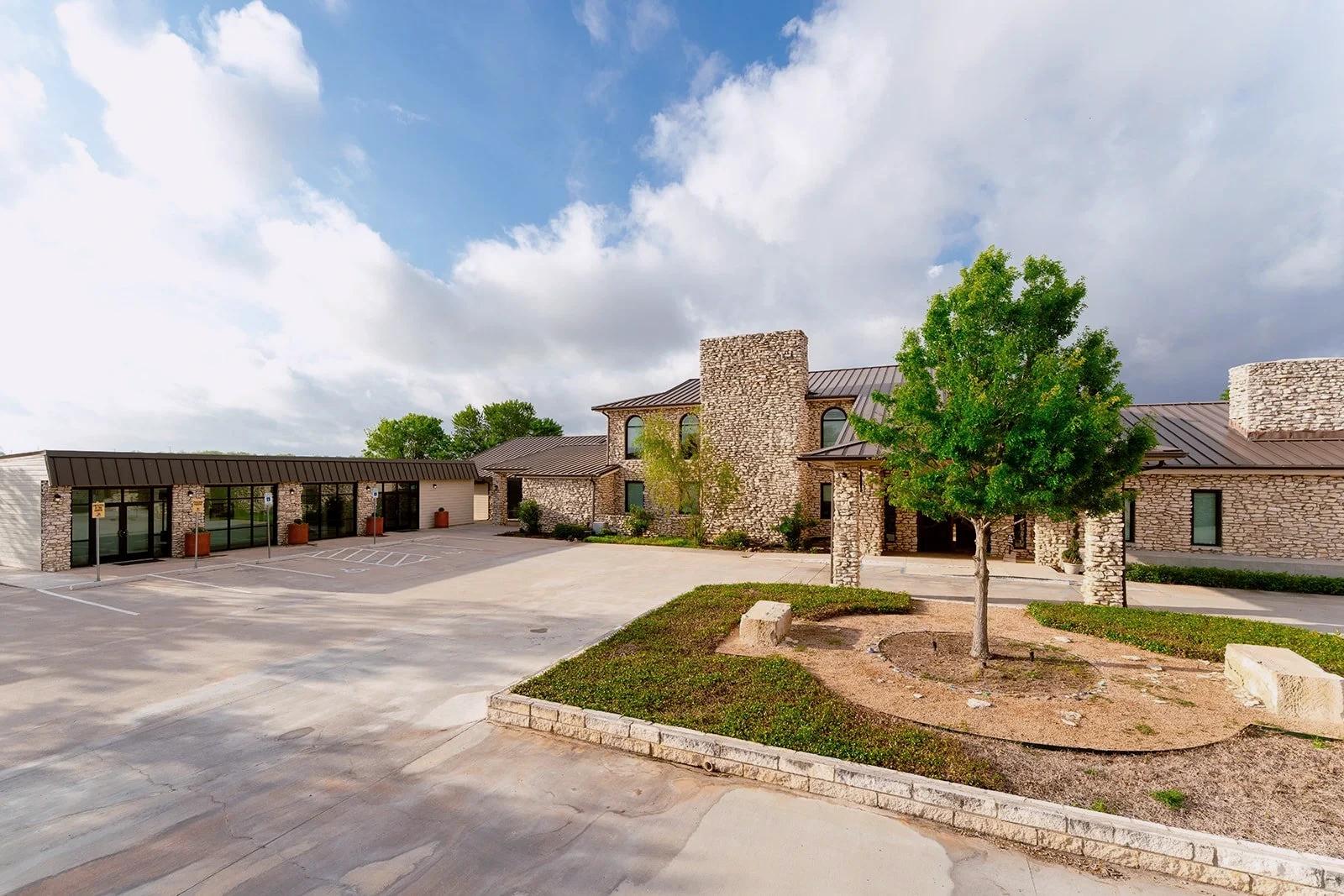
Plum Creek’s provider overview describes a privately owned treatment center in a converted Texas mansion on approximately 200 acres of ranch land, woods, and ponds. The setting supports its experiential activities, while the clinical model includes substance-use treatment, attention to co-occurring mental health needs, family involvement, and a 12-step foundation. It is a residential treatment environment rather than a general wellness retreat.
The rural setting is relevant to daily life, but it does not establish that every outdoor activity forms part of every person’s plan. Ask how time is divided between clinician-led work, groups, experiential sessions, and personal time. The provider also describes connections to continuing services in Central Texas. Those relationships should not be interpreted as ownership of every outpatient program or sober home used after discharge. A proposed treatment plan should distinguish what takes place at the ranch from services arranged elsewhere, including the organizations responsible for each later stage.
On-site detox and residential treatment periods
The program overview places medical detox in a quiet private wing of the main house, separate from the residential program. It describes nursing coverage around the clock and psychiatric involvement in addiction care. The provider gives three to five days as a typical detox period, while explaining that needs vary. Someone who has already completed detox and is clinically ready may enter residential care directly.
For residential treatment, Plum Creek describes thirty to forty-five days as common, with the actual period determined individually. These published ranges provide a planning reference, not a guaranteed admission length or a safe withdrawal timetable for an individual. Ask whether the initial proposal includes detox, residential care, or both, and how the team reviews readiness to move between them. Also clarify which charges change when the level changes. The residential schedule combines therapeutic work with meals, outdoor time, and downtime; a sample week can help establish what participation would look like in practice.
Assessing substance use and mental health together
In its clinical discussion of co-occurring needs, Plum Creek describes beginning with a biopsychosocial assessment that looks at a person’s history, patterns, and present functioning. Its stated approach brings substance-use and mental health work into the same treatment plan through individual therapy, groups, and educational sessions. The provider discusses anxiety, depression, trauma-related difficulties, emotional regulation, and sleep or cognitive concerns among the issues its team considers.
The useful distinction is that a condition name alone does not determine the plan. Ask how existing diagnoses, previous treatment, current medications, and the person’s own goals will be reviewed together. The provider emphasizes stabilization and readiness before more intensive therapeutic work. A family can therefore ask how the team decides when an intervention is appropriate and how progress is discussed. This description of integrated care does not establish that every psychiatric presentation is suitable for the ranch or that a different specialist setting will never be needed.
Medical leadership and responsibility during a stay
The official biography of Dr. Tom Fowlkes identifies him as chief medical officer and co-owner. It describes his responsibility for medical services and for connecting stabilization with the broader therapeutic program. The biography presents a background spanning addiction and emergency medicine and treatment in several clinical settings. These are provider-published professional details rather than an independent credential review by this directory.
For a prospective resident, the practical question is who provides day-to-day medical attention and how that work connects with therapy. Ask which clinician completes the admission assessment, who reviews medications, and who covers evenings or weekends. A medical director’s name does not mean that person performs every appointment. Someone with ongoing physical health needs should discuss them before arrival and clarify whether outside consultations are necessary. The admission plan should also explain the route for transfer or additional medical assessment if the ranch cannot provide the required level of care.
Clinical planning and who coordinates therapy
Plum Creek’s clinical-director biography identifies Elizabeth Rolfe as the person overseeing clinical care and development of the treatment program. The provider describes her experience in residential and outpatient services, co-occurring disorders, and clinical-team leadership. Her role is distinct from the medical director’s responsibility for medical services and from the experiential program’s leadership.
This division of responsibilities is useful when asking how an individual plan is coordinated. Request the name of the primary therapist, the expected frequency of individual appointments, and the process for reviewing goals with the wider team. It is also reasonable to ask how feedback from groups, family sessions, and experiential work enters that review. The leadership biography does not establish a fixed amount of individual therapy or guarantee a particular therapist assignment. Those details should be confirmed for the proposed admission, together with the way the client can raise questions about the plan or request a review.
Experiential work with the ranch environment
The biography of Dale Phillips, director of experiential therapy, describes a program involving equine work, movement, outdoor activities, and practical tasks. It identifies rescued and rehabilitated horses as part of that setting and presents trust, boundaries, and engagement as themes in the activities. This gives the ranch’s outdoor setting a defined role beyond recreation or attractive grounds.
The availability of equine or outdoor work does not mean it replaces clinical assessment, individual therapy, or medical care. Ask which activities would be appropriate for the person, who facilitates them, and how participation is adjusted for mobility, health, or comfort around animals. A useful example schedule can show how experiential sessions relate to the rest of the week. It should also clarify what happens when weather or individual readiness changes the plan. The provider’s description explains the purpose of its activities; it does not establish a guaranteed clinical outcome from working with horses or spending time outdoors.
Family counseling and realistic responsibilities
Plum Creek’s family guidance is attributed to family specialist therapist Julie Duong. It emphasizes communication, boundaries, and the family’s own support needs. The article describes counseling and educational work intended to help relatives understand what they can influence without assuming responsibility for controlling another person’s recovery. That is a more specific role than simply attending a visit at the ranch.
Before treatment begins, ask how family participation is arranged, whether sessions are individual or joint, and whether relatives outside Texas can join remotely. Information sharing should reflect the client’s consent and the clinical circumstances. Family members may also want a clear distinction between therapy, general updates, and social visits, since each serves a different purpose. When discharge approaches, a family session can address practical expectations for communication and support at home. The provider’s family material should not be read as a guarantee that one pattern of involvement will suit every relationship or household.
Admissions, coverage, and preparation for arrival
The admissions page describes direct contact with the center’s team and a discussion of treatment needs, insurance, and practical arrangements. The team needs to speak with the person seeking care even when a relative initiates the inquiry. Plum Creek lists several insurance relationships, but the cost of an individual stay depends on the service, detox needs, duration, and the person’s benefits.
Ask for a written estimate showing the clinical services, accommodation, personal responsibility, and circumstances that could change the total. A carrier appearing on the website does not establish approval for every proposed day. The provider also supplies packing and medication instructions and describes restrictions on phone access during early treatment. Obtain the current list before traveling, including how prescribed medication should be brought and how family communication will work. If travel assistance is discussed, clarify exactly what is being arranged and charged. A confirmed admission date should follow the clinical and funding review, not replace it.
Referrals, medication review, and the next care setting
Plum Creek’s referral guidance welcomes coordination with hospitals, clinicians, employee-assistance programs, and other care settings. It requests relevant clinical history, diagnoses, substance-use information, and medication details, with appropriate permission to share records. The page describes medication-assisted treatment as a case-by-case consideration rather than an automatic acceptance or exclusion based only on a medication label.
Referring clinicians and applicants should discuss the actual medication, clinical history, and support needed before assuming a placement is suitable. The same guidance describes psychiatric assessment, licensed clinical work, and approaches such as EMDR or somatic work when individually appropriate. These options should be tied to the assessed plan. It also explains that continuing-care coordination begins during treatment and can involve outside clinicians or sober housing. Ask which organization will receive the referral, whether it has accepted the person, and when the first appointment is scheduled. A recommendation alone is different from a completed handoff with records, consent, and confirmed access.
PlumAlum and staying connected after discharge
The PlumAlum program describes continuing connection through regular meetings, events, service activities, and peer support. It includes in-person opportunities for people nearby and virtual participation for those living farther away. The page identifies an alumni coordinator and discusses connection with recovery communities and sponsors. These features help distinguish the alumni program from a general promise that support will remain available.
Ask for the current calendar, the first meeting available after departure, and the contact for help joining remotely. Someone returning outside Central Texas should have a plan that works from home rather than depend on occasional visits to the ranch. Alumni activities also need to be distinguished from clinical follow-up: peer connection does not establish ongoing psychiatric prescribing or individual therapy. Before leaving, confirm which appointments are arranged separately and who coordinates them. The practical goal is a transition with named contacts and usable dates, rather than a list of possible resources that still needs to be organized after treatment ends.
Provider information reviewed October 18, 2026. Linked official program and staff pages support these descriptions. Confirm individual suitability, current staffing, treatment length, fees, benefits, and continuing-care arrangements directly with the center.
Official sources — Checked October 12, 2026: campus and program overview; provider identity and continuum of care; admissions, insurance and contacts.