Pine Grove Behavioral Health & Addiction Services

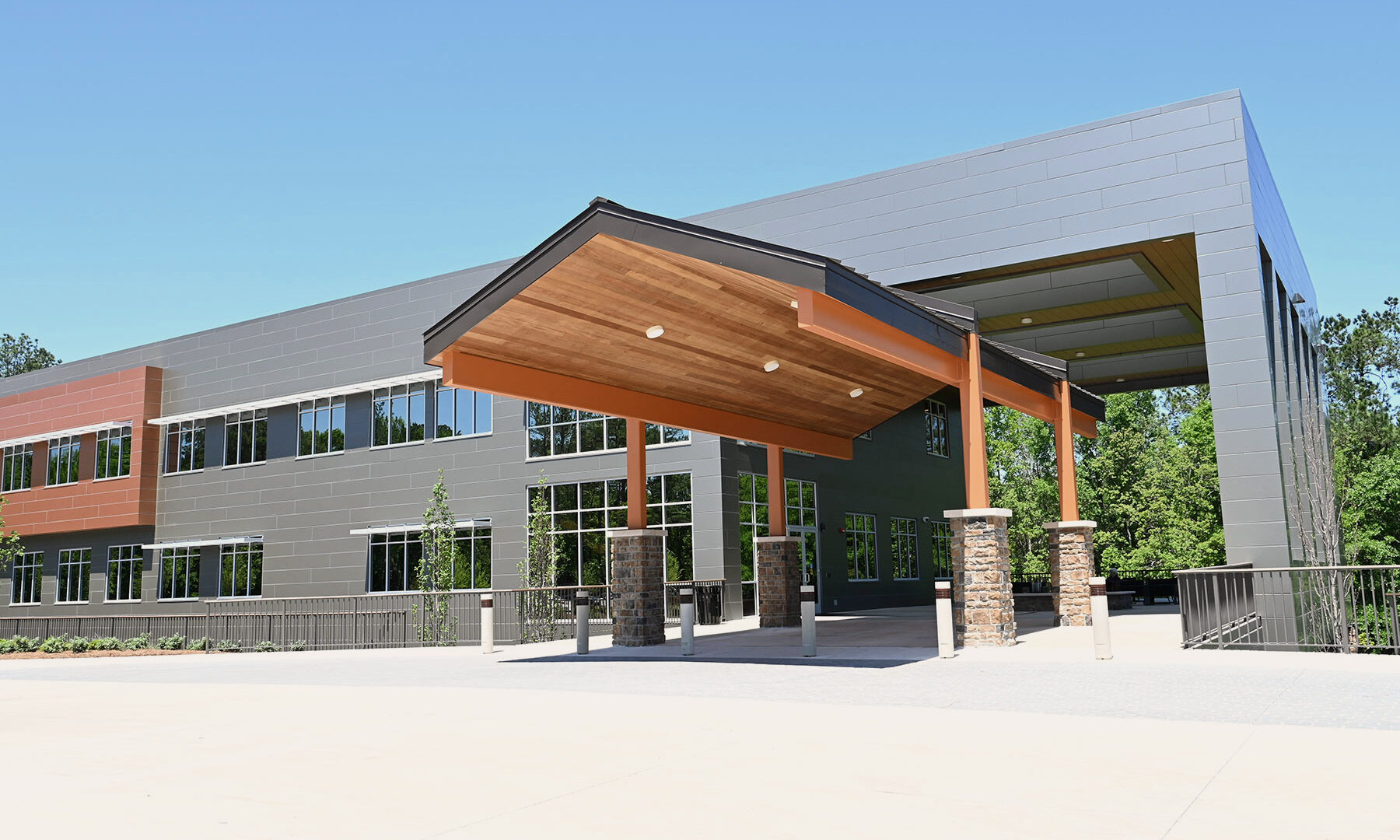
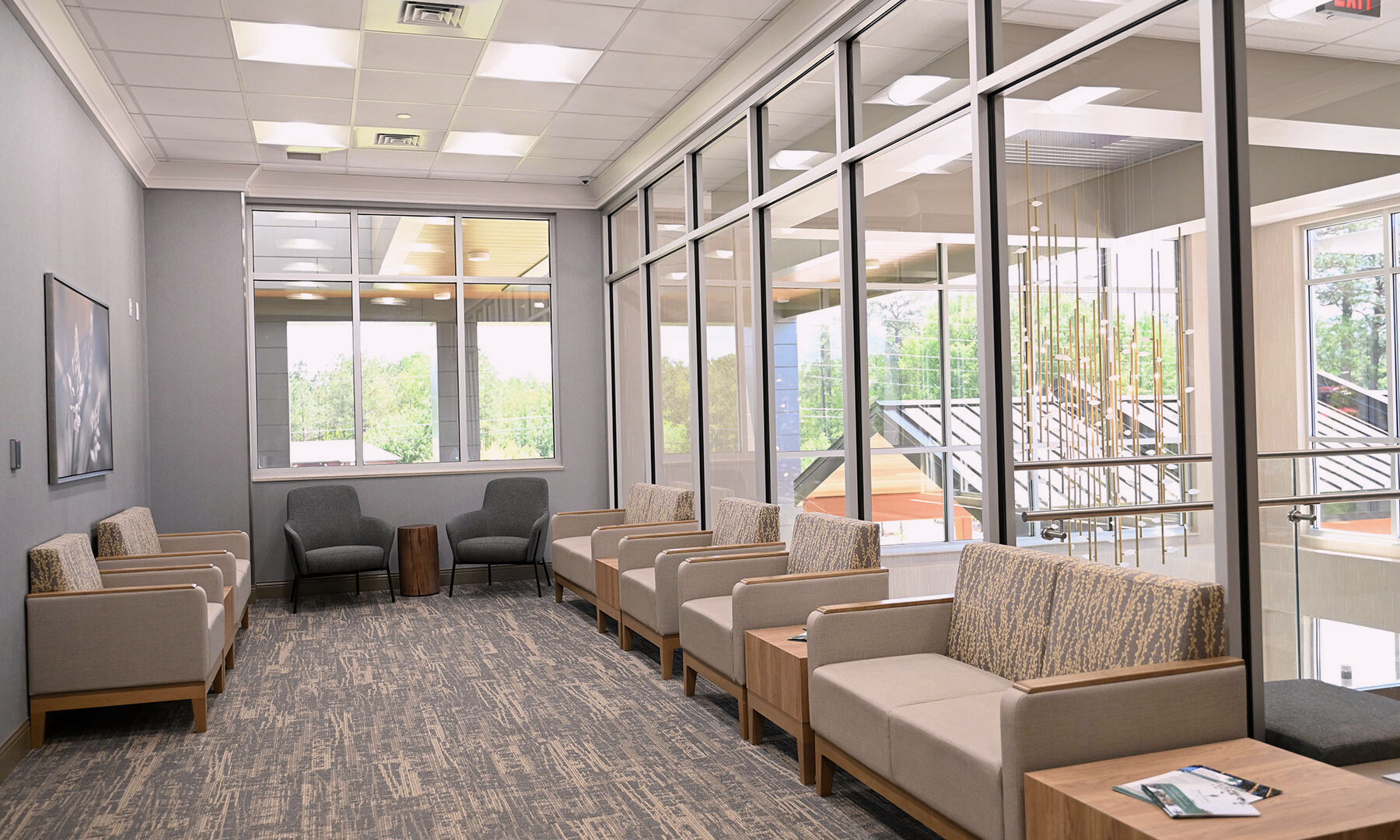
Pine Grove Behavioral Health & Addiction Services 3 photos


Pine Grove Behavioral Health & Addiction Services is a multi-program psychiatric and addiction-treatment campus at 2255 Broadway Drive in Hattiesburg, Mississippi. Current services span inpatient, residential and outpatient care for substance use, mental health and selected behavioral concerns.
Program scope, age eligibility, setting and duration differ across Pine Grove tracks. The provider describes services for children through older adults and programs ranging from short-term intensive care to longer-term treatment. Its adult PHP is non-residential and limited to people over 18, so campus-wide residential labels should not be applied to every service.
Pine Grove says it files insurance and works with Medicare, Medicaid and commercial networks, subject to program eligibility and plan benefits. Alumni support includes phone and email contact, an alumni app and weekly virtual aftercare meetings. Admissions can be reached at 888-574-4673.
Inpatient admission addresses acute clinical needs
Pine Grove’s inpatient overview separates adult psychiatric treatment, adult acute detoxification, and child or adolescent services. It describes treatment for mood and personality disorders, complex trauma, and substance withdrawal. These are hospital-level pathways within a larger organization, so the relevant admission question is which specific service can address the person’s immediate needs.
Someone considering a longer residential program may first need a different assessment or stabilization plan. Ask whether detoxification is required, which unit would provide it, and how any transfer to the next program would be coordinated. The presence of several services within Pine Grove does not mean that their admission criteria, staffing arrangements, or costs are identical. For a person with significant physical-health concerns, confirm the receiving team’s capabilities and whether another hospital must be involved before travel.
The Men’s Next Step Program has more than one clinical focus
The Men’s Next Step Program describes both substance-use treatment and primary mental-health care. Its addiction pathway includes alcohol and drug problems, co-occurring mental illness, and concerns affecting professionals. The mental-health description includes mood disorders, anxiety-related conditions, and trauma. Pine Grove also identifies compulsive sexual behaviors among the concerns addressed.
These descriptions are useful for clarifying the main purpose of a referral. A man seeking treatment for depression without a substance-use disorder should ask about the primary mental-health pathway rather than assume that every participant follows an addiction-focused program. Likewise, a professional’s occupation does not itself establish a need for the separate professional-conduct service. Request a proposed treatment focus, setting, and schedule that explains how the selected track fits the assessment and what support is available for additional concerns.
The Women’s Center combines residential treatment and shared accommodation
The Women’s Center describes residential care for substance use, trauma, co-occurring disorders, and selected behavioral concerns. Its clinical team includes psychiatric, nursing, therapy, nutritional, and recreational expertise. The provider lists group and individual therapy, trauma-focused approaches such as EMDR, relapse-prevention education, and work on boundaries and family relationships.
Accommodation is described as shared bedrooms in a repurposed inn, with a communal kitchen used for nutrition education and access to outdoor and fitness spaces. A residential listing should therefore not be read as a promise of a private suite. People with an eating disorder or another complex condition should ask about the exact clinical eligibility and medical support available; a listed co-occurring concern does not establish suitability for every level of severity. Confirm the intended room arrangement and how treatment priorities will be coordinated.
Children and adolescents have separate inpatient and outpatient options
Pine Grove’s child and adolescent services include a 30-bed acute inpatient unit for young people with psychiatric or substance-use needs. The same overview describes outpatient care for local children and adolescents who do not need acute hospitalization. These settings differ in supervision, attendance, and the role of the home environment.
Families should identify the specific age range and unit during assessment rather than infer eligibility from a broad children-and-teens label. Ask how the team coordinates with parents or guardians, existing clinicians, and the child’s school. The provider refers to educational tutors and child specialists, but an individual school plan and any accommodations still need to be discussed. A referral for outpatient support should also establish what happens if symptoms worsen and a more intensive level of care becomes necessary.
Adult psychiatric PHP is explicitly nonresidential
The dedicated adult psychiatric PHP page describes a nonresidential service for men and women over 18. Its published hours are Monday through Friday, 9 a.m. to 4 p.m. The recommended treatment period is one to three weeks, depending on individual needs. The program addresses conditions including depression, bipolar disorder, psychosis, schizophrenia, anxiety, and personality disorders.
Care can include psychiatric evaluations, individual and group therapy, and family sessions when needed. The page identifies commercial insurance and Medicare participation, subject to individual verification. Although PHP appears within some broader residential navigation, the program itself is described as day treatment. Confirm the exact age cutoff, transport arrangements, and support available at home outside treatment hours. The listed diagnoses are starting points for assessment, not confirmation that a person with any current level of risk can safely attend a daytime program.
Substance-use IOP has morning and evening tracks
Pine Grove publishes a 10-week intensive outpatient program for men and women. Groups meet Monday, Wednesday, and Thursday, with a morning option from 8:30–11:30 a.m. and an evening option from 6–9 p.m. The description also includes a weekly individual therapy session arranged around the participant’s schedule, psychiatric follow-up, and medication management when needed.
The program emphasizes relapse prevention, managing cravings, stress, relationships, and co-occurring concerns while participants maintain responsibilities outside treatment. Its introductory explanation distinguishes IOP from medical detoxification and residential care, although a later general service list includes detoxification. Anyone needing withdrawal management should confirm the actual receiving service instead of assuming it occurs within three-hour IOP groups. Ask which timetable is currently offered, whether attendance can change between tracks, and how clinical progress determines the next step.
Outpatient medication treatment starts with medical assessment
The outpatient medication-assisted treatment service combines medical assessment and medication management with therapy. Pine Grove describes an individual medical examination and review of mental-health needs, followed by appropriate clinical support. It lists medications used for alcohol or opioid treatment, including buprenorphine-based options and naltrexone, alongside weekly group and individual sessions.
The appropriate medication, prescribing arrangements, and follow-up schedule require an individual clinician’s decision. A list of available medications should not be interpreted as a recommendation to start, stop, or switch treatment independently. Before entering the program, explain existing prescriptions and any outside prescriber involvement. Ask how continuing medication care will be arranged after the initial treatment period and whether another level of withdrawal monitoring is needed first. Day and evening programming are described, but the actual appointment and therapy schedule should be confirmed.
Professional treatment includes coordination beyond therapy
The Professional Enhancement Program addresses interpersonal difficulties, addictive behaviors, and professional-conduct concerns. Its published approach includes diagnostic clarification, case management, group work, weekly individual therapy, and attention to boundaries, teamwork, ethics, and work-life balance. Experiential activities and planning for technology use are also described.
Pine Grove says it works with referring organizations, monitoring agencies, licensing boards, and administrative bodies. A prospective participant should clarify the purpose of the evaluation, which information may be shared, and the expected form of recommendations before starting. Clinical participation and workplace or licensing decisions are different processes; completing treatment does not guarantee reinstatement or a particular external decision. Ask how discharge planning will distinguish ongoing clinical needs from professional monitoring requirements, including who is responsible for each part after leaving the program.
The admission process includes remote assessment and preparation
Pine Grove’s admissions process starts with an initial conversation followed by a remote assessment of behavioral-health or substance-use concerns. The team then discusses the recommended program, preparation, insurance, costs, and travel logistics. The provider describes arranging an admission date typically within 48 hours after determining needs; that is an operational estimate rather than confirmation of immediate availability for every program.
Before committing to travel, request the name of the receiving track, the admission date, the destination, and any medical information required. Ask whether the assessment could lead to a different recommendation and how that would affect arrangements already made. Arrival includes orientation to staff, the facility, and accommodation when applicable. A clear plan is particularly important for people arriving from outside Mississippi or transferring from another hospital or treatment setting.
Daily participation is largely group-based
The program FAQ explains that most counseling takes place in groups. Individual meetings occur according to need and the particular service. This distinction helps set expectations when comparing Pine Grove with a program organized mainly around private sessions. Ask for the actual weekly schedule and the frequency of contact with the professionals involved in your care.
The FAQ also describes a smoke-free campus and a preparation packet sent after assessment and scheduling. Visitors and family contact depend on the program and clinical progress. Family members may remain for the initial admission paperwork, but that does not imply overnight accommodation or unrestricted attendance at treatment. Confirm what to bring, permitted communication, and visiting arrangements with the receiving program. These practical details can differ between acute inpatient treatment, longer residential work, and outpatient attendance.
Financial planning depends on the selected program
Pine Grove’s benefit-verification page lists Medicare, Medicaid, Blue Cross, Tricare, Aetna, Cigna, and United Behavioral Health among plans with which it has network arrangements. It also says the team can file insurance and review benefits with patients. Cost and coverage vary by the selected program and length of stay.
Request verification for the exact service recommended after assessment. Filing a claim, participating in a network, and having a particular treatment period approved are separate matters. Ask for a written explanation of expected personal responsibility, services outside the authorization, and what happens if treatment continues longer than initially planned. For a self-pay comparison, obtain the relevant program price and its inclusions directly. The organization’s broad range of services makes a single campus-wide package assumption particularly unhelpful when comparing inpatient, residential, and outpatient options.
Alumni support has defined eligibility and activities
The alumni program is described for people who complete Pine Grove addiction-treatment programs. It offers voluntary peer connections, campus events, newsletters, and a weekly virtual aftercare meeting. The published meeting is on Thursdays at noon Central time. Confirm the current calendar and time-zone details before joining, particularly if participating from another region.
The network program seeks permission before connecting alumni and departing patients, including people returning to an area without an established local group. Days of Hope and the annual reunion provide additional opportunities to reconnect with staff and peers. These activities support continuing recovery but should be distinguished from an ongoing course of individual psychotherapy or medication management. Before discharge, ask which alumni activities apply to your completed track and which clinical appointments, prescriptions, and community supports must be arranged separately.
Official provider information reviewed October 19, 2026. Confirm program eligibility, current schedules, the receiving location, financial arrangements, and ongoing clinical care directly with Pine Grove.
Official sources — Checked October 13, 2026: provider overview; program and age range; adult non-residential PHP; aftercare support; current campus contact.