Peace River Center
Comparison facts and sources
Multi-site nonprofit community behavioral-health network with more than 25 locations and 30 programs; not a single residential addiction-rehabilitation campus. · Polk, Highlands and Hardee counties, Florida, United States
- Published fee information
- Quote required
- Before admission
- Substance-use treatment is outpatient and location-specific. The separate locked residential unit is psychiatric, referral-only care; no fixed universal program duration is published.
- Continuing care
- Follow-up and continuing support depend on the specific program and location. The provider does not publish one network-wide aftercare duration.
Source record ·
Provider-published information checked October 16, 2026.
Luxury rehab comparison · Fees and inclusions · Selection methodology
Provider overview
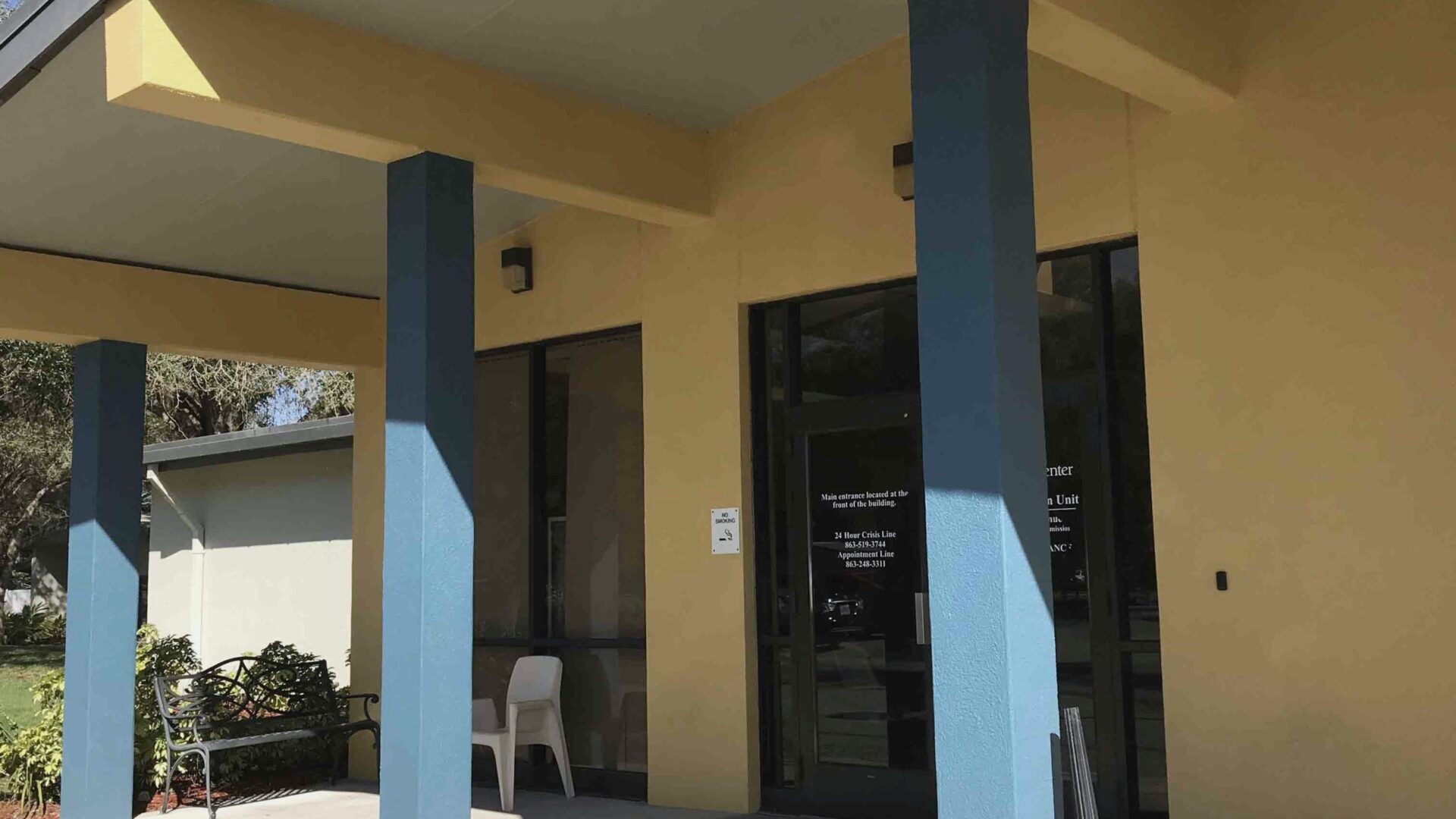
Peace River Center is a nonprofit behavioral-health network serving Polk, Highlands and Hardee counties in Florida. It provides mental-health, crisis, victim, recovery and substance-use services through multiple locations; this is a network profile rather than a single residential addiction-rehabilitation campus.
Location-specific care
The current location directory states that substance-use treatment is available only at the Gilmore Annex in Lakeland and the Bartow Crisis Stabilization Unit. Other sites deliver outpatient therapy and psychiatry, crisis response, case management, primary care, supported employment or victim services. The address on this profile is the administrative office; contact the appointment line to identify the correct treatment site.
Insurance and fees
Peace River publishes a broad list of commercial, Medicare, Medicaid, TRICARE and other participating plans, but advises clients to confirm the exact policy and network status. Uninsured clients may qualify for its 2026 income-based outpatient fee schedule, with copays varying by household size, income and service. Those charges are not a weekly residential price.
Starting outpatient care through registration
Peace River Center describes a staged process for becoming an outpatient client. Registration begins through its appointment team, which can send forms electronically; people without the necessary technology can obtain documents at an outpatient office. After registration, a brief behavioral-health screening helps determine eligibility, followed by a fuller intake appointment when appropriate.
The provider describes the screening as usually 15–30 minutes and the initial intake as approximately an hour. Its page warns that demand can mean waiting several weeks for intake. These are published expectations, not a guarantee of the current wait or the duration of an individual’s assessment. If medication evaluation is needed, that is arranged separately after intake. Ask which documents are required, what appointments are being scheduled, and how to seek more immediate help if needs change while waiting. The becoming-a-client guide explains this outpatient route; it should not be confused with access to the network’s crisis services or referral-only residential programs.
Substance-use treatment in an outpatient setting
Peace River’s substance-use service is described for adults and adolescents, with support also available to families and significant others. The published approach is abstinence-based and includes evaluation, education, individual and family counseling, ordinary outpatient groups, intensive outpatient groups, and aftercare. These are outpatient services, even when a person attends a more intensive group schedule.
Ask the team which service is recommended and how often the person would attend. The schedule should account for the clinical need as well as practical matters such as school, work, transportation, and family responsibilities. Someone seeking medical withdrawal support or overnight supervision should state that need explicitly rather than assuming those services are included in outpatient counseling. The provider’s substance-use program information describes a network of assessment, treatment, education, and referral. A written plan should make clear which elements will be delivered by Peace River, at which location, and whether any additional service must be arranged separately.
Crisis response is a separate access route
Peace River’s Mobile Crisis Response Team offers free crisis assessment and support through telephone contact, mobile response, and walk-in access at the Bartow or Lakeland crisis stabilization units. The provider describes counseling, referral, linkage to other services, and follow-up when needed. The team’s purpose includes identifying people who can be supported through community resources as well as arranging psychiatric hospitalization when appropriate.
This distinction matters for someone who encounters the network while searching for rehabilitation: an immediate crisis requires an appropriate assessment, not simply booking a future counseling appointment. Explain the current safety concern and follow the crisis team’s instructions about where and how to obtain help. Do not assume that every office on the location list provides walk-in crisis assessment or that a mobile response will lead automatically to hospitalization. The crisis-services information identifies the relevant routes and helps distinguish urgent assessment from planned outpatient care, housing support, and longer-term psychiatric treatment.
Three different residential and housing services
Peace River’s residential page describes services with substantially different purposes. Success House is an unlocked, 15-bed group home with continuous staff support, daily-living instruction, and help with medication routines. The network also describes income-based permanent housing through a subsidized apartment program for people with mental illness. Both require referral; neither description establishes a general residential addiction package.
The separate Short-Term Residential Treatment unit is a locked, 30-bed psychiatric service for patients requiring a longer stay than crisis stabilization or diversion from a state hospital. Its page refers to a 179-day court order. That is a description of the legal framework, not a standard stay that every patient chooses or completes. Ask the referring professional which service is being considered, the eligibility pathway, and the intended transition afterward. The residential-services page makes clear why housing, supported group living, and secure psychiatric treatment should not be merged into a single promise about accommodation or program duration.
Outpatient mental-health therapy and telehealth
The outpatient service description emphasizes individualized counseling, trauma-informed work, and coordination with other services when a person needs broader support. It also describes telehealth as an option that can address barriers such as transportation. The availability of a remote appointment should be checked for the particular service and person rather than assumed across all of Peace River’s programs.
A useful first discussion identifies the main treatment goals, previous care, medication needs, and any difficulties attending appointments. Ask whether the plan involves a therapist, a psychiatric prescriber, or both, and how those appointments will be coordinated. If telehealth is being considered, clarify what privacy and technology arrangements are needed and how concerns between appointments should be handled. The outpatient-services information offers an overview of counseling and support. It does not establish that every named approach is suitable for every diagnosis or that all additional services begin automatically with the first therapy appointment.
Primary care through the Wellness Clinic
Peace River’s Wellness Clinic serves adults age 18 and older, including people with and without a behavioral-health diagnosis. The provider describes medical, nursing, and registration staff and lists physical examinations, non-emergency acute care, diabetes and blood-pressure management, tobacco-cessation support, and other primary-care services. It also describes help arranging behavioral-health or outside specialist appointments when necessary.
This is a distinct primary-care service within the network. Its presence does not mean that every outpatient counseling office has the same medical facilities or that the clinic replaces emergency care. Ask which clinician will address the physical-health concern and how information will be shared with an existing treatment team. The page also describes telehealth for eligible patients, so confirm whether an examination or particular procedure requires attendance in person. The Wellness Clinic information can help someone plan coordinated physical and mental healthcare without assuming that all care occurs at one appointment or location.
Case management and community recovery support
Peace River defines its mental-illness recovery services around the needs of people with severe and persistent mental illness. Adult Case Management assesses support needs, helps connect people with community resources and benefits, and supports short- and longer-term recovery goals. The service requires referral. This work differs from an individual psychotherapy appointment, even though both may be relevant to the same person.
The recovery-services page also describes forensic programs for particular people involved in the criminal justice system. Those programs have specific referral and eligibility circumstances; they are not ordinary admissions options for anyone with a legal problem. Ask which service the referring professional recommends, who will coordinate the plan, and how the person can continue necessary psychiatric care. The community recovery information helps clarify the network’s practical-support role. It should be used to identify a suitable pathway rather than as evidence that every client automatically receives benefits assistance, legal-system services, or a case manager.
Club Success and returning to community roles
Club Success is described as a recovery community for adults living with mental illness. Participants are called members and can take part in shared daily responsibilities, learning skills through activities such as food preparation, communications, and organizing events. The program’s stated interests include meaningful activity, employment skills, confidence, relationships, and community involvement.
Its employment support includes different routes: transitional work opportunities, supported employment, and assistance toward independent employment. These should not be interpreted as a guaranteed job, a universal training period, or clinical treatment replacing ongoing psychiatric care. A prospective member can discuss personal goals, the current activities, eligibility, and the support available for a particular employment pathway. The provider lists Club Success locations in Lakeland and Haines City. The Club Success program description explains a practical form of community recovery support that is separate from crisis stabilization, inpatient treatment, and addiction counseling.
Support for survivors of violence
Peace River’s victim-services program provides free, confidential support for people affected by domestic violence and sexual assault in Polk, Hardee, and Highlands counties. Its published services include crisis lines, counseling, safety planning, advocacy, emergency shelter, and referral. These are specialized survivor services within the network, not an implication that a person must enter addiction treatment to seek help.
The provider also warns that computer use may be monitored and advises people concerned about this to use a safer device or contact its domestic-violence team. A survivor can discuss options with an advocate without relying on a general rehabilitation inquiry form. Ask which service can address the immediate concern and how to communicate safely. The victim-services information distinguishes the available support routes and emphasizes the individual’s circumstances. Specific shelter availability, appointments, and practical arrangements should be confirmed through the specialist team rather than inferred from the network’s administrative address.
Income-based fees and a realistic care budget
Peace River’s 2026 income-eligibility guidance states that uninsured people can be assessed for reduced fees. Registration staff reviews income and home-address information to determine whether a person qualifies. This is an eligibility process, not a promise that every uninsured client receives free treatment or the same discount.
Ask what documentation is needed and which service the fee decision covers. If several appointments or programs are being considered, clarify whether the same arrangement applies to each one. A published outpatient sliding scale should not be converted into a weekly price for housing or psychiatric residential care. The income and fee guidance is useful for preparing that discussion; the final plan should distinguish confirmed charges, insurance decisions, and any assistance that is still awaiting approval.
Expanded service information reviewed October 19, 2026 from official provider information available through search retrieval. Confirm current locations, referral criteria, waiting times, coverage, and fees directly with the relevant Peace River program.
Explore the Florida treatment guide and dual-diagnosis guide for broader care comparisons.
Sources and verification
official location directory; accepted insurance; 2026 income eligibility and fees; becoming a client. Checked October 16, 2026. Provider-published information; not an independent clinical assessment.