Pathways Recovery
Comparison facts and sources
residential_addiction · Roseville and South Placer County, California, United States
- Published fee information
- Quote required
- Before admission
- Residential stays described as 30–90 days, determined by clinical needs.
- Continuing care
- Custom aftercare and relapse-prevention plan plus free virtual and in-person alumni meetings for residential and IOP graduates.
Source record · 2026-10-20
Official provider information checked October 20, 2026.
Luxury rehab comparison · Fees and inclusions · Selection methodology
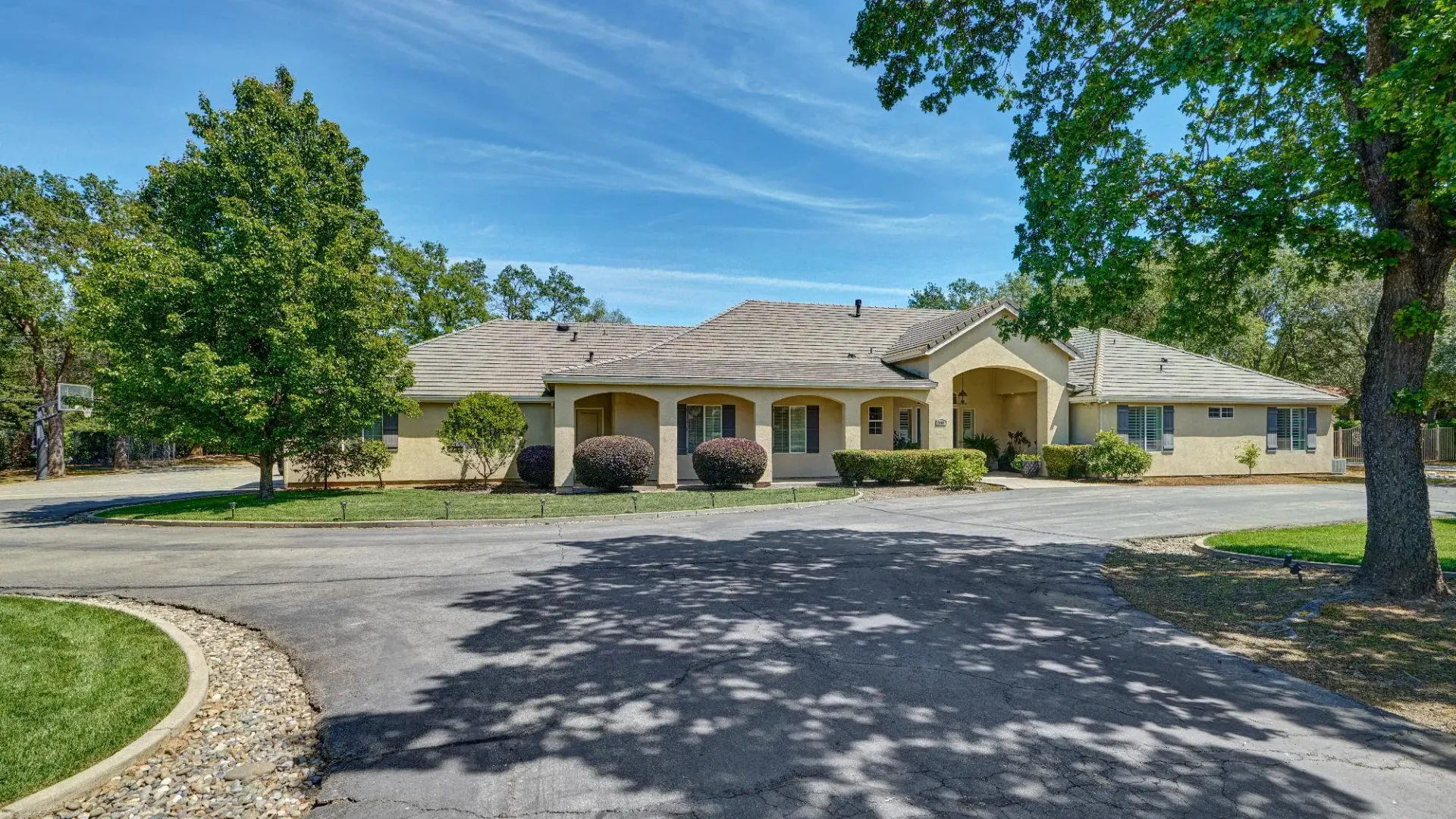
Pathways Recovery is an adult addiction treatment provider in the Roseville and South Placer County area of Northern California. Its luxury residential program describes two small houses accommodating six men and eight women, with individualized clinical care, meals prepared on site, and a progression from detoxification where needed into residential and continuing support. The separate men’s and women’s settings are central to the program’s structure and should be understood individually when considering an admission.
The provider describes private and semi-private accommodation. Availability should therefore be confirmed for the actual house and proposed stay rather than assuming every resident receives a private bedroom. Its small capacity and home setting may appeal to people who prefer a limited residential community, while the clinical plan remains the more important question. A prospective resident should understand why a particular level of care is recommended, what the schedule includes, and how treatment will connect with life after discharge.
Two residential communities near Roseville
The women’s program is described as a private residence on five acres in the foothills of South Placer County, near Roseville and Sacramento. The provider does not publish the house’s street address on that page and says appropriate location information is supplied through admissions. That should be respected when planning travel: a general Roseville address or outpatient location should not be assumed to be the women’s residential arrival point.
The men’s program is also described as a small residential setting near Roseville in South Placer County. Its material emphasizes individualized care around substance use, physical and mental health, relationships, previous treatment, and responsibilities. These themes are not a claim that all men share the same experience. A person should ask how the team adapts the program to their own circumstances and whether the proposed community is an appropriate fit for the care they need.
The published capacity is six men and eight women across the two houses. Those figures describe the program’s scale, not the number of residents present at a given time or the size of every outside activity. A smaller community can offer a different atmosphere from a large campus, but it still involves shared meals, groups, and house expectations. Before admission, ask how the day is organized and what opportunities exist for both personal space and participation with peers.
Accommodation and daily living
Pathways’ residential descriptions include private and semi-private room options, comfortable shared areas, and meals prepared by a chef. A person seeking a private bedroom should ask whether one is available, whether it changes the price, and whether it can be confirmed for the full stay. The specific bathroom arrangement and accessibility should also be discussed. General luxury language cannot establish these details, particularly when the provider operates more than one house and offers more than one room type.
The luxury program page describes an emphasis on organic ingredients, fresh juices, and smoothies, alongside physical activity and personal training. These are features of the daily environment. They should not be presented as evidence that a particular food or supplement produces a treatment outcome. A resident with allergies or a medically relevant dietary need should provide precise information before arrival. Any proposed supplement or nutritional regimen should be discussed with the relevant clinical professional in the context of the individual’s care.
Assessment and the appropriate starting point
The admissions FAQ says the process begins with a call, followed by assessment and review of the appropriate level of care and financial arrangements. The women’s program specifically notes that detoxification is recommended when clinically appropriate and is not a required starting point for every client. This is an important distinction. A person may need withdrawal management before residential work, while another may be ready for direct admission or a different level of support.
Before traveling, discuss current substance use, prescribed medication, recent treatment, and relevant medical and psychiatric concerns. If the person is transferring from another service, clarify permission for records and direct communication between teams. The admission assessment should explain the proposed sequence and identify any preparation required. A bed’s availability or the convenience of the location should not substitute for establishing that the program matches the current clinical needs. The public website cannot make that determination for an individual.
Detoxification and medication coordination
Pathways describes medically supported addiction treatment and medication-assisted options in its FAQ. The clinical team assesses the individual and determines the appropriate support. This does not establish one medication regimen or timetable for every resident. A prospective client should ask which services are available for the current situation, where they will take place, and how the transition into residential therapy is decided. The plan should distinguish the initial withdrawal-management phase from the broader work that follows.
The FAQ asks residents to bring prescription medication in original labeled containers with the relevant prescribing information. This is a practical requirement to clarify before arrival, especially if several clinicians are involved or a prescription has recently changed. Ask how current medication is reviewed, who is responsible for prescribing during the stay, and how follow-up is handed back to outside professionals. The existence of medication services should not be interpreted as an instruction to stop, continue, or alter any specific medication without an individual clinical decision.
Residential treatment and therapeutic approaches
The residential overview describes cognitive behavioral therapy, dialectical behavior therapy, EMDR, and Brainspotting among the approaches used. It also identifies individual therapy and daily group work, with medical oversight and support staff available around the clock. These are the provider’s stated program components. A resident should ask how frequently individual appointments are scheduled, who delivers them, and how group topics connect with the person’s goals. A list of therapies alone does not explain the actual weekly commitment.
Pathways describes stays ranging from 30 to 90 days, with duration based on clinical needs. That range should be used as context rather than treated as a fixed package. The initial recommendation and the process for reviewing it should be discussed before arranging leave, childcare, or travel. Ask how the plan changes if further assessment identifies a different priority, and how any extension would affect the financial agreement. The provider’s individualized approach is most meaningful when those decisions are transparent to the resident.
Co-occurring mental health and trauma
The men’s and women’s program descriptions include attention to substance use alongside mental health concerns and trauma-informed care. The luxury overview also discusses conditions such as anxiety, depression, bipolar disorder, and PTSD in the context of co-occurring treatment. These are areas the provider considers, not a guarantee of suitability for every presentation or severity level. An assessment should establish whether the residential setting can provide the necessary support and whether outside specialist care is also needed.
Gender-specific care without a uniform personal story
The men’s program page discusses themes such as work pressure, relationships, grief, emotional isolation, and identity while explicitly recognizing that these do not apply to every client. The women’s description likewise emphasizes individual histories and goals within a women-only setting. A prospective resident can ask how sensitive subjects are approached in groups, how privacy is respected, and how the program responds when a person’s experience differs from common assumptions about the group.
Family involvement should also be discussed in relation to the individual. A residential stay may require practical arrangements for children, a partner, or other responsibilities, but those circumstances do not automatically define the therapeutic plan. Ask which family contacts or sessions are recommended, how consent is handled, and whether remote participation is possible. The aim is a clear agreement about the people involved and the purpose of their participation, rather than assuming that every resident has the same support system or family structure.
Insurance, private payment, and financing
The financial information page distinguishes benefit information, authorization, estimated cost, and any independent financing decision. This is useful when comparing treatment options. An insurance policy may contain benefits without guaranteeing that a particular service, duration, or claim will be approved. The provider also discusses private payment and possible financing resources. A current individual financial review is needed before relying on any broad statement about insurance acceptance or affordability.
No fixed current official residential tariff was verified on the pages reviewed. Request a written proposal stating the house, room type, duration, included services, and any additional costs. If financing is considered, the terms come from the independent provider and require separate review; they should not be inferred from the treatment center’s willingness to discuss options. The clinical recommendation and the complete cost estimate should be clear before comparing payment methods or assuming that an advertised resource will be available to a particular applicant.
Continuing care and a free alumni program
The alumni program is described as free and available through virtual and in-person meetings for graduates of residential and intensive outpatient treatment. Continued enrollment in a paid Pathways program is not stated as a requirement. The virtual option may be particularly useful for people returning to another region. Current meeting schedules, eligibility, and the process for joining should be confirmed with the team before discharge so the resident knows how to participate.
The alumni page also describes creating a personalized relapse-prevention and aftercare plan before the end of treatment. That plan may include outpatient care, peer support, and other resources alongside alumni contact. These components should remain distinct: a community meeting is not the same as a therapy appointment or medication review. Ask who coordinates the next clinical appointments, what can continue through Pathways, and which services need to be arranged locally. The practical value lies in an accessible plan with clear responsibilities after the residential phase.
Frequently asked questions
Does every resident have a private bedroom?
The current program descriptions include private and semi-private options. Ask which arrangement is available at the proposed house and whether a private room changes the price. A general reference to private accommodation is not a guarantee for every placement.
Is detox required before every residential admission?
No. The women’s program explicitly describes detoxification as appropriate when clinically indicated. Assessment determines the starting point and whether withdrawal management, direct residential entry, or another level of care is recommended.
Can alumni attend from outside Northern California?
The provider describes free virtual meetings as well as in-person meetings. Confirm the current schedule and joining process. Alumni contact can complement an individual continuing-care plan, while ongoing clinical appointments should be arranged separately where needed.
Explore related treatment options
For further comparison, explore treatment centers in California and addiction treatment providers. Review each provider’s clinical setting, accommodation, admissions requirements, and continuing-care arrangements.
Sources
Official provider information reviewed October 20, 2026.