Parkland Place Rehab

Parkland Place Rehab 3 photos

Comparison facts and sources
A 16-bedroom adult residential addiction-rehabilitation campus in Old Colwyn using an abstinence-based, bespoke and non-clinical therapeutic model. Separate Parkland Place sites provide medically managed detoxification. · 100 Llanelian Road, Old Colwyn, Conwy, North Wales LL29 9UH, United Kingdom.
- Published fee information
- Quote required
- Before admission
- This review does not establish admission eligibility, exact stay length, detoxification cost, deposit amount, insurance authorization, fixed price, taxes or final patient responsibility.
- Continuing care
- A personal aftercare plan is prepared before discharge, including community and mutual-aid contacts where appropriate. Parkland Place offers regular catch-ups for 12 months after the stay.
Source record · October 17, 2026
Current exact-campus scope, average duration, aftercare, accommodation, payment model and contact details checked against official Parkland Place pages on October 17, 2026.
Luxury rehab comparison · Fees and inclusions · Selection methodology
Parkland Place North Wales is a 16-bedroom residential addiction-rehabilitation center at 100 Llanelian Road in Old Colwyn, Wales. It is part of an Adferiad-operated group that also has separate detoxification services in Lancashire and Llandudno; those detox units should not be confused with this residential rehabilitation campus.
The North Wales program supports adults recovering from alcohol and drug dependence, gambling, gaming and other harmful behaviors, including associated stress and trauma. The provider says structured medical detoxification is arranged through its own separate clinic when needed before residential rehabilitation.
Programs are tailored after assessment. The current FAQ says stays average three to four weeks, though some guests need only a few days and others longer. An individualized aftercare plan is prepared before discharge, with community contacts and regular catch-ups for 12 months. Most clients pay privately, while other funding routes may be available; the provider gives a tailored quotation after assessment.
What the Old Colwyn residence is designed to provide
The Old Colwyn location page describes a 16-bedroom house and gardens near the North Wales coast, with residential rehabilitation for alcohol, drug, gambling, and other harmful behavioral problems. The setting is a shared recovery community with a personalized therapeutic program. It should be evaluated as that particular residence, rather than as a generic description of every Parkland Place service.
Ask how the program addresses the person’s main concern, which staff would be involved, and how the daily routine balances group work with individual support. A comfortable room and a small residential setting do not establish a particular amount of private therapy or the ability to manage every medical condition. The assessment should identify any additional clinical service needed before or during the stay. When comparing options, obtain the proposed treatment plan alongside the room arrangement, expected duration, and onward support. That provides a clearer basis for deciding whether this residential model fits the individual’s needs and preferences.
An abstinent therapeutic community with separate medical assessment needs
The Parkland Place approach is described as bespoke, nonclinical, and abstinence-based. Guests are expected to remain abstinent during their stay. The provider connects addictive behaviors with psychological and social pressures and describes work on coping strategies, personal goals, and recovery support. The service is operated by Adferiad Recovery, whose background includes substance-use and behavioral-addiction services.
The nonclinical description matters when considering needs such as withdrawal monitoring, psychiatric instability, or complex physical healthcare. Ask the admissions team to explain the residence’s capabilities and what would require another service. The page describes arranging medical detox through a separate clinic when necessary. Do not treat admission to Old Colwyn as confirmation that detox can occur in the same bedroom or under the same staffing arrangements. Discuss existing prescriptions, ongoing clinicians, and any medical information required for assessment. A suitable plan should explain how the therapeutic residence connects with the appropriate medical care without presenting them as one undifferentiated service.
The rehabilitation program combines groups and individual work
The rehabilitation program page describes an assessment-led combination of groups, individual counseling, and practical exercises. It names person-centered, solution-focused, cognitive behavioral, and metacognitive approaches. Topics include motivation, cravings, anger, assertiveness, low mood, social anxiety, and coping strategies. These are possible components selected around the person’s needs, rather than a guarantee of every intervention on every day.
Before discharge, the team describes reviewing what the guest has learned and preparing a portfolio of strategies and next steps. The program includes links to community support, mutual-aid groups, and employer liaison where appropriate, with regular catch-ups during the following 12 months. Ask how often those contacts occur, who provides them, and what clinical services need separate arrangements. Twelve months of contact should not be interpreted as unlimited psychotherapy or medical care. The proposed plan should make clear how individual goals are translated into daily therapeutic work and how the person will continue relevant support after returning home.
Duration, family visits, and activities need a current timetable
The frequently asked questions gives three to four weeks as the average residential stay. It describes morning group exercises, individual work, and written activities, with family visits on Sunday afternoons by prior arrangement. Activities may include walks, art, local outings, and access to AA or NA meetings. The page also acknowledges that planned daily activities can change because of circumstances such as staffing or weather.
Use these details for initial planning, then request the actual timetable and recommended duration. An average stay does not establish the right length for a particular person, and an example day does not guarantee a private counseling session every afternoon. Ask how family participation is agreed, especially when relationships are strained or a guest prefers limited contact. Identify any activities that need adapting for mobility, health, or personal preferences. The schedule should support participation in the therapeutic program while leaving the guest clear about the routines, expectations, and practical arrangements of living at the house.
Room facilities, shared spaces, and dietary arrangements
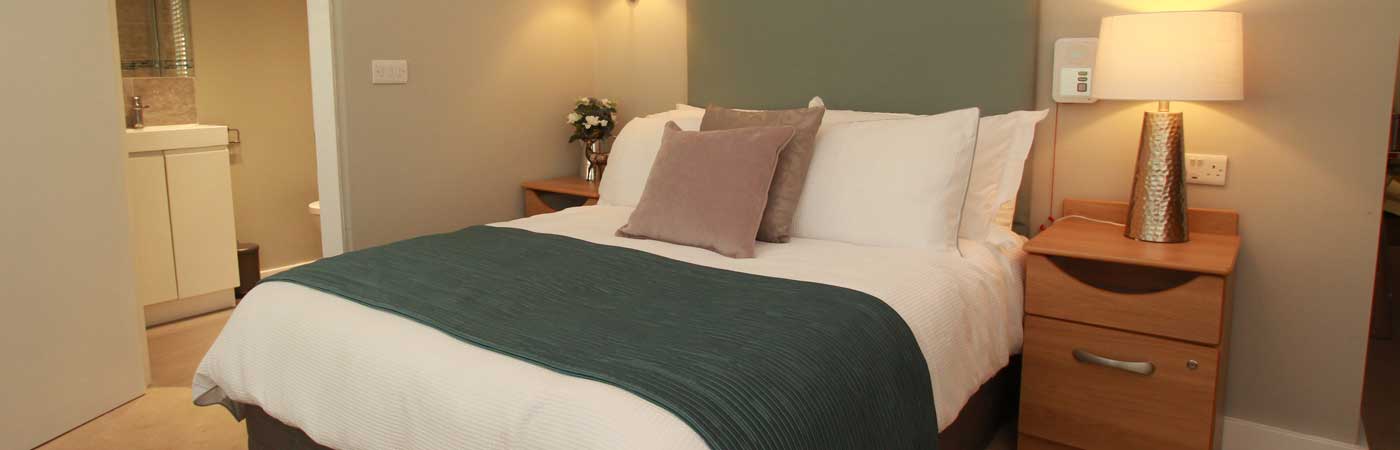
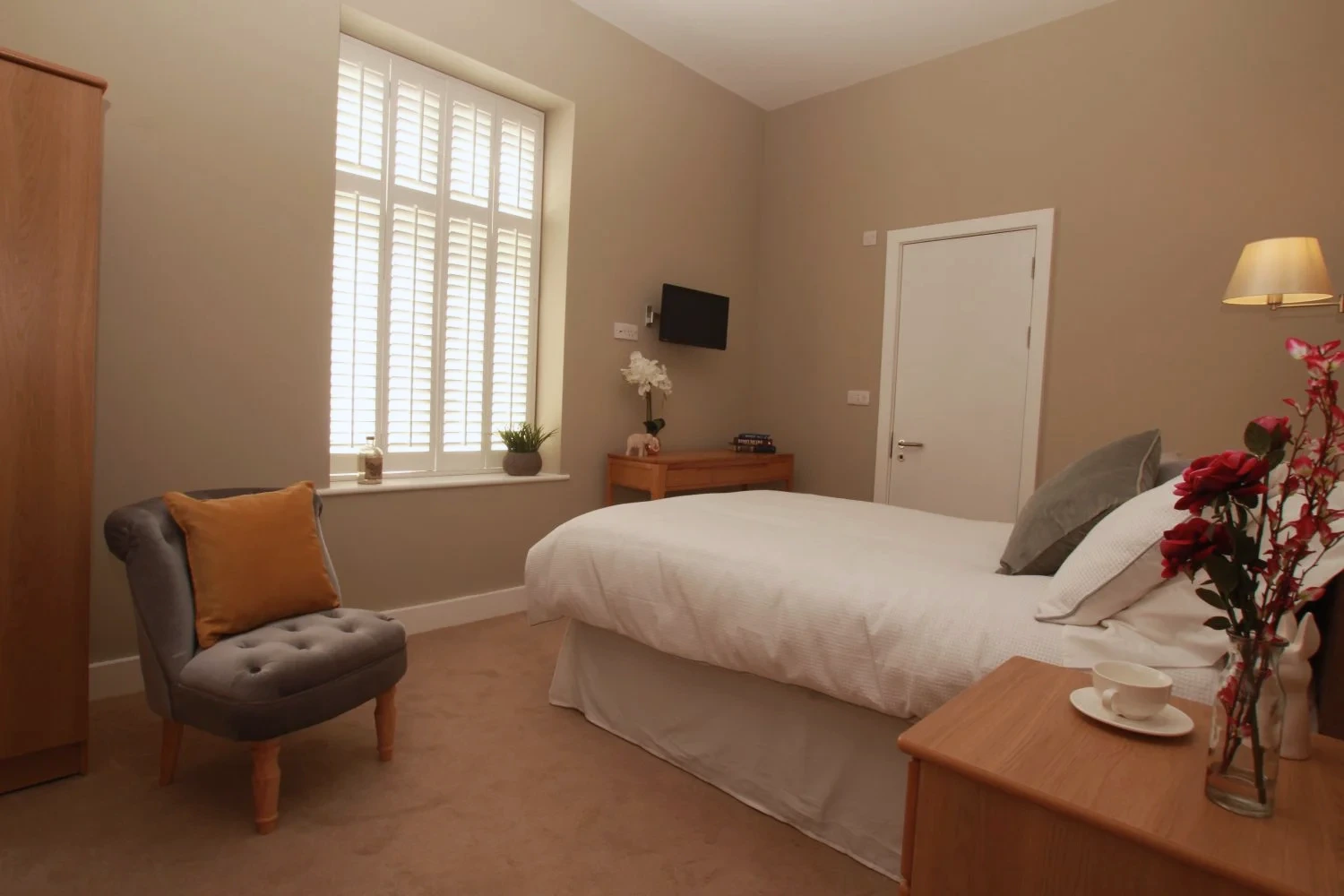
The accommodation page describes individually styled bedrooms with an en-suite bath or shower, a double bed, television, seating, and Wi-Fi. The house has lounges for shared activities and groups, a library for quieter work or discussion, and an on-site dining room. The provider says dietary needs can be discussed before admission, rather than listing one menu suitable for every medical requirement.
Confirm the actual room, bathroom arrangement, accessibility, and any dietary restrictions in the proposed booking. Ask how internet access and work or study fit with the treatment routine; available Wi-Fi does not mean outside commitments can take priority over the program. The page also describes arranging additional therapies through local providers and transport in an unmarked vehicle. Establish which of those arrangements is included in the quotation and which costs extra. The physical environment can make a stay more workable, but it should be considered alongside clinical suitability, staff support, and the content of the therapeutic plan.
Lancashire is a distinct medically managed detox facility
The Parkland Place Lancashire page describes a medically managed detox service in Withnell, with doctors, nurses, and continuous support. Its listed accommodation comprises 23 bedrooms with single beds and en-suite facilities. These facts belong to the Lancashire site, not to the 16-bedroom Old Colwyn rehabilitation residence. The provider describes onward access to rehabilitation in North Wales for private clients.
If this is the recommended starting point, ask how clinical acceptance, transport, medication information, and the next placement are coordinated. The initial telephone discussion is followed by clinician review and an agreed admission date; it should not be treated as a completed medical assessment. Obtain separate confirmation of the detox and rehabilitation arrangements, including costs and what happens if the medical plan changes. A planned transfer between affiliated services still needs clear responsibilities. Confirm who decides when a person is ready to move, whether the onward place is available, and how the receiving team obtains the relevant clinical information.
Llandudno’s detox service is another separate pathway
The Llandudno service page describes a clinically led, medically managed 40-bed detoxification center for adults, including people with additional complexity. It identifies the location as Craig-y-Don and describes working with statutory and private referrers. Its development builds on the provider’s Hafan Wen service. This is a separate program description and capacity figure, not an expansion of the Old Colwyn bedroom count.
The page emphasizes discharge planning from admission, liaison with referring agencies, written clinical recommendations, and help arranging onward services. Ask which detox location is being proposed and why, rather than choosing only by the shared brand or the distance from home. The receiving team should confirm medical suitability, the expected treatment plan, and any onward residential or community support. A published capacity does not establish current vacancies. If the plan continues at Old Colwyn, agree the transfer, funding, and acceptance separately so that the transition does not depend solely on a general promise of a connected treatment pathway.
Admissions involve clinical information before travel
The admissions guide describes five stages: an initial discussion, obtaining relevant medical information, arranging funding, agreeing an admission date and travel, and arrival. Staff use a questionnaire to understand the person’s circumstances and consider whether the offered treatment is appropriate. The sequence makes medical and practical preparation part of the admission process, rather than treating the stay as a room reservation.
Prepare details of current conditions, medicines, recent treatment, and the support already available at home. Ask how the assessment determines whether detox or another clinical service is needed first. Once a program is recommended, obtain the receiving address, start date, funding agreement, and transport instructions. If relatives are arranging travel, agree what information may be shared and who is responsible for each step. A planned collection or arrival date should follow confirmation of suitability and availability. Explain any change in health or circumstances before traveling, so the team can reconsider the plan if necessary.
Self-referrals, family inquiries, and clinical referrals
The referral page accepts inquiries from prospective guests, relatives, and professionals. It describes an initial free assessment and options to discuss needs by telephone or through an arranged visit. The purpose is to understand the person and begin shaping an appropriate plan. A family inquiry can start that conversation, but it does not settle clinical acceptance or replace the prospective guest’s involvement.
The same page says quotations depend on the therapeutic need identified during assessment and that insurer-funded arrangements can be discussed. Ask for a written proposal stating the program, duration, room, clinical or therapeutic support, and any separate detox requirement. If a professional refers someone, establish what records are needed and who will coordinate the handover. The provider offers help with barriers to admission and can discuss collection, but the exact arrangements should be agreed before relying on them. Keep a preliminary discussion, a confirmed care plan, and the final payment agreement distinct.
Deposits and funding require a complete written quotation
The costs and funding page says most clients pay privately, while other funding routes may be available. It states that a deposit is needed to secure treatment and lists several payment methods. It does not give a universal amount that can be applied to every guest, nor a complete schedule of cancellation, extension, or separately charged services.
Before paying a deposit, request those terms for the actual proposed stay. The quotation should explain the deposit amount, when the balance is due, what happens if admission is delayed, and how a clinically recommended change affects the price. Ask whether transport, external appointments, additional therapies, and any detox phase are included or billed separately. If an insurer or another organization is funding care, confirm written authorization and the amount still owed by the guest. A possible funding route is not the same as approved payment, and the deposit arrangement should be understandable before travel is booked.
International admission needs a plan for care after returning home
The international admissions page describes accepting guests from outside the United Kingdom and arranging airport collection through Manchester. It says funding is usually private, with insurer arrangements considered where appropriate. These are services to discuss with admissions, not confirmation that every international policy pays for treatment or that every arrival can proceed directly into the Old Colwyn program.
Confirm assessment, the receiving location, travel suitability, and any earlier medical treatment before purchasing flights. Ask how records and current prescriptions will be reviewed and which language support is available if needed. The return journey also deserves planning: establish how continuing appointments, medical follow-up, and remote support will work in the home country. Transport estimates can vary, and an airport collection is not a substitute for any medical travel support a person requires. A useful international proposal covers the whole sequence, including admission, the residential stay, any separate detox placement, discharge information, and the practical handover to ongoing care.
Official Parkland Place location, program, admission, and funding pages reviewed October 19, 2026. Old Colwyn rehabilitation is distinguished from the Lancashire and Llandudno detox services. Confirm the receiving program, medical suitability, availability, and individual quotation.
Sources
- Parkland Place North Wales official campus page
- Current duration, pricing and aftercare FAQ
- Treatment costs and funding
- Group facilities and contacts
Sources checked October 17, 2026.