Park Royal Hospital


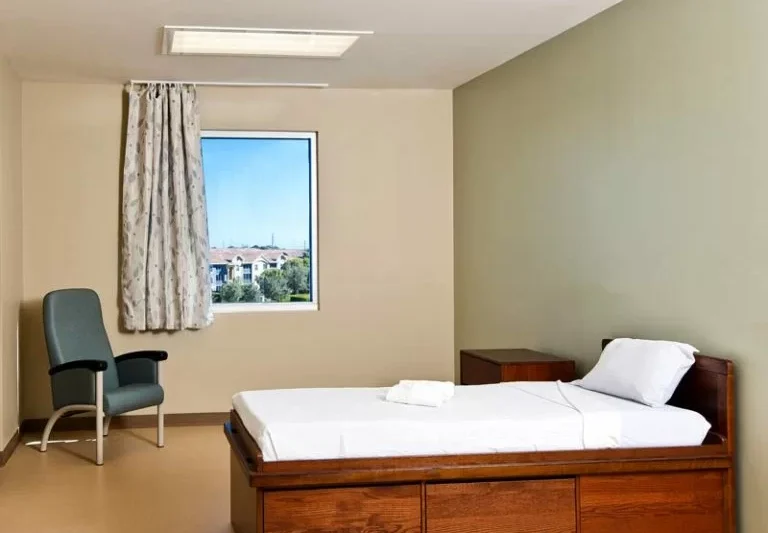
Park Royal Hospital 3 photos


Comparison facts and sources
Private 114-bed freestanding psychiatric hospital providing age-specific inpatient, PHP and IOP services. · Inpatient hospital: 9241 Park Royal Drive, Fort Myers, Florida 33908; separate outpatient services in Fort Myers and Naples
- Published fee information
- Quote required
- Before admission
- The mapped address is the inpatient hospital. Fort Myers and Naples outpatient services are separate settings and do not imply residential accommodation.
- Continuing care
- Discharge planning and step-down PHP or IOP are individualized; separate outpatient locations should not be represented as residential wards.
Source record · October 14, 2026
Provider-published information checked October 14, 2026. Confirm age eligibility, program location, clinical recommendation and payer authorization directly with Park Royal Hospital.
Luxury rehab comparison · Fees and inclusions · Selection methodology
Park Royal Hospital is a private, freestanding 114-bed psychiatric hospital in Fort Myers, Florida. Its current official pages describe care for adolescents ages 12–17, adults age 18 and older, and senior adults, with program eligibility determined by age, clinical need and level of care.
The Fort Myers continuum includes short-term inpatient psychiatric care, medically assisted detoxification for adults and older adults, partial hospitalization and intensive outpatient treatment. The adolescent inpatient program typically lasts five to seven days. Park Royal’s adult and senior IOP usually lasts about two to 12 weeks, while its adolescent IOP offers on-site and virtual programming.
The mapped inpatient hospital is at 9241 Park Royal Drive, Fort Myers, FL 33908. Park Royal also operates outpatient services in Fort Myers and a separate IOP location in Naples, so those settings should not be presented as one residential campus.
Park Royal states that it accepts most types of insurance and offers benefit verification. The hospital’s price-transparency guidance directs patients to request an individual estimate after insurance and describes self-pay discounts, financial assistance and payment-plan options; it does not publish one universal program price.
Assessment determines the appropriate hospital program
The admissions guidance describes a free, confidential assessment and separate criteria for general adult inpatient care, psychiatric intensive treatment, geriatric care and co-occurring concerns. These are different clinical pathways within the hospital. The team considers the person’s ability to function safely in a less structured setting and participate in the proposed treatment.
Provide current psychiatric and medical information, daily-living support needs and details of existing clinicians. If the hospital is not an appropriate fit, Park Royal says it can work with community contacts to suggest another program. An initial inquiry therefore should establish the right level and receiving unit before accommodation or convenience becomes the main consideration.
Ask the assessment team to explain its recommendation and any additional medical evaluation needed. The published admissions criteria are provider guidance, not a substitute for an urgent clinical assessment or a complete explanation of a patient’s legal rights.
Adolescent inpatient care is short-term stabilization
The adolescent inpatient program serves ages 12–17 with acute mental-health concerns that cannot be adequately managed through outpatient care. Park Royal describes five to seven days as typical, with the actual stay depending on need and progress. Groups are central; individual sessions are provided as needed or requested, and a family session is described before discharge.
The program page also describes medication management, basic nonacute medical care and detox services for adolescents when needed. More serious medical concerns require care at another hospital. Families should therefore provide full medical and substance-use information rather than assuming every presentation can be handled on this unit.
Discuss parental involvement, the child’s current treatment and the plan after stabilization. A short hospital stay is not a complete long-term school, family or therapy plan. Confirm the receiving outpatient provider and what practical support will be required when the adolescent leaves.
The adult unit uses a structured group schedule
The adult inpatient information describes a multidisciplinary assessment, daily contact with a staff psychiatrist and around-the-clock clinical and nursing support. The published routine includes four groups on weekdays and three on weekend days, combining social-work and activity-therapy sessions.
The page gives an average stay of ten days and a broader two-to-30-day range. Those figures describe the provider’s program experience, not a required duration or guaranteed discharge date. The clinical team should explain how symptoms, daily functioning and the recommended next level affect the individual plan.
Each unit has a discharge planner who helps arrange community referrals. Before leaving, clarify the follow-up appointment, prescriptions and who will answer questions until outpatient care begins. The provider describes only a temporary discharge prescription, so continued prescribing should be arranged explicitly. With the patient’s permission, a support person and existing clinician can help coordinate that handover.
Senior care addresses psychiatric needs alongside daily functioning
Park Royal’s geriatric inpatient program brings together psychiatric, medical, nursing, therapy and dietary professionals for older adults. The provider explains that memory difficulties may coexist with a psychiatric condition, but it does not admit someone solely because they have dementia.
That distinction helps families avoid confusing a psychiatric admission with a long-term memory-care placement. Describe changes in behavior and functioning, established diagnoses, current medicines, mobility and the amount of help needed with daily activities. The hospital should explain which concerns it can address and whether another medical or residential service is also required.
The program notes that some patients need a different living arrangement after treatment because their previous home cannot provide sufficient support. Discuss this early with the discharge team and involve the appropriate family members or representatives. Hospital stabilization and a sustainable longer-term care arrangement are related decisions, but one does not automatically resolve the other.
Adult detox is a medically supervised phase of care
The detox program page describes care for adults with substance dependence under medical and mental-health supervision. Medication may be used to manage withdrawal-related discomfort as clinically appropriate. The program is presented as an initial phase that can connect with further treatment.
Tell the assessment team about all substances and prescriptions, recent use, prior withdrawal problems and other health conditions. Do not use a general program description to decide independently when or how to stop a substance or medication. The admission plan should specify what monitoring is available and which needs require a different medical setting.
Ask what follows withdrawal management: psychiatric treatment, a longer addiction program, outpatient support or another service. Completing detox does not by itself establish the continuing-care plan. The website’s broad promotional assurances should not replace an individual explanation of expected benefits, risks, alternatives and the support needed after this phase ends.
RESTORE is a separately described addiction program
The RESTORE program is described as longer-term inpatient addiction care using an abstinence-based model and Hazelden’s Living in Balance curriculum. Its published components include group, activity and recreation therapies, 12-step groups and education about addiction, mental health and recovery.
Ask whether RESTORE is the proposed destination and how its schedule differs from a short psychiatric admission or detoxification. The dedicated page calls the program longer-term but does not establish a single duration, so the adult unit’s average stay should not automatically be applied to it. Request the planned review points and financial authorization for the actual service.
The provider describes a multidisciplinary team that may include psychiatrists, social workers, counselors, recreation therapists and nurses. Clarify which professionals will be involved in the person’s plan and how co-occurring mental-health concerns will be managed. Participation in a named curriculum or 12-step group does not remove the need for individualized medical and discharge planning.
PHP offers intensive daytime support for adults
The partial hospitalization program serves adults ages 18 and older, including seniors, with mental-health concerns and co-occurring addictions. Park Royal offers onsite and virtual formats. Its typical description is two to four weeks with intensive daily programming and about five groups a day, subject to individual needs.
PHP can be considered as additional support beyond ordinary outpatient care or as a transition from inpatient treatment. It should not be understood as overnight hospital accommodation. Discuss where the patient will stay, transport, the home environment and what support is available outside scheduled sessions.
Groups are the main component, with individual therapy as needed and medication management according to the plan. The provider usually describes weekly psychiatric contact for medication management. Confirm the current schedule, remote participation requirements and how concerns between sessions are handled. Discharge recommendations may include IOP, outpatient therapy, medication follow-up or community support.
Adult and senior IOP has a different level of intensity
The adult and senior IOP is available onsite or virtually for people age 18 and older. It may follow inpatient care or PHP, or provide structured support when ordinary outpatient appointments are insufficient. The provider gives an approximate two-to-12-week duration and multiple attendance days weekly, usually with three groups each day.
Ask which days and hours apply to the proposed cohort before making work, caregiving or travel arrangements. The published range does not guarantee that everyone attends for the same number of weeks. Progress, clinical needs and the care plan should guide those decisions.
Individual therapy is described as available when needed, with psychiatric and nursing support for medication management where appropriate. Clarify which services are scheduled and which require an additional request. The discharge team provides recommendations and referrals, which may include therapy, recovery meetings or support groups; confirm actual appointments rather than assuming a referral guarantees immediate access.
Adolescent IOP can begin without a prior hospital stay
The adolescent IOP serves ages 12–17 and offers onsite or virtual participation based on the young person’s needs. The page explicitly allows entry without first completing another level of care. It describes two to 12 weeks as typical and a psychiatric consultation at admission, with additional consultations as needed.
Group therapy is central, using methods such as CBT, DBT and motivational interviewing. The provider describes three to five group sessions per attendance day, but families should obtain the actual cohort timetable and clarify how it fits with school and home responsibilities.
For online participation, discuss the young person’s physical location, privacy, technology, supervision and support outside sessions. A virtual option is not a guarantee of availability in every jurisdiction or suitability for acute safety needs. The assessment should establish that outpatient care is appropriate and explain what the family should do if the young person needs more immediate help.
ECT requires a separate clinical and consent discussion
The ECT information describes a dedicated six-bed treatment suite and both inpatient and outpatient services. Park Royal determines eligibility case by case, and the number of sessions depends on individual needs. The procedure involves general anesthesia and clinical monitoring.
If ECT is being considered, ask the treating psychiatrist to explain the reason for recommending it, reasonable alternatives, expected benefits and risks, including cognitive or memory concerns. The discussion should address the person’s medical history, current treatment and ability to give informed consent; a website list of diagnoses cannot establish suitability.
Request the actual preparation, recovery and transport instructions from the treating team rather than following general online instructions. An outpatient course also needs a clear plan for support between visits and follow-up afterward. A specialized suite is a treatment resource, not a guarantee that ECT is appropriate for every person entering the hospital or that it replaces ongoing psychiatric care.
Prepare for inpatient visiting and communication rules
The hospital FAQ describes unit-specific visiting and calling arrangements, a patient PIN for authorized contact, and restrictions during the admissions period. It says visitors must be adults, provide identification and follow staff instructions. Confirm the current arrangements for the receiving unit before anyone travels.
Patients are asked to bring a small supply of comfortable clothing and necessary personal aids, with laundry available. Personal communication devices and internet-enabled electronics appear on the prohibited-items list. These inpatient rules should not be confused with the technology needed for a virtual outpatient program.
Ask admissions about essential accessibility items, medication handling and any belongings that require approval. The hospital inventories property and may store some items separately. Share the correct contact process only with the people the patient wishes to involve, and coordinate discharge communication in advance. The FAQ’s timetable should be checked directly because hospital routines and visiting restrictions can change.
A hospital charge list is not a personal treatment quote
Park Royal’s price-transparency guidance distinguishes standard hospital charges from negotiated prices and a patient’s out-of-pocket responsibility. It directs patients to request an estimate after insurance, and describes possible self-pay discounts, financial assistance and payment arrangements.
The hospital says many services use daily rates, subject to the program and stated exceptions. The charge list may omit professional, laboratory or pharmacy expenses. Affiliated professionals may bill separately and may not participate in the same insurance plans as the hospital.
Obtain a written estimate for the actual program and ask about deductibles, copays, coinsurance, separate clinicians and uncovered services or days. If assistance or a payment plan is proposed, confirm eligibility and terms. The public list is useful background, but it does not establish a universal weekly fee, guarantee authorization or predict the final bill for an individual admission.
Official Park Royal program, admissions, practical guidance and funding pages were reviewed October 19, 2026. Published ranges and service descriptions remain subject to individual assessment and current confirmation; no independent outcome or regulatory finding is claimed.
Compare Florida treatment options and read about depression care and co-occurring treatment.
Official sources checked October 10, 2026: provider overview, Fort Myers location, adolescent inpatient program, adult and senior IOP, adolescent IOP, and insurance and price transparency.