Paracelsus Recovery


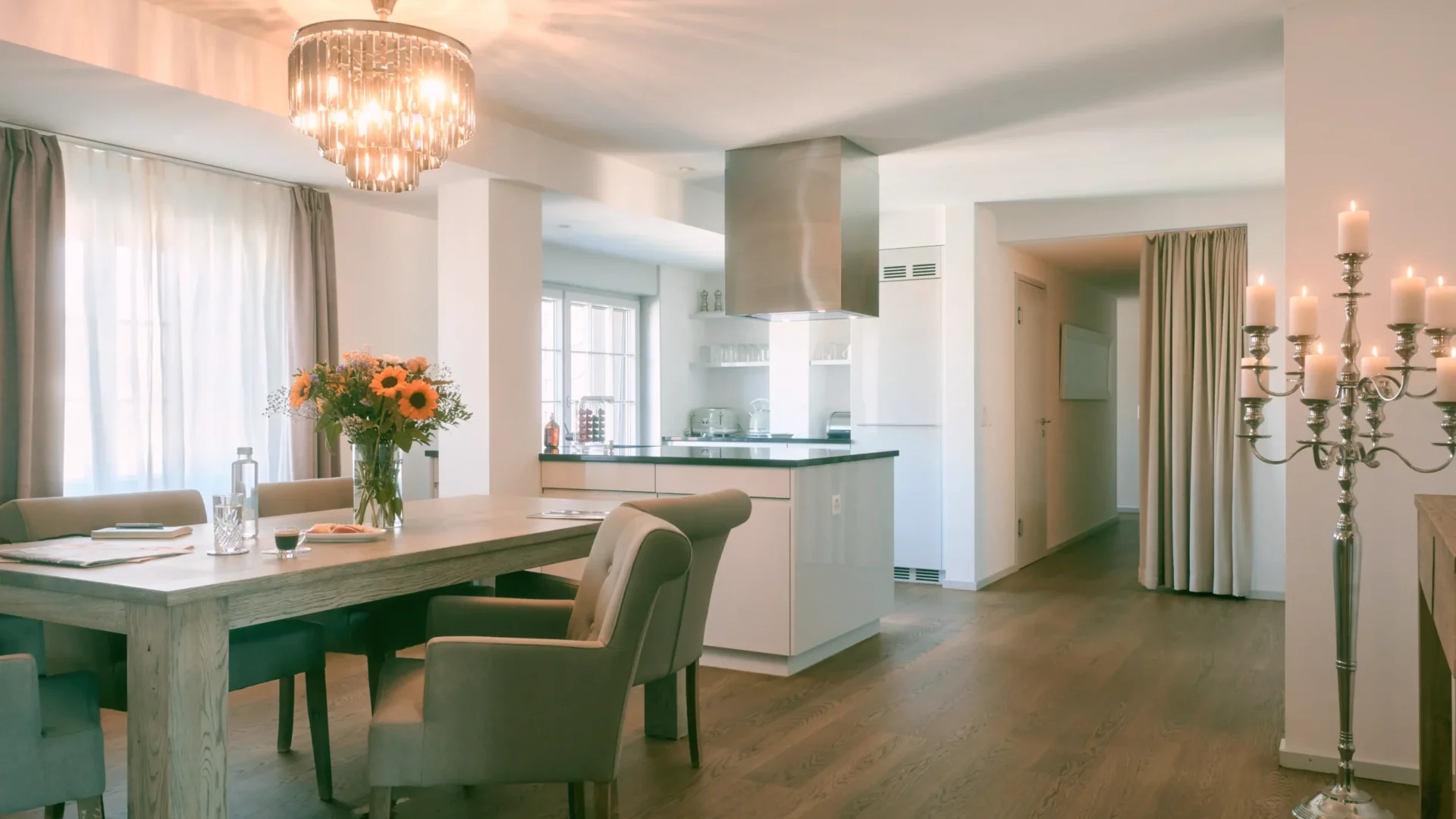
Paracelsus Recovery 3 photos



Comparison facts and sources
One-client-at-a-time care in a private apartment · Zurich, Switzerland
- Published fee information
- CHF 110,000 / week
- Before admission
- The residential program is advertised as four weeks or longer, with the duration individualized after assessment. Executive detox, assessments and aftercare are separately described programs; confirm the final written offer.
- Continuing care
- Individualized aftercare may include a live-in therapist, remote or in-person psychiatry, therapy, medication and nutrition support. Live-in 24/7 support starts at CHF 2,500 per day.
Source record · 2026-10-18
Residential duration, program prices and linked service information source-checked October 18, 2026; this is not an independent clinical inspection. Independent facility-level licensing verification was not completed in this targeted review.
Luxury rehab comparison · Fees and inclusions · Selection methodology
Comparisons featuring this provider: Best Luxury Rehab Centers in Switzerland · Best Luxury Rehab Centers in Zurich · Best Luxury Depression Treatment Centers in Switzerland.
Provider overview
Paracelsus Recovery is a private mental health and addiction treatment provider in Zurich, Switzerland. Its residential program combines individual psychiatric and medical care with a private penthouse apartment and a live-in therapist.
Treatment and setting
The provider advertises residential rehabilitation, an executive detox program, health assessments and aftercare. The residential program includes medical and psychological assessment, individual therapy and, when required, medically supported detox. Its published contact address is Utoquai 43, 8008 Zurich, Switzerland.
Sources: Paracelsus Recovery official website, private apartment accommodation and official contact page.
Published duration, fees and admissions
The residential program is advertised as four weeks or longer, with the duration individualized after assessment. The published four-week program starts at CHF 110,000 per week. Executive Detox is advertised as a seven- to ten-day program, with the price page listing CHF 130,000 per week, the one-week Comprehensive Check-up is CHF 130,000, and the three-day health assessment is CHF 31,000 excluding accommodation. Live-in aftercare starts at CHF 2,500 per day. Paracelsus states that treatment is normally privately funded and it does not work directly with insurers; documentation can be supplied for reimbursement requests, but reimbursement is not guaranteed. Full payment is due before admission, and card payments carry an approximately 5% processing fee.
Sources: official program prices and official FAQ.
How the residential program is organized
Paracelsus describes its residential rehabilitation as an individual program lasting four weeks or longer. Initial medical, psychological and psychiatric assessments inform the schedule, so the advertised program length is a planning starting point. A person seeking support for alcohol use, depression or several overlapping concerns should ask how the proposed assessments will change their actual treatment plan. The useful output is a set of priorities, responsible clinicians and review dates, rather than a long list of investigations without an explanation.
The provider’s residential program description includes individual psychotherapy, medical care and complementary treatments, with medically supported detoxification when required. Ask for a representative week showing the time allocated to each component and how the schedule changes during stabilization. Work, family contact and recreation also need a place in that plan. A private schedule can offer flexibility, but the clinical team still needs to decide whether the proposed commitments are compatible with care.
What the private residence arrangement means
The accommodation model is a significant part of this Zurich program. Paracelsus describes private penthouse residences with a bedroom, bathroom, kitchen and space for therapy. Its hospitality information names the Harmonia, Equilibria and Serenitas residences and describes private chef, housekeeping and driver services. These details help distinguish the arrangement from a private bedroom within a shared inpatient clinic. Ask which residence is included in the individual offer, whether a companion can stay and whether accessibility or dietary requirements can be accommodated there.
According to the official hospitality description, many appointments take place at the residence, while some specialist consultations, medical investigations and activities require travel elsewhere. The driver service therefore has a practical role beyond airport transfers. Clarify which appointments require leaving the apartment and how transport, waiting time and privacy are managed. Photographs illustrate the accommodation offering, but the assigned property and its specific facilities should appear in the booking documentation.
The role of the live-in therapist
Paracelsus makes a live-in therapist a prominent part of its treatment model. The provider describes a psychotherapist or counselor staying in a separate part of the residence, or in an adjacent hotel room when relevant, to provide support between scheduled sessions. This creates opportunities to discuss difficulties as they arise during the day rather than waiting for the next formal appointment. The role also includes sharing relevant observations with the wider treatment team.
The live-in therapist description is useful when evaluating what continuous support means in practice. Before admission, establish the assigned professional’s qualifications, working arrangements and cover during breaks or leave. Ask who handles a medical concern overnight and when a psychiatrist or physician is involved. Continuous access to a supportive professional and continuous attendance by a medical doctor are different staffing arrangements; the written plan should explain the actual arrangement proposed for the client.
Psychiatry and the individual clinical plan
The provider describes psychiatry as a central component of care, with a senior psychiatrist involved in assessment and treatment planning alongside other clinicians. Its published approach considers mental health symptoms, medical history and the interaction between psychological and physical concerns. This is especially relevant when the reason for admission includes both substance use and another mental health difficulty. Ask who will review existing diagnoses and prescriptions, and which changes would require discussion with an established clinician at home.
The official psychiatry page describes collaboration with psychotherapists and individualized treatment, including medication when appropriate. It does not establish which interventions an individual applicant will receive. During assessment, request an explanation of each proposed treatment’s purpose, alternatives and review process. Where additional testing or a specialized intervention is suggested, ask what clinical question it is intended to answer and how the result would affect care. A detailed plan should connect investigations and appointments to the client’s identified needs.
Understanding the published team structure
The public team directory separates medical leadership, psychiatrists, psychologists and counselors, complementary practitioners, hospitality and administration. At the time of this source review it identifies Dr. Kjell R. Brolund-Spaether as Group Medical Director, Dr. Werner Gerber as Medical Director and Dr. Thilo Beck as Lead Psychiatrist. The medical team also lists clinical coordinators and nutrition professionals. These are provider-published roles, rather than an assurance that every named person will personally treat every client.
Use the current team directory to make the proposed staffing arrangement concrete. Ask who will lead the individual case, who coordinates the weekly schedule and which professionals are available at the residence versus by appointment. An advisory-board role should be distinguished from routine clinical responsibility. For international clients, language, professional registration and arrangements for communication with existing clinicians are also useful details to establish before travel. The assigned team and its responsibilities matter more than the total number of people shown on a website.
Coordination with hospitals and outside specialists
Paracelsus describes working with hospitals and specialist clinics in Zurich when investigations or treatment require services outside its residential model. Its hospital collaboration page gives examples involving physical health concerns and additional diagnostics, while describing continued psychological and practical support from the Paracelsus team. This is a coordination model to clarify during admission, particularly when an applicant has a substantial medical history or expects to combine rehabilitation with other specialist care.
The provider’s hospital collaboration explanation does not identify the exact hospital, admission status or contractual arrangement for every client. Ask which organization will provide each investigation, who receives the results and who is responsible for follow-up. The written proposal should also address external invoices and additional treatment costs. This allows a family to understand how residential care and outside medical services fit together without assuming that all possible hospital care is included in the residential fee.
A health check-up has a different purpose
The seven-day Comprehensive Health Check-Up is presented as an assessment program that produces findings and recommendations. It should be compared with other diagnostic services on that basis, rather than treated as a shorter version of a full residential mental health program. Paracelsus describes a range of medical assessments and a report, followed by a debrief that can take place in person or online. Its published timetable places that discussion approximately four to six weeks after the stay.
The check-up program description says further treatment may be proposed separately or an external referral may be appropriate. Before booking, ask which assessments are relevant to the person’s history, which are optional and who will interpret any incidental finding. Confirm what happens between departure and the later debrief. A clear follow-up arrangement should identify who communicates urgent findings, who receives the final report and how any recommended treatment is arranged and priced.
How the executive detox offering differs
The provider currently labels its Executive Detox page as a seven- to ten-day program, while its pricing page describes a seven-day package. The offering includes assessment, medically assisted withdrawal where appropriate, psychological support and other components selected by the team. The difference in published duration makes an individualized written timetable particularly important: confirm the expected length and the financial consequences if more time is needed.
Paracelsus presents the Executive Detox program for people considering a shorter stay after problematic alcohol, drug or medication use. Admission still requires a clinical decision about the setting and level of support. Ask what happens after the immediate detoxification period, including whether further residential care or appointments at home are advised. The practical comparison is the scope of the whole plan, from assessment through follow-up. A shorter advertised stay should not be read as a promise that every applicant can complete all necessary care within that period.
Family education and consent
Paracelsus describes joint family psychoeducation when desired and clinically appropriate, with up to three recommended sessions during treatment. The stated focus is helping a support network understand the treatment process, prepare for the client’s return and discuss how to respond constructively. Its definition of family can include a partner, friend or another established support person. The provider separately identifies traditional family or couples therapy as an additional service that may carry an additional cost.
The family psychoeducation page states that participation is not forced. Before arranging a session, clarify the client’s consent, who will attend and what information can be shared. Supporters may also have needs that require their own professional advice. Distinguish an educational meeting about the client’s treatment from therapy addressing a family’s wider relationships. This makes the proposed session’s purpose clearer and helps everyone prepare useful questions without assuming unrestricted access to confidential clinical information.
Planning the transition home
Paracelsus describes aftercare that can continue online or in person, including the possibility of a live-in therapist accompanying a client home. The range also includes psychiatric follow-up and coordination with existing professionals. These options allow the discharge plan to reflect where the client will actually live, rather than assuming that continued attendance in Zurich is practical. They should be discussed while the residential team still has time to arrange a handoff.
The aftercare description emphasizes individualized arrangements. Ask which professional remains responsible after departure, how appointments are scheduled across time zones and who handles prescriptions locally. A live-in arrangement needs explicit dates, duties, cover and contact boundaries. For online follow-up, confirm professional availability in the destination country and what happens if a higher level of support is needed. The most useful discharge documentation connects the work completed in Zurich with named appointments, responsibilities and review points at home.
Clarifying the complete financial proposal
The published price schedule separates residential treatment, executive detox, health assessment and aftercare. Its additional-cost section identifies travel, requests outside treatment scope and some additional medical resources as possible extras. The three-day assessment excludes accommodation, while the advertised live-in aftercare starting fee is a daily amount. Ask for the complete proposed duration, included accommodation and staffing, any external charges and the terms for extensions in one written offer. This makes the financial commitment easier to compare with a clinic that quotes a different period or includes a different level of ongoing support.
Compare Paracelsus Recovery with other providers
Use these comparison guides to review care settings, treatment scope, costs, and continuing care before requesting a personal assessment and written quote.
Source check: October 18, 2026, for the additional provider details above.
Sources and verification
Provider information, contact details, program duration, fees, insurance and payment terms checked on September 20, 2026. This profile summarizes the provider’s public information; it is not an independent clinical assessment. Confirm suitability, availability, inclusions and the complete cost directly with the provider.