Pacific Grove Hospital


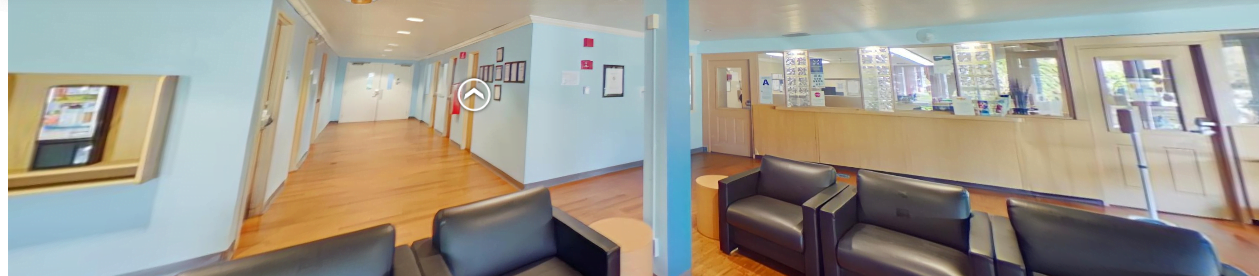
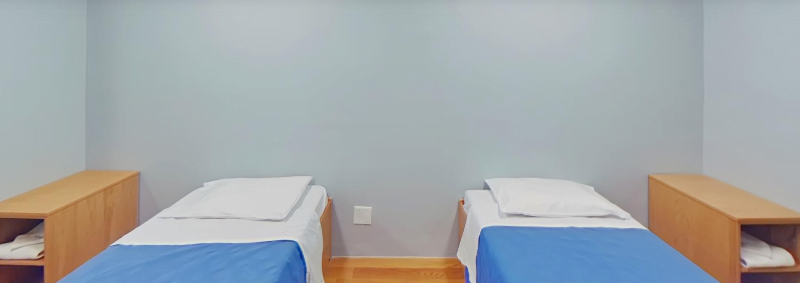
Pacific Grove Hospital 3 photos


Comparison facts and sources
A 68-bed acute psychiatric and chemical-dependency hospital offering adult inpatient and outpatient care; not a generic long-term residential rehab. · 5900 Brockton Avenue, Riverside, California 92506
- Published fee information
- Quote required
- Before admission
- This is an acute hospital. PHP and IOP are non-residential and their schedules do not establish an inpatient length of stay.
- Continuing care
- Continuing care may include family treatment, alumni support and 12-step meetings; PHP and IOP may provide step-down care.
Source record · October 14, 2026
Provider-published information checked October 14, 2026. Confirm current hospital licensing, program eligibility and payer authorization directly with Pacific Grove.
Luxury rehab comparison · Fees and inclusions · Selection methodology
Pacific Grove Hospital is a 68-bed behavioral-health hospital at 5900 Brockton Avenue in Riverside, California. It provides inpatient and outpatient care for psychiatric conditions, substance-use disorders and co-occurring needs.
Current official program pages describe adult inpatient treatment, partial hospitalization and intensive outpatient care. Admissions decisions are made case by case, and the published psychiatric admission criteria require patients to be age 18 or older and medically stable. Pacific Grove also lists family programming, alumni support and crisis-stabilization services.
Pacific Grove states that it accepts insurance, but eligibility, prior authorization and personal cost require individual verification. No universal self-pay program price was found on the checked official pages.
The Riverside campus is an acute hospital with shared accommodation
The hospital overview describes a 68-bed acute psychiatric and chemical-dependency hospital on a 4.5-acre campus in Riverside. It identifies psychiatric and chemical-dependency units and describes semi-private rooms, patient lounges, laundry facilities, and private courtyards. These details indicate a hospital environment rather than a one-client private residence.
Ask about the unit that would receive the patient, current room arrangements, accessibility, and the daily hospital routine. A campus description does not establish the same accommodation or freedom of movement for every person or clinical situation. The overview publishes a daily half-hour visiting period from 6 to 6:30 p.m.; confirm the current policy and any unit-specific restrictions before making plans. People considering travel should also establish how relatives can communicate with the team and what practical support is available. The relevant comparison is whether the hospital setting can meet the current clinical need, with suitable arrangements for treatment and the transition afterward.
Psychiatric admission has specific age and care requirements
The psychiatric-program page says admission is assessed case by case. Its stated criteria include age 18 or older, medical stability, and no requirement for one-to-one care. The hospital describes acute treatment for suicidal or homicidal ideation and grave disability, alongside concerns such as depression, bipolar disorder, and schizophrenia.
Those criteria need clinical interpretation in the individual case. A diagnosis or symptom alone does not establish acceptance, and the one-to-one-care limitation should be discussed directly when enhanced observation or assistance may be necessary. Explain current risks, recent medical treatment, prescriptions, and any support needs before arranging a transfer. The team should clarify what it can manage and when another setting is required. The provider offers walk-in assessments and around-the-clock admissions contact, but immediate danger should be addressed through emergency care rather than a routine inquiry. Ask how medical evaluation, psychiatric treatment, and any co-occurring substance use needs will be coordinated if admission is appropriate.
Chemical-dependency care begins with an individual medical review
The chemical-dependency program describes medically managed withdrawal treatment, inpatient rehabilitation, and assessed PHP or IOP options. It identifies a health-history interview and physical examination by an addiction-medicine specialist, along with psychosocial evaluation, counseling, and psychiatric consultation when indicated. Twelve-step participation is also listed.
Ask which elements apply to the proposed admission and how existing prescriptions or other treatment will continue. The presence of detox services does not mean every person entering psychiatric or outpatient care needs withdrawal management. Current use, health conditions, previous withdrawal experiences, and other risk factors belong in the assessment. For someone with chronic pain, the page discusses alternative pain-management approaches; clarify the actual plan with the medical team rather than infer that all medicines will be stopped or replaced. Continuing care may involve family services, alumni support, or community meetings. Those activities should be linked to the individual’s clinical follow-up and should not be confused with a guarantee of a particular recovery outcome.
PHP and IOP have different published attendance requirements
The current outpatient overview lists PHP for six hours a day, five days a week, and IOP for four hours a day, three days a week. It describes about two to four weeks for many participants in either program, with progress reviewed individually. Both are adult services, and participants return home or to another residence after sessions.
Confirm the actual start and finish times, transport, and clinical appointments before organizing daily responsibilities. The programs can provide a step down, and the overview also allows direct entry when clinically appropriate. Group therapy is central, with individual counseling, possible family therapy, and medication management according to need. Ask how these fit into the published treatment hours. A two-to-four-week outpatient description does not establish the duration of an inpatient hospital stay. It also does not include an overnight bed. The plan should address the environment and support available outside sessions, as well as the criteria for changing treatment intensity.
Family sessions are different from ordinary visiting time
The family program describes weekly therapeutic sessions involving the patient, loved ones, and a therapist. Its goals include understanding mental illness or substance use, improving communication, and discussing how supporters can help during recovery. This is a clinical service with a different purpose from visiting on the unit.
Ask who can participate, how appointments are scheduled, and whether remote involvement is possible for supporters who live elsewhere. Establish the patient’s preferences, consent arrangements, and the information that can be shared. Family members may need education or support of their own, and joint meetings should take relationship safety and boundaries into account. A supportive plan does not require every relative to attend every appointment or make reconciliation the goal. Before discharge, useful topics include communication about warning signs, transport, household expectations, and how to contact ongoing care. Confirm any charges or program-specific restrictions rather than assume all family services operate identically across inpatient and outpatient settings.
Intake includes assessment, orientation, and a belongings policy
The admissions instructions describe gathering identification and insurance information, discussing current medicines and symptoms, and completing clinical evaluation. The hospital says it will refer to another provider when a different setting is more appropriate. After the initial steps, patients review policies and receive an orientation and further assessment.
Prepare an accurate medication list and ask how current prescriptions should be brought and reviewed. The published packing guidance calls for two to three days of clothing without strings, lace, or metal. It also restricts several personal items and says valuables and electronics are kept in a locked safe. Confirm the current requirements for the receiving unit, especially if disability, communication, or medical needs affect belongings. Ask about approved reading material and other practical comforts before arrival. These arrangements should support a clear admission process; they do not replace the clinical decision about whether the hospital can meet the person’s needs. Keep a contact available for questions before transfer.
Referring clinicians can coordinate directly with the intake team
The professional-referral page describes around-the-clock intake staff who can screen referrals, consult physicians, and review benefits. It also says the hospital seeks information from existing professionals and communicates about progress within confidentiality requirements. Patients may contact admissions themselves after discussing options with a referring clinician.
A useful handover identifies the immediate concern, treatment already provided, current prescriptions, medical issues, and the reason a particular care level is proposed. Ask which records are needed and how the receiving team will confirm acceptance. The referring and receiving services should agree on the transfer arrangements and any remaining assessment steps. Do not assume that sending paperwork confirms a bed or a specific program. With appropriate consent, continued communication can help the hospital understand previous treatment and prepare a discharge plan. The patient should also understand who is responsible during each stage and which professional will resume ongoing care after leaving the hospital.
Depression treatment planning includes the period after hospitalization
The depression-treatment page describes medical and psychiatric evaluation, medication review, individual therapy, group work, and family involvement. It identifies several discharge possibilities: PHP, IOP, or standard outpatient therapy with community resources. The route depends on the person’s needs and progress, rather than everyone completing an identical sequence.
Ask what concerns the assessment is addressing and which treatment goals matter most to the patient. Discussions can include daily functioning, sleep, relationships, safety, and previous responses to care. Medication decisions belong with the treating clinician, including how benefits, unwanted effects, and follow-up will be reviewed. The availability of inpatient depression care does not make hospitalization necessary for every depressive disorder. When a hospital stay is appropriate, identify the next appointment and the practical support needed at home before discharge. Any assistance with housing or employment should be clarified as support and referral planning, without assuming a guaranteed placement or job.
Anxiety care should distinguish symptom support from medication changes
The anxiety-program description outlines medical and psychiatric assessment, individual therapy using CBT, group work on coping and stress, and family education. It also describes medication management that can differ between patients and continuing care through outpatient programs or community referrals.
Explain what anxiety prevents the person from doing, which situations are difficult, and what treatment has already been tried. Ask how the plan will address those concerns and how progress will be assessed. Medication reduction is not a universal treatment goal or something to undertake independently because a program page mentions tapering. The prescribing clinician should explain any proposed change and the follow-up needed. Group participation, physical activities, and other interventions should also be matched to the person’s needs and comfort. For discharge, identify realistic ways to continue practicing skills alongside clinical care. A hospital program should be selected because its level of support fits the current situation, not simply because anxiety appears on its treatment list.
Bipolar care requires a clear ongoing treatment plan
The bipolar-disorder page describes assessment, medication management, individual and group therapy, family work, and planning that begins during admission. It discusses skills for managing symptoms, recognizing triggers, communicating, and preparing for discharge. These services are intended to connect the hospital episode with longer-term treatment.
Ask who will manage psychiatric follow-up and prescriptions after leaving, what changes should prompt contact with the treating team, and how relevant information will reach the next clinician. The program’s discussion of medication categories is not a personal prescription or a reason to start, stop, or change a medicine without clinical advice. Family involvement should reflect the patient’s preferences and the goals of care. The page also describes outpatient step-down options, but actual session times should be confirmed with the current program. A treatment plan should address both the immediate episode and the support needed afterward, without presenting one hospital stay as completion of all future care.
Insurance acceptance and a written estimate answer different questions
The insurance and payment page says Pacific Grove accepts many major insurers and private payment. It directs prospective patients to discuss their circumstances with the hospital. It does not provide a universal cash price for inpatient care, PHP, IOP, or an entire treatment course.
Ask for benefit review tied to the actual program and billing provider. Clarify authorization requirements, expected personal charges, and any hospital, professional, medication, or other services billed separately. If a plan changes from inpatient care to outpatient treatment, verify the new service rather than assume the same coverage continues automatically. A typical duration is useful for planning attendance, but it cannot establish total cost without the applicable clinical and financial terms. Keep the hospital’s estimate separate from the insurer’s coverage determination. Someone paying privately should request the included services, review points, and terms for an extended or shortened course before relying on a quoted amount.
The published leadership list does not identify an assigned care team
The staff directory identifies executive and departmental leadership, including pharmacy, utilization review, risk management, and intake. It lists Stefanie Magalong as chief executive officer, Talib Al-Mado as pharmacy director, and Gerard Palmer as director of intake and admissions. Those provider-published roles describe organizational responsibilities.
For an individual admission, establish the treating psychiatrist or other prescriber, therapist, nursing contacts, and discharge coordinator. Ask how questions about medicines, appointments, or the care plan are handled on the receiving unit and in outpatient treatment. A leadership directory does not establish a guaranteed staffing ratio or a schedule of personal appointments. Patients should know how to raise a concern and who can respond during the stay. Clear role assignments also help supporters, when authorized, understand where to direct practical questions. For the transition home, identify the ongoing clinician separately from the hospital staff who organize the discharge.
Official Pacific Grove Hospital information reviewed October 19, 2026. Confirm current admission suitability, unit arrangements, outpatient schedules, family participation, follow-up appointments, and individual financial terms.
Sources
Official provider pages checked October 10, 2026: hospital overview, address and phone; campus and capacity; current adult programs; 18-and-older psychiatric admission criteria; admissions and insurance guidance.