One Recovery Bucks
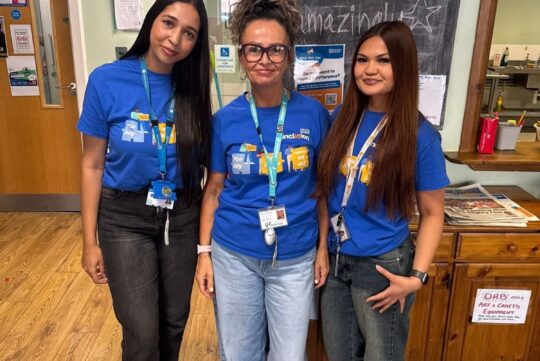
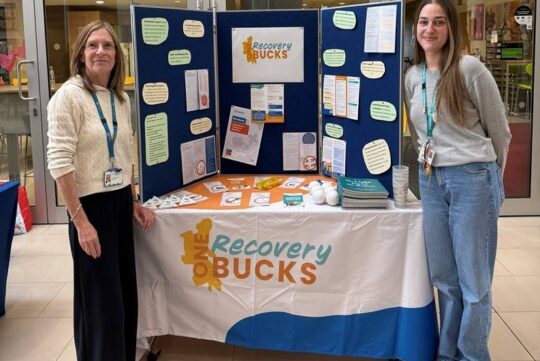

One Recovery Bucks 3 photos
Comparison facts and sources
Free community drug-and-alcohol support, not a private residential campus. Eligibility and the appropriate support pathway are assessed. · Aylesbury: 5–7 Walton Street, HP20 1TZ. Service telephone 0300 772 9672; Buckinghamshire, England.
- Published fee information
- Quote required
- Before admission
- Detailed taxonomy, maps/social links and individual referral eligibility remain unverified. No residential fee or duration is applicable.
- Continuing care
- Ongoing recovery support is part of the community service model, rather than a separate discharge phase from an accommodation programme.
Source record · October 19, 2026
Reviewed October 19, 2026: the detailed service pages’ age-18 eligibility, community treatment and referral pathways. Confirm personal eligibility, appointments, the proposed support and arrangements for any separate receiving provider..
Luxury rehab comparison · Fees and inclusions · Selection methodology
One Recovery Bucks is a confidential drug-and-alcohol support service for people living in Buckinghamshire, England. It is not a private residential rehabilitation campus.
Services and eligibility
The service supports adults aged 18 and older who are affected by their own drug or alcohol use and also provides advice for families and caregivers. Published options include harm-reduction support, needle and syringe provision, online self-help resources and self-referral.
Cost and access
One Recovery Bucks describes its service as free and easy to access for Buckinghamshire residents. Because it is a community service rather than a residential program, a weekly accommodation price and residential length of stay do not apply.
A publicly commissioned service with several partner organizations
The service’s organizational description identifies One Recovery Bucks as a Buckinghamshire Council commissioned drug-and-alcohol service led by Inclusion, part of Midlands Partnership University NHS Foundation Trust. Its named partners include Aquarius, Connection Support, Build on Belief and Adfam. This is a community support system with several contributing organizations, rather than a single accommodation-based treatment package.
That structure matters when deciding where to seek help. Clinical appointments, family support, social activities and assistance with practical problems may involve different staff or partners. Ask who will be the main contact and how referrals between services work. A person can discuss a specific concern without first choosing a residential program. The relevant starting point is an assessment of needs, goals and circumstances, followed by an explanation of what the local service can provide directly and what would require another organization.
Drug treatment begins with an individual assessment
The detailed drug support page specifies free, confidential help for Buckinghamshire residents aged 18 and older. It describes individual assessment, structured counseling, group work, recovery education, medical support when appropriate and assistance accessing inpatient or residential services. The team includes recovery workers, doctors, nurses, community connectors, peer mentors and volunteers.
These are different forms of help, and an assessment should explain which are relevant to the person. Medical support or a referral does not mean the community hub itself provides overnight residential care. Bring information about current prescriptions, existing professionals and previous treatment so that the team can plan continuity. Employment support and practical assistance can also be discussed where these affect attendance or daily life. The aim is a workable local plan, with a named person responsible for following up any referral that another provider must accept.
Alcohol support includes health review as well as behavior change
The alcohol service description lists different intensities of support, including individual work, groups, digital programs, medical input, health checks and liver-function testing. It also describes liaison with general practitioners and other health services. This gives someone an opportunity to discuss physical health alongside drinking patterns and the practical circumstances surrounding alcohol use.
The assessment should determine whether community treatment is appropriate and whether withdrawal management or a different setting is needed. Ask the clinician for a specific plan before making changes that could involve withdrawal, rather than treating a general online support option as a medical assessment. A useful care plan identifies the next appointment, what will be monitored and who should be contacted if symptoms change. It should also explain whether family involvement, peer support or a digital resource would be helpful additions to the person’s individual work.
Harm reduction does not require identical goals from everyone
One Recovery Bucks’ harm-reduction approach describes agreeing goals with the person rather than coercing a particular treatment target. Published services include overdose-prevention information, prescribing support, health checks, referrals and coordination with other professionals. This allows a discussion about immediate safety and longer-term change without assuming that everyone arrives at the same stage of readiness.
Explain the concerns that matter most now, including difficulties attending appointments, health problems or risks in the current living environment. The team can help distinguish actions that can be arranged locally from those needing another service. A harm-reduction plan should be specific enough to use between appointments and reviewed when circumstances change. It should also be clear how to obtain more intensive help if the agreed community support no longer meets the person’s needs. The published approach supports continued engagement rather than treating a setback as a reason to stop asking for help.
Needle and syringe provision is available without entering treatment
The needle and syringe service provides free sterile equipment, disposal arrangements and advice. It explicitly says people do not need to use the wider drug service to access it, including those who inject performance- or image-enhancing substances. Access is available through the service, participating pharmacies and a postal arrangement described on the official page.
Check the current local access route before traveling. The provider warns that its pharmacy list is not updated regularly, so a listed pharmacy should be contacted to confirm participation and supplies. Someone choosing postal access can still request harm-reduction advice from the team. Ask where used equipment can be returned and what additional health support is available. The existence of this separate access route should not be confused with a requirement to complete a full treatment assessment or agree to a residential referral before receiving supplies.
Naloxone training includes replacement arrangements
The naloxone service page describes providing kits and training for people at risk of opioid overdose, as well as family members, caregivers and professionals. It says a kit can be replaced after use or when it expires. Ask the service about its current training and supply process, including which product is provided and how to request a replacement.
Naloxone is an emergency measure that temporarily reverses opioid overdose effects; it does not replace urgent medical care. The provider explicitly directs people to call an ambulance on 999 during an overdose emergency. Training should cover recognizing the situation, using the supplied product and obtaining emergency help. Families and support workers can discuss access even when they are seeking information for someone else. Keep the current instructions with the kit and ask the team how to check that it remains usable.
Blood-borne virus support connects testing with follow-up
The blood-borne virus information describes offering hepatitis C testing and hepatitis B vaccination within the service. It also explains that the team works with local providers when further care or treatment is needed. The practical value is a route from discussing a concern to arranging the appropriate test and understanding the next step.
Tell the clinician about previous tests, vaccination records and any care already underway. Ask how results will be communicated, whether additional testing is required and which service would provide treatment if necessary. A referral should include a clear contact and follow-up arrangement rather than leaving the person to navigate an unfamiliar service alone. Testing and vaccination are distinct interventions, so the team should explain which is being offered and why. Availability and individual suitability need to be confirmed through the clinical service.
Family members can seek support for their own needs
The family and caregiver service offers individual support, groups, information, community connections and help accessing a caregiver assessment where appropriate. It recognizes that relatives may need help managing their own distress and relationships even when the person using substances has not stopped. Patient-specific involvement in treatment is described as requiring the person’s consent.
A family member can begin by explaining what they need for themselves: understanding a situation, communicating more clearly, setting boundaries or finding support with caregiving. This is different from requesting access to another person’s confidential records. Ask whether a general family group, an individual appointment or another local service is the best fit. Where there are safeguarding concerns, describe them directly so that the team can explain the appropriate response. Support for relatives should have its own goals and should not depend on promising a particular outcome for the loved one.
Digital programs have different access routes
The SilverCloud information describes free online programs covering mindfulness, resilience, sleep and money worries. It separately directs people to speak with their keyworker for the drug- and alcohol-focused programs. These distinctions help identify which resources can be explored independently and which are intended to form part of a supported plan.
Before starting, consider whether there is a private place to work and reliable internet access. Ask how the selected program fits with appointments or group work and whether a staff member will review progress. A self-guided module is different from a live clinical conversation and should not be assumed to provide an immediate response to urgent symptoms. If the material is difficult to use or does not match the person’s concerns, discuss another format. Digital access should make support easier to use, rather than becoming an additional barrier.
The two hubs have separate addresses and practical arrangements
The current contact page lists the Aylesbury hub at 5–7 Walton Street, opposite Aylesbury Library, and the High Wycombe hub at Oasis House on George Street. These are community service locations. Confirm the correct hub and appointment details before traveling, particularly when another organization or a remote session is involved in the plan.
Ask about access to the building, any mobility or communication needs and what to do if transport problems cause a delay. A first assessment, a group and an appointment with a medical professional may have different arrangements. Knowing the destination also helps avoid treating an organization’s head-office address as the place where care will be delivered. If attending in person is difficult, discuss the online and telephone options that are appropriate for the particular service rather than assuming all appointments can be converted automatically.
Distinguish open activities from appointments and invited groups
The published timetables include core-service hours, some evening appointments, open recovery circles, recovery cafés and groups that are marked as invitation-only. They also list activities provided through partners or external fellowships. A busy activity calendar should not be read as meaning every session is open to everyone or that medical appointments are available throughout all social-activity hours.
Ask which sessions fit the current plan and whether registration or an invitation is required. Confirm the hub, day and start time because the two locations have different schedules. Someone combining treatment with work or caregiving can use the timetable to discuss realistic attendance rather than choosing activities only by convenience. Peer and social activities may provide valuable connection, while clinical appointments have a different purpose. The care plan should make clear which contacts are essential to treatment and which are optional community opportunities.
Volunteering should develop at a manageable pace
The involvement framework welcomes people with lived experience and people with other skills. It describes peer mentoring, volunteering, service-user feedback and community projects. The provider explicitly says volunteers complement paid staff, with responsibilities matched to skills, training and support. It also recognizes that people need to develop at an individual pace.
Someone interested in helping others can discuss a suitable role without assuming that volunteering is a condition of receiving care. Ask about supervision, confidentiality, expenses and the expected time commitment. The role should fit the person’s current health and responsibilities, rather than creating pressure to take on too much. Feedback opportunities offer another way to contribute without accepting a regular volunteer role. Understanding these choices can help people stay connected to the service while preserving clear boundaries between their own support needs and responsibilities toward others.
Professional referrals should lead to a clear handoff
The professional information page provides a direct referral route and describes information sessions and training for local workers. Topics include drug and alcohol awareness, overdose response and pharmacy harm-reduction services. A referral from another professional is one way to enter the service; the public pages also provide routes for people to seek help themselves.
If a general practitioner, support worker or another organization is referring someone, clarify what information is being shared and how the person will be contacted. The referring service should know whether an appointment has been arranged and who remains responsible for existing care during the transition. A completed referral form does not itself confirm acceptance into a particular program. Agree on the next step, expected communication and what to do if contact is missed, so that the person is supported through the handoff rather than left between services.
Compare community and residential settings in the United Kingdom treatment guide and explore alcohol treatment choices.
Official service information reviewed October 19, 2026. Confirm current eligibility, appointments, group access and any referral to a separate provider.
Official source: One Recovery Bucks. Official source checked October 18, 2026.