Ocean View Psychiatric Health Facility

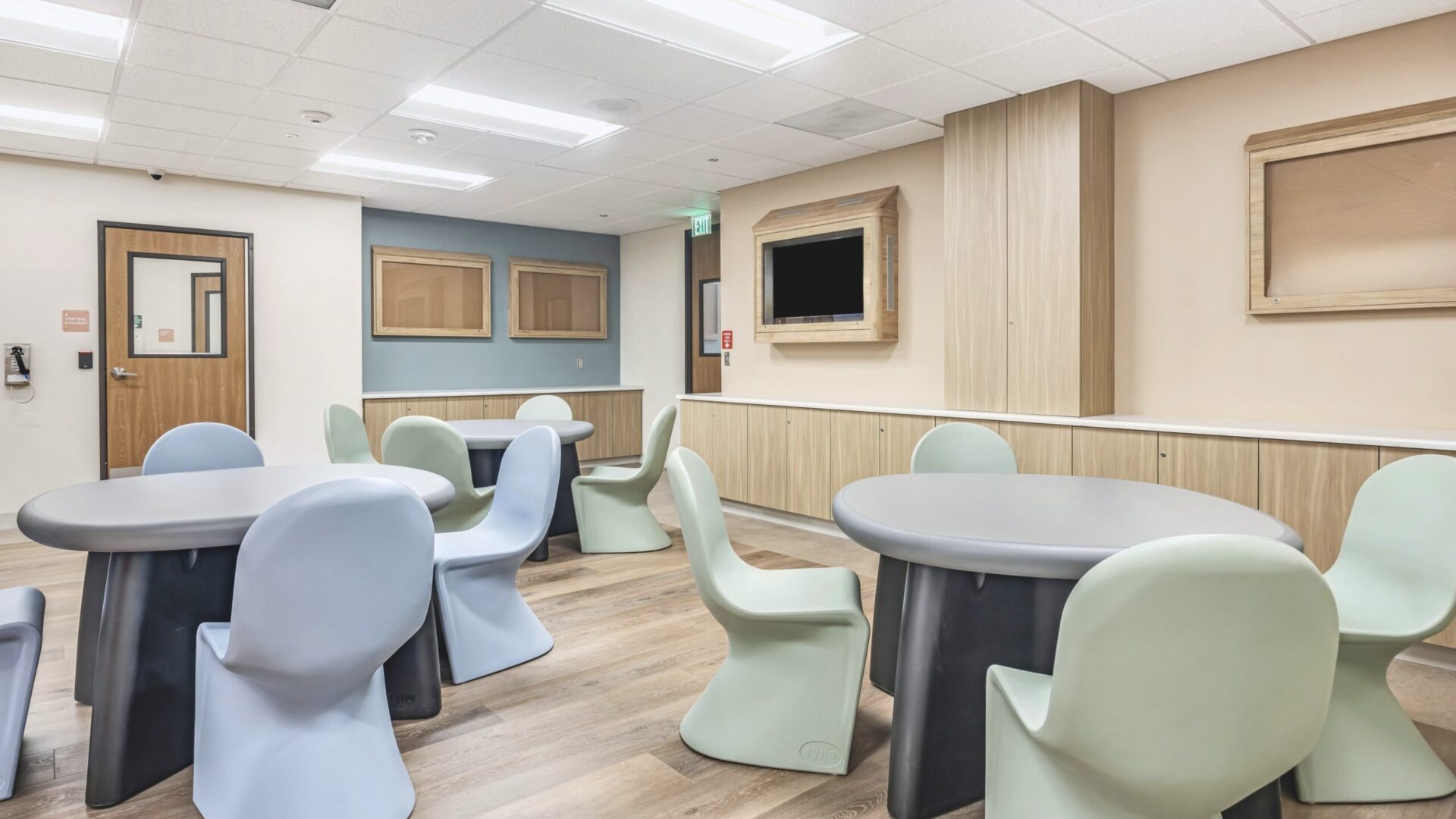

Ocean View Psychiatric Health Facility 3 photos



Comparison facts and sources
Ocean View provides voluntary adult psychiatric crisis stabilization, PHP and IOP at the same Long Beach address. It is a psychiatric health facility, not a residential addiction-treatment center, and does not advertise detoxification. · 2600 Redondo Avenue, 5th Floor, Long Beach, California 90806, United States
- Published fee information
- Quote required
- Before admission
- Current pages describe a 79-bed facility and a 39-bed inpatient unit; confirm the receiving unit and available capacity. Published IOP attendance descriptions differ, so obtain the individual schedule. Ocean View does not provide addiction residential treatment or detox.
- Continuing care
- Case management and discharge planning begin during care and can include outpatient transitions, housing or facility placement, community referrals, medication support and an optional follow-up resource network.
Source record · October 19, 2026
Official-source review on October 19, 2026 covers the facility and inpatient-unit capacity wording and differing IOP schedules. Confirm the receiving unit, individual suitability, availability and attendance directly; fee information retains its separately stated review date.. Confirm current capacity, program availability, clinical eligibility, schedule, authorization, benefits and personal responsibility directly with Ocean View.
- Official facility, levels of care and current capacity wording
- Official inpatient psychiatric program
- Official outpatient psychiatric care and payer statement
- Official partial hospitalization program
- Official insurance verification guidance
- Official contact and exact Long Beach address
- Official IOP program and its differing body/FAQ schedules
- Official referral scope and program schedules
Luxury rehab comparison · Fees and inclusions · Selection methodology
Ocean View Psychiatric Health Facility in Long Beach, California provides voluntary short-term psychiatric stabilization for adults aged 18 and over. Current provider pages describe a 79-bed facility and a 39-bed inpatient unit; confirm the receiving unit and current capacity directly. Ocean View is a psychiatric health facility, not a residential addiction-treatment center, and does not advertise detoxification.
Levels of care
- Voluntary inpatient psychiatric stabilization with 24/7 psychiatric and nursing support.
- Partial hospitalization program (PHP) meeting five days a week.
- Intensive outpatient program (IOP), with attendance individualized; current provider descriptions give different weekly schedules.
Inpatient care usually lasts 7–10 days. PHP and IOP duration is individualized; outpatient care may span several weeks or months. Case management and discharge planning support aftercare transitions. Ocean View accepts most major insurance, including Medicare and private plans such as Aetna, does not accept Medicaid, and accepts private pay. Confirm benefits and clinical eligibility with admissions on (844) 562-1212. All care is at 2600 Redondo Avenue, 5th Floor, Long Beach, CA 90806.
An adult psychiatric facility in Long Beach
Ocean View’s current overview describes a voluntary psychiatric facility for adults, with inpatient stabilization and outpatient programs at its Long Beach location. Its purpose is to help people through significant mental health symptoms and organize the next stage of care. This is a different service from an extended residential addiction program, even though both can appear in treatment directories.
The homepage describes a 79-bed facility and says most rooms are private. That does not establish which room an individual will receive, or the size of the particular unit accepting that person. Request the receiving unit and private or shared room arrangement before planning a stay. The overview also emphasizes practical group skills, medication management and transition planning. A photograph of a comfortable room gives limited information about the clinical day; the useful comparison is the proposed level of psychiatric supervision, activities and discharge support.
What the inpatient unit publishes
The inpatient program page describes a 39-bed unit, daily psychiatric oversight and medical monitoring around the clock. Its unit figure should remain separate from the broader facility figure on the homepage. Ocean View describes an inpatient stay as usually seven to ten days, with the actual period depending on the person’s needs. This is a short stabilization window rather than a promised treatment endpoint.
The published day includes six groups, psychoeducation, therapeutic recreation and work on coping and emotional regulation. Private and shared rooms are available. Patients comparing this setting with a longer psychiatric program should ask what can realistically be assessed and addressed during the proposed admission, which clinician coordinates medication decisions, and which continuing appointments will be arranged. A short stay may lead into another service; admission to the inpatient unit does not establish the duration or funding of that later care.
Outpatient care and practical attendance requirements
Ocean View’s outpatient description emphasizes structured care while a patient lives outside the facility. It describes transportation coordination for patients within a 50-mile radius, although the FAQ qualifies transport by the service’s catchment area and individual arrangements. Confirm the actual pickup address and return plan rather than assuming every journey within that distance is automatically available.
The outpatient FAQ strongly encourages full daily attendance for the first two weeks, with other schedules potentially arranged afterward. This is a practical point for someone balancing work, caregiving or travel. Ask the team to distinguish clinical attendance expectations from the insurer’s requirements. The page also describes case management and continued psychiatric medication support. Outpatient participation depends on being able to manage safely outside scheduled treatment; the team may recommend a different level when the person’s needs change. Housing or transport coordination should be discussed as a specific arrangement, not an assumed inclusion. The page explicitly states that Ocean View does not accept Medicaid; general insurance statements should not override this restriction.
Partial hospitalization and the daily program
The dedicated partial hospitalization program describes four group sessions a day, five days a week, with psychoeducation, therapeutic recreation, case management, lunch and snacks. Goal setting helps shape the group work, which addresses daily living skills, emotional regulation and psychiatric symptoms. PHP participants return to their own living arrangement after the program day.
Ocean View publishes a broad duration of two to six weeks, commonly around four to five weeks, while explaining that needs, goals and progress determine the actual period. Those figures describe the provider’s program information rather than a fixed reservation or insurance authorization. Ask how the team reviews readiness to reduce attendance, who manages medication between visits, and what happens if symptoms become harder to manage at home. Family education is described as available, but the exact format and participation arrangements should be discussed with the treatment team and patient.
IOP schedules need individual confirmation
Ocean View’s IOP page contains two different attendance descriptions: its program section says five days a week, while its FAQ specifies four days, from 10 a.m. to 2:30 p.m. A prospective patient should obtain the actual assigned schedule before arranging time away from work or transport. These published figures should not be treated as a single settled timetable.
The same page describes psychiatric medication management, groups, recreation, coping skills and community reintegration. It gives a typical duration of eight to twelve weeks, with longer care possible according to need and progress. That is a planning range, not a guarantee that everyone attends for the same number of weeks. Ask which days and sessions belong to the initial plan, when attendance is reviewed, and whether any change in frequency requires a new insurance authorization. The program remains outpatient rather than overnight accommodation.
How referrals and existing clinicians fit together
The referring professionals page describes coordination with doctors, therapists and case managers, with patient consent for communication about treatment and discharge. It lists IOP as two to four days weekly, another reason to confirm an individual timetable instead of relying on one public schedule. Weekly prescriber reviews are described for PHP and IOP, compared with daily psychiatric review during inpatient care.
This page explicitly states that Ocean View does not provide substance-use treatment or detoxification. It describes referral to another provider when unmanaged substance use needs to be addressed before admission. Someone with both psychiatric and substance-related needs should therefore clarify who will manage each part of the plan and whether a transfer is necessary. The page discusses prompt assessment and admission, but timing remains subject to clinical suitability, documentation and availability. A referring professional’s recommendation is the start of coordination, not confirmation of a bed or coverage.
Depression care focuses on stabilization and transition
The provider’s depression treatment description identifies adult symptom stabilization as its focus. It describes inpatient, PHP and IOP options, with medication review, group work, coping skills and planning for the next service. The proposed level depends on the individual assessment; the presence of a depression diagnosis alone does not establish the correct setting.
For someone comparing programs, useful questions concern the assessment itself: which symptoms are the immediate priorities, how previous treatment will be reviewed, and what improvement or support would allow a transition out of the current level. Ocean View describes reviewing the inpatient plan daily. Its depression page also places case management and aftercare planning early in the process. Ask for the receiving clinician and follow-up appointment, not just a general statement that aftercare is available. The published service should not be interpreted as a promise of complete symptom resolution within a short admission.
Anxiety care and family participation
Ocean View’s anxiety program information describes care for adults with anxiety-related needs through its psychiatric levels of care. The page discusses generalized anxiety, panic and social anxiety, alongside trauma-related presentations. It describes psychiatric assessment, medication review where appropriate, groups and practical coping work, with the setting determined by the person’s current needs.
The family FAQ says support groups and family education can form part of care. That gives relatives a specific subject to raise: who can participate, what the patient wishes to share, and how the household will prepare for discharge. Family involvement is not permission for unrestricted access to clinical information. Patients can also ask how the team will coordinate with an existing therapist so that a short period of stabilization connects with longer-term care. Ocean View’s public descriptions support discussion of these services, but do not establish a guaranteed response to any particular treatment.
Understanding the range of psychiatric presentations
The conditions page discusses mood, anxiety and thought-related disorders, including schizophrenia. Its emphasis is psychiatric stabilization, daily skills and planning around the individual’s presentation. A list of conditions does not mean each diagnosis follows an identical program, or that every combination of psychiatric, cognitive and medical needs can be managed in the same unit.
People arranging care should provide the team with the current symptoms, relevant treatment history and practical support needs so that the proposed placement can be assessed. Ask how groups are chosen, whether the person can participate in the scheduled activities, and how the care plan will account for communication or cognitive difficulties. The public material describes personalized treatment and collaboration with other clinicians; the useful next step is a plan tied to the individual. Published educational descriptions of diagnoses are not a substitute for an assessment, and should not be used to self-select a level of care.
Aftercare begins during the admission
The aftercare page says planning begins when treatment starts. It describes helping patients identify continuing therapy, community support, peer groups and other resources that fit their needs. The page also discusses nonclinical recovery coaching and skills for managing daily responsibilities. These are possible elements of an individual plan, rather than a single fixed aftercare package for every patient.
Ask which services Ocean View will deliver itself and which depend on another clinician or organization. A referral, an appointment that has been accepted, and ongoing treatment are different stages of arranging support. Before discharge, clarify the next provider, the first appointment, any medication follow-up and the person to contact if the plan breaks down. The provider’s broad descriptions of continuing support do not establish unlimited clinical availability or free lifelong treatment. A written transition plan makes the proposed support much easier for the patient and family to understand.
Admission is based on a clinical match
The admissions page outlines a phone inquiry, individualized assessment, in-person admission and transfer to the unit. It states that inpatient admission depends on need and acute-care criteria, with referrals offered when Ocean View is not the appropriate match. This means that an initial conversation or benefit check should not be treated as final clinical acceptance.
The facility is on the fifth floor of the Healthcare Partners building at Willow Street and Redondo Avenue, with access controlled by staff. The page describes free parking and an after-hours entry process. Arrange arrival with the team rather than assuming walk-in access to the unit. For a transfer from another service, clarify what records and medication information must arrive first, who will accompany the patient if needed, and who confirms acceptance. Existing community clinicians can discuss coordination and any required privileges directly with Ocean View; continued involvement is an arrangement to confirm.
Insurance review and financial responsibility
Ocean View’s insurance information describes help checking benefits and determining whether the proposed treatment fits the person’s coverage and needs. Its published payer information should be used as a starting point for a plan-specific review. An insurer’s name on a website does not settle network status for every product, the number of authorized days, or the amount a patient will owe.
Request written confirmation for the particular level of care: inpatient, PHP or IOP. Ask about deductible balances, copayments or coinsurance, authorization reviews and any professional charges billed separately from the facility. Clarify how the financial arrangement changes if the team recommends a longer stay or a different level. A benefit check should distinguish the facility’s acceptance of a plan from the plan’s authorization of this admission. Private payment should likewise be based on an individual estimate covering the proposed services and review points.
Published charges are not an individual treatment quote
The standard services pricing page expressly distinguishes a facility charge from the payment ultimately expected. It explains that insurers and government programs may pay less than the billed charge, and that level of care, length of stay and individual clinical needs can affect the amount billed. The linked standard-charge and shoppable-service files are therefore not a universal package price for a psychiatric admission.
Use those disclosures alongside a personalized estimate. Ask the financial team to identify the proposed daily or program charges, expected insurer payment, patient responsibility and services outside the estimate. If the care plan changes, request an updated explanation before relying on an earlier total. A published charge list is useful for understanding billing categories, but it cannot by itself establish what a specific patient’s insurer will authorize or what that patient will pay. No single weekly or monthly fee is treated as verified for every Ocean View program.
Official provider information reviewed October 19, 2026. Published capacity and attendance descriptions are attributed to their specific pages. Confirm current suitability, receiving unit, schedule, availability and financial terms directly.
Sources
Checked October 15, 2026: official facility overview and official outpatient program and payer information.