Ocean Recovery Blackpool

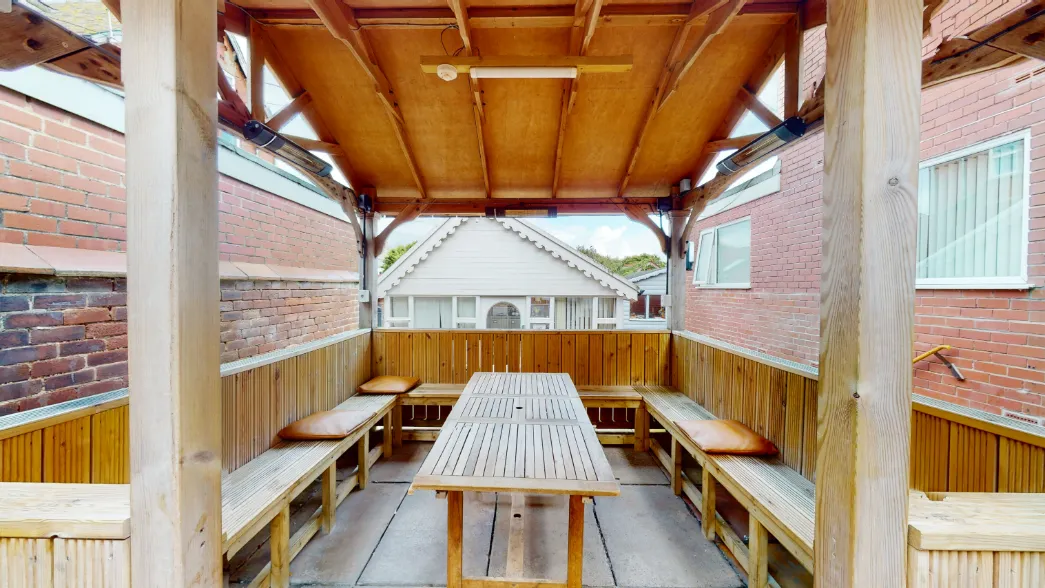
Ocean Recovery Blackpool 2 photos
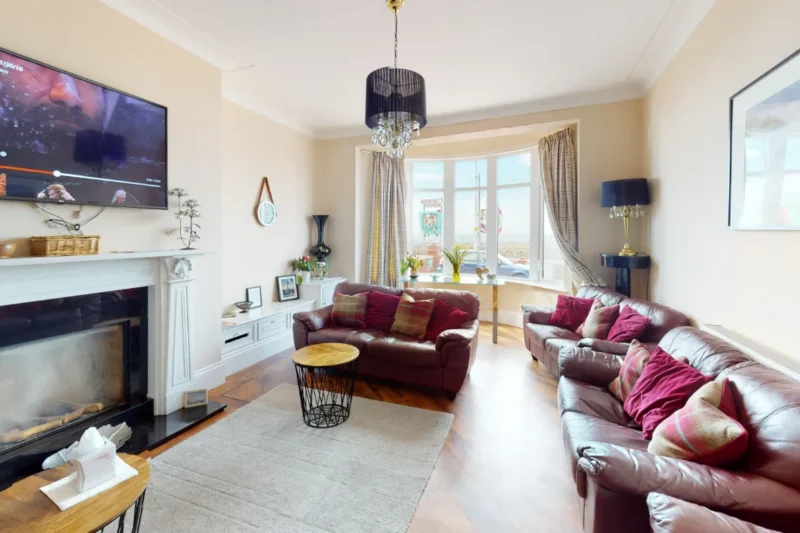
Comparison facts and sources
A 13-bed residential addiction service for adults on Blackpool’s North Shore Promenade, publicly described within Integrated Health Care Management Group. CQC’s linked successor registration is Ocean Rehabilitation, run by Ocean Rehabilitation Ltd and registered October 7, 2026. · 94 Queen's Promenade, Blackpool, FY2 9NS, United Kingdom
- Published fee information
- Quote required
- Before admission
- Do not present Ocean Recovery as outpatient care or as a multi-campus network listing. Program length, detox need, price and private versus statutory funding route require individual confirmation.
- Continuing care
- The provider offers tailored weekly aftercare after residential discharge and publishes 12 months of free aftercare for clients who successfully complete a 28-day program.
Source record · October 19, 2026
Reviewed October 19, 2026: the linked CQC successor, its current registered activities and the historical inspection-rating boundary, alongside provider program and payment information. Confirm individual suitability, present clinical arrangements, availability, the funding route and the complete quote.. The current CQC successor registration, location 1-27314586292, has not yet been inspected. Its displayed Overall Good and Safe Requires improvement ratings are inherited from the previous provider’s report published November 17, 2021; they are not an October 2026 inspection.
Luxury rehab comparison · Fees and inclusions · Selection methodology
Ocean Recovery Center is a CQC-registered private residential drug and alcohol rehabilitation clinic on Blackpool’s North Shore Promenade. The 13-bed service treats adults aged 18 and over and is part of Integrated Health Care Management Group.
Treatment and access
- Alcohol and drug detoxification
- Residential programs from 7 days to 28 days or longer
- Individualized therapy, relapse-prevention planning and peer support
- Free 12-month aftercare for clients who successfully complete a 28-day program
The center is at 94 Queen’s Promenade, Blackpool FY2 9NS. Call 01253 847 553 for medical suitability, availability and current fees. The provider requires a booking fee before admission and the cleared balance on the admission day. It publishes an approximate £3,900 weekly alcohol-detox price and indicative program-specific starting prices; an individual quote and current availability require confirmation.
The Blackpool residential service and its current identity
The provider’s center overview describes a 13-bed adult drug and alcohol rehabilitation service on Blackpool’s North Shore Promenade. It identifies the service with Integrated Health Care Management Group and lists support from medical professionals, nurses, and recovery staff. This profile concerns the Blackpool residential setting, rather than every service mentioned elsewhere on the group’s websites.
People considering admission should confirm that their proposed placement is at 94 Queen’s Promenade and ask who will deliver the care. The provider lists other towns as areas served, which does not make each town another Ocean campus. An adult age range and a small capacity describe the advertised service but do not establish suitability for every medical or psychiatric need. Discuss current conditions, medications, mobility requirements, and any recent hospital treatment before arranging a stay. A useful admission proposal identifies the clinical assessment, the room arrangement, and the treatment being offered, with clear contact details for practical questions from the patient and any authorized family member.
Read the CQC rating with its registration history
The current CQC profile records the successor service as Ocean Rehabilitation, run by Ocean Rehabilitation Ltd and registered on October 7, 2026. The regulator states that it has not inspected this newly registered service yet. The previous profile links directly to this successor, so the older record’s archived status should not be interpreted as proof that the Blackpool service closed.
CQC displays inherited ratings from the previous provider’s report published November 17, 2021: Overall Good, with Safe rated Requires improvement and the other listed domains rated Good. These are historical inspection findings, not a new October 2026 inspection. The distinction matters when comparing current registration with evidence about assessed quality. Read the regulator’s current entry and the earlier report together, then ask admissions about the present operator, clinical governance, and any changes since that inspection. The provider website’s reference to a Good rating should be understood with this date and inherited-status qualification.
Admission includes screening and a later medical review
The admissions page describes an initial inquiry followed by a confidential pre-admission questionnaire covering physical health, mental health, home circumstances, and substance use. Screening can be arranged by telephone or video, with face-to-face options discussed on the page. Availability and a suitable admission date are considered after that review.
On arrival, the provider describes an induction, a treatment contract, and an assessment with a doctor to review health history and any prescribing plan. It also describes developing a personal recovery action plan during the first two days and reviewing it during the stay. Ask who performs each stage and whether additional records are needed beforehand. The page says a deposit is required to secure a place and describes it as nonrefundable, subject to the provider’s published policy. Read the written booking and cancellation terms before payment. A telephone conversation should establish a suitable next step, while the medical review determines the care needed for the actual admission.
Detox and residential therapy are different parts of care
The residential treatment description discusses withdrawal management when indicated, followed by therapeutic work and discharge planning. It gives roughly seven days as a typical detox estimate, with longer care possible. The same page says clinicians decide whether a detox program is necessary; not every admission requires the same withdrawal treatment.
Published therapy examples include counseling, CBT-informed workshops, psychoeducation, and trauma-informed care, with multidisciplinary review. Ask how those elements appear in the proposed weekly schedule and how much individual contact is included. A general therapy list does not establish that every technique is delivered to every person or that a particular diagnosis can be managed at this level. The admission assessment should address current medical and psychiatric needs and explain any circumstances requiring a different service. A detox estimate is also separate from the total residential stay. Before booking, establish how progress is reviewed, how changes are agreed, and what continuing care is planned when the person leaves the facility.
Published package prices need an individual confirmation
The private treatment page publishes indicative starting prices of £6,995 for fourteen nights, £10,200 for twenty-one nights, and £11,950 for twenty-eight nights. It says those figures may change and directs readers to admissions for current pricing and availability. The different packages should not be converted into one assumed weekly charge.
The description includes accommodation, meals, therapy, and access to support during treatment. Ask for a written quote explaining the clinical program, room, medication arrangements, and any services outside that price. A shorter package and a longer rehabilitation course may meet different needs; price alone does not establish the suitable option. The provider discusses private payment, possible insurance arrangements, and statutory-funded admissions. Each route requires confirmation for the individual rather than an assumption that public funding or an insurance policy will pay. If another person is funding treatment, make sure the patient understands the proposed arrangement and that responsibilities for deposits, extensions, or additional services are clear.
Payment terms and aftercare eligibility belong in the quote
The cost information says a booking fee is required before admission and the remaining cleared balance is due on admission day. It describes payments as nonrefundable. Ask for the actual contract and current refund policy so the consequences of cancellation, a medical change, or an early departure are understood before money is paid.
This page also specifies that twelve months of free aftercare applies to clients who successfully complete a twenty-eight-day program. That condition is more precise than a general website banner advertising free aftercare. Someone considering a shorter stay should ask what continuing support is available and whether it has a separate charge. The page lists psychiatric assessment, detox, treatment, meals, and treatment literature among program inclusions, but the individual quote should still identify the services required in the proposed case. Clarify any external consultations, travel arrangements, personal expenses, and other possible charges. A complete estimate makes it easier to compare offers without assuming that similarly named packages contain identical care.
Aftercare is support after leaving the residential setting
The aftercare program describes weekly sessions, individualized discharge planning, and support with the transition back to everyday life. It also discusses connections to community support, recovery housing where appropriate, and external fellowships such as AA, NA, or CA. Those options should be matched to the person’s circumstances and preferences.
Ask how the weekly sessions are delivered, who leads them, how to join, and whether they remain practical if the patient returns far from Blackpool. The free twelve-month offer has the qualifying twenty-eight-day completion condition described by the provider. It should not be interpreted as a further year of residential accommodation or unrestricted medical treatment. Before discharge, establish who will handle prescriptions, therapy, and other clinical appointments outside Ocean. Community meetings and peer support have a different role from a treating clinician. A workable plan identifies both, explains how to seek further assessment if needs change, and addresses housing or work issues that could make attending follow-up difficult.
Check the specific room and accessibility arrangements
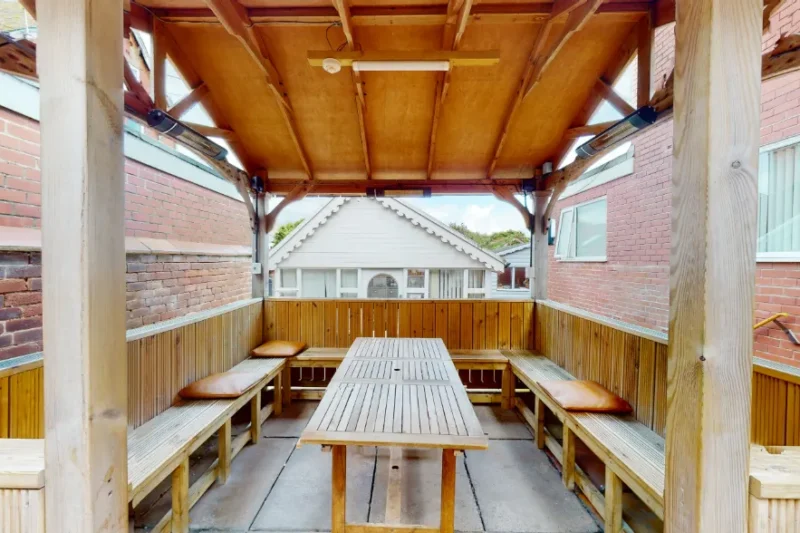
The facilities page describes communal lounges, dining space, a courtyard, outdoor seating, and rooms with bathrooms. It lists double or single bedrooms and says some rooms have sea views. A photograph of a particular bedroom or view does not establish which room will be offered for an individual booking.
Ask whether the proposed room is single occupancy, what bathroom arrangement applies, and whether the layout meets any mobility or sensory needs. The building is on the seafront, so practical questions about stairs, access, noise, and arrangements for outdoor activities may matter more than the general description of a comfortable setting. The provider advertises transportation; confirm the actual pickup area, timing, and any limits rather than assuming every journey is included. Treatment requires staying at the center for the agreed residential phase, with communal activities and therapy alongside personal time. Discuss privacy expectations and how the daily routine fits with clinically appropriate contact with family or other responsibilities.
Packing rules include medication and device arrangements
The packing guidance recommends comfortable clothing for therapy and walking, personal reading material, and familiar items such as photographs or a journal. It says towels, bedding, bathrobes, and basic toiletries are supplied. Electronic devices may be brought, with access generally after the day’s treatment activities rather than during sessions.
The same page requires discussion of prescribed medication with admissions and says medicines may be handed to staff for supervised administration. Provide an accurate list and obtain instructions from the clinical team; do not stop or change a prescription based on a packing list. Alcohol-containing products, unauthorized medication, and several other items are prohibited. The published list also excludes cigarettes and electronic cigarettes, so anyone using nicotine should clarify the current policy and appropriate support before traveling. Ask about any essential device, specialist equipment, or personal-care item that is not covered by the list. Preparing these details early can prevent an avoidable problem on arrival.
Visits and family therapy are separate arrangements
The visitor policy describes Sunday afternoon as the usual visiting period, with other arrangements possible through the team. Visitors should be agreed in advance, and the center may refuse access when someone is intoxicated or presents a risk. Permission for time outside with relatives also depends on the agreed arrangements and program rules.
Ask how visits are scheduled during the particular treatment phase and what information can be shared with the patient’s consent. Being an approved visitor does not automatically give access to clinical records or a role in treatment decisions. If a family is traveling a long distance, confirm the visit before booking transport or accommodation. The page describes checks after returning to the center and consequences for alcohol or drug use. A clear explanation of those expectations helps everyone plan appropriately. Also distinguish a social visit from a facilitated family session: each has a different purpose, schedule, and level of professional involvement.
Family work should follow the person’s circumstances
The family therapy page describes work on communication, relationships, coping, and the effects of addiction on people close to the patient. It also mentions weekly family sessions where relatives can share experiences and ask questions. Ask which opportunities are currently offered and whether a proposed meeting is education, a support group, or therapy involving the individual patient.
The provider explicitly says family involvement may be unsuitable in some circumstances and should follow assessment. Participation should not be assumed simply because a relative helped arrange or pay for care. Discuss consent, privacy, strained relationships, and any safety concerns with the clinical team. A family member may also need support of their own, separate from the patient’s treatment. Before discharge, clarify whether joint planning is appropriate and what each person has agreed to do. The purpose is a realistic, respectful support arrangement, rather than making relatives responsible for treatment or suggesting that every family must participate in the same way.
Official provider pages and the current CQC successor registration reviewed October 19, 2026. The October 7, 2026 registration is uninspected; displayed ratings are inherited from the November 17, 2021 report. Confirm current clinical arrangements, eligibility, availability and contractual costs.
Related guides: alcohol addiction treatment and drug addiction care.
Official sources
Checked October 15, 2026: center overview; provider identity and age range; cost and aftercare information.