Oasis Bradford
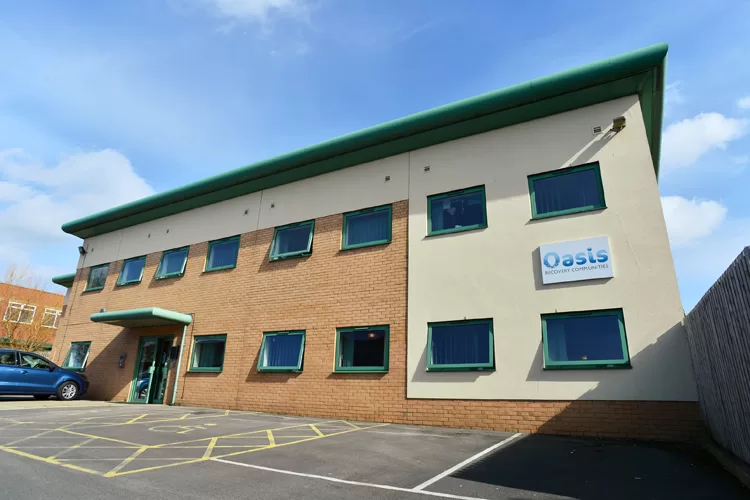


Oasis Bradford 3 photos
Comparison facts and sources
A 17-bed residential substance-misuse service focused on medically supported drug and alcohol detoxification or stabilization. It is not presented as a stand-alone long-term rehabilitation campus; onward referral into UKAT rehabilitation services may follow. · 21A Bolling Road, Bradford, West Yorkshire BD4 7BG, United Kingdom.
- Published fee information
- Quote required
- Before admission
- This review verified the exact campus, current regulatory record and provider-published scope. It did not infer a fixed detox duration, universal price, campus-specific insurance acceptance or that all UKAT network therapies and packages are available at Oasis Bradford.
- Continuing care
- UKAT states that clients receive 12 months of free aftercare after treatment completion. Oasis Bradford also supports onward referral into UKAT rehabilitation services where appropriate.
Source record · October 16, 2026
Exact provider and regulator information checked October 16, 2026. The Care Quality Commission lists Oasis Bradford as a current residential substance-misuse service rated Good; latest assessment report published February 20, 2026.
Luxury rehab comparison · Fees and inclusions · Selection methodology
Oasis Bradford is a current, CQC-regulated residential substance-misuse service at 21A Bolling Road in Bradford. UKAT describes the purpose-built center as a 17-bed setting for medically supported drug and alcohol detoxification or stabilization, with nursing care available on site. The CQC’s latest assessment, published February 20, 2026, rates the service Good.
Program and clinical scope
The Bradford campus is primarily a detox and stabilization center rather than a stand-alone long-term rehabilitation campus. Current provider information describes 24-hour support, bespoke care planning, one-to-one and group sessions, educational work, family support and onward referral into UKAT’s rehabilitation network when appropriate. Admissions and detox duration depend on clinical assessment, substance use and withdrawal needs.
Duration, aftercare and fees
UKAT publishes 7-, 14- and 28-day treatment packages across its network, but does not state that every option is delivered entirely at Oasis Bradford; availability and length should be confirmed for this campus. UKAT says clients receive 12 months of free aftercare after completing treatment. No universal Oasis Bradford cash price is published. Charges are quoted after assessment in GBP, and private-insurance coverage is policy- and center-specific.
The specific role of Oasis Bradford
The official Oasis Bradford description presents a seventeen-bed service centered on medically managed detoxification and stabilization. Its clinical role should guide the comparison with other providers. A person seeking a longer period of residential rehabilitation needs to establish which part of the proposed pathway would take place in Bradford and whether a later stage would involve another UKAT location.
Ask the admissions team to separate the immediate goals from the longer-term plan. The initial concern may be managing withdrawal and becoming stable enough to participate in further treatment. Subsequent work can require a different environment, timetable, or degree of therapeutic intensity. Confirm which individual sessions, group activities, and educational components are available during the Bradford stay, while recognizing that participation may depend on the person’s condition. The small bed count does not mean treatment is exclusively individual, and an available bedroom does not determine clinical suitability. A useful proposal identifies the specific service, anticipated review points, and the arrangements for any onward care rather than referring generally to a complete rehabilitation package across the wider network.
What the current CQC assessment establishes
The Care Quality Commission inspection summary published on February 20, 2026, reports an assessment undertaken on December 3, 2025. It rates the residential substance misuse service Good and describes medically managed detoxification and stabilization for up to seventeen people, including continuous nursing care and support for people with limited mobility. This is a dated, independent regulatory source about this particular service.
The distinction between the assessment date and publication date matters when comparing information. A rating provides useful context but does not guarantee a particular person’s outcome or establish that every medical need can be met. Someone with mobility limitations should discuss their exact requirements, including transfers, bathing, stairs, equipment, and any assistance required at night. Likewise, a complex medical history needs individual clinical review rather than an assumption that continuous nursing covers every possible intervention. Check the current regulatory record when making an admission decision and ask the provider about any material changes since the published assessment. The most useful approach combines that external information with a clear explanation of the services and support currently proposed for the individual.
Assessment, admission, and the financial agreement
UKAT’s admissions guidance describes an assessment process that gathers information about health, substance use, and treatment needs before confirming a placement. It also explains payment arrangements involving a deposit and the remaining balance at admission. These are network-level procedures; the actual agreement should name Oasis Bradford and describe the care, duration, and charges being offered to the individual.
Provide an accurate medication list and explain current physical and mental health concerns, previous withdrawal difficulties, and relevant recent treatment. Ask what information the clinical team needs before confirming suitability and whether further medical assessment is required. If someone else is arranging the stay, clarify their role in payment and their access to information with the patient’s permission. Review the written terms before transferring funds, including what happens if admission cannot proceed or a different level of care is recommended. Travel arrangements should follow clinical acceptance rather than precede it. Where an urgent medical problem is developing, the family should seek appropriate emergency assessment instead of relying on a routine residential admission process to resolve the immediate situation.
Interpreting seven-, fourteen-, and twenty-eight-day packages
UKAT’s treatment package information presents programs of different lengths across its network. The page also makes clear that treatment availability and the plan depend on the center and clinical assessment. A seven-, fourteen-, or twenty-eight-day label therefore does not establish that all of those days would involve the same service at Oasis Bradford or that every option is suitable for every person.
Ask for the proposed sequence in plain terms: which days are intended for withdrawal management, what therapeutic work is expected during stabilization, and whether the plan includes a transfer. If more than one location is involved, identify the receiving service, transport arrangements, handover process, and any change in cost. A longer package should be evaluated through its clinical purpose, not simply its number of days. Equally, a shorter stay should not be described as completing all necessary recovery work. The relevant question is whether the plan addresses the person’s assessed needs and provides a credible next step. A written, location-specific schedule makes comparison easier and reduces the risk of confusing network marketing with the service actually being purchased.
Family support during and after the stay
The network’s family support program describes weekly groups for relatives and others closely connected to someone receiving treatment. Oasis Bradford appears in its list of participating locations. The stated purpose includes education, questions, and support for the effects of addiction on the family. This is a specific support opportunity, rather than a promise that every relative will attend the patient’s individual therapy.
Confirm the current day, time, format, and attendance arrangements before making a journey. Ask whether the group includes the patient or is intended for relatives separately, and how privacy is handled. Family members may need space to discuss boundaries, difficult emotions, and the practical changes that will follow discharge. Those needs should not be reduced to learning how to supervise the patient. If relationships are unsafe or involvement is unwanted, discuss an appropriate alternative with the team. A helpful family plan identifies manageable roles and realistic expectations, including who will arrange follow-up appointments, how information can be shared, and where relatives can obtain their own support after the Bradford stay has ended.
What the year of aftercare includes
UKAT’s aftercare description offers weekly group support for a year following completion of treatment and describes this as free of charge. This is useful to clarify before discharge, particularly for someone traveling from outside Bradford. The relevant details include the current meeting format, how attendance is arranged, and which location or online option the person can practically access.
Aftercare groups should be distinguished from medical appointments, prescription management, individual psychotherapy, or a further residential stay. Ask which of those services are part of the clinical recommendation and whether they need separate arrangements or payment. A discharge plan can include both the group opportunity and any required healthcare follow-up, with clear dates and responsibility. If the person cannot attend a particular meeting, identify an alternative rather than assuming that enrollment alone provides continuing support. Also establish how to request reassessment if substance use resumes or symptoms become harder to manage. The value of a year-long group offer depends partly on whether it fits the person’s location and needs; it should not be presented as a guarantee against future difficulties or as unlimited clinical care.
Comparing the full cost of the proposed pathway
The provider’s rehabilitation cost guidance discusses how charges vary with the treatment setting, duration, and services involved. It does not establish one universal price for an Oasis Bradford admission. Network descriptions of accommodation, food, leisure facilities, or different treatment packages should also not be assumed to describe every amenity or inclusion at this specific location.
Request a written quotation in pounds sterling that names the service and explains what is included. Clarify medication, medical reviews, any outside appointments, transportation, and onward treatment. If the plan spans more than one center, ask whether the quote covers the entire pathway or only the Bradford stage. It should also explain how costs change if the clinical team recommends a different duration. Comparing a detoxification quote with a longer residential rehabilitation package can be misleading unless the different purposes are made clear. The appropriate comparison considers the assessed clinical needs, the care included, and the arrangements after discharge. A lower initial figure may leave essential next steps unresolved, while a longer or more expensive package does not by itself establish a better clinical fit.
Insurance arrangements need advance confirmation
UKAT’s private health insurance guidance describes arrangements involving selected insurers and emphasizes advance authorization. Its information explains that an insurer’s assessment process and policy terms affect access. A network relationship with an insurer is not sufficient evidence that a particular policy will cover the proposed Oasis Bradford service. The location, treatment level, and authorization need to be confirmed together.
Contact the insurer and provider before admission and ask what referral, assessment, or approval is required. Where the insurer requires a clinician from a specified panel, clarify that requirement before arranging an unrelated appointment. Obtain written confirmation of the approved service, duration, exclusions, and any personal contribution. UKAT’s guidance warns against assuming that authorization can simply be arranged retrospectively after treatment. If approval remains uncertain, understand whether the admission would proceed on a self-pay basis and who would be responsible for the bill. Keep the coverage decision separate from the clinical recommendation: the insurer’s willingness to fund a service does not establish that it is the only appropriate option, and a provider’s recommendation does not guarantee reimbursement.
Planning a transfer or the return home
The UKAT treatment pathway describes stages that may include detoxification, primary rehabilitation, secondary treatment, sober living, and continuing support. These stages span the wider organization and should not be read as services all delivered within Oasis Bradford. Not everyone needs every stage, and the purpose of assessment is to identify a suitable sequence rather than automatically prescribe the longest available route.
Before the Bradford stay ends, ask which next step is recommended and why. If a transfer is proposed, confirm acceptance by the receiving service, the travel plan, medication continuity, and how relevant records will be shared. If the person is returning home, identify the first follow-up appointments and any local support that needs to be arranged. The plan should also explain what happens if there is a gap between services or the intended placement is unavailable. Families can assist with logistics without being expected to supply clinical supervision. A clear handover connects the stabilization achieved during admission with a realistic next environment and avoids treating discharge as the end of all treatment responsibilities.
Source check: Official UKAT pages and the CQC inspection summary reviewed October 18, 2026. Network-wide services, fees, and insurance arrangements are not automatically attributed to Oasis Bradford.
Sources checked
- Official UKAT Oasis Bradford profile
- Care Quality Commission location record
- Latest CQC inspection summary
- UKAT treatment-package guidance
- UKAT cost and funding guidance
- UKAT aftercare guidance
Provider and regulator information checked October 16, 2026. Exact clinical suitability, program availability, insurance authorization and final fees require individual confirmation.