Northpoint Recovery – Edmonds
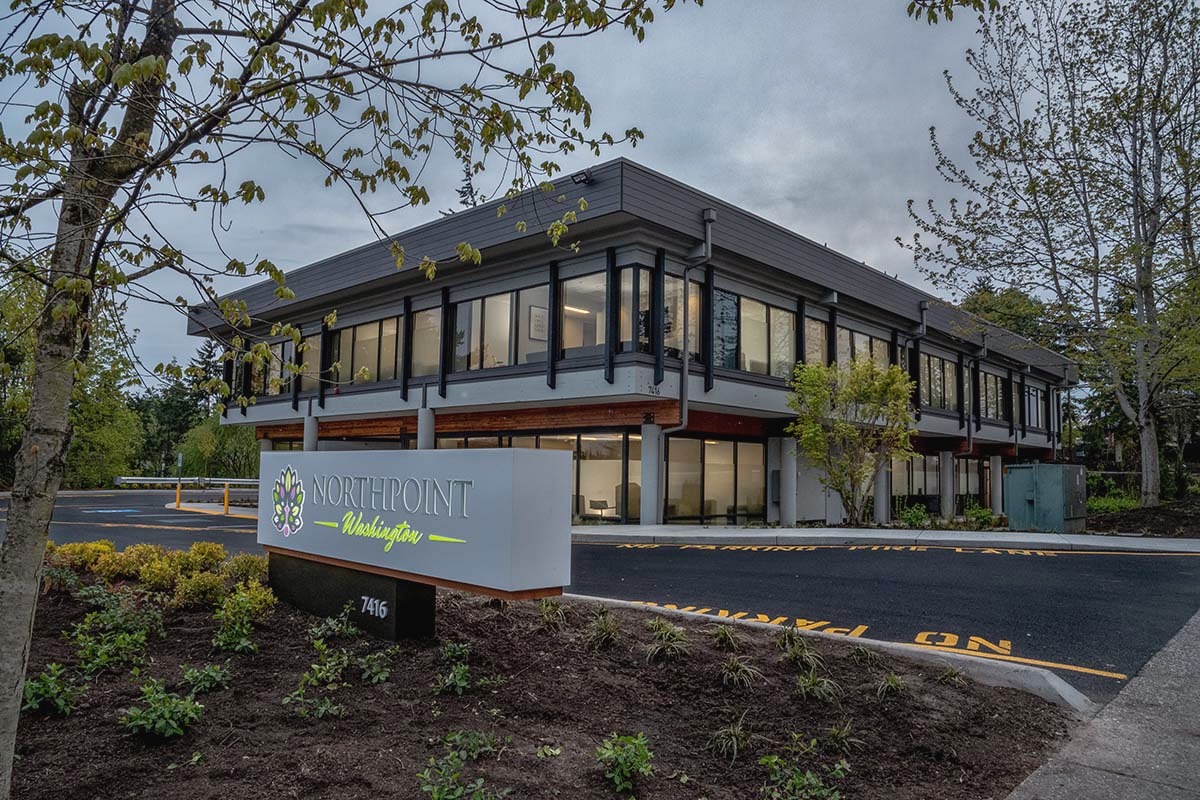


Northpoint Recovery – Edmonds 3 photos


Provider overview
Northpoint Recovery’s Edmonds location is a 44-bed inpatient addiction-treatment campus at 7416 212th Street SW in Edmonds, Washington. Northpoint’s Seattle outpatient office and Imagine teen program are separate services and should not be presented as this campus.
Treatment and setting
The Edmonds campus provides 24-hour medical detoxification and inpatient treatment for alcohol and drug addiction, including integrated dual-diagnosis care. Current provider material lists individual, group and family counseling, CBT, DBT, trauma-informed care, mindfulness, yoga and movement. Rooms may be private or shared, with a fitness studio and outdoor courtyard.
Duration, aftercare and payment
Treatment plans are individualized. A current Northpoint insurance page describes 28- or 90-day residential options for UnitedHealthcare members, but the appropriate length and authorization depend on clinical needs and the member’s plan. After discharge, Northpoint describes relapse-prevention planning, connections to local meetings and sober communities, ongoing therapy options and lifetime alumni access. The campus says it is in network with many leading Washington plans and verifies benefits and expected costs before admission.
What the Edmonds inpatient setting provides
The Edmonds inpatient page identifies a 44-bed campus with therapy rooms, clinical suites, a fitness studio, an outdoor courtyard, and private or shared bedrooms. This is a setting for living on site while receiving addiction treatment. Its clinical and medical directors are identified separately, and the facility describes staff coverage around the clock. That combination is more useful for evaluating this particular location than a general statement about the Northpoint network.
Room type remains an admission question: the presence of private bedrooms does not establish that one is available or included in an individual’s coverage. Before choosing accommodation, discuss privacy, sleep, mobility, and any health needs that could affect a shared room. The published meals, movement activities, and common spaces describe daily living alongside treatment; they do not establish a particular number of individual therapy appointments. Request the actual clinical timetable and proposed room arrangement together so that comfort and treatment intensity can be evaluated separately.
Detox and the transition into continuing treatment
Northpoint’s Edmonds medical detox description places withdrawal monitoring and residential treatment in the same facility with the same team. It describes continuous clinical oversight, physician-led assessment, medication support when appropriate, and planning for inpatient or outpatient care afterward. This can reduce the disruption of moving between unrelated providers, although an individual’s next placement still needs clinical and financial agreement.
A useful intake conversation explains recent substance use, previous withdrawal complications, prescribed medicines, and concurrent physical or psychiatric concerns. The team needs that information to determine whether its setting is appropriate. Do not treat the provider’s language about a smooth transition as a guaranteed bed, insurer authorization, or fixed detox completion date. Clarify who reviews medical progress, what would prompt hospital transfer, and how necessary prescriptions continue after discharge. The page also refers to Seattle outpatient and Imagine teen services; those references describe other parts of the network and should not be read as additional inpatient units at the Edmonds address.
Co-occurring mental health needs within addiction care
The Washington dual-diagnosis program describes treating substance use and mental health concerns together. Its proposed components include individual work using cognitive behavioral and dialectical behavior therapies, group and family sessions, and mindfulness or movement activities. A treatment plan should explain how the person’s specific symptoms affect substance use, daily functioning, and participation in groups, rather than relying on a broad dual-diagnosis label.
Ask whether the proposed plan includes psychiatric assessment, who manages existing medication, and how the team communicates with a clinician already involved in care. The page discusses several settings, including outpatient, virtual, and teen programs. It does not establish that every diagnosis or level of psychiatric instability can be managed in the Edmonds inpatient program. Where a mental health condition is the main reason for seeking care, confirm the admission criteria and whether an addiction-focused inpatient setting is appropriate. A referral to a different service can be part of that assessment.
Planning alcohol treatment beyond the first few days
Northpoint’s alcohol treatment page separates supervised detox from the continuing work of changing drinking patterns. It describes counseling, family involvement, relapse-prevention skills, and mental health support, with residential, outpatient, and virtual options across Washington. The useful distinction is the amount of clinical structure a person needs, not simply whether they can take time away from work.
For someone comparing these options, the treatment plan should connect the immediate medical assessment to a realistic plan for returning home. That includes identifying situations associated with drinking, discussing support from consenting family members, and arranging follow-up that can be attended consistently. The page’s wellness components, such as nutrition education, mindfulness, and movement, sit alongside clinical treatment. They should not be used to judge whether withdrawal can safely be managed without medical oversight. Confirm which service will provide assessment, where that service is delivered, and how the next appointment is arranged before the current phase ends.
Prescription drugs, other substances, and individualized goals
The Edmonds drug treatment page describes a combination of medical support, individual and group counseling, family work, and behavioral approaches. Its care pathways include inpatient treatment, detox, and outpatient or virtual support through the wider network. The presence of several pathways allows the intake team to consider different needs; it does not mean that the same plan fits every substance or every person.
Bring a complete medication list, including prescriptions that are being taken as directed as well as any substances causing concern. Discuss treatment goals without assuming that all prescribed medicines must stop. Ask the medical team to distinguish withdrawal management, treatment of an ongoing substance-use disorder, and medication for unrelated health conditions. These are different decisions that require a clear prescribing plan. The page also contains a reference to outpatient care in Boise, so confirm a Washington outpatient address directly rather than using every location reference on that page as evidence of a local service.
How screening differs from confirmed admission
The published admissions process begins with a conversation about symptoms, prior treatment, current substance use, goals, and insurance. Inpatient arrival includes a broader medical and mental health evaluation and a safety check of belongings. The clinical plan is then developed from that assessment, including supervised detox if appropriate. Outpatient intake follows its own assessment and scheduling process.
Northpoint advertises rapid access, but the same page describes typical starts within 24 to 48 hours and makes clear that screening, coverage, and intake arrangements are involved. Treat these as provider estimates rather than a reserved place. Confirm the named location, arrival time, transportation, medication instructions, and any outstanding authorization before traveling. If the admissions conversation suggests a different level of care, ask how that referral will be coordinated. A preliminary phone conversation can establish the next step, while the comprehensive assessment may still change the proposed program or length of treatment.
UnitedHealthcare coverage and the quoted residential options
The UnitedHealthcare and Optum page describes Northpoint Washington as an in-network provider and refers specifically to 28-day or 90-day residential options. It also discusses outpatient, virtual, and detox benefits. These statements identify services the provider offers to discuss with members; they do not prove that a particular policy authorizes either residential length.
Request verification for the exact campus and program, including the deductible, coinsurance or copayment, approved dates, and any continuing clinical review. Ask what happens financially if the treatment team recommends a longer stay than initially authorized. The page says Northpoint assists with clinical reviews and paperwork, but the member still needs a written explanation of expected responsibility. Separate the provider’s advertised program choices from the insurer’s decision and from the clinical recommendation. A plan that covers outpatient treatment may apply different rules to medical detox or inpatient care, even when all services are within the same network.
Family involvement and communication during a stay
Northpoint’s family guidance describes family therapy, education, support with boundaries, and coordination with the care team. For inpatient treatment, it also mentions Sunday visits and a temporary pause on cellphone use. These details can affect childcare, work communication, and the way relatives receive updates, so they deserve discussion before arrival.
Agree on whom the client wants involved and what information may be shared. Supportive family work should address the family’s needs as well as the patient’s goals, without assuming that every relationship is safe or that every relative will participate. Ask who will be the main contact and how calls, visits, and family appointments are scheduled at Edmonds. The guidance covers several Northpoint settings and identifies team roles that vary by location. Confirm the actual local arrangement rather than assuming that a network description guarantees the same staff role, visiting schedule, or type of family session in every program.
Practical expectations, voluntary participation, and detox length
The Northpoint FAQ explains that participation is voluntary and that the facility is not a locked setting, although doors are locked at night for safety. It also says spouses or partners cannot attend the same facility simultaneously. These policies matter when someone needs a specific level of supervision or is considering entering treatment with a partner.
The FAQ gives five to seven days as a common detox experience, while describing standalone detox as a minimum seven-day service. These are different descriptions, not a universal medical timeline. Confirm whether standalone detox is offered at the proposed location and how the clinical team decides when the next phase is appropriate. The FAQ also addresses packing, original prescription packaging, physician evaluation, visits, and pet restrictions. Ask for the current Edmonds welcome information rather than relying on a general network answer when preparing for admission or arranging an exception for an individual need.
What should be included in an aftercare plan
The aftercare planning page describes more than an invitation to attend alumni events. Possible components include ongoing therapy, relapse-prevention planning, peer groups, help with practical life skills, medical follow-up, and recovery housing when appropriate. The mix depends on the individual’s circumstances and the treatment location. Northpoint says planning begins before formal treatment ends.
A usable discharge plan names the next clinician or service, identifies medication follow-up, and explains how to seek more support if the initial arrangement becomes insufficient. For someone returning outside the immediate area, check whether recommended appointments are local, virtual, or dependent on travel. Free lifetime alumni access is a community benefit; it should not be mistaken for unlimited professional therapy, housing, or medical treatment at no charge. Obtain separate cost and coverage information for those services. The page presents outcome percentages, but without a complete evaluation of their methods they should not be used to predict an individual result or compare providers.
Considering Everett as a separate outpatient option
Northpoint’s Everett outpatient page identifies its office at 10025 19th Avenue SE, Suite 101. It describes individual, group, and family therapy, mental health and medication support, and continued recovery planning. Everett is a separate outpatient setting, not another name for the Edmonds inpatient campus. That distinction can matter for people seeking a more practical commute after residential care.
Before treating it as a confirmed next step, ask about current eligibility, the weekly schedule, and whether virtual attendance is available for the specific program. Arrange transfer of the clinical plan with the client’s consent, and confirm who will manage prescriptions and follow-up appointments. The page also promotes services elsewhere in the network, including medical detox; that does not establish overnight detox beds at the Everett office. Compare the actual outpatient arrangements with Seattle or a suitable local provider based on clinical fit, appointment availability, and the ability to attend consistently.
Program, campus, admissions, and payment sources reviewed October 19, 2026. Provider statements describe available services, not guaranteed eligibility, coverage, or outcomes.
Compare Washington treatment options, alcohol treatment, and dual-diagnosis care.
Official sources
Sources checked October 13, 2026.