Northern Illinois Recovery Center
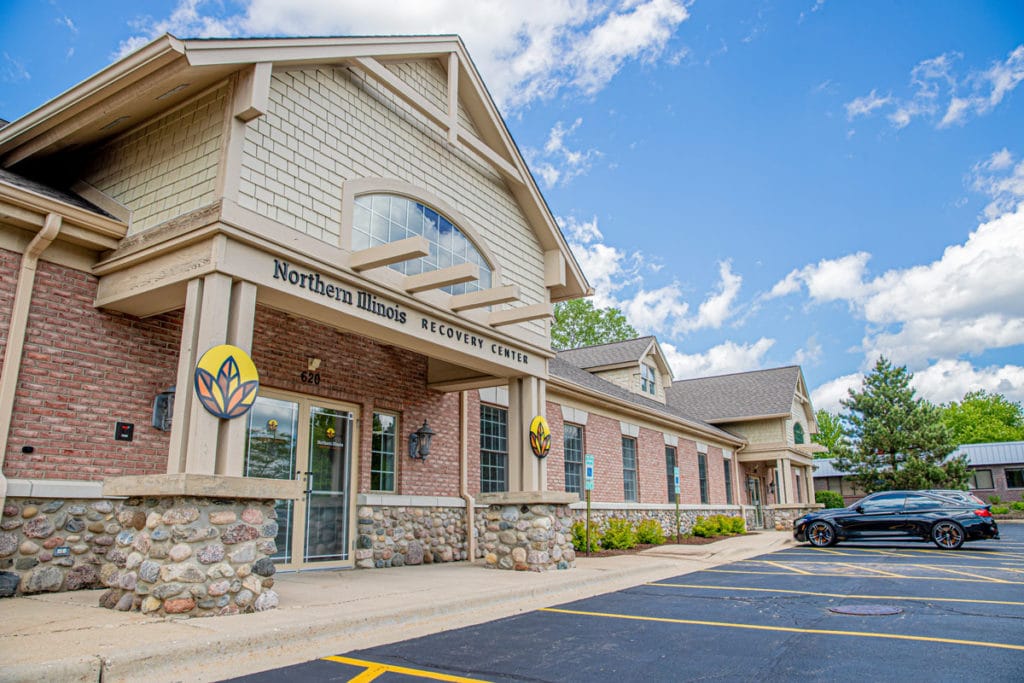
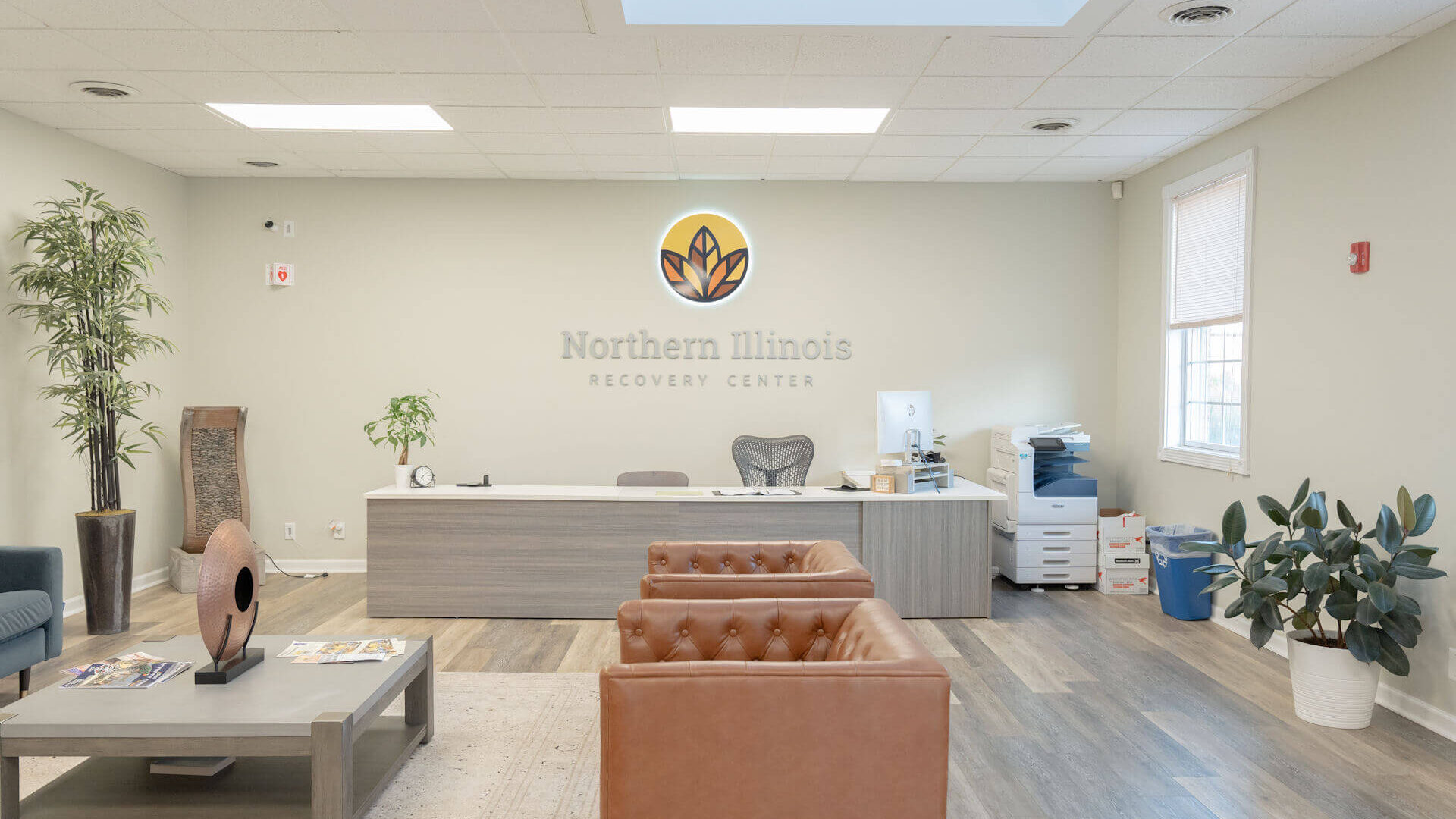
Northern Illinois Recovery Center 2 photos

Comparison facts and sources
Crystal Lake behavioral-health provider with separate main and detox addresses. Adult services span detox, residential, PHP/HIOP, IOP, outpatient, sober-living support and aftercare. Teen IOP and PHP are separate outpatient services for ages 13–18 and should not be represented as adult residential or detox care. · Main center: 620 N State Route 31, Crystal Lake, IL 60012; detox center: 2602 Route 176, Crystal Lake, IL 60012, United States.
- Published fee information
- Quote required
- Before admission
- This review verifies current provider-published identity, addresses, levels of care, residential duration, teen outpatient scope, aftercare and insurance boundaries. It does not guarantee coverage, establish a fixed rate or independently verify current license or accreditation status.
- Continuing care
- Provider-published aftercare may include sober-living arrangements, follow-up therapy, mutual-support groups, individualized counseling, regular check-ins and help identifying an appropriate support group.
Source record · October 16, 2026
Current provider pages for contact, residential duration, the cross-level Atlas framework, teen IOP, aftercare and insurance checked October 16, 2026.. No independent current accreditation or license-status review was completed in this field pass.
Luxury rehab comparison · Fees and inclusions · Selection methodology
Provider overview
Northern Illinois Recovery Center provides addiction and behavioral-health treatment in Crystal Lake, Illinois. Its current contact page distinguishes the main center at 620 North State Route 31 from the detox center at 2602 Route 176. Services should not all be attributed to one building.
The provider describes detox, residential treatment, partial hospitalization, intensive outpatient and outpatient care, sober-living support and aftercare. Residential clients stay on campus around the clock for about 30–90 days, with the duration adjusted to progress and individual clinical needs.
The Atlas Model is a twelve-month clinical framework that can span detox, residential, PHP/HIOP, IOP, outpatient care and alumni support. It should not be represented as a twelve-month residential stay. Separate teen IOP and PHP services are outpatient programs for ages 13–18, so adolescent outpatient eligibility should not be treated as adult residential or detox eligibility.
Aftercare may include sober living, follow-up therapy, mutual-support groups, individualized counseling and support-group referrals. The provider works with several insurers and offers benefit verification. Coverage varies by plan; Northern Illinois Recovery states that it is not currently in network with Medicare or Medicaid, although out-of-network benefits may apply.
Admissions: 855-786-1978; office: 815-261-3450. No universal provider cash or weekly rate was found. Ask for a dated written estimate covering the recommended level, schedule and duration, accommodation, meals, medication, transport, taxes, deductibles, coinsurance and any outside services.
Residential treatment provides a structured period away from home
The residential program describes living on campus around the clock, commonly for thirty to ninety days, with the actual stay adjusted to clinical needs and progress. Admission includes discussion of medical conditions, substance-use history, and previous treatment.
The provider describes an individualized plan rather than an identical course for every resident. That distinction matters when comparing an advertised duration with a personal recommendation. The assessment should establish whether detox is needed first, what therapeutic work is proposed, and which concerns require additional medical or psychiatric attention. The residential period should also connect to a plan for the next level of care. A prospective resident can request an outline of the daily schedule, living arrangements, review points, and how family communication is handled. The purpose of the initial stay is to provide the support appropriate to that person’s situation, not to satisfy a fixed number of days regardless of changing needs.
The Atlas Model is a framework within separately admitted programs
The Atlas Model page explains that people enter through a participating provider’s own admissions process. They do not enroll directly into a separate Atlas facility. Each participating organization retains its own clinical leadership and admission criteria.
The model links work across stages of treatment. Published themes include work on self and physical well-being, relationships and meaning, and life after more intensive care. The emphasis changes as someone moves through PHP, IOP, outpatient treatment, and alumni support. This helps explain why the broader framework should not be presented as twelve months of residential accommodation. Someone considering Northern Illinois Recovery should obtain the specific program, location, schedule, and clinical plan being offered there. The framework describes an approach to continuity; it does not establish that another participating organization’s services, staff, or fees are included in the Northern Illinois admission.
Partial hospitalization is a day-treatment option
The PHP program is described as a level for people who need more intensive support than standard outpatient care while being able to live outside a full residential program. Northern Illinois Recovery presents it as a structured day-treatment service.
The important practical detail is the actual schedule recommended after assessment. A person may need substantial time in treatment even though overnight accommodation is separate. Discuss the hours, travel, living environment, and clinical support required outside sessions. Someone leaving residential care may use PHP as the next stage; another person may enter directly if assessment supports that level. Neither route should be assumed from the program name alone. The plan should identify what would support a later reduction in attendance and what happens if symptoms or substance-use concerns require more intensive care. Housing and treatment costs also need to be distinguished.
Adult IOP includes daytime and evening possibilities
The IOP page describes an evening option for people unable to attend daytime programming. Its comparison of levels gives an approximate IOP commitment of nine to fifteen structured hours across three to five days weekly.
Those figures help show the difference from a single weekly appointment, but the individual timetable should be confirmed. The provider describes counseling, group work, family involvement, and relapse-prevention sessions among possible components. IOP is intended to provide meaningful structure while participants manage responsibilities outside the center; it does not provide the overnight supervision of residential treatment. A prospective client can discuss which session times are currently available and whether their work, education, transport, and home environment support regular attendance. If IOP follows a higher level of care, the teams should coordinate the start date and treatment information with consent so that the transition has a clear plan.
Outpatient care and sober housing can be arranged together
The outpatient page explains that some Northern Illinois Recovery participants also use its sober-living program. This may be considered when a person’s usual home environment does not support the intended treatment plan.
Clinical appointments and accommodation serve different purposes and should be specified separately. The outpatient plan needs to identify the type and frequency of sessions, the professional responsible for ongoing care, and how progress will be reviewed. The housing arrangement needs its own address, rules, costs, and practical expectations. Combining the two does not turn outpatient appointments into hospital-level overnight treatment. Someone returning to work or school should discuss attendance requirements alongside the realities of travel and daily responsibilities. The provider’s description emphasizes tailoring care to the individual, including the substances and mental-health concerns involved, so the proposed schedule should follow assessment rather than a general assumption about what outpatient care includes.
Teen IOP has a distinct developmental and educational focus
The teen IOP page identifies adolescents aged thirteen to eighteen with primary substance-use, primary mental-health, or co-occurring needs. It describes a themed weekly curriculum addressing identity, emotions, relationships, coping, and planning for the future.
This is a separate outpatient service and should not be used to infer the age criteria for adult residential treatment or detox. The provider describes individualized care, family participation, group and individual therapy, and skills-based activities. During the school year, it says it works with participating students’ schools to support coursework coordination where appropriate. Families should establish the actual timetable, school arrangements, consent and information-sharing process, and clinical support needed outside sessions. A school-support statement is not a guarantee of a particular educational outcome or replacement for the student’s school. If a higher outpatient intensity is needed, the provider also describes teen PHP, with placement determined through clinical assessment.
Co-occurring concerns are part of the treatment assessment
The treatment overview describes care for substance-use problems alongside mental-health concerns. Its examples of co-occurring presentations include anxiety, depression, bipolar disorder, trauma-related symptoms, and attention-related difficulties.
A condition appearing in a service list does not establish the right level of care for every person with that diagnosis. The assessment should address the current symptoms, substance use, medication, previous treatment, and any immediate health needs together. This is particularly relevant when a person has received separate addiction and mental-health treatment in the past. With permission, existing clinicians can provide records and explain what has or has not helped. The proposed plan should identify who manages psychiatric care, how therapy relates to the person’s goals, and which services are included at the assigned program. Additional specialist or acute care may need separate coordination when it falls outside that program’s capabilities.
The therapy menu needs to become an individual schedule
The therapy overview describes approaches including cognitive behavioral work, relapse-prevention planning, and holistic or wellness-oriented support. These are parts of a wider counseling program rather than evidence that every client receives the same combination.
The useful next step is to identify which therapies the team proposes, who delivers them, and how often they occur. A menu alone cannot show the balance between individual appointments, group sessions, family participation, and supportive activities. Someone comparing programs can bring specific priorities, such as coping with difficult situations, rebuilding routines, or addressing patterns that have contributed to substance use. The treatment plan should explain how the selected work relates to those priorities and how it will be reviewed. It should also distinguish clinical appointments from peer or wellness activities, so the person understands the support available at their current level of care and after a later transition.
Sober living emphasizes accountability and practical independence
The sober-living page describes structured housing with community support, accountability, and a gradual return to independent responsibilities. Northern Illinois Recovery encourages clients who need additional stability to consider it within an aftercare plan.
The page discusses routines, recovery meetings, household expectations, and practical life skills. Specific rules and facilities should be confirmed for the actual residence rather than inferred from its broader discussion of sober homes in Illinois. Establish the room arrangement, attendance requirements, visitor policy, transport, and any employment or education expectations. The clinical services provided alongside housing also need to be clear. A supported residence can have a different duration and payment arrangement from outpatient treatment. Before moving in, agree on how progress will be reviewed and how the person will prepare for a later move. The aim is an understandable transition plan, with responsibilities that fit the individual’s circumstances.
Aftercare connects professional appointments with community support
The aftercare program describes follow-up therapy, sober-living arrangements, mutual-support groups, and individualized counseling as possible components. It emphasizes adapting the plan to the person’s substance-use history, mental health, family circumstances, and current needs.
The specific combination should be arranged before a more intensive stage ends. Confirm the receiving clinician, appointment dates, medication follow-up, and the practical support available at home or in recovery housing. Community meetings and peer relationships can have a role alongside professional care, but their availability does not establish the clinical follow-up a person needs. The provider also discusses identifying difficult situations and developing a relapse-prevention plan. That work should translate into clear actions and contacts the individual can use in daily life. If the person is moving away from Crystal Lake, arrangements should identify which services continue with Northern Illinois Recovery and which will be provided closer to home.
Coverage depends on the exact policy and service
The insurance page offers benefits verification and explains that costs depend on the policy and services received. It specifically states that Northern Illinois Recovery is not currently in-network with Medicare or Medicaid plans.
Do not assume payment is available simply because a general insurance category covers behavioral-health care. The provider and payer should confirm the individual’s eligibility, network status, authorization, and financial responsibility for the particular program. Detox, residential treatment, outpatient appointments, medication services, and recovery housing may require separate clarification. Request a dated estimate that identifies what is included, what could be billed separately, and what happens if the recommended duration changes. Someone considering self-pay should receive the same level of detail about the actual treatment plan and charges. The goal of the benefits check is a usable explanation of the proposed admission, rather than a general assurance based on an insurer’s name.
Source check: October 18, 2026, for the additional provider details above.
Sources and verification
Official contact page; official residential page; official Atlas Model page; official teen IOP page; official aftercare page; official insurance page. Checked October 16, 2026. This summary reflects provider-published information, not an independent clinical assessment or coverage guarantee.