Nightingale Hospital


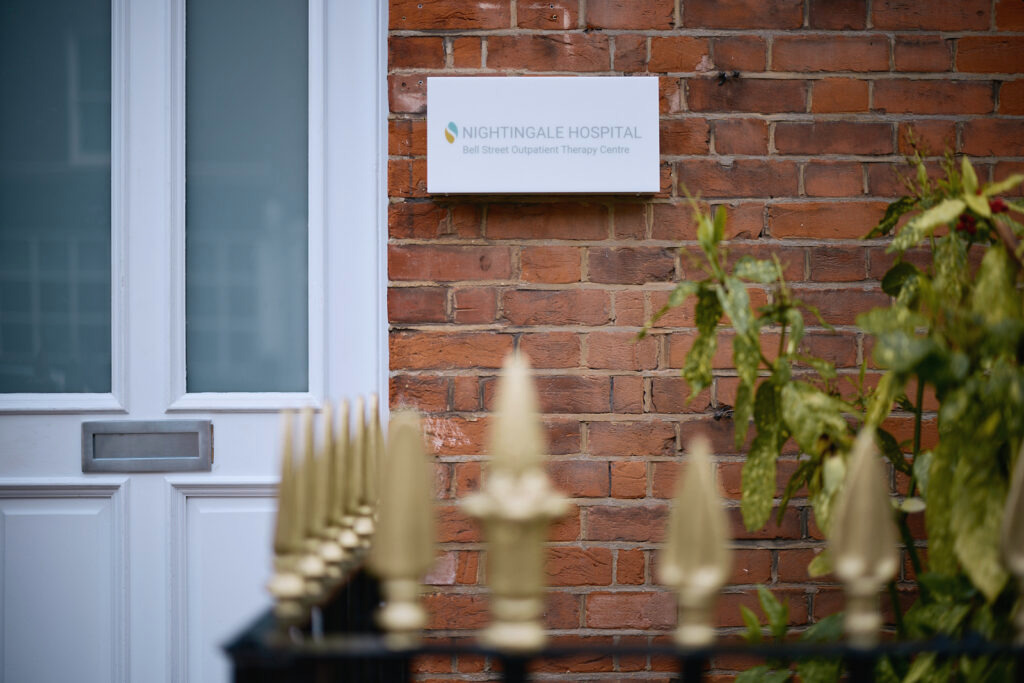
Nightingale Hospital 3 photos


Comparison facts and sources
Private adult mental-health hospital with distinct inpatient, day-patient and outpatient pathways for general psychiatry, addictions and eating disorders. · 11–19 Lisson Grove, Marylebone, London NW1 6SH; outpatient services also use nearby London sites
- Published fee information
- Quote required
- Before admission
- Admission and level of care follow clinical assessment. Detox, inpatient, day-patient and outpatient pathways are separate; exact suitability, authorization, fees and personal cost require direct confirmation.
- Continuing care
- The addiction service provides step-down care and a free weekly aftercare group for one year after discharge for eligible inpatient and day-therapy patients; individual counseling and family support may also be used.
Source record · October 15, 2026
Current official hospital, addiction, detox, rehabilitation, payment and contact information checked October 15, 2026. Image reuse rights were not assessed or claimed.
Luxury rehab comparison · Fees and inclusions · Selection methodology
Comparisons featuring this provider: Best Mental Health Retreats and Luxury Rehab for London Clients · Best Luxury Depression Treatment Centers · Best Luxury Alcohol Rehab Centers · Best Luxury Trauma & PTSD Treatment Centers.
Nightingale Hospital is a private mental-health hospital in Marylebone, central London. It provides inpatient, day-patient and outpatient treatment for mental-health conditions, addictions and eating disorders; its addiction service treats adults with substance-use, behavioral-addiction and dual-diagnosis needs.
Addiction pathways
- A medically supervised drug and alcohol detox pathway, normally 7–10 days and requiring at least seven inpatient nights
- A 28-day inpatient addiction rehabilitation program
- Day-patient and outpatient addiction treatment
- Step-down care, individual counseling and a free weekly aftercare group for one year for eligible patients, plus family support
Program choice follows an addiction-therapist or consultant-psychiatrist assessment. Self-funded and privately insured care are available, but authorization, fees and personal cost depend on the service and policy. The main hospital is at 11–19 Lisson Grove, Marylebone, London NW1 6SH; call +44 (0)20 7535 7700 to verify suitability, availability and cost.
An adult hospital with several clinical pathways
Nightingale’s inpatient information describes treatment for adults aged 18 and older across general mental health, addiction, obsessive-compulsive disorder, and eating-disorder services. It presents inpatient care as a hospital setting with nursing and ward-doctor support available around the clock. Consultant psychiatrists direct care, with the published description including direct consultant contact at least twice weekly.
The proposed ward and clinical pathway matter more than the hospital’s overall list of conditions. Ask which service would accept the person, who would be the admitting consultant, and whether a separate medical assessment is required before arrival. The inpatient description includes a structured group program throughout the week, but the actual plan depends on the unit and individual needs. A hospital admission should therefore be distinguished from booking a general private retreat: assessment, clinical suitability, and the agreed treatment setting determine what can be offered.
Detox admission and the minimum stay
The drug and alcohol detox pathway requires at least seven inpatient nights. Nightingale describes medically supervised withdrawal care and the possibility of moving afterward to its 28-day addiction rehabilitation program. Detox and rehabilitation are separate parts of the service, so a proposed admission should make clear which is being booked and how the decision about subsequent care will be reached.
The minimum stay is an admission requirement, not an individual prediction about withdrawal or readiness to leave. Discuss medical history, current medication, previous withdrawal treatment, and any existing psychiatric care with the clinical team. Ask whether the initial price covers only detox and which further charges would apply if the plan changes. If another program is recommended afterward, establish its start date and availability before assuming a seamless transfer. The next step should follow clinical assessment rather than be inferred from the fact that both pathways appear together on the website.
What the 28-day addiction program includes
Nightingale’s 28-day rehabilitation program describes a core therapeutic schedule seven days per week. It also specifies weekly individual therapy and care involving nurses, a ward doctor, and a consultant psychiatrist. The consultant-contact description is at least twice weekly. This is a structured inpatient program with group and individual components, rather than continuous one-to-one therapy.
Ask for the current example timetable and which sessions apply to the person’s needs. The distinction between a consultant review, an individual therapy appointment, a group, and a supported activity helps make the schedule understandable. It also helps clarify what an inpatient package actually includes. A named 28-day program does not guarantee that this duration is suitable for every person or that all clinical needs end with it. Discuss the review process, the circumstances that could change the plan, and the intended care after the inpatient period before committing to the admission.
Therapy approaches within addiction treatment
The hospital’s addiction-therapy information describes cognitive behavioral work, motivational enhancement, interpersonal approaches, 12-step elements, and practical recovery planning. It also discusses expressive and experiential activities alongside education, relaxation, and skills for daily life. These are components of a wider program, not a promise that every patient receives every named approach.
A prospective patient can ask which parts of the schedule are central to the proposed plan and which are optional or depend on readiness. Someone with a strong preference about group participation or 12-step involvement should raise it during assessment rather than assume the service is entirely individual or follows one approach exclusively. The same applies to previous therapy experience: tell the team what has been tried and what support is currently in place. The useful outcome of that discussion is a clear treatment plan with appropriate clinicians and an understandable rationale for the selected work.
Bedrooms and life on the ward
The hospital facilities page describes an individual bedroom for each inpatient, with an en-suite toilet and bath or shower. It lists a television, daily housekeeping, towels, and basic bathroom supplies. Wards also have shared kitchens, lounges, and laundry facilities, while professional laundry or dry cleaning carries an additional charge.
These details establish a private-bedroom hospital arrangement with shared ward facilities. They do not mean a patient occupies a whole residence alone or receives unrestricted use of every facility. Ask about the particular ward, accessibility needs, items to bring, and any restrictions associated with the clinical program. Someone planning a longer stay may also want to understand clothing, laundry, and storage arrangements. The relevant room and admission date should be confirmed with the hospital; photographs and general facilities descriptions should not be used to assume a particular room layout or a currently available upgrade.
Day therapy without an overnight hospital stay
Nightingale’s day-therapy service provides structured treatment while a person lives outside the hospital. The proposed attendance pattern depends on the program. The provider describes arrangements for self-funded patients and those using private insurance, including establishing cover before treatment and weekly billing for attendance. A refundable deposit may be requested if insurance authorization is delayed.
Day therapy should be planned around the actual hours and location of the recommended sessions. Ask whether the proposal is a full-day or shorter schedule, which appointments are included, and how clinical progress is reviewed. Overnight accommodation, travel, and support at home remain separate considerations. For someone stepping down from inpatient care, confirm the first attendance date rather than assuming a place automatically follows discharge. Also obtain the charges for missed sessions or changes to the plan. A flexible service still requires a workable weekly commitment and a clear understanding of the care available between visits.
Outpatient appointments and matching the clinician
The outpatient service describes access to consultant psychiatrists and therapists, with appointments available on weekdays and selected Saturdays. It offers a route for assessment and ongoing treatment without entering an inpatient or day program. The hospital’s description emphasizes matching the person with an appropriate clinician and therapy arrangement.
Ask whether the first appointment should be with a psychiatrist, therapist, or another specialist, and what information is needed before it can be arranged. An initial assessment is different from securing an ongoing appointment slot at a preferred time. Confirm the likely frequency, location, and cost of continuing visits after that first discussion. If another clinician already prescribes medication or provides therapy, clarify how responsibilities and records would be coordinated. The outpatient service should be chosen for the assessed need; it should not be assumed to provide the same monitoring, timetable, or access as an inpatient admission merely because both are offered by the hospital.
Published consultation pricing and program fees
Nightingale’s payment guidance gives approximately £380 as the cost of an initial consultant-psychiatrist appointment, depending on the consultant, usually lasting around an hour. It says outpatient therapy is paid for on the day and day therapy is paid weekly in advance. The consultation figure is not the price of detox, rehabilitation, or a complete mental health treatment course.
Request a written estimate for the exact proposed service, including any consultant charges, hospital fees, investigations, medication, or additional appointments. The relevant period also needs to be clear: an hourly consultation, a day-program week, and an inpatient package cover different services. If the treatment plan changes after assessment, obtain an updated estimate before comparing it with another provider’s offer. The hospital’s published figure is a useful starting reference, but the chosen consultant, appointment type, and current arrangements determine the actual quotation for a particular patient.
Insurance authorization and referral requirements
The hospital’s insurance-payment explanation says insured inpatient and day-patient treatment requires a GP referral and authorization. It describes the consultant completing the relevant insurer forms and the hospital seeking cover. Outpatient referral requirements vary by policy: some accept a GP referral, while others require a consultant assessment before therapy can proceed.
A hospital’s relationship with an insurer does not establish that a particular policy covers every service or proposed day. Ask which part of the plan has been authorized, whether the consultant is recognized by the insurer, and what excess or other personal contribution applies. If cover is limited, establish how further authorization and additional self-funded charges will be discussed. These questions are especially relevant when moving from detox to rehabilitation or from inpatient to day therapy. Obtain confirmation for each stage rather than treating an initial approval as unlimited funding for the whole course of care.
Visits to the addiction unit
Nightingale’s visiting guidance asks visitors to contact the ward in advance and states a maximum of two visitors at one time. It distinguishes addiction-unit arrangements from the main hospital’s general visiting hours. For the addiction unit, it describes a prescribed four-hour window on a weekend and directs families to the ward timetable or nursing staff for the actual time.
Relatives should therefore confirm the relevant unit’s arrangements before booking travel or assuming that general evening visiting hours apply. The individual treatment plan and ward rules may affect visits. Ask about identification, permitted items, and any circumstances in which a visit would need to change. Social visiting is also different from a family-therapy appointment; the latter should be arranged with the clinical team. A family traveling from outside London may find it useful to coordinate these separately so that practical support and therapeutic involvement each have a clear place in the plan.
Discharge planning and the one-year aftercare offer
The discharge guidance describes a tailored plan that may include consultant reviews, day therapy, individual therapy, family work, and dietetic support where appropriate. It also describes free weekly aftercare groups for one year after eligible inpatient or day-patient treatment. That group offer is one component of continuing care, not a statement that every later clinical appointment is free.
Before leaving, ask which group applies, how to join it, and which additional appointments have been arranged. Ongoing consultant or therapy fees and insurance authorization should be confirmed separately. Someone returning to another region or country should clarify what can continue remotely and what needs a local provider. A discharge plan is most useful when it identifies clinicians, appointment dates, medication responsibilities, and information-sharing arrangements. The free group can then sit alongside those clinical commitments rather than be mistaken for a complete substitute for them.
Confirming the correct London appointment location
Nightingale’s contact page lists the main hospital at 11–19 Lisson Grove and separate outpatient premises, including Edward House at 7 Lisson Grove, 100 Bell Street, and Token House at 11–12 Token House Yard. The organization’s London presence therefore covers more than one address. The correct destination depends on the appointment and program.
This matters for both local patients and people arranging travel. Ask for the full address in the appointment confirmation, the clinician’s name, and any arrival instructions. A consultant’s association with Nightingale does not mean every appointment takes place on an inpatient ward or at the main entrance. If several services form part of the same treatment week, check whether they use the same site and allow for travel between them. Accessibility, accompanying-family arrangements, and the time needed before an assessment are also best confirmed for the specific location rather than inferred from the hospital’s central London address.
Arrangements for international patients
The international-patient service describes help from the Patient Services Team with admission and logistics. Its information includes arranging collection from London airports or railway stations and orientation on arrival. It also discusses clinicians with different language skills and access to translation, with additional charges for translator services.
These arrangements should be agreed alongside clinical acceptance, not treated as confirmation that a particular admission is suitable or immediately available. Ask which transfer service is included in the quote, who receives the patient, and what happens if travel is delayed. Language requirements deserve early discussion: a translated conversation is different from ongoing therapy with a clinician who speaks the preferred language. Before leaving the home country, also establish how records, prescriptions, follow-up appointments, and payment will be handled after the London stay. The travel plan and continuing-care plan should work together, particularly when care will resume with an existing clinician abroad.
Official provider information reviewed October 18, 2026. Confirm the current ward, clinician, appointment location, program requirements, prices, authorization, and visitor arrangements directly with Nightingale Hospital.
Official sources
Checked October 15, 2026: addiction treatment, drug and alcohol detox, 28-day rehabilitation, aftercare, and contact information.