New Day Recovery
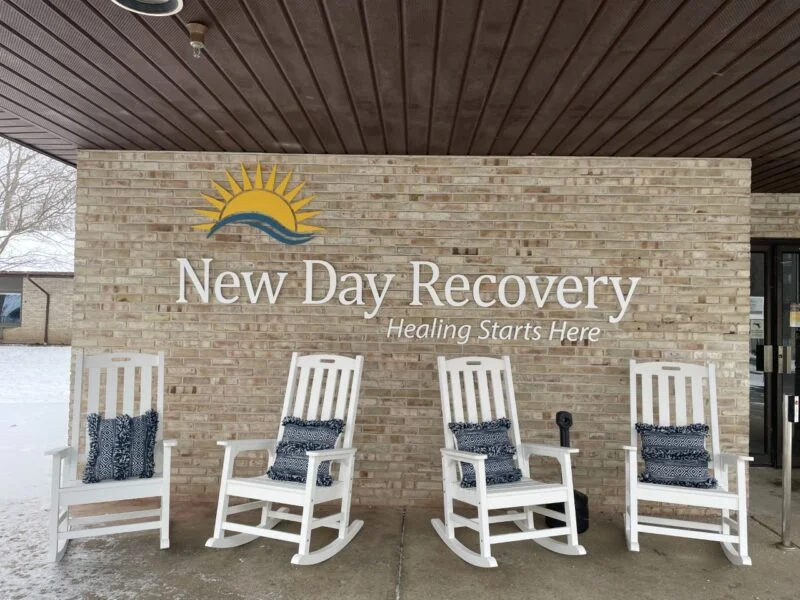
Comparison facts and sources
Adult addiction detox/residential provider with multiple treatment and recovery-housing settings; do not read the Niles photograph as every residential or housing location. · Record anchored to 1500 McKinley Avenue, Niles, Ohio 44446; 330-953-3300. The provider also names men's residential services in Rogers and Newton Falls and separate Valley Recovery Partners housing.
- Published fee information
- Quote required
- Before admission
- Exact site allocation of every residential service, detailed taxonomy, social/map destinations, cash treatment fees and taxes remain unverified. Recovery-housing agreements are separate from clinical program duration and payment.
- Continuing care
- Current alumni program offers ongoing peer connection, events and updates. Sister nonprofit Valley Recovery Partners provides separately leased recovery housing and practical support, not an included clinical stay.
Source record · October 17, 2026
Scoped current official-source program, duration, aftercare and payer review; other fields and individual costs remain unverified.
- Official current residential program and setting distinctions
- Official current detox program
- Official managed co-occurring conditions and referral limits
- Official current insurance and payment disclaimer
- Official alumni program
- Official separately leased recovery housing
- Official contact and Niles address
Luxury rehab comparison · Fees and inclusions · Selection methodology
New Day Recovery is an adult alcohol and drug treatment provider at 1500 McKinley Avenue in Niles, Ohio. It serves men and women in a 24-hour detoxification and residential setting.
The provider lists medically supported detox, 24-hour residential treatment, medication-assisted treatment, holistic and 12-step services, alumni support and recovery housing. Detox length is based on individual clinical need, and the provider does not publish one standard residential duration. New Day supports co-occurring mental-health needs but explicitly states that it is not a dual-diagnosis treatment center.
New Day Recovery publishes (330) 953-3300. The provider says it accepts most major insurance plans, names Medical Mutual and CareSource among examples, verifies benefits before admission, and may offer payment plans or financial assistance. Coverage and out-of-pocket costs depend on the plan and program; no universal weekly treatment fee is published.
The Niles setting and room arrangements
New Day Recovery’s centers page identifies adult detox and residential treatment in Niles, in Trumbull County. It describes private and semi-private rooms, lounge areas and a courtyard. That mix of room types is more useful than assuming that every admission includes a private bedroom. Ask which accommodation is available for the proposed level of care and whether any room preference can be met.
The provider also describes daily meals and snacks, with menus overseen by a dietitian, and asks people to disclose dietary requirements. Bring allergies or other dietary needs into the admission discussion rather than relying on photographs or a general meal description. The page is an overview of the setting; it does not allocate every service shown elsewhere on the website to the Niles building. Keep the receiving address and program name attached to any offer, especially when a conversation turns to another residential service, outpatient support or recovery housing.
Detox is assessed individually
The detox program covers alcohol and a range of other substances, including opioids, stimulants and prescription drugs. New Day says its medical team assesses the person’s needs, monitors withdrawal and may use medications selected for that individual. Its description does not give one fixed detox duration: some people may need days, while others need longer. A published substance list cannot determine the right withdrawal plan or the appropriate setting for a particular person.
Ask what information the team needs about recent substance use, existing prescriptions and medical history, and how those details affect admission. Clarify whether detox is the proposed starting point or whether the assessment suggests another route. The provider presents detox as preparation for continuing treatment, so discuss the next stage while arranging the initial stay. That conversation should distinguish an anticipated transition from a confirmed placement. Do not convert a general description of medications or duration into instructions to stop or change treatment before the medical team has reviewed the case.
Residential treatment has a different daily purpose
The residential program page describes round-the-clock support for adult men and women, with individual therapy, group counseling, recreation and life-skills work. New Day says the length of this phase varies according to the person’s needs and progress. Its reference to some stays lasting a few weeks is an example, not a standard package or a promised discharge date.
Ask how a typical week is organized and which parts of the schedule would apply to the individual. The planned balance of personal counseling, groups and practical recovery work is more informative than a broad statement that treatment is individualized. Find out how progress is reviewed, how a change in needs affects the plan, and when the next level of care is discussed. If a person has completed detox elsewhere, make that clear during assessment instead of assuming that every residential admission must repeat the same sequence. The residential offer should explain the proposed care and the setting in which it will be delivered.
Distinguish the separate men’s residential settings
New Day’s men’s treatment page names Rogers and Newton Falls as locations for its men’s residential services. It distinguishes high-intensity residential treatment from a lower-intensity program that allows more engagement with employment and the community. The page also describes counseling, case management, family work, recreation and recovery-related life skills. These descriptions should not be automatically reassigned to the Niles inpatient address.
For someone considering a men’s pathway, ask which site and level are actually being proposed. Clarify the daily treatment requirements, how medical and counseling support are organized, and whether employment is appropriate in that phase. The opportunity to work belongs to the lower-intensity description; it is not a general permission to maintain a full work schedule throughout detox or high-intensity care. Ask how a move between settings would be arranged and what would need to be confirmed before it occurs. Keeping these programs distinct makes the wider New Day pathway easier to understand.
Check the limits of co-occurring support
The provider’s co-occurring mental health page explicitly says New Day is not a dual-diagnosis treatment center equipped to bring a new or uncontrolled mental health diagnosis under control alongside addiction treatment. It describes the possibility of working with people whose condition is already managed through prescribed medication, appointments and existing providers. That distinction is more precise than assuming that every mental health concern can be treated within the inpatient program.
The page identifies referrals, including to On Demand Counseling, as part of its response when another service is needed. Before admission, explain any existing mental health care and ask how the teams would coordinate it. A diagnosis appearing in a website category is not enough to establish eligibility or clinical capacity. Ask which needs New Day can manage, which require outside support, and what would happen if the assessment identifies a different level of care. A useful answer may be a referral rather than an admission to the program described here.
Understand that PHP is partner-delivered
New Day’s partial hospitalization page says it offers access to PHP through a network of partner organizations. It describes a structured daytime option combining counseling, medication management and contact with medical or behavioral health professionals while participants live outside the program overnight. This is a referral or coordination pathway, not evidence that a PHP operates inside the Niles detox and residential building.
The page gives general examples of attendance and duration, but the receiving organization’s actual schedule needs to be established. Ask for its name, address, daily hours and admission requirements. Discuss where the person would live and how they would travel to sessions, rather than assuming that housing or transportation is included. If PHP is proposed after residential care, confirm who arranges the handoff and whether the receiving service has accepted the person. New Day’s description helps explain the intended level of support; the partner’s plan supplies the practical and financial details.
Locate ongoing outpatient care
The outpatient page describes counseling, groups and support for people living outside an inpatient setting. It also discusses medication-assisted treatment for opioid or alcohol dependence. The provider says duration may range from weeks to months according to individual needs and progress, and describes flexible scheduling rather than one universal timetable.
When outpatient care is recommended, confirm the receiving office or organization, the clinician responsible for prescriptions where relevant, and the expected attendance. Ask whether the proposed schedule is ordinary outpatient treatment or a more intensive level, and how changes will be reviewed. Having an existing prescription does not by itself confirm that a particular service will continue or manage it; that needs a clinical discussion. Outpatient support also involves a different daily arrangement from living at Niles. Consider the home environment, travel and other responsibilities with the team so that the agreed plan is realistic, rather than choosing the level solely because its hours seem convenient.
Recovery housing uses a separate agreement
New Day’s recovery-housing page identifies Valley Recovery Partners as its sister nonprofit organization. It describes men’s and women’s residences in Mahoning and Trumbull counties, with furnished rooms, laundry facilities, internet access and practical support such as employment assistance. The housing is presented as part of life after or alongside treatment, with a separate week-to-week lease between the resident and housing coordinator.
The page also describes expectations involving participation in recovery treatment, negative drug screens and peer-support meetings. Ask for the current residence rules, rent, available assistance and the terms of the agreement. A housing placement does not establish a clinical admission, and help finding employment does not promise a job. If a residence is proposed, clarify the route to appointments and which treatment services are separately scheduled and paid for. This keeps a useful housing option distinct from an included residential treatment package or a guaranteed extension of the inpatient stay.
Use alumni support alongside a clinical plan
The alumni program describes events, peer connection, volunteer opportunities and a newsletter for former clients. Examples include reunions, cookouts and community service. People can sign up for updates and opportunities to stay involved. The emphasis is on maintaining a connection with the New Day community beyond the formal treatment period.
Ask how to join, where events take place and how someone living farther away can remain informed. If the person wants regular counseling or medication follow-up, arrange those services separately rather than assuming that an alumni invitation provides them. The public page does not establish a guaranteed frequency of individual clinical appointments or unlimited free treatment. A practical discharge plan can include both professional care and optional alumni activities, with each serving a clear purpose. For someone who found peer contact helpful during treatment, understanding the current local events and sign-up process makes that connection easier to continue without overstating what the program delivers.
Confirm payment through the specific program
The insurance page offers a benefits check and names Medical Mutual of Ohio and CareSource among the carriers New Day works with. Its disclaimer is explicit that a quote of benefits or an authorization is not a guarantee of payment. Coverage remains subject to the member’s plan, and a service the insurer declines may become the patient’s responsibility.
Ask which program and receiving location the verification concerns, what has been confirmed, and what still depends on clinical review or authorization. A broad statement that insurance is accepted does not supply an individual estimate. Request an explanation of expected personal costs and how they could change if the level or length of care changes. If payment assistance is discussed, ask for the current eligibility and terms rather than interpreting a general affordability statement as free treatment. Keep any recovery-housing rent separate from clinical charges, because those arrangements are described under different agreements.
Prepare for the specific treatment phase
New Day’s packing instructions distinguish detox from residential care. They request identification, insurance information where applicable, and medications in their original bottles. For detox, the provider says it supplies clothing and hygiene products, with a smaller list of personal items. Residential guidance allows approximately a week of clothes, sleepwear and specified unopened hygiene products.
The page says cell phones may be brought but will not be accessible during detox or residential treatment. It also limits luggage and excludes perfumes or cologne. Check the current instructions with admissions before leaving, especially if a person uses medical equipment, has accessibility needs or must make arrangements for family contact. Ask how necessary communications will be handled while a phone is unavailable. Packing rules are practical facility arrangements, not a medication plan; bringing original containers allows the medical team to review prescriptions without requiring the person to make independent changes before arrival.
Official New Day Recovery pages checked October 19, 2026. Niles inpatient care, other residential settings, partner PHP, outpatient services, alumni activities and separately leased recovery housing are distinguished. Admission fit, availability, treatment duration and payment remain individual decisions.
Sources
Sources checked October 17, 2026.