Mountainside Chappaqua


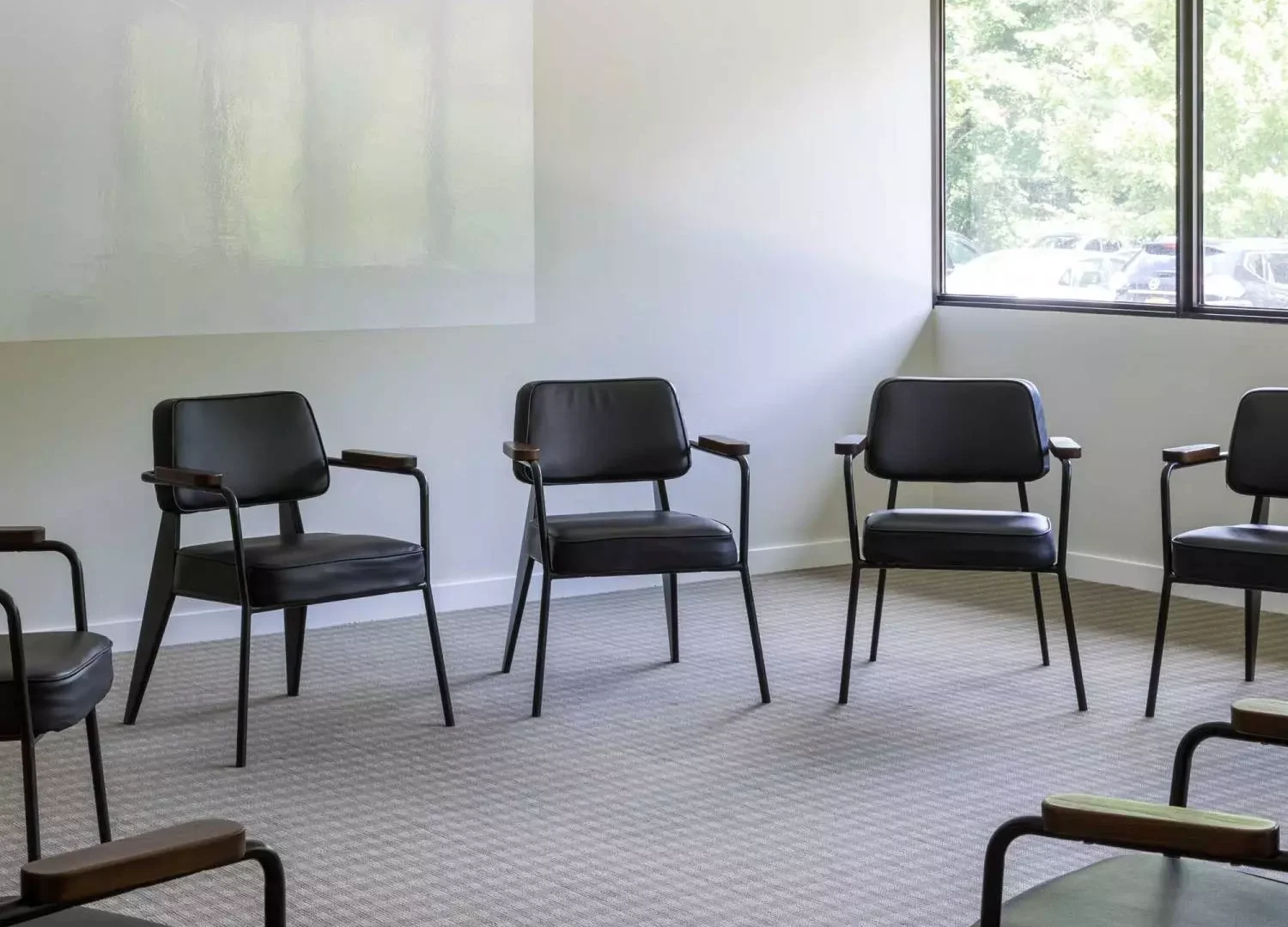
Mountainside Chappaqua 3 photos


Mountainside Chappaqua is an outpatient addiction-treatment clinic in Westchester County, New York. It serves adults, adolescents and families while allowing clients to remain at home and continue work, school or family responsibilities.
Outpatient services
The Chappaqua location offers intensive outpatient and standard outpatient programs, with morning and evening options. Published supports include individual and group counseling, family services, medication-assisted treatment, psychiatric and clinical care, recovery coaching, wellness services and telehealth. Residential and medical-detox services offered elsewhere in the Mountainside network should not be attributed to this clinic.
The Chappaqua outpatient location
Mountainside’s Chappaqua page describes outpatient addiction treatment in Westchester County, with services for adults, adolescents, and families. It lists morning and evening options, recovery coaching, and connections with virtual services. The local clinic should be distinguished from Mountainside’s residential programs and other facilities elsewhere in the network.
Someone choosing this location should establish which appointments actually take place in Chappaqua, which are virtual, and whether any recommended service requires another location. That matters particularly for people balancing treatment with work, school, or family responsibilities. Obtain the proposed schedule and clinical contact before planning recurring travel. The network’s broader continuum does not mean that overnight treatment or inpatient medical detoxification is available at the Chappaqua office. A referral should identify the actual setting needed and how care will be coordinated if the person needs more support than outpatient treatment provides.
Adult outpatient program structure
The outpatient program overview describes an IOP course of 30 sessions and an outpatient course organized over ten weeks. It lists individual and group work, with topics that can include recovery maintenance, co-occurring concerns, grief, and other needs. The published descriptions are network program structures, so the local team should confirm which timetable is currently offered in Chappaqua.
Ask how many appointments occur each week, which are individual, and what happens if the treatment recommendation changes during the course. Program length is not a guarantee that everyone will need or complete the same number of sessions. Discuss how work, transport, medications, and existing clinical relationships fit around the schedule. If the person is comparing an in-person course with the separate virtual IOP, use the timetable for each specific program rather than assuming that similar names indicate identical attendance requirements.
Adolescent treatment for ages 14–17
The adolescent service is described for ages 14–17. Mountainside publishes an eight-week outpatient format with weekly individual and group sessions, family involvement, and monitoring according to clinical need. It discusses in-person, virtual, and hybrid participation. This is a distinct adolescent pathway rather than a younger patient attending the adult program without changes.
Families should obtain the current calendar, including the frequency of family meetings, and discuss school attendance, transportation, and communication permissions. The website uses the term “bi-weekly” for one family component, so ask the team to specify the actual dates rather than assuming it means either twice weekly or every other week. Explain any current medical or mental-health care and who should coordinate it. An assessment should determine the appropriate support; the existence of an adolescent substance-use program does not mean that every instance of experimentation establishes an addiction diagnosis.
The separate virtual outpatient timetable
The virtual outpatient page describes an IOP course of 24 sessions over seven weeks and a separate ten-week outpatient program. It lists access in Connecticut, New York, New Jersey, and Massachusetts, with a requirement to be physically in the state associated with enrollment. It also describes coordination of testing through local Quest services when required.
These details distinguish the virtual course from the 30-session description on the general outpatient page. Ask which schedule is being offered, how individual appointments are arranged, and whether the person’s location remains eligible during work or family travel. Remote attendance is not permission to join from any state or country. Establish a private place for sessions and a plan for local care if needs change. Any testing, medical visits, or other appointments outside the video schedule should be included in the practical and financial plan.
Virtual outpatient withdrawal management
Mountainside’s outpatient withdrawal-management service is a separate home-based program for clinically selected people. The provider describes daily virtual contact, medication when appropriate, and a typical planning range of seven to ten days. Its eligibility discussion emphasizes medical stability, a safe home, and the absence of risks that require continuous monitoring.
The page requires a family member or recovery companion to remain available throughout and discusses arranging a sober companion where needed. It also advises planning time away from work and avoiding driving during the program. These are provider program requirements to discuss with the treating team, not instructions to attempt withdrawal independently. Chappaqua’s connection to this service does not establish an on-site detoxification unit. Obtain a clinical assessment, the agreed support arrangement, and the plan for escalation before relying on home treatment; an inpatient setting may be more appropriate for some people.
Family therapy and recovery support
The family services page describes Family Connections Therapy, a ten-week Family Recovery Group, workshops, and other support. Mountainside states that a loved one does not have to be enrolled in its treatment program for a family member to seek certain services. That creates a separate route for people who need help navigating their own circumstances around another person’s substance use.
Ask which service is clinical therapy, which is education or peer support, and which is appropriate for the participant’s goals. Confirm eligibility, current meeting dates, cost, and whether sessions are individual or involve several relatives. The person receiving addiction treatment and the family member may have different clinical relationships and privacy needs. A family service should not be understood as permission to obtain another adult’s private records or compel participation. The plan should support realistic communication and boundaries without assuming every relationship can or should be restored.
The nonclinical Family Foundations workshop
The dedicated Family Foundations page describes seven private virtual sessions over seven weeks. Mountainside identifies it as a nonclinical educational program, publishes a total price of US$1,200, and states that it is not covered by insurance. Payment plans are mentioned. This is a specific workshop fee, not a price for addiction treatment at Chappaqua.
The program addresses communication, boundaries, stress, transitions, and personal well-being, with an introductory meeting and additional contact described between sessions. A participant should clarify what the quoted package includes and whether the format fits the intended family member or group. Clinical therapy and this educational workshop have different purposes even when a clinician facilitates the material. If someone needs assessment or treatment for their own mental-health concerns, ask which separate service is appropriate rather than assuming the workshop supplies a diagnosis or ongoing psychotherapy.
Recovery coaching and everyday goals
The recovery-coaching program describes peer-based support involving regular communication, wellness reviews, accountability, and help connecting with resources. Its examples include education, employment, family responsibilities, and access to other professionals. The emphasis is on applying a recovery plan in daily life rather than replacing the clinician responsible for treatment.
Clarify the contact schedule, the coach’s role, and which goals will be addressed. Monitoring tools or other added services should be explained separately, including their purpose and any additional charge. Coaching should not be assumed to provide psychotherapy, medication prescribing, or an emergency response whenever a message is sent. For someone already attending IOP or outpatient appointments, discuss how the coach communicates with the clinical team and what consent is required. A workable plan identifies the responsibilities of each person rather than treating all forms of support as interchangeable.
Medical and psychiatric appointments
Mountainside’s medical and psychiatric overview describes assessment, medication management, physical-health evaluation, and selected testing. It explicitly states that services are provided as needed. The page is a network description, so it does not mean that every test or specialist appointment occurs at Chappaqua or is necessary for every outpatient participant.
Ask which appointments are proposed and why, where they will occur, and how the results inform the treatment plan. Bring an accurate medication list and relevant information from existing clinicians. Where both a primary-care professional and a Mountainside prescriber are involved, establish who manages each condition and how they communicate. The clinical plan should identify any outside referrals or monitoring rather than assuming a general list of services covers every medical need. Confirm whether separate appointments or tests have additional costs and how follow-up continues after the outpatient course ends.
Medication-assisted treatment at this location
The medication-assisted treatment page names Chappaqua among the locations providing medication services. Mountainside lists several medication options across its network and describes evaluation, prescribing, and follow-up alongside counseling. It also states that its virtual programs offer a narrower medication option, so virtual and in-person prescribing arrangements should not be assumed to be identical.
Someone already receiving treatment should discuss continuity before transferring. Confirm the responsible prescriber, the location of appointments or medication administration, and how records are shared. The clinician can explain which options are appropriate and what monitoring is required; a website list is not a recommendation to start, stop, or substitute medication. Ask how prescribing continues if the person changes between in-person and virtual care or completes the counseling program. Medication services at an outpatient office do not establish that inpatient detoxification is available there.
Choosing relevant counseling approaches
The clinical services overview lists individual and group counseling, recovery education, and approaches such as CBT, DBT, motivational interviewing, and trauma-informed work. It also describes specific groups and trauma-related methods. These are network offerings, so the assigned clinician should explain which components are actually included in the Chappaqua plan.
The useful comparison is the purpose and delivery of treatment: which concerns are being addressed, how much individual time is available, and how group work relates to the person’s goals. Ask how the team decides whether a trauma-focused method is appropriate and how that work is coordinated with substance-use treatment. Not every participant needs every named approach, and a method appearing on the website does not establish a guaranteed outcome. A clear plan explains how progress is reviewed and how treatment changes when an approach does not meet the person’s needs.
Planning the next stage of care
The continuing-care team describes individual planning, referrals, coordination with the next providers, and follow-up after treatment. The network’s examples include outpatient care, medication services, community resources, and alumni connections. These are options to organize around the person’s needs rather than a single prescribed destination after every course.
Before completing the Chappaqua program, establish the next appointments, prescribing arrangements, and any practical support needed to attend. Where another organization is receiving the referral, confirm that it has accepted the person and has the necessary information with appropriate permission. Family involvement should be agreed rather than assumed. Ask who can help if an appointment falls through or the next service proves unsuitable. A discharge plan is more useful when responsibilities and dates are clear, rather than consisting only of a list of possible resources.
Alumni activities and their role
Mountainside’s alumni services describe community events, an app, newsletters, and opportunities to connect with others after treatment. The provider also lists roles such as sharing a recovery story or supporting newer alumni, with participation criteria. These activities are distinct from professional counseling or prescribing appointments.
Ask which events are currently available near Chappaqua or online and what registration is required. Historical photographs of trips or gatherings do not establish that the same activities are scheduled now or included in treatment fees. Community participation can complement ongoing care, but it should not be relied on as a substitute for necessary clinical follow-up. The practical aftercare discussion should explain how alumni contact fits with the person’s treatment plan, especially when work, travel, or family obligations make regular attendance at events difficult.
Insurance verification for the actual program
The payment guidance describes benefit checks before admission, communication with insurers during treatment, billing support, and private-payment options. Its network references include different locations and plans, so prospective patients should obtain confirmation for Chappaqua and the exact service proposed. An insurer relationship elsewhere in the organization does not by itself establish the terms of local coverage.
Request the expected personal contribution, any authorization requirements, and separate charges for prescribing, testing, coaching, or family services where applicable. Ask how the financial plan changes if treatment continues longer or moves to another level. Assistance with a claim or appeal does not guarantee payment, and a scholarship reference does not establish an available funded place. A written program-specific estimate provides a better basis for comparison than general insurance logos or applying the price of a separate educational workshop to clinical treatment.
Contact and payment
The clinic is at 480 North Bedford Road, Chappaqua, NY 10514 and lists telephone 914-534-6030. Mountainside says it works with most insurance plans, subject to benefit verification. The provider does not publish one standard fee or duration for Chappaqua outpatient care.
Official sources: Mountainside Chappaqua, outpatient services and outpatient FAQs. Official sources checked October 13, 2026.