Monterey Bay Recovery
Comparison facts and sources
residential_addiction · Monterey, California, United States
- Published fee information
- Quote required
- Before admission
- Some clients complete treatment in 30 days; others need longer; individualized.
- Continuing care
- Individual planning for continuing therapy, mental health services and other resources.
Source record · 2026-10-20
Official provider information checked October 20, 2026.
Luxury rehab comparison · Fees and inclusions · Selection methodology
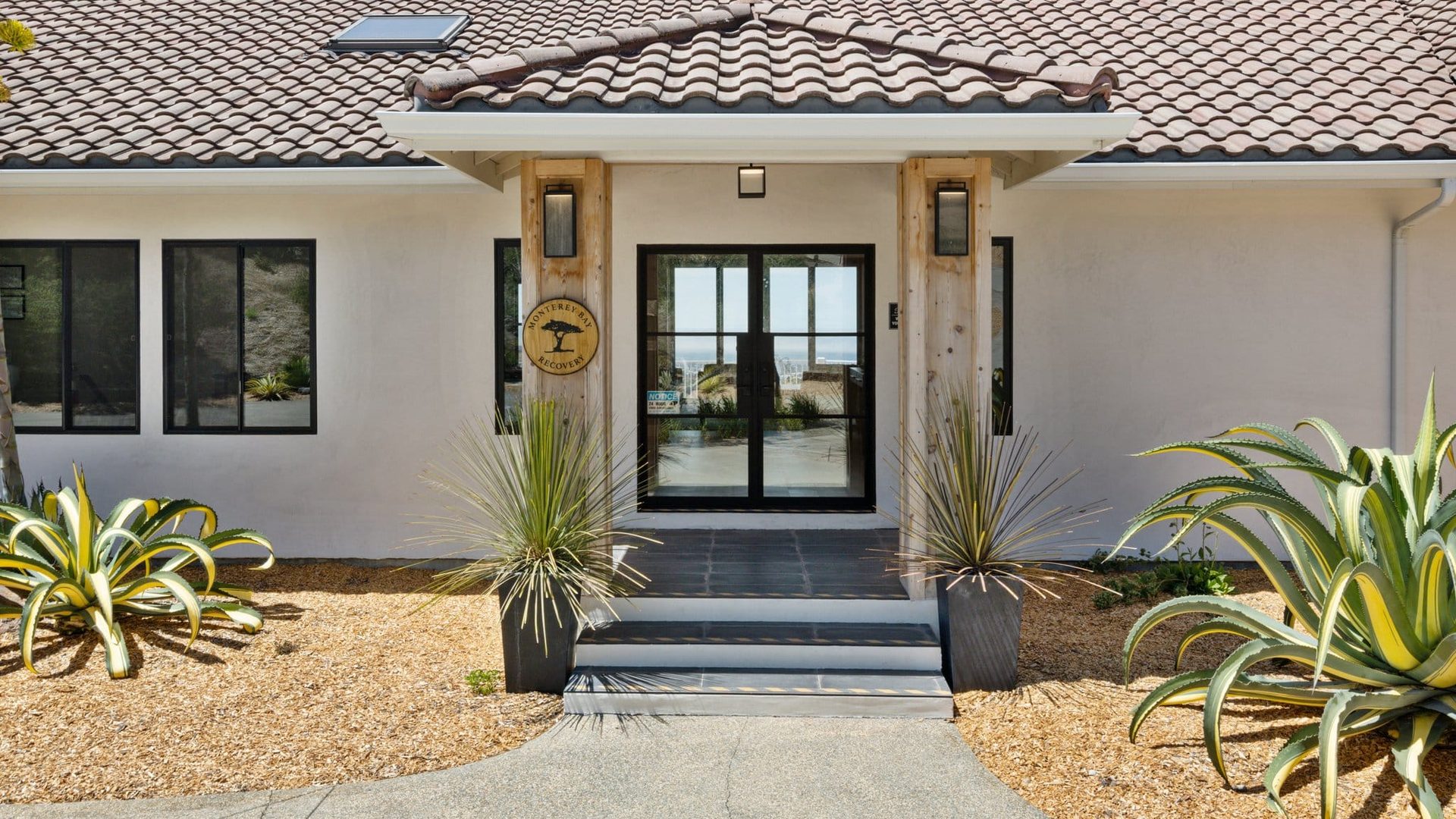
Monterey Bay Recovery is a small residential addiction treatment provider in Monterey, California. Its residential program describes a six-bed, substance-use-primary setting in a modern ranch-style house overlooking the Pacific. The provider combines detoxification and residential care with individual planning, trauma-related services, and experiential activities in the surrounding region. Its small scale and elevated coastal setting are central to the published experience, but suitability still depends on clinical assessment and the person’s current needs.
The distinction between substance-use-primary care and a general psychiatric hospital is important. Monterey Bay Recovery describes support for co-occurring mental health concerns, while its residential program is explicitly organized around substance use treatment. A prospective resident should ask whether the current combination of medical and psychiatric needs fits that setting. The goal of the admission conversation is to translate the provider’s broad services into a realistic plan for assessment, daily treatment, accommodation, and continuing care.
A six-bed residence above the coast
The location page identifies the property as a modern ranch-style home on elevated ground overlooking the ocean. The public address is 10300 Saddle Road, Monterey, California 93940. This is different from saying that the residence is directly on the beach. The physical setting may appeal to someone who wants distance from a busy urban routine, but the exact room, accessibility, and arrival arrangements should be confirmed with admissions before travel.
The private luxury program page describes private rooms and a low-population setting. It is still a residential community with shared meals, activities, and clinical programming. A person who values privacy should ask about the offered bedroom and bathroom as well as the shared parts of the day. Private accommodation does not establish a completely one-to-one treatment model. A tour or current room description can help clarify physical details that are not apparent from general property photographs.
Assessment and the start of care
The admissions page begins with a telephone discussion of individual needs, treatment options, and the facility. The provider says staff also review insurance and financial arrangements. A prospective resident should use that conversation to explain substance use history, current medication, previous treatment, and any immediate medical or mental health concerns. These details help establish whether the program is appropriate and what information should be obtained from existing clinicians before arrival.
The residence’s small capacity does not answer every question about the level of care available. Someone transferring from another facility should confirm how records and medication instructions will be shared and who coordinates the transition. The same applies to a person who may need an assessment or stabilization before entering the house. A useful admission plan identifies the proposed starting point and the responsibilities of the different professionals involved. It should not rely on the comfort of the accommodation to resolve clinical uncertainty.
Detoxification as one part of the program
Monterey Bay Recovery’s detox page describes medically supervised withdrawal management and an individualized assessment of current symptoms, health concerns, substance use, and previous detox experiences. The plan may be adjusted as the person’s condition changes. This is a description of the provider’s service, not a universal promise about duration or medication. Prospective residents should discuss the current situation directly so the team can determine whether the program can meet the required level of support.
The provider presents detoxification and residential therapy as connected phases. Ask how the transition is decided, whether the proposed stay includes both, and how the daily schedule changes as the person becomes ready for more intensive therapeutic work. If an outside medical appointment or specialist is needed, clarify how it would be arranged and billed. The relevant financial and clinical comparison is the complete proposed course, rather than an isolated detox price or a generic number of residential days.
Residential therapy and co-occurring concerns
The residential description lists approaches including dialectical behavior therapy, EMDR, trauma therapy, and support for PTSD-related concerns. It also discusses individualized care for alcohol use, other substance use, and dual diagnosis. These are the provider’s stated areas of work. A named modality should not be interpreted as a service every resident will receive, and a list of conditions does not establish eligibility for every severity level. The admission assessment should identify the actual priorities.
A prospective resident can ask how individual sessions, groups, medical appointments, and experiential activities are balanced across a week. The public pages reviewed do not establish a universal number of one-to-one psychotherapy sessions, so that should be requested for the proposed plan. Someone with prior treatment experience can explain what helped and where gaps remained. The useful question is how the team would use that history to organize this stay, including what work is realistic during the residential phase and what should continue afterward.
Experiential activities in the Monterey area
The experiential therapy overview describes equine work, breathwork, hiking, kayaking, yoga, and nutritional support. These activities give the program a distinctive connection with the surrounding environment. They should be understood as selected elements of the experience rather than as proof of a medical benefit. A resident should ask which activities are recommended, how they relate to the treatment goals, and whether participation depends on weather, physical ability, practitioner availability, or the stage of care.
The equine description involves time with horses under professional guidance, including activities such as leading and grooming. It should not automatically be presented as a riding program. A person with an allergy, mobility limitation, or anxiety around animals can discuss alternatives before assuming participation is required. The same approach applies to kayaking and hiking. The relevant question is how the team adapts the proposed schedule so it is appropriate for the individual, rather than treating outdoor activity as a universal expectation.
Breathwork and yoga are also presented within the broader program. A prospective resident can ask about the format, the practitioner’s role, and any modifications needed. The value of discussing these details is practical: an activity that appears attractive in a description may feel different in a group or during a demanding phase of treatment. The program should explain how clinical priorities and personal preferences shape participation. No particular result should be inferred merely from access to a scenic location or a range of wellness practices.
Food and the residential routine
Monterey Bay Recovery describes an on-site private chef preparing meals tailored to dietary needs, with an emphasis on local and organic ingredients. Shared dining is part of the home environment. Someone with allergies or a medically relevant dietary requirement should provide the exact information before arrival so the kitchen can confirm what it can accommodate. “Gourmet meals” is a style description; the practical issue is whether the daily food arrangements meet the resident’s needs throughout the proposed stay.
The location and residential pages emphasize space for rest and reflection alongside structured treatment. Ask for a sample day showing appointments, meals, groups, activities, and unscheduled time. This can help a person who has never lived in treatment picture the commitment. It also provides an opportunity to discuss sleep routines, physical restrictions, and essential outside communication. The reviewed pages do not establish an unrestricted device or work policy, so anyone who needs those arrangements should obtain a direct answer rather than assuming them.
Duration and financial arrangements
The private luxury page says some clients may complete treatment in 30 days while others need longer, with duration determined individually. That should not be treated as a fixed one-month package. Ask how the initial recommendation is made, how progress is reviewed, and what happens if the team recommends an extension or another level of care. These details affect leave, travel, housing after discharge, and the financial agreement as well as the clinical plan.
The admissions information describes insurance verification and discussion of out-of-pocket costs. The private luxury page also identifies private-pay options. No fixed current official residential tariff was verified on the pages reviewed. A written proposal should specify the duration, room, included assessments and treatment, and any outside or optional services. Insurance benefits should be checked for the actual plan and proposed care; general acceptance of insurance does not establish authorization, final payment, or the resident’s total responsibility.
Continuing care and the return home
The detox and residential pages emphasize individualized aftercare planning. The provider describes possible continuing therapy, mental health services, and other resources after the stay. The exact plan should identify which arrangements are direct services and which are referrals. A resident returning outside Monterey may need local clinicians, while someone remaining nearby may have different options. Ask who coordinates the first appointments and how relevant information is shared with consent before discharge.
A useful transition plan also considers the routines, relationships, and responsibilities the resident expects to resume. The experiential activities may provide ideas for preferred ways to spend time, but ongoing clinical care and practical support require their own arrangements. Housing, medication follow-up, therapy, peer meetings, and alumni connection should not be grouped into one vague promise of aftercare. The resident should understand what is scheduled, what still needs to be arranged, and whom to contact about each part of the plan.
Frequently asked questions
Is Monterey Bay Recovery directly on the beach?
The official location page describes an elevated ranch-style home overlooking the Pacific. It should be described as an ocean-view or coastal setting, without assuming beachfront accommodation. Confirm the property and transport arrangements with admissions.
Is the program primarily for mental health treatment?
The residential page explicitly calls it a substance-use-primary program and also describes support for co-occurring mental health concerns. A person seeking treatment primarily for a psychiatric condition should ask whether the program is appropriate for their current needs.
Does every resident receive every experiential therapy?
The provider describes an individualized plan. Ask which activities are recommended and available during the proposed stay, how they are adapted, and whether any are optional or separately charged.
Explore related treatment options
For further comparison, explore treatment centers in California and addiction treatment providers. Review each provider’s clinical setting, accommodation, admissions requirements, and continuing-care arrangements.
Sources
Official provider information reviewed October 20, 2026.