Midwest Recovery Center
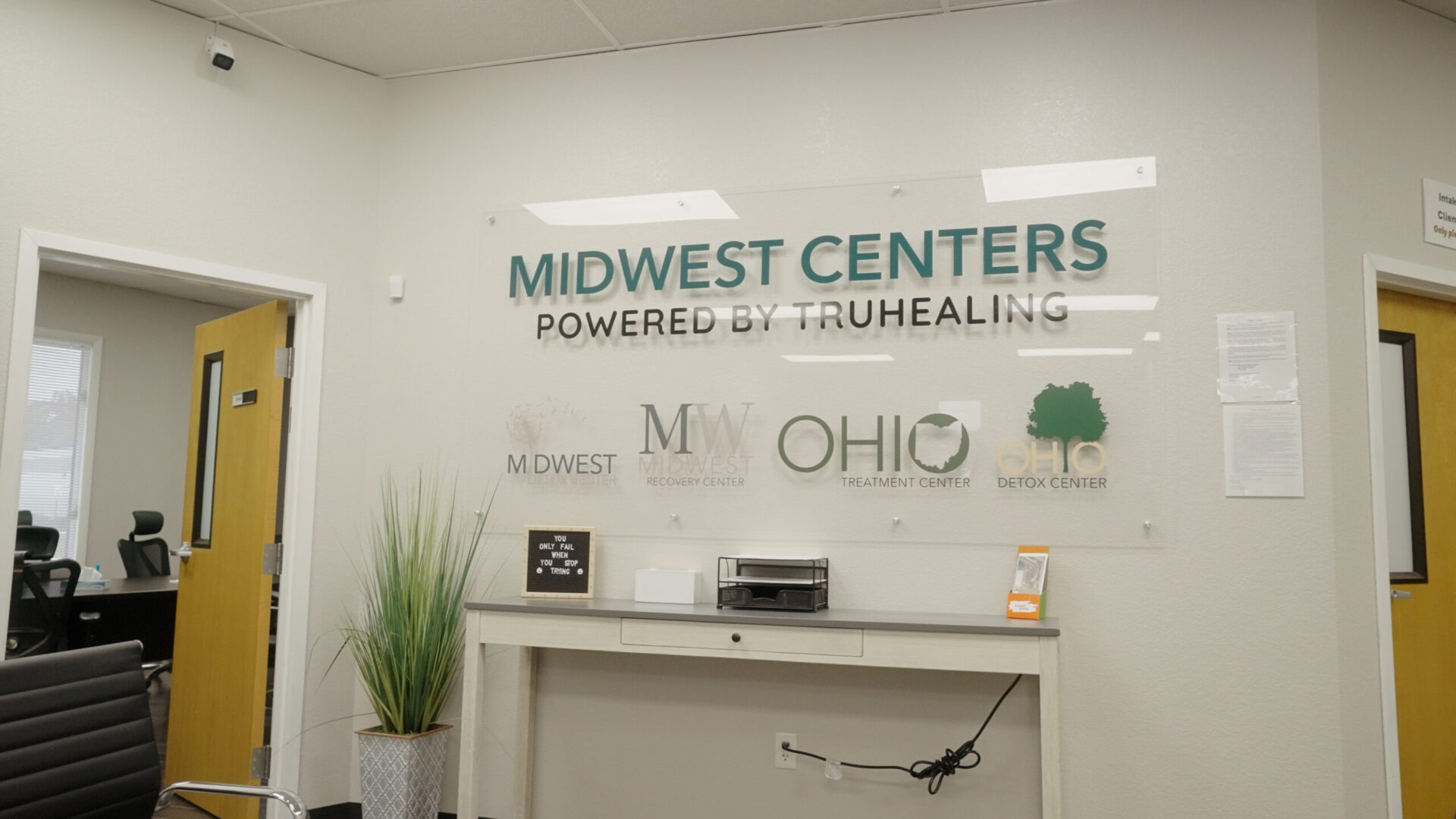
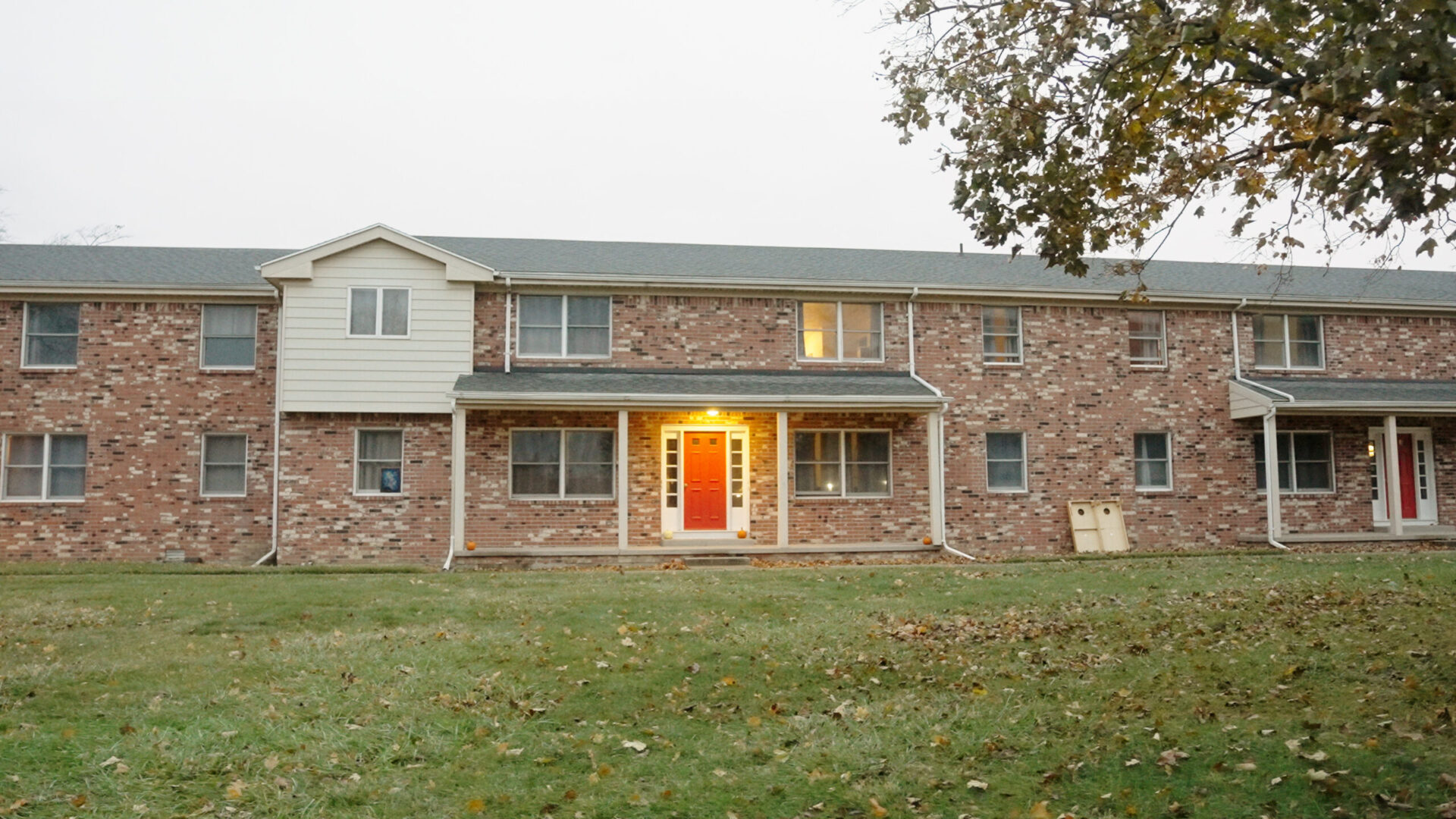
Midwest Recovery Center 2 photos
Comparison facts and sources
Toledo PHP, IOP, outpatient and medication-assisted treatment program within a broader network. Detox and residential care are separately presented and should not automatically be assigned to this Toledo outpatient profile. · Toledo, Ohio. The provider lists 7540 New West Road for centralized intake and on its locations directory, while its Toledo landing page states 540 New West Road; confirm the service destination before travel.
- Published fee information
- Quote required
- Before admission
- The provider currently publishes conflicting 540 and 7540 New West Road addresses. 7540 is expressly identified as centralized intake; confirm the actual service destination. Residential and detox claims are network-level, not automatically Toledo-campus services.
- Continuing care
- Step-down outpatient therapy, alumni support, sober-living or community-housing connections and continued therapist relationships may support recovery after a higher level of care.
Source record · October 14, 2026
Provider-published information checked October 14, 2026. Confirm the correct address, program level, age eligibility, insurance authorization, housing and personal cost directly with Midwest Recovery Center.
Luxury rehab comparison · Fees and inclusions · Selection methodology
Midwest Recovery Center lists 7540 New West Road in Toledo for centralized intake, while its Toledo location page gives 540 New West Road; confirm the destination before travel. The Toledo site provides day and outpatient treatment without required overnight stays. Detox and residential care are offered through separate network locations in Maumee and should not be attributed to this campus.
The Toledo program offers partial hospitalization, intensive outpatient, standard outpatient and medication-assisted treatment for substance-use disorders and co-occurring mental-health conditions. Current guidance describes intensive outpatient care as three to five sessions per week, usually about three hours per session, with daytime or evening scheduling. Community housing may be available separately for added structure.
Understanding the Toledo outpatient program
The Toledo location page lists PHP, IOP, standard outpatient treatment, and medication-assisted treatment. It describes care for substance-use disorders alongside concerns such as depression, anxiety, and trauma. Listed services include individual and group therapy, psychiatric support, case management, life-skills work, and planning for continued recovery.
These services form an outpatient pathway rather than a requirement to sleep at the treatment office. When reviewing a recommendation, ask which sessions are part of your clinical plan and which services require separate appointments. The page includes material about bedrooms at a Maumee facility; those room descriptions should not be read as accommodation at the Toledo office. Confirm where treatment takes place and where, if needed, you would live. This distinction matters for daily transport, supervision outside sessions, and the total cost of attending.
Confirming the intake destination and housing arrangements
Midwest’s FAQ identifies 7540 New West Road as its centralized intake office and says staff then help clients reach the appropriate destination. It also discusses rules for several levels of care. In PHP or IOP with housing, personal phones may be permitted with restrictions, and off-property passes with sober support may begin after two weeks depending on progress. These are published housing-program rules, not a description of unrestricted access for every client.
Before traveling, get the exact intake address, treatment address, and any separate housing address in writing. The provider’s differing street-number descriptions make that confirmation particularly useful. Ask which rules apply to a person commuting from home and which apply only to someone using associated accommodation. Discuss the housing referral process, transport between buildings, visitor arrangements, and who can help if the placement becomes unsuitable. A case-management referral to sober living does not by itself confirm a room.
Other Ohio locations have different services and payer arrangements
The network location directory separates Midwest Recovery’s Toledo outpatient program from Midwest Detox and Ohio Detox in Maumee. It labels Midwest Detox for private insurance and Ohio Detox for Medicaid, with detox and residential services at those locations. It separately lists Ohio Treatment Center on Monroe Street in Toledo for Medicaid-funded PHP, IOP, outpatient care, and MAT. The Austintown location has its own published service mix.
These distinctions are useful when admissions suggests another network facility. Ask whether the change is based on clinical need, insurance participation, or both, and request the exact receiving location. Do not use a network-wide detox description or payer logo as evidence that the New West Road program provides that same service or accepts that same plan. If moving between facilities, clarify the transfer date, records handoff, medication arrangements, and whether the receiving program needs its own authorization or assessment.
PHP provides intensive daytime support
Midwest’s partial hospitalization guidance describes several hours of care on multiple days each week, with patients returning home or to supportive housing afterward. The program may include therapy, psychiatric or medication support, recovery education, and work on daily living skills. The provider describes participation for a few weeks or longer depending on symptoms, progress, and the support available outside treatment.
This arrangement requires attention to both halves of the day: the treatment timetable and the environment after sessions finish. The provider says PHP may be unsuitable for someone needing continuous medical monitoring, severe withdrawal management, or round-the-clock safety supervision. Discuss those concerns during assessment rather than choosing PHP solely because it avoids an overnight stay. Ask how often progress is reviewed, which clinician manages medication, and what would lead to a recommendation for more or less support. Associated housing should be assessed separately from clinical PHP services.
IOP attendance and the demands of everyday life
The IOP page describes three to five sessions per week, usually about three hours each, with daytime or evening options. The plan can include group and individual therapy, skills practice, relapse-prevention work, education, and medication management when appropriate. There is no single published course that applies to every person; the provider describes care lasting weeks or months depending on need.
A flexible program still requires a reliable attendance plan. Ask which days are currently available, whether individual appointments are inside or outside group hours, and what happens after a missed session. Consider commuting time, work shifts, caregiving, and the support available between visits. Midwest identifies medical stability and the ability to manage safely outside treatment as important considerations. Explain if cravings, psychiatric symptoms, or living circumstances are making that difficult. The team can then assess the required level of care rather than fitting a clinical need around an attractive timetable.
Standard outpatient care as support needs change
Midwest’s outpatient program offers a lighter schedule than full-day treatment. Its examples include one to three individual or group sessions per week, optional medication management, and day or evening appointments. It can be a next step after PHP or IOP, or a starting point when a less intensive plan is appropriate.
The published description includes support for co-occurring mental-health concerns and regular care-plan check-ins. Ask which professional you will continue seeing, how appointment frequency is decided, and how new difficulties can trigger an earlier review. A reduced schedule should come with a clear way to request help between planned contacts. If you have been using associated housing, discuss whether the housing arrangement continues when the clinical program changes. Also check the financial and prescribing arrangements for ongoing visits; completing an earlier program does not mean every later service is automatically included.
Medication treatment and continuing clinical review
The MAT program page describes medical assessment, medication support, counseling, and review of longer-term goals. It specifically discusses Suboxone-based treatment for opioid use disorder and other medication options according to diagnosis and clinical needs. Medication treatment is presented as part of an individualized plan rather than a single fixed prescription for everyone.
If you already take medication for substance-use or mental-health treatment, tell the assessing clinician what you use and who prescribes it. Ask how continuity will be handled, which appointments are required, and who responds to side effects or access problems. The provider notes that some people use MAT for a shorter period and others continue for years. Progression through PHP, IOP, or outpatient care should therefore be discussed separately from the duration of medication treatment. Make any changes with the prescribing professional; a program’s general description is not a personal starting, stopping, or tapering instruction.
What group therapy may cover
The group therapy description distinguishes educational groups from process-oriented discussions. Published subjects include substance-use education, stress and anxiety, triggers, relationships, coping skills, and relapse prevention. Some sessions emphasize teaching; others use participants’ experiences as the starting point for therapist-guided discussion.
When comparing schedules, ask what a group hour contains rather than treating every hour as the same service. Clarify the balance of skills teaching, discussion, and individual work, and how the team supports someone who finds speaking in a group difficult. The provider’s general examples of group size and meeting frequency should not be treated as a guarantee for a particular cohort. Ask about the current group, privacy expectations, and the route for discussing sensitive matters privately. A peer support meeting and a clinician-led treatment group can have different purposes, so identify which appears on your proposed plan.
Family sessions and individual boundaries
Midwest’s family therapy page describes therapist-led conversations about communication, conflict, boundaries, and the effects of substance use. It discusses participation by parents, partners, extended family, and other relatives, as well as individual counseling where appropriate. The program should be considered in relation to the actual people and circumstances involved.
Ask who would attend, what the shared goals are, and how consent and confidentiality will work. Some concerns may be better discussed individually before anyone meets together. If a relationship is unsafe, coercive, or a source of current distress, explain that privately to the treating professional. Family involvement should not be treated as a requirement to reconcile with someone or to disclose every part of treatment. Practical goals might include agreeing on contact arrangements, clarifying support after discharge, and identifying boundaries that each person can realistically maintain.
Trauma-related care should match readiness and the clinician’s approach
The trauma therapy description lists approaches including CBT, DBT, expressive therapy, and motivational interviewing. It presents an individualized service in which a therapist may use different methods depending on the person’s needs. A broad list of approaches does not establish which one will be offered in a particular appointment or how much specialist treatment is included.
Ask the clinician to explain the proposed approach, its goals, and how it fits with substance-use treatment. Discuss whether the immediate priority is daily stability and coping or more focused work on traumatic experiences. You do not need to give a detailed account to an admissions coordinator to ask about clinician qualifications, private assessment, or treatment pacing. Clarify how consent is revisited and what support is available if sessions become difficult. No program description can promise that painful memories will disappear or that a particular therapy will produce the same result for everyone.
Aftercare, alumni support, and ongoing treatment
Midwest’s recovery resources page describes alumni mentorship, check-ins, monthly sober events, volunteer opportunities, and continued therapy options. It also points to local AA, NA, and SMART Recovery meetings and discusses referrals to sober living or other community support. These are different kinds of assistance, with different providers and participation arrangements.
Before reducing treatment hours or leaving a program, identify which appointments are actually booked, who will prescribe continuing medication, and how to reconnect with clinical care if needed. Confirm whether an alumni activity is separate from paid therapy and whether insurance authorization continues after the earlier phase ends. The provider describes helping people find community resources or sliding-scale therapy when coverage changes. Ask for the specific options relevant to your circumstances rather than assuming every form of ongoing support is free, immediately available, or delivered by the original treatment team.
Admissions are available at (833) 657-0858. The provider states that the Toledo program accepts most major private insurance plans and verifies benefits confidentially; no universal cash price is published. Sources: official Toledo location page, official Ohio location directory, and official IOP guidance. Checked October 10, 2026.