McLean Hospital
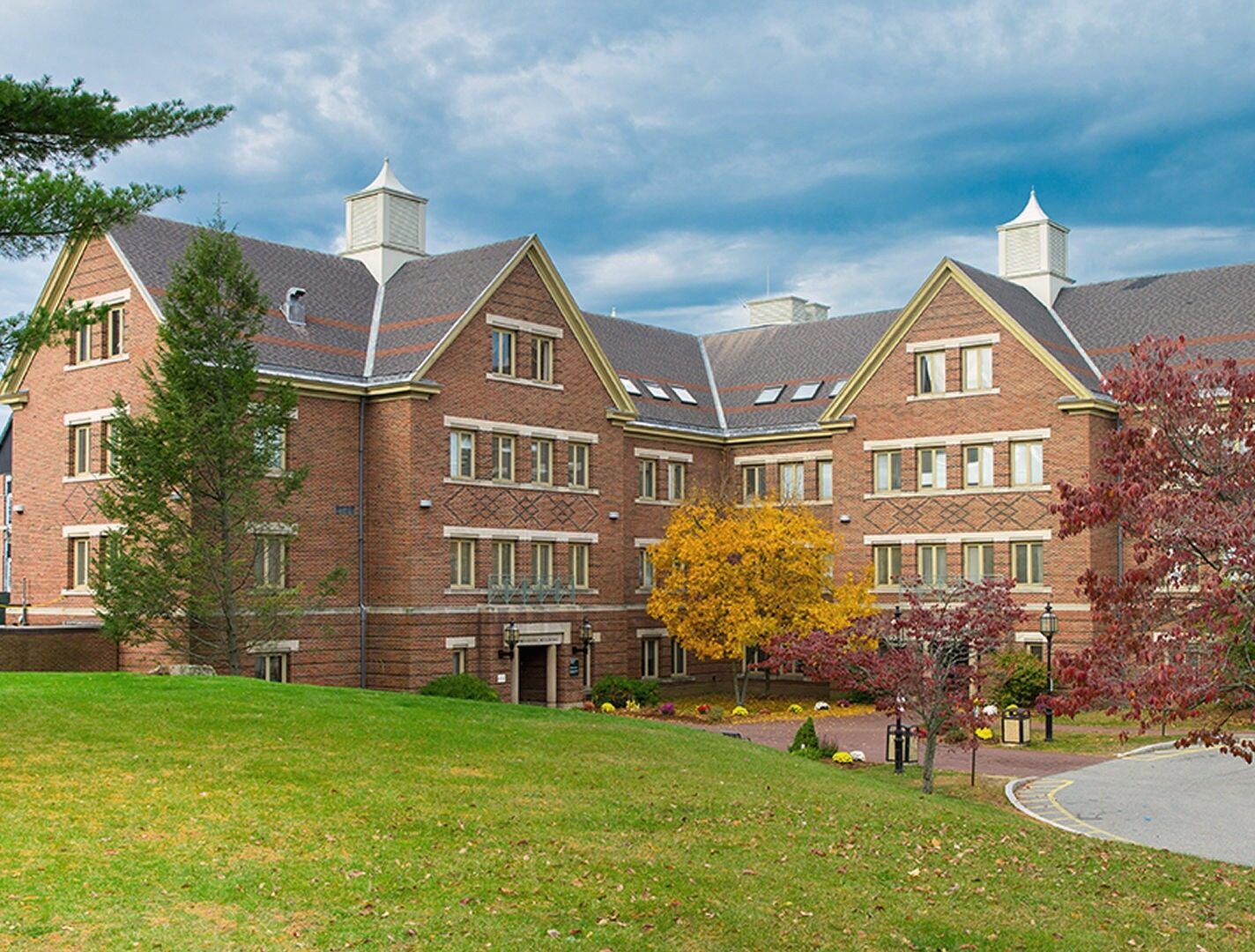


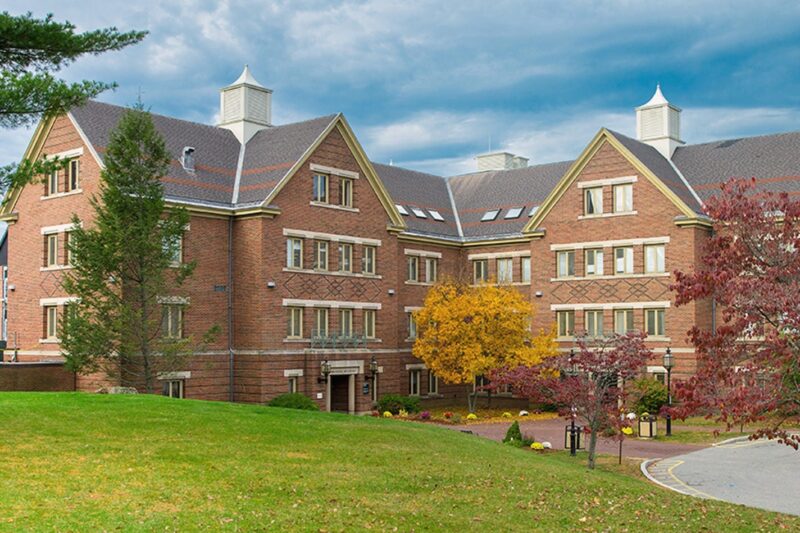
McLean Hospital 3 photos
Comparison facts and sources
A psychiatric hospital and multi-location treatment network within Mass General Brigham, with inpatient, residential, partial-hospital and outpatient programs; this profile is not a single residential campus or package. · 115 Mill Street, Belmont, Massachusetts 02478, United States.
- Published fee information
- Quote required
- Before admission
- The Belmont address is McLean’s primary campus, but several residential and specialty services operate elsewhere in Massachusetts or Maine. Confirm the exact program, location, age criteria and level of care before comparing it with a residential rehabilitation center.
- Continuing care
- Discharge and continuing-care planning are program-specific. McLean offers outpatient and community-based levels of care, but no universal aftercare package or fixed duration applies across the hospital network.
Source record · October 15, 2026
Official hospital, program-level, location and billing information checked October 15, 2026. Confirm current program availability, clinical fit, insurer authorization, residential benefit limits and personal responsibility directly before admission.
Luxury rehab comparison · Fees and inclusions · Selection methodology
McLean Hospital is a psychiatric and mental-health hospital within Mass General Brigham and a teaching hospital of Harvard Medical School. Its primary campus is in Belmont, Massachusetts, with inpatient, residential and outpatient programs across multiple locations serving children and adolescents, adults and older adults.
Scope of care
McLean provides specialized hospital, residential and outpatient care across a broad range of psychiatric and behavioral conditions, including substance-use disorders. Program eligibility, age criteria, setting and admission route vary, so prospective patients and referring professionals should use the hospital’s current program finder rather than assume every service is available at the Belmont campus.
The Belmont campus is at 115 Mill Street, Belmont, MA 02478. Call the hospital to confirm the correct program, availability, insurance and payment arrangements.
Choosing a McLean program rather than a generic hospital stay
McLean is a psychiatric hospital with multiple specialized services, not one residential program with a single admission package. The current hospital overview places it within Mass General Brigham and describes care for complex and co-occurring mental health conditions. Services operate across eastern Massachusetts, so the hospital’s Belmont address should not be assumed to be the location of every program.
The most useful starting point is the clinical question: assessment, stabilization, addiction care after detoxification, treatment for a particular psychiatric condition, or support while living at home. Those needs lead to different programs, eligibility rules, costs, and lengths of stay. The examples below show those distinctions using current program pages. They do not mean that every service is appropriate for every diagnosis or that one program’s private room, insurance arrangement, or minimum stay applies across the hospital.
The Pavilion provides a residential diagnostic evaluation
The Pavilion is a two-week residential psychiatric evaluation program on the Belmont campus. It is intended for adults with complex presentations, diagnostic uncertainty, or limited response to previous treatment. The provider describes multidisciplinary psychiatric, psychological, neurological, and medical assessment, with treatment beginning during the evaluation rather than only after a report is completed.
The program has sixteen beds with private bedrooms and bathrooms. Its current published price is $65,100 for a fourteen-day stay, described as an inclusive package. The Pavilion is self-pay and does not accept insurance or directly assist with reimbursement. Before admission, confirm the current agreement, included assessments, any additional services, and what happens if the team recommends a longer or different course. The purpose is to develop a clearer formulation and next-step plan; it is distinct from an open-ended residential rehabilitation admission.
Fernside offers a small residential addiction program
Fernside is McLean’s residential addiction program in Princeton, Massachusetts, rather than at the Belmont campus. The provider describes a nine-bed setting in a renovated former bed-and-breakfast, with private rooms and bathrooms. Care includes psychiatric review, medication management, individual and group therapy, relapse-prevention work, and planning for the return to daily life.
The program is designed for adults with substance use disorders, including those with co-occurring depression, anxiety, trauma-related concerns, or other psychiatric needs. Admissions can help arrange detoxification before entry when it is required; a reader should not infer that Fernside itself is the withdrawal-care location. With permission, family members may participate in assessment and planning. A free alumni offering includes ongoing groups and connection after discharge. Confirm the proposed duration, current financial terms, and the difference between alumni support and separately needed clinical aftercare.
Naukeag supports adults after detoxification
The Addiction Treatment Center at Naukeag is currently described as operating on McLean’s Belmont campus. It provides residential support for adults with substance use disorders who have completed detoxification and need additional structure. Co-occurring mental health conditions such as depression or anxiety can be addressed within the assessed scope of the program.
Its published approach combines individual and group therapy, medication consultations when appropriate, and peer recovery activities. The program is described as insurance-based, but the page also cautions that coverage may be limited for some services or longer residential treatment. A referral application is reviewed before admission. The clinical discussion should establish stability after withdrawal care and the amount of psychiatric or medical support required. Naukeag’s location, eligibility, and payment route differ from Fernside’s, even though both are part of McLean’s addiction service offerings.
Appleton focuses on psychosis and bipolar presentations
Appleton provides residential psychiatric care for adults eighteen and older with primary psychosis and/or bipolar disorder, including some co-occurring conditions. It is located in a renovated building on the Belmont campus and accommodates up to twenty-four patients. The provider describes shared bedrooms, common spaces, psychiatric care, therapy, occupational therapy, nutritional support, and individualized aftercare planning.
The current published rate is $925 per day. Appleton is a self-pay program and does not accept insurance or directly assist with reimbursement, although some ancillary expenses may have separate coverage. Length of stay varies with the patient’s needs. A person referred after hospitalization should clarify the clinical goals for residence, the expected support with daily functioning, and any additional services outside the daily rate. Its focus on psychosis and bipolar illness should not be confused with a general addiction retreat or assumed to fit every psychiatric presentation.
Gunderson is a specialized personality-disorder residence
The Gunderson Residence in Cambridge treats complex personality disorders, particularly borderline personality disorder. Its published eligibility includes cisgender women, transgender women, and nonbinary people assigned female at birth. Most patients are twenty-one or older, with some younger applicants considered individually. The setting is voluntary and emphasizes active participation in treatment and community living.
The provider describes individual, family, and group approaches, including DBT, mentalization-based treatment, and other personality-focused therapies. The minimum stay is sixty days, and the published rate is $1,875 per day. It is self-pay and does not accept insurance or third-party reimbursement. Family work is integrated through meetings and educational support. Before applying, confirm clinical and demographic eligibility, the current agreement, and separately billed services. This is a defined specialist program, and its admission rules should not be generalized to other McLean residences.
3East has several DBT programs for younger patients
The 3East service offers residential, assessment, day-treatment, and outpatient forms of dialectical behavior therapy for adolescents and young adults. Age ranges, locations, and commitments vary by program. Intensive residential care is described with a forty-two-day minimum, while a separate residential assessment option runs for fourteen days. The provider also offers a shorter daytime schedule and longer-term outpatient DBT arrangements.
Family participation is built into the model through therapy, skills education, and coaching. The published residential rate is $1,950 per day for the specified residential options; other levels have different fees and insurance terms. Most services are primarily self-pay, while parts of outpatient care may use insurance. Families should identify the exact pathway and educational plan before admission. A broad age range on the overall 3East page does not establish eligibility for every track or a standard school arrangement during intensive treatment.
Klarman specializes in eating-disorder treatment
The Klarman Eating Disorders Center is based in the Bowditch Building on the Belmont campus. It treats eating disorders including anorexia nervosa, bulimia nervosa, binge eating disorder, and avoidant/restrictive food intake disorder. The published population includes cisgender women, transgender women, and nonbinary young adults, with individual eligibility confirmed by the program.
Its care combines medical, psychiatric, psychological, and nutritional evaluation with monitoring, individual psychotherapy, family work, and meal-related support. Treatment plans are developed collaboratively around personal and clinical goals. A partial hospital option can continue care after residence while the patient returns home in the evening. Applicants should confirm age eligibility, current medical stability requirements, available levels, and financial arrangements directly. Although the program can address co-occurring psychiatric concerns, its primary purpose is eating-disorder care, rather than a general residential service for any mental health condition.
SouthEast provides short-term adolescent residential care
The SouthEast Adolescent Acute Residential Treatment program is in Middleborough, Massachusetts. It is voluntary and unlocked, providing short-term psychiatric support for teenagers and young adults up to nineteen who meet its criteria. The provider describes most stays as ten to fourteen days and identifies the program as insurance-based.
Care includes individual, group, and family therapy, medication evaluation, classroom-based skills work, and planning with community providers. Bedrooms are shared, and the program offers educational support within the treatment schedule. Families are expected to participate in regular meetings, with communication and visits coordinated through the team. A related partial hospital option serves young people able to live safely at home while attending daytime treatment. The short residential model, location, and age limits differ from 3East, so the two should be compared according to the clinical need being addressed.
Adult partial hospitalization provides daytime structure
The adult partial hospital programs offer intensive daytime support for people who can safely live outside the treatment setting. Published components include group-based care, medication evaluation and management, case management, and transition planning. The page describes in-person and remote options, with the format depending on the particular program.
McLean’s trauma continuum is separately described for trauma-related and dissociative conditions, with its own expected course and treatment focus. A PHP referral should therefore specify the actual program, schedule, and mode of attendance. Day treatment does not include an overnight residential placement. Patients traveling from outside the area need to discuss housing, transport, and clinical support outside sessions before assuming this is a substitute for a residential stay. The appropriate level depends on current needs and the support available between treatment days.
International arrangements should follow confirmed clinical acceptance
Mass General Brigham’s international patient service helps patients and families navigate care and logistics before a visit, during treatment, and after returning home. This network-level resource can be relevant to someone seeking a McLean program from another country. It does not replace the chosen program’s clinical review or establish admission to a particular residence.
Start by identifying the intended service and arranging the necessary record review. The practical plan should then address communication needs, travel timing, accompanying family, payment, and how recommendations will be carried forward with clinicians at home. A program in Princeton, Cambridge, Middleborough, or Belmont involves different local arrangements. Confirm those details against the written admission plan before making travel commitments. If ongoing care is expected after the Massachusetts stay, establish who will provide it and how the treatment summary will be shared with permission.
Records and communication through Patient Gateway
McLean participates in Mass General Brigham Patient Gateway, the network’s electronic patient portal. Its functions include viewing relevant health information, reviewing visit notes and results, requesting nonurgent appointments or prescription renewals, communicating with the care team, and handling some billing tasks. Available features depend on the practice and care setting.
The published guidance also distinguishes a patient’s own access from authorized representative access for another person. Family involvement in treatment does not automatically provide unrestricted portal access, and adolescent access has additional limits. Before discharge, ask which records and communications will be available and how to obtain information needed by the next clinician. The portal is intended for routine, nonurgent use; it does not replace the contact route provided by the program for urgent clinical concerns or immediate support.
Source check: October 18, 2026, for the additional provider details above.
Official sources
Checked October 15, 2026: Mass General Brigham — McLean Hospital; McLean treatment programs; current intake directory.