Mandala Healing Center


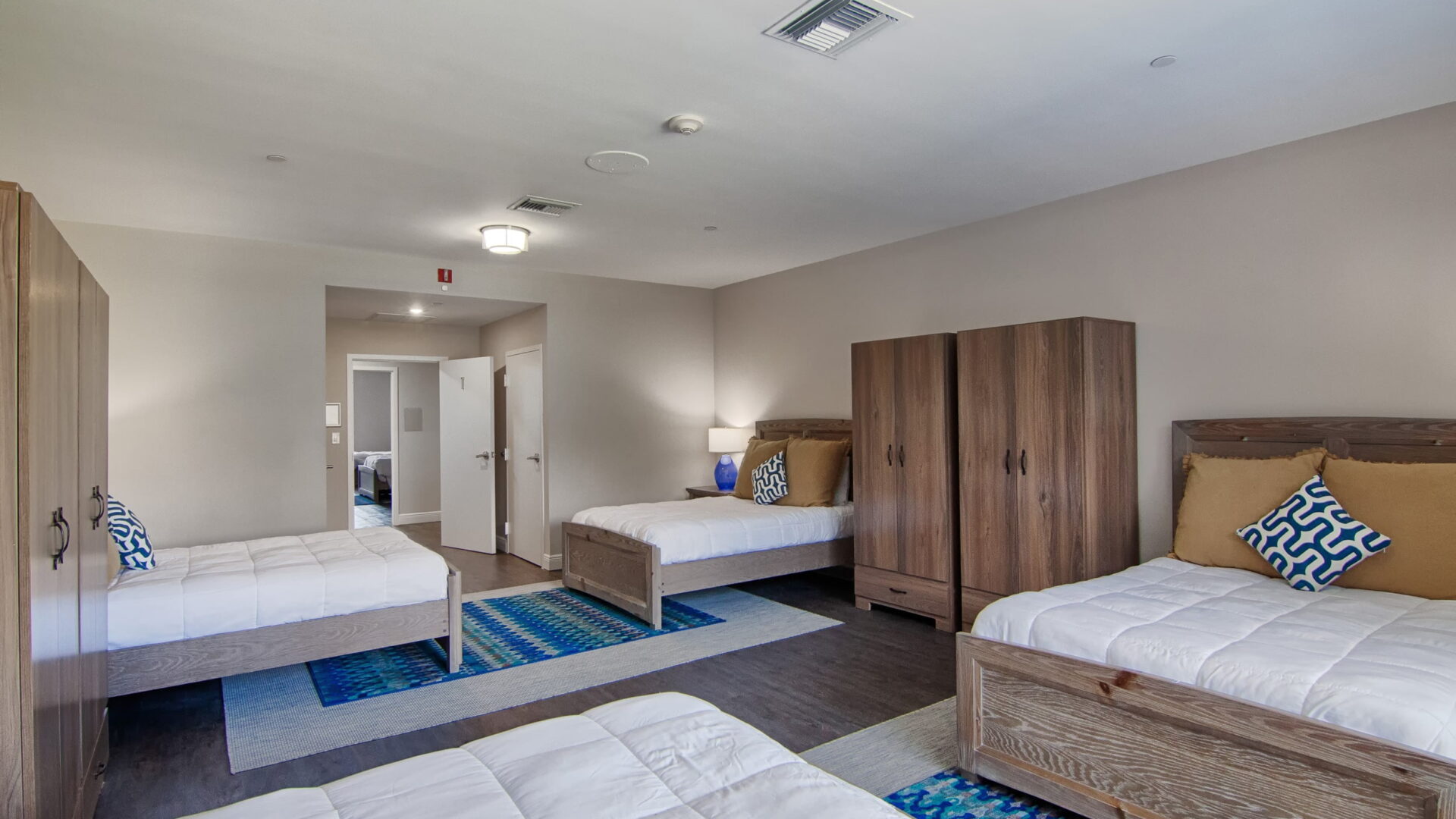
Mandala Healing Center 3 photos


Comparison facts and sources
Eight-acre West Palm Beach campus providing medically supervised detox, residential addiction treatment, mental-health and dual-diagnosis care, medication-assisted treatment and continuing support. · 5410 East Avenue, West Palm Beach, Florida 33407
- Published fee information
- Quote required
- Before admission
- Mandala's West Palm Beach campus provides residential care; program length is individualized. Published detox and residential ranges are general guidance, not guaranteed stay lengths or insurance approvals.
- Continuing care
- Discharge and aftercare planning can include outpatient care, sober-living options, individual therapy, support groups and a continuing alumni community. The provider describes support throughout recovery but no fixed universal aftercare duration.
Source record · October 15, 2026
Provider-published information checked October 15, 2026. Confirm clinical eligibility, recommended level of care, benefit authorization, network status, exact stay length and itemized patient responsibility directly with admissions.
Luxury rehab comparison · Fees and inclusions · Selection methodology
Provider overview
Mandala Healing Center is a residential addiction-treatment provider on an eight-acre campus at 5410 East Avenue in West Palm Beach, Florida. Its current official site lists medically assisted detoxification, inpatient residential care, medication-assisted treatment, aftercare, an alumni program and support for dual-diagnosis needs.
Treatment and admission
Care is individually planned and combines medical oversight, therapy, case management and discharge planning with wellness activities. The appropriate level and length of care are determined after assessment; the provider does not publish one standard program duration.
Insurance and costs
Mandala says it accepts many private plans as well as Florida Medicaid and Medicaid-managed state plans. Private pay is also available. Benefits, prior authorization and out-of-pocket charges vary by plan and level of care, and no universal cash price is published, so prospective clients should obtain written verification and an itemized estimate.
Assessment before choosing a Mandala program
Mandala’s intake description starts with the person’s substance use, medical history, mental health symptoms, previous treatment and goals. Staff use that information to recommend a level of care and develop an individual plan. Insurance verification and preparation for arrival are part of the process, but coverage approval and clinical acceptance answer different questions.
Explain current prescriptions, recent substance use, previous withdrawal problems and the support available at home. A history of depression or trauma should not be reduced to a checkbox if it affects safety, medication or the ability to participate. Ask who will review the assessment and how any information from existing clinicians can be shared with permission.
The published process includes several possible settings, from detox and residential treatment to outpatient programs. Request the name of the recommended service, its location and the reason it fits. An inquiry about the West Palm Beach campus does not automatically confirm a particular bed, start date or program. Make arrival arrangements after admissions explains the clinical and financial next steps.
Medical detox and the next treatment decision
The medical detox program describes assessment, individualized withdrawal management, medical monitoring and emotional support. Medication may be used when appropriate, with prescribing and adjustments handled by medical professionals. The published substance-specific timelines are general descriptions; they should not be used to set an individual’s discharge date or decide how to stop a substance.
Ask how the team will review medical risks and existing medication, what monitoring is available, and which circumstances would require another level of care. Someone already receiving medication for opioid-use disorder should establish the proposed continuity arrangements before admission rather than assume that detox means stopping all medication.
Mandala says planning for continued care begins during detox. That discussion should identify what happens when immediate withdrawal needs settle: residential treatment, a suitable outpatient program or another referral. The appropriate next step depends on the assessment and available support. Obtain a named receiving service and an accepted plan, including any prescription handoff. Completing withdrawal management does not by itself resolve the longer-term concerns that brought the person to treatment.
What residential treatment adds
Mandala’s residential program page describes living at the center with continuous support and a structured mix of therapy, education, wellness activities and rest. Published approaches include individual and group work, family involvement, cognitive behavioral therapy, dialectical behavior therapy and motivational interviewing. Treatment is adapted to the person rather than presented as one identical daily schedule.
The page’s example day includes meals, therapy, small groups, reflection and recovery meetings. Treat that as an illustration when asking for the actual timetable. Clarify the frequency of individual appointments, the role of the medical team and which activities are optional or adjusted for health needs.
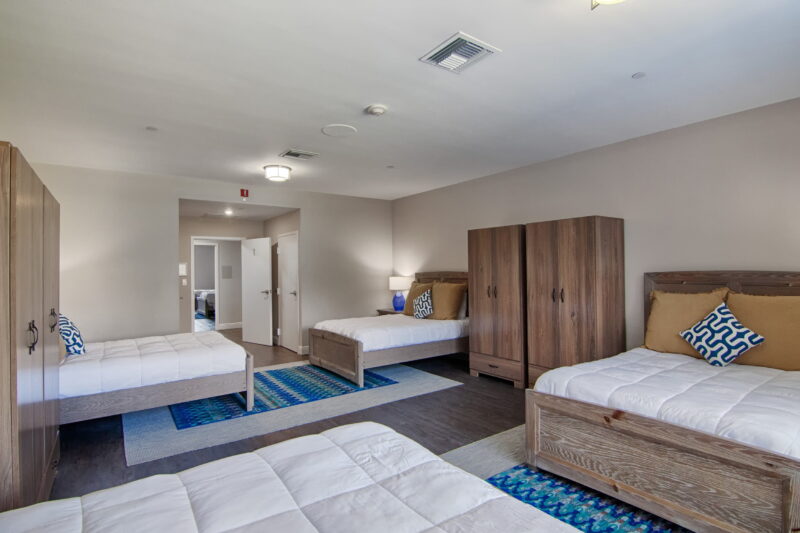
Living in a calm or private setting does not establish single-bedroom occupancy. The general page discusses different accommodation styles across treatment centers, so request Mandala’s actual room arrangement, bathroom sharing and accessibility information before committing. Also discuss communication with family and responsibilities that cannot simply be paused. The residential plan should explain how progress is reviewed and how a transition is agreed, without turning a commonly advertised length of stay into a requirement for every patient.
Adult mental health care and co-occurring needs
The dedicated mental health program describes residential support for adults with psychiatric or emotional difficulties, including people with co-occurring substance-use concerns. It says patients are assigned a primary therapist and case manager, with medical care, psychotherapy and wellness activities combined in a plan that is reviewed as treatment progresses.
Someone seeking care primarily for mental health should ask whether the proposed placement fits without a substance-use diagnosis. Explain current symptoms, medication history and any previous hospital treatment. Clarify psychiatric appointment frequency, how medication decisions are made and what the program can manage if symptoms intensify.
A residential mental health description does not establish an emergency psychiatric service or acceptance of every degree of risk. Resolve those limits before traveling. The provider’s therapy list should lead to a discussion of which methods are suitable, who delivers them and how the patient can raise concerns about the plan. Wellness activities have a supporting role; they should not be mistaken for an individual psychiatric assessment or a substitute for care that requires a more intensive setting.
PHP is day treatment with separate overnight arrangements
Mandala’s partial hospitalization program describes intensive daytime care for substance-use and co-occurring mental health concerns. Participants return home or to a supportive sober-living environment afterward. That differs from staying in the residential clinical program with continuous staffing.
The published components include individual and group therapy, family work, medication management and relapse-prevention planning. The page refers to several hours of treatment across multiple days, with the schedule and length adjusted to clinical needs. Request the current weekly timetable instead of relying on a general definition of PHP.
Overnight safety and practical arrangements need their own review. Ask whether any suggested housing is operated by Mandala or another organization, whether a place is available, and which charges and transportation arrangements are separate. A day-treatment recommendation does not reserve a residential bed or establish overnight medical monitoring. Before moving from detox or residence, confirm that the patient is appropriate for this less supervised setting and that medication follow-up, transport and the first clinical appointment are arranged. Work and family commitments should be compared with the real attendance requirement.
Making intensive outpatient care workable
The IOP description presents scheduled therapy while living at home or in a supportive residence. It combines individual, group and family work with treatment for co-occurring concerns and continuing recovery planning. Participants need to be medically stable; IOP does not provide overnight withdrawal management.
Mandala describes IOP both as a transition from more intensive care and as an option for people who need more support than occasional outpatient visits. Its discussion of working, studying or parenting is a reason to ask about scheduling, not a guarantee that every session will fit a particular job or household routine.
Obtain the expected days, hours and appointment types, along with the approach to missed sessions and changes in need. Explain travel time, access to safe housing and any difficulty using medication or coping between visits. The team should explain when progress is reviewed and what would lead to a change in care. Several weeks to a few months is a published general range, not a compulsory course. Confirm the receiving service and authorization separately when stepping down from another program.
Family involvement should have a clear purpose
The family therapy page describes work on communication, relationships, boundaries and patterns that affect recovery. It discusses several family-therapy approaches, with the method chosen around the situation. Its educational discussion includes adolescent examples; that does not establish that Mandala’s adult residential mental health program accepts adolescents.
Ask which family services are included in the proposed program, who leads them and whether participation is remote or in person. Clarify how the patient consents to sharing information, which relatives or support people can join and what alternatives are available when a relationship is unsafe or involvement would be unhelpful.
Family work can have practical aims: agreeing how to communicate during treatment, discussing boundaries after discharge or deciding what assistance relatives can realistically provide. It should not depend on a promise that trust will be restored during one stay. Supporters may also need help of their own. Ask whether the program offers that directly or recommends an outside service, and distinguish scheduled family therapy from general updates about the patient’s progress.
Nutrition support and everyday needs
The nutrition program description says a dietitian evaluates new patients and provides ongoing reviews. It describes private, collaborative sessions and possible group work or cooking classes. The practical focus includes eating routines, food choices and nutrition concerns, with communication between nutrition staff and medical professionals.
Before arrival, explain allergies, medical dietary requirements, swallowing problems, food-related distress or other needs that could affect participation. Ask how meals are provided, what adjustments are possible and who will assess a concern that needs specialist attention. Nutrition guidance within a recovery program does not, by itself, establish a dedicated eating-disorder service.
The page discusses supplements and dietary changes, but any individual recommendation should come from the treating professionals after reviewing health needs and medication. A published list is not a reason to start supplements independently. If cooking or meal planning is part of the agreed program, ask how those skills can be adapted to life after discharge. A useful plan should consider the person’s budget, access to food and ability to prepare meals, rather than rely only on what is available during residence.
Packing, medical devices and personal spending
Mandala’s packing instructions list practical clothing, identification, insurance cards, contact information and prescription medication in original labeled containers. They also permit relevant medical devices, including examples such as a glucose meter, CPAP machine or nebulizer. Confirm equipment and medication arrangements with the clinical team rather than assuming every device can be accommodated without preparation.
The current list permits cigarettes and disposable vapes but prohibits refillable vaping equipment, outside food, bedding and several valuables or hazardous items. Ask for the current version after acceptance, including any restrictions specific to the level of care. Phone access should also be confirmed directly; the packing page is not a complete communication policy.
Mandala describes an individual funds account for purchases such as personal items, tobacco products or patient-specific medication. Ask who authorizes spending, how relatives can add funds, how a balance is returned and which costs fall outside the treatment estimate. A personal account is separate from insurance coverage. Clarify what staff will supply and what the patient must bring so that an urgent need does not become an unexpected expense after arrival.
Insurance categories do not determine individual coverage
The insurance information identifies Medicaid, Medicare, private plans and eligible Veterans Affairs benefits among the options Mandala discusses. It also explains that coverage depends on medical necessity, the policy and the proposed treatment. These categories should not be interpreted as approval of every service for every person.
Ask admissions and the insurer to confirm the specific program, network status, authorization, expected duration and patient responsibility. If care will move from detox to residence or outpatient treatment, request an explanation of how each stage is covered. Approval of an initial service does not settle the financial arrangements for later care or separate housing.
For a VA referral, establish the relevant authorization and receiving service before traveling. For any payer, request a written estimate identifying deductibles, copayments, coinsurance, uncovered care and personal expenses. If coverage changes during treatment, ask who will explain the options. The provider’s offer to verify benefits can help organize this discussion, but a general statement that insurance covers treatment should not replace a plan-specific explanation of what the patient may owe.
Aftercare planning before discharge
Mandala’s aftercare guidance describes continued treatment and practical support after a structured program. It discusses outpatient care, support networks, living arrangements and routines that can help a person remain engaged. The page’s staged timelines are general planning suggestions; they do not mean that everyone will progress through recovery at the same pace.
Use the discharge discussion to turn broad recommendations into named appointments and responsibilities. Identify the next therapist or prescriber, the first meeting, permission to transfer records and any medication arrangements. If sober living is suggested, confirm the operator, acceptance, house expectations and costs rather than treating a referral as a reserved place.
Support also needs to be practical from the person’s home community. Discuss work, transport, caregiving and which relatives or peers can reasonably help. Ask how to contact the treatment team if the proposed arrangement becomes difficult, and which local service can assess urgent concerns. A general aftercare plan is most useful when the patient understands what happens next, what has already been arranged and which applications or appointments still need action.
Alumni participation is an ongoing connection
The alumni program describes follow-up contact, weekly and monthly gatherings, social connection, events and support with rebuilding everyday routines. It says participation is encouraged rather than compulsory and has no strict time limit. These are published features of an ongoing community, not a fixed package of unlimited clinical treatment.
Ask how to join, which meetings are currently available, whether remote participation is possible and how someone can reconnect after losing touch. A person returning outside South Florida may need different arrangements from someone who can attend local events. Confirm whether any activities have a charge and how family participation works.
Peer contact and alumni events should sit alongside the appropriate clinical follow-up. They do not replace a medication appointment, individual therapy or an urgent assessment. Clarify who receives messages and how to seek help if needs increase. The useful question is how the graduate wants to stay connected and which support remains accessible in ordinary life, rather than assuming that an alumni label covers every need after the residential program ends.
Provider-published program, preparation and payment information reviewed October 19, 2026. Confirm the receiving program, clinical eligibility, room and housing arrangements, current schedule, insurance authorization and personal costs directly. Published general therapy and duration descriptions are not individual treatment instructions.
Sources and verification
Mandala Healing Center official site, official insurance information and official payment information, checked October 10, 2026. This profile summarizes provider-published information and is not an independent clinical assessment.