Nova Vital Recovery – Ruston

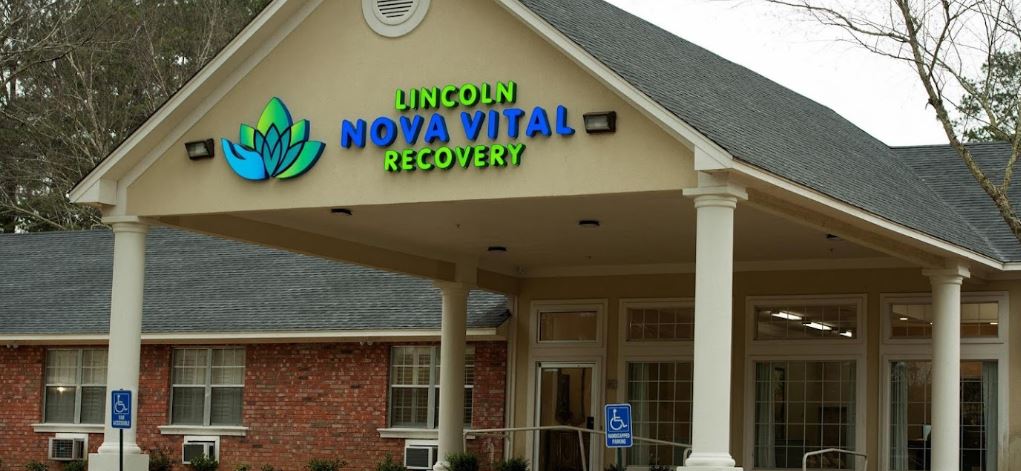
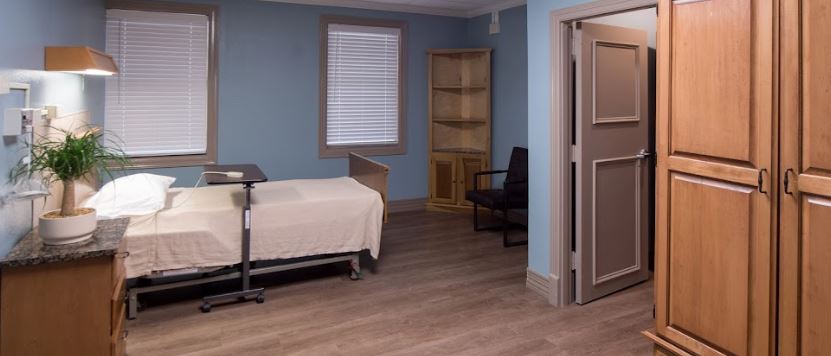
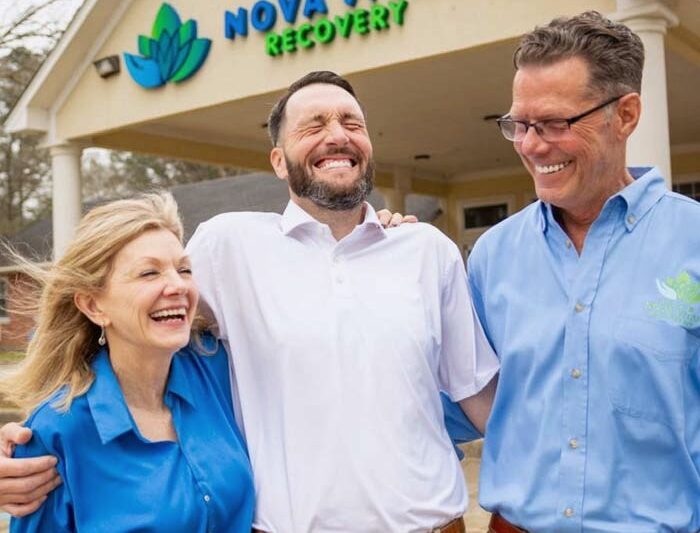
Nova Vital Recovery – Ruston 3 photos


Comparison facts and sources
Adult Ruston detox/residential campus, formerly listed as Lincoln Nova. Monroe/Shreveport outpatient services are distinct network locations. · 4396 US-80, Ruston, Louisiana 71270; immediate assistance/benefits 318-653-1318. Other published local/administrative numbers serve different routes.
- Published fee information
- Quote required
- Before admission
- Ruston page also contains broad network/outpatient wording; no outpatient taxonomy was added to the campus. Other current local phone routes, detailed diagnosis/therapy taxonomy, social/maps, exact fees and taxes remain outside this review.
- Continuing care
- Aftercare planning, recovery meetings and alumni support continue beyond primary treatment. Confirm the location, schedule and cost of any outpatient step-down.
Source record · October 17, 2026
Scoped current official-source setting, duration, continuing-care and payer review; other fields and individual costs remain unverified.
Luxury rehab comparison · Fees and inclusions · Selection methodology
Nova Vital Recovery’s Ruston campus, formerly listed here as Lincoln Nova, provides adult drug and alcohol treatment in Ruston, Louisiana. The provider distinguishes this campus from its other Louisiana locations.
The Ruston campus publishes 24-hour medically supported detoxification and residential treatment. Its residential program is described as 28 days, with private rooms and private bathrooms; individual suitability and actual length are confirmed through assessment. Nova Vital also describes IOP at other Louisiana locations and aftercare, recovery meetings and alumni support following treatment.
The provider publishes (318) 653-1318 for immediate assistance and insurance verification. It lists Louisiana Medicaid, several private plans, and VA or Tricare West with a referral; authorization, coinsurance and other client costs remain policy-specific.
Keep the Ruston campus distinct from the wider Louisiana network
The Ruston facility page identifies the campus on US-80 and shows residential bedrooms, medical-detox rooms, meeting spaces and a gym. It advertises private bedrooms with their own bathrooms. The same page also uses broad language about several levels of care, so the admission discussion should identify the precise program being offered at that address rather than assuming every network service is available there.
Ask for the proposed room arrangement, the part of the campus where treatment begins and any accessibility requirements. The dedicated residential description refers to private-room options, while the facility overview describes all rooms as private; obtain confirmation of the actual accommodation before relying on either general statement. An advertised gym or recreation area also does not establish unrestricted use during every treatment stage. The clinical team should explain the daily routine and any limitations while someone is receiving medical support. This practical review is particularly useful for people traveling from another part of Louisiana or transferring from another service.
Residential treatment has a published structure and an assessed endpoint
The residential program page describes adult treatment in Ruston, with men and women housed in separate wings. It publishes a 28-day program, weekly individual counseling and a daily group schedule totaling at least four and a half hours. The approach combines twelve-step principles, clinical methods and education about addiction and relapse prevention. Detox is described as preceding residential care when needed, rather than a requirement for every admission.
These details help someone understand the expected level of structure, but the actual stay and approved services still need assessment. Ask how goals are agreed, when progress is reviewed and what would lead to an extension or a move to another level. It is also useful to understand how individual sessions address concerns that may be difficult to discuss in a group. Work, family and discharge planning should be considered early enough to arrange the next stage. A published program length does not by itself confirm the person’s insurance authorization, medical suitability or readiness to leave.
Clarify medical support and admission-day arrangements together
Nova Vital’s current FAQ describes medically supported detox with monitoring throughout the day and night, and medication when the medical team considers it appropriate. It asks people to bring their prescribed medicines for review. Its packing restrictions also refer to certain medications, so anyone already receiving treatment should obtain explicit instructions from the admitting clinician before arrival. Do not treat a packing list as an instruction to stop a prescription.
The FAQ also describes limits on personal electronics and phone use, supervised visits arranged through a counselor and vehicles being parked offsite with keys held during treatment. These arrangements can affect employment, legal commitments and communication with relatives. Ask for the current admission instructions and explain any essential calls or appointments in advance. A person should know how family will be informed of arrival and how urgent communication is handled. Medical assessment, practical preparation and a clear contact route work together; a general online inquiry alone does not establish that an admission time or medication plan has been confirmed.
Program descriptions need to be matched to the treatment setting
The program overview presents detox, residential treatment and intensive outpatient care alongside individual counseling, groups, family involvement and support for daily routines. It also discusses morning and evening scheduling. That flexibility is relevant to outpatient arrangements and should not be interpreted as permission to leave a residential program for work or other commitments without agreement.
During assessment, ask the team to explain why it recommends one setting and how the proposed services fit together. Someone who can attend outpatient treatment while living at home has different practical needs from someone requiring continuous medical support or a residential environment. Family education, nutrition and other supportive activities should have a clear place within the individual plan rather than appearing only as a list of amenities. If more than one level is proposed, establish the expected transition process and which services require a new assessment or separate authorization. This makes comparison more useful than choosing solely from the broad range advertised by the network.
Confirm the address and schedule of any proposed intensive outpatient care
The intensive outpatient description discusses both direct entry and continuing treatment after detox or residential care. It uses the term Ruston IOP and mentions a 90-day program with attendance around work. The website also provides separate Monroe and Shreveport outpatient pages. These references make it important to obtain the actual treatment address, current timetable and intended duration for the proposed outpatient placement.
A 90-day description should not be treated as a guaranteed authorization or a universal requirement. Ask how often the person will attend, when the schedule is reviewed and whether a change in level requires a new financial estimate. Outpatient care also depends on what happens between appointments, including the home environment, transportation and existing medical support. If a move from residential treatment is planned, the next provider should confirm acceptance before discharge arrangements are treated as complete. The useful question is whether the actual schedule and support can be sustained, rather than whether several program names appear within the same network.
Monroe offers a separately identified outpatient option
The Monroe program page identifies outpatient care on Bres Avenue and describes individual counseling, group treatment, family involvement and transportation assistance. Its discharge-planning discussion includes aftercare recommendations, medical coordination and referrals for sober living where relevant. These are Monroe program descriptions, not evidence that the Ruston residence provides the same timetable or transportation arrangement.
For someone returning to the Monroe area, this may be a useful service to discuss before leaving residential treatment. Ask how an assessment is arranged, what records are needed and whether the preferred schedule has space. Transportation assistance should be confirmed for the person’s route and appointment times rather than assumed to cover every journey. A sober-living referral also requires separate acceptance and a review of housing terms. The transition plan should identify the next clinical contact and any remaining arrangements, including prescriptions, insurance review and the support available outside treatment hours. Keeping those details specific reduces uncertainty when moving from a structured residence to community life.
Shreveport is another distinct outpatient location
The Shreveport outpatient page gives a Knight Street address and describes individualized treatment, groups, counseling, family involvement and continuing recovery planning. It discusses substance-use problems alongside depression, anxiety, trauma and other co-occurring concerns. The listing should be read as an addiction-treatment option that can address accompanying needs, rather than proof that every primary mental-health condition can be treated at every level.
A person considering Shreveport should ask how their particular diagnoses and existing prescriptions will be assessed. If they are transferring from Ruston or another service, clarify who coordinates records and how quickly the first appointment can occur. The local team’s schedule and capabilities matter more than the network’s overall service list. Family participation may also require consent and arrangements that differ from those in residential care. Request a written outline of the proposed attendance, individual sessions and follow-up responsibilities so that work, travel and home support can be planned around the actual program.
Understand the different roles on the treatment team
The current team information identifies clinical, nursing, counseling, dietary and administrative leadership, with separate counselor lists for Monroe and Shreveport. These distinctions help identify the different responsibilities involved in care. A network staff list does not establish that every named professional is assigned to each patient or continuously present at the Ruston campus.
Ask who will lead the individual treatment plan, who reviews medication and whom to contact about practical concerns. Dietary needs, accessibility, family communication and discharge arrangements may involve different team members. Knowing those roles can make it easier to raise a concern promptly and understand how decisions are shared. Someone receiving care from an outside psychiatrist or physician should also clarify how those professionals remain involved. The aim is a coherent plan with identifiable responsibilities, rather than relying on a list of job titles as a measure of the attention a particular person will receive. Availability and the actual care assignment should be confirmed during admission.
Continuing support should become a concrete plan before discharge
The provider’s current overview describes aftercare planning, recovery meetings and alumni connections beyond primary treatment. It also lists family involvement and practical educational activities within its broader approach. These options can help inform a continuing-care discussion, but a general statement about ongoing support is not the same as a confirmed appointment or a guaranteed place in a particular group.
Before discharge, ask for the planned next contacts, their locations and the steps required to begin. A useful plan can include clinical follow-up, community support and routines that fit the person’s home circumstances. Clarify which services Nova Vital arranges directly, which depend on another provider and which the person needs to organize. If returning to a different city, confirm remote eligibility or a local alternative. Family members can be involved where appropriate and with consent, but they should not be left to infer the plan from broad recovery language. The next stage needs the same practical clarity as the initial admission.
Insurance acceptance is the start of a financial review
The current contact and insurance page lists Louisiana Medicaid and named commercial plans, and states that VA and Tricare West access requires a referral. It publishes a separate number for immediate assistance and benefits verification. These details identify possible routes to funding; they do not confirm a particular person’s eligibility, approved level of care or total responsibility for charges.
Ask for the proposed program and location to be included in the benefits review. Confirm whether detox, residential treatment and later outpatient services require separate authorization, and whether a referral must be obtained before arrival. If paying privately, request an itemized estimate and the terms for changing or ending the plan. Potential costs for medication, transportation or care from another organization should be identified separately. Keep the provider’s estimate together with the insurer’s explanation, including any review dates. Financial arrangements should be based on the assessed treatment plan rather than a general statement that the network accepts an insurance brand.
Compare the setting with other Louisiana treatment options and explore the substance-use treatment guide.
Official provider information reviewed October 19, 2026. Confirm the receiving campus, medication arrangements, room allocation, schedules, authorization and personal costs.
Official sources
Sources checked October 17, 2026.