Lightfully Behavioral Health

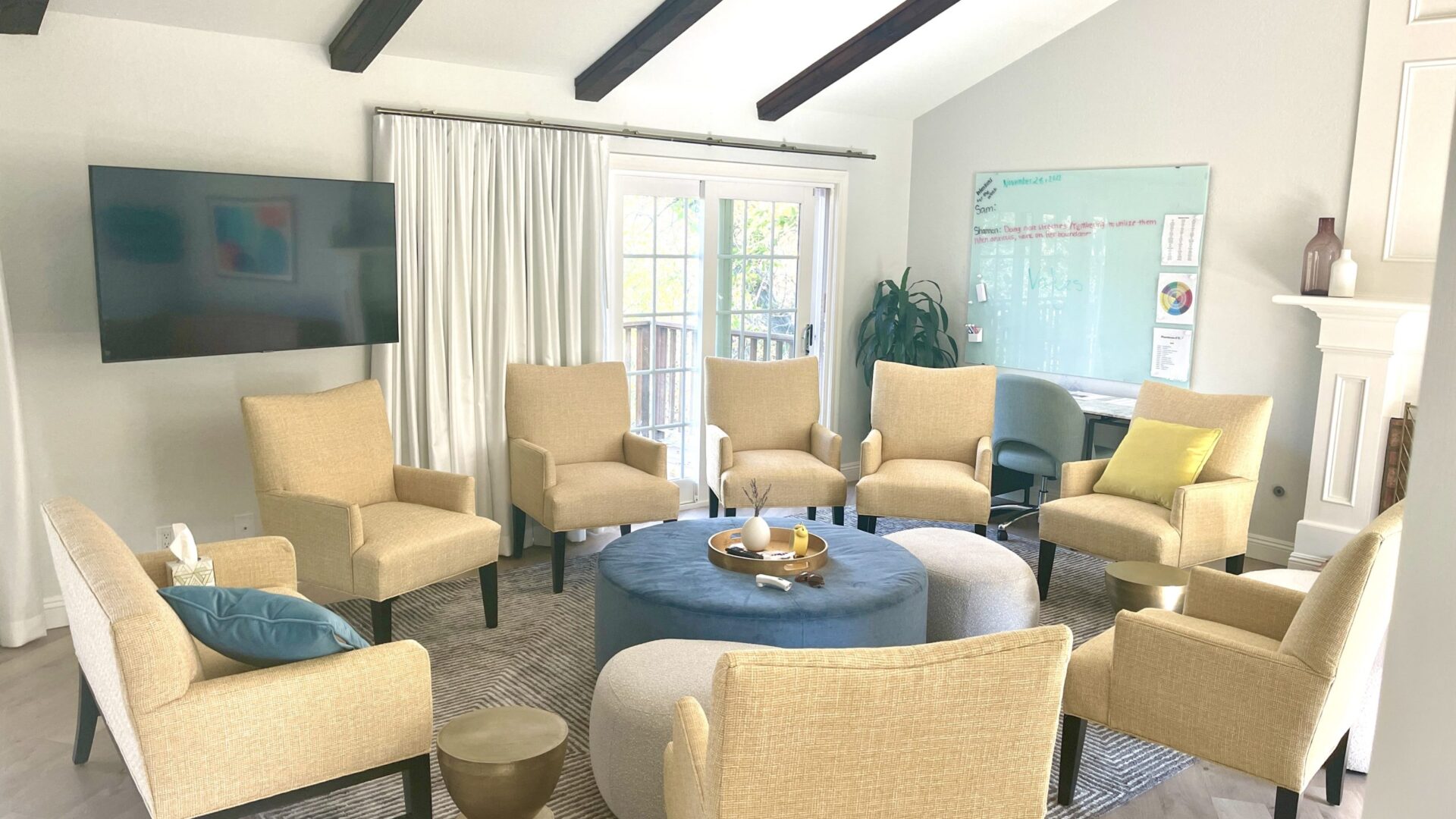
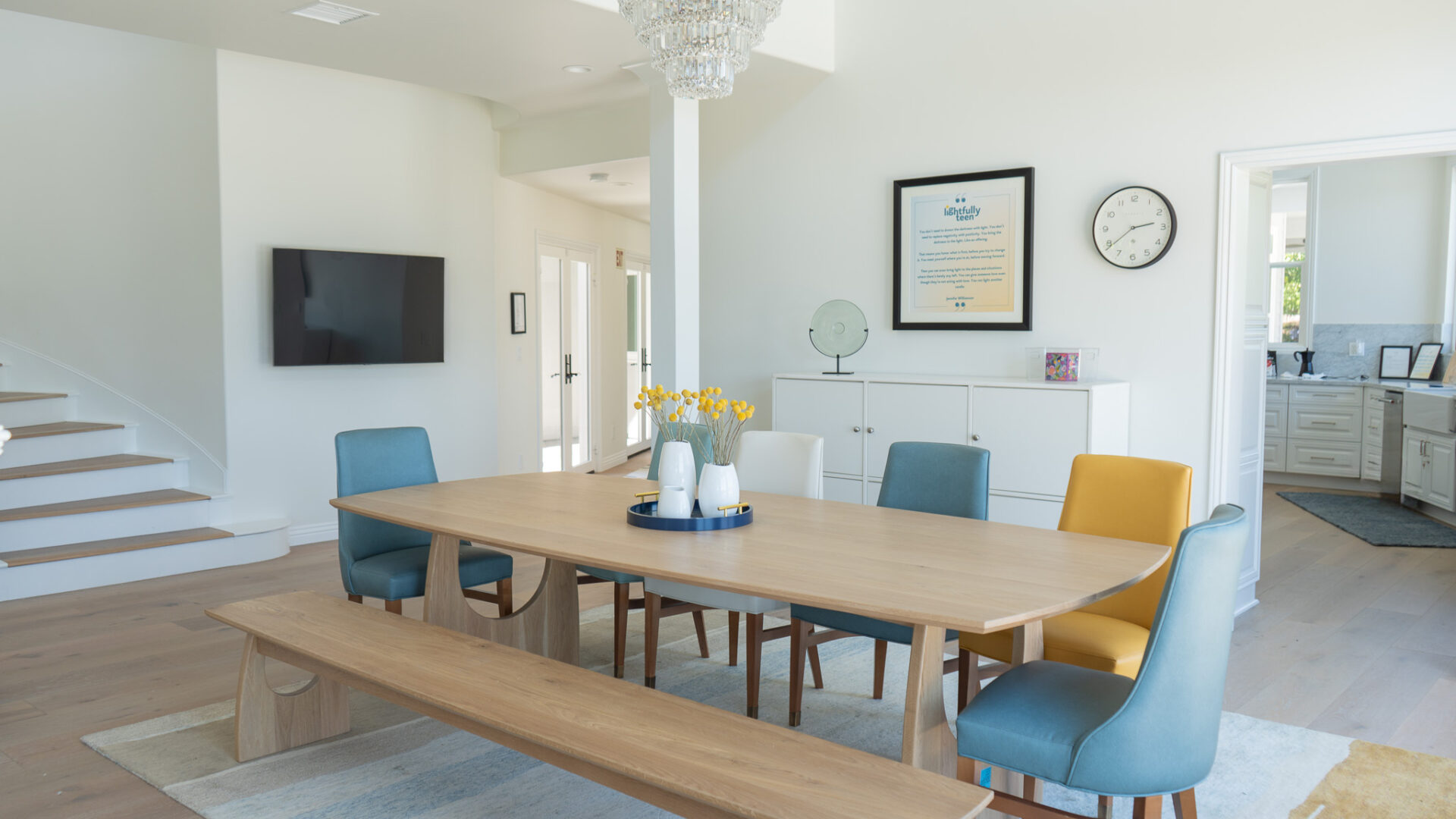
Lightfully Behavioral Health 3 photos

Comparison facts and sources
Primary mental-health care across distinct residential, PHP, IOP and virtual PHP/IOP programs. Adults and teens have different program availability; the reviewed virtual-program page is scoped to adults in California. This is not an addiction-detox network. · California primary mental-health network. Select the actual adult/teen residential, outpatient or virtual program from the current official directory; no single legacy address represents the network.
- Published fee information
- Quote required
- Before admission
- Older 30–45-day residential blog source was inaccessible; the current program guide supplies more specific care-level estimates. Different official pages publish differing admissions numbers; the existing number was not declared obsolete. Detailed taxonomy, each campus, social/maps and exact costs remain unverified.
- Continuing care
- Lightfully+ offers virtual support groups, alumni newsletters and resources; the care guide describes monthly contact and free support-group offerings. Step-down is individually planned.
Source record · 2026-10-19
Reviewed October 19, 2026: the provider’s Medicare policy and adult California virtual PHP/IOP scope. Individual program availability, insurance coverage and costs require confirmation; other campus and separately dated fee details were not comprehensively rechecked..
Luxury rehab comparison · Fees and inclusions · Selection methodology
Lightfully Behavioral Health is a California network focused on primary mental health care for adults and teens. It is not an addiction-detox network, and services vary across residential, partial hospitalization, outpatient and virtual locations.
Lightfully lists adult and adolescent residential treatment, partial hospitalization, intensive outpatient and virtual intensive outpatient programs. The network treats mood, anxiety, personality and trauma-related disorders; program populations and ages differ by site.
The provider publishes 888-576-2808 and maintains an official location directory. The legacy 641 Elkins Road address does not appear in the current directory, so clients should select a current campus there. Lightfully’s current guide lists residential treatment at about 30 days, with separate PHP, IOP and virtual-IOP guidance; each person’s course remains individualized. Lightfully verifies insurance benefits and exact coverage and costs vary by plan and program.
Choosing a location within the network
Lightfully’s current location directory separates residential homes from PHP and IOP offices. It lists services in the Bay Area, Thousand Oaks, Los Angeles and San Diego areas, as well as virtual treatment. This is a network profile, so the setting shown in one photograph or described for one program should not be treated as the environment for every admission.
Start with the recommended level of care and age program, then confirm the actual location. Someone considering day treatment needs a workable journey and a place to live outside program hours. Someone considering residential care needs the accepting home’s address and an explanation of its clinical support. A location appearing on a general page does not confirm space, age eligibility or an immediate start date. Ask admissions to put the selected program, address and arrival arrangements in writing, particularly if travel is involved or the proposed plan includes moving between care levels.
Assessment comes before admission
The admissions process begins with an inquiry and insurance review, followed by a telephone assessment with a master’s-level clinician. The provider then makes a clinical recommendation and, after clearance, arranges the admission date and connection with the receiving team. Financial review and clinical acceptance are separate parts of this process.
Describe the current difficulties, recent treatment, prescribed medicines and the support needed outside scheduled sessions. A diagnosis on Lightfully’s website does not by itself establish that a particular home or outpatient program can safely meet those needs. Ask what additional records or consultation the clinician requires and how the recommendation will be explained. The provider explicitly states that it does not currently accept Medicare; it also describes out-of-network benefits and single-case agreements with some commercial insurers. Neither an inquiry nor a quote of benefits should be read as a confirmed bed or final coverage decision. Obtain the actual care recommendation before making nonrefundable travel arrangements.
Adult residential treatment and staffing
The adult residential program serves people aged 18 and older, across genders, in home-based settings. Its published schedule includes three individual sessions with a primary therapist each week, weekly family work, weekly psychiatry, nursing oversight and clinician-led groups. The program also describes movement activities, outings and an on-site chef.
These details support a more precise comparison than simply describing residential treatment as luxurious. Continuous residential support does not mean that a psychiatrist is personally present around the clock, and an activity list is not a guarantee that every person participates in every option. Ask about the staff available overnight, medication administration, accessibility and how needs beyond the home’s capability are handled. The provider’s guide gives an approximate residential duration, while actual progress and clinical needs determine the plan. Confirm the intended review points and discharge arrangements rather than treating an estimated month as either a mandatory stay or a promise of recovery by that date.
PHP as day treatment
Lightfully’s PHP page describes structured care during the day, with participants returning home at night. Its program text includes therapy, family support, psychiatric care, medication management and multidisciplinary review. The page publishes a daytime schedule, but its summary table and narrative differ on some weekly frequencies and individual-session counts.
That difference makes a current written timetable more useful than choosing one set of numbers as universally correct. Ask the selected office how many days and hours are required, which individual appointments are included and whether the schedule changes as treatment progresses. PHP should also be assessed in relation to the person’s home environment and support between sessions. The term “partial hospitalization” does not mean an overnight hospital bed or continuous observation after leaving the program. If the proposed service is a step down from residential care, confirm who coordinates the handover and whether medication and family appointments remain with the same team.
IOP and responsibilities outside sessions
The adult intensive outpatient program is described for adults aged 18 and older who need more support than independent management or occasional appointments. Its published structure includes several treatment days each week, group work, an individual therapist and family involvement where appropriate. Clients continue living outside the treatment setting.
For a prospective participant, the key question is how this schedule fits both clinical needs and ordinary responsibilities. Ask about the available session times, missed-appointment policies and the process for increasing support if symptoms become harder to manage. Work or study can remain part of life, but attendance still requires a meaningful commitment. Do not assume that the word outpatient means a brief weekly visit. Also clarify whether psychiatric prescribing is included in the proposed IOP plan or requires coordination with another clinician. A clear division of responsibilities helps prevent a gap between group therapy, medication reviews and support available at home.
Virtual PHP and IOP in California
The virtual-program page describes primary mental health treatment for adults located in California. It includes both virtual IOP and a more intensive virtual PHP pathway with psychiatric oversight. The provider outlines group sessions, individual therapy and family involvement, with a program manager helping participants prepare their portal and paperwork.
Virtual care is therefore more structured than an occasional video call. Confirm the recommended program, required attendance, privacy needs and how medication appointments are arranged. The page’s California scope should not be generalized to participation from another state or country, including temporary travel during treatment. Ask what happens if the internet connection fails and how the team responds to urgent concerns where the patient is physically located. Home-based access can reduce travel demands, but it does not provide the overnight environment of a residential home. Suitability depends on the assessment and the support available outside online sessions.
The Precision Care Model
Lightfully’s clinical-model page currently uses the name Precision Care Model, or PCM. It describes selecting interventions around the person’s thinking, emotions, behavior and relationships, with individualized goals and regular collection of information about progress. Some other program text still uses the earlier process-based therapy terminology.
The practical value of this description is the expectation of an explained, individualized plan, rather than a promise that a branded model is superior for every condition. Ask which specific interventions are proposed, what they are intended to address and how the clinician will judge whether they are helping. A patient should be able to discuss preferences, previous therapy experiences and concerns about an exercise or approach. Lightfully publishes its own outcomes information, but group-level marketing results cannot predict an individual’s response. The more useful admission conversation concerns the actual treatment team, chosen methods, review process and alternatives if the initial plan needs to change.
The separate short-term option
Lightfully also publishes a short-term option starting at two weeks, with possible extensions. It describes this as available across residential, PHP, IOP and virtual IOP levels, for eligible adults and teens. The intention is focused support with a plan for the next stage, rather than a universal claim that complex mental health needs can be resolved within a brief admission.
This option should be discussed as its own proposed pathway, not confused with the approximate durations in the general care-level guide. Ask why a shorter episode is clinically appropriate, which sessions it includes and what follow-up must already be arranged. Someone stepping down from a hospital may have different requirements from someone seeking additional support alongside an existing therapist. The available time away from work or school is relevant, but it cannot alone determine the required level or duration of care. Confirm extension decisions, costs and the receiving clinician before relying on a two-week calendar.
Alumni support after formal treatment
Lightfully+ is the provider’s alumni offering, with virtual support groups, workshops, newsletters and other resources. These can provide ongoing connection after a structured episode of treatment. The program page also publishes a recurring group time, which should be reconfirmed with the alumni team before relying on attendance.
Alumni participation is different from an individual therapy appointment, a medication review or continuous monitoring. Before discharge, separate these roles in the plan: identify the treating clinician, the next prescription review and the optional community support available through Lightfully+. Ask whether groups are appropriate for the person’s age and circumstances, how access is arranged and what to do if more intensive help is needed again. A newsletter or group invitation should not be the only follow-up where ongoing clinical care has been recommended. The useful outcome of discharge planning is a workable sequence of appointments and contacts, with alumni activities adding support around that clinical plan.
Preferences, consent and changing goals
In its frequently asked questions, Lightfully describes treatment duration as dependent on the person, goals, response and level of care. It also says clients will not be forced to discuss subjects they do not wish to address, including in family sessions. This supports discussing boundaries and preferences at the outset rather than assuming every form of participation is identical.
Explain any concerns about involving relatives, sharing personal information or returning to a previous treatment approach. Ask how the therapist will work with those concerns while still assessing safety and planning appropriate care. Family involvement can be useful without making every relative an appropriate participant in every conversation. If goals change during treatment, the plan should explain how recommendations are reviewed and what alternatives are available. The provider’s willingness to discuss difficult symptoms is not a substitute for assessing whether a particular setting can meet immediate needs. Clarify admission limits and urgent-care arrangements during the clinical assessment.
Blue Shield participation and actual coverage
Lightfully’s Blue Shield of California announcement states that its locations and care levels participate in the network, including virtual options. This is a provider-published access statement. It does not establish that every insurance product, episode length or proposed service will be authorized for a particular member.
Ask both the provider and insurer to confirm the selected location, age program and level of care. The financial explanation should distinguish network status from medical-necessity review, authorization, deductibles and coinsurance. If a plan involves moving from residential care to PHP or IOP, clarify whether another authorization is required and how costs change. Virtual and in-person services should also be checked individually. A single-case agreement with another insurer is a separate arrangement, rather than the same thing as an established network contract. No universal weekly fee can be derived from this announcement; request the proposed episode’s written estimate and the terms for any extension.
Rooms and the Thousand Oaks homes
The Thousand Oaks residential page describes two adult homes, Moonbeam and Halo, with individual and shared rooms. It identifies them as short-term crisis social rehabilitation facilities in the provider’s licensing description. These are specific homes within the network, not evidence that all Lightfully programs use the same accommodation or have hospital-level facilities.
The page contains inconsistent street numbering for one home, while its dedicated Moonbeam listing agrees with the general directory. Obtain the exact arrival address from the accepting team rather than choosing between numbers independently. Also confirm which home has accepted the admission and whether the available room is shared or individual. Ask about bathroom arrangements, accessibility and any room-related charges that matter to the decision. Photographs show aspects of a setting, but they do not establish room availability or the staffing needed for a particular person. The treatment recommendation and practical accommodation details should be reviewed together.
Compare the California treatment guide and information about depression treatment settings.
Official sources reviewed October 19, 2026. Confirm the current location, age program, care plan, schedule, room and insurance terms directly with Lightfully.
Sources
Sources checked October 17, 2026.