Lifeskills Deerfield Beach
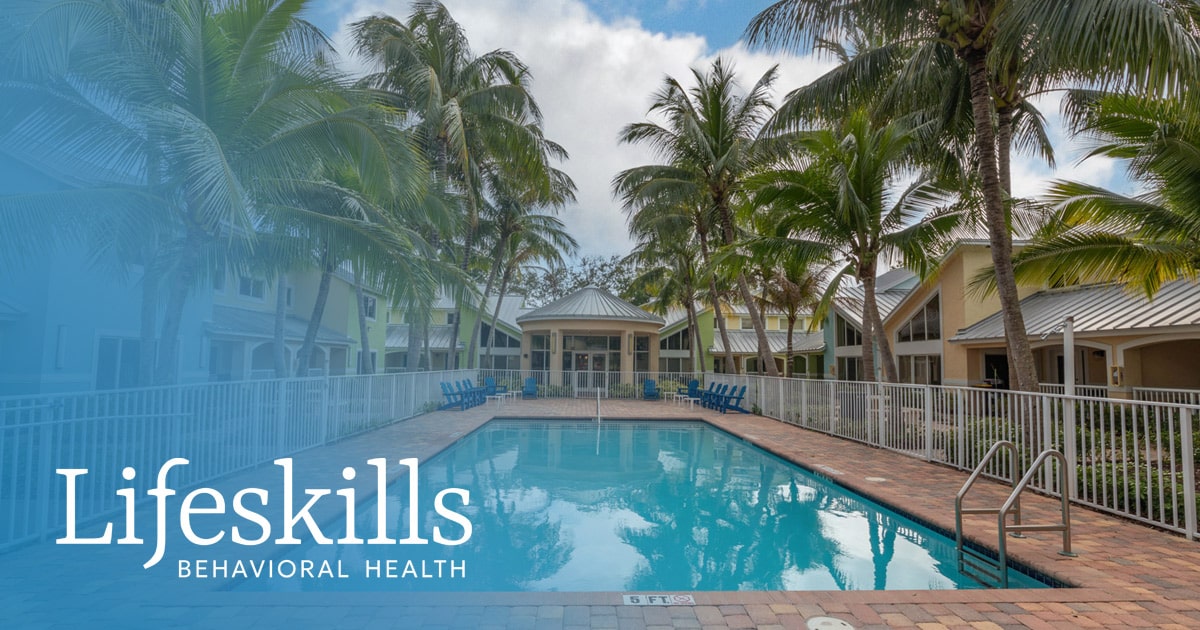
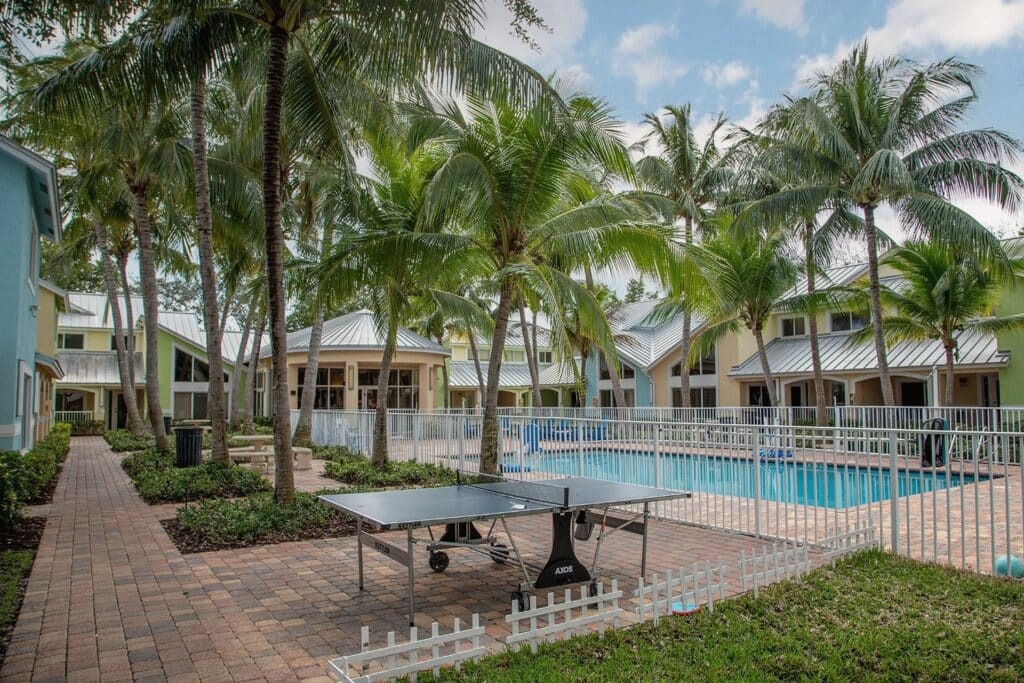
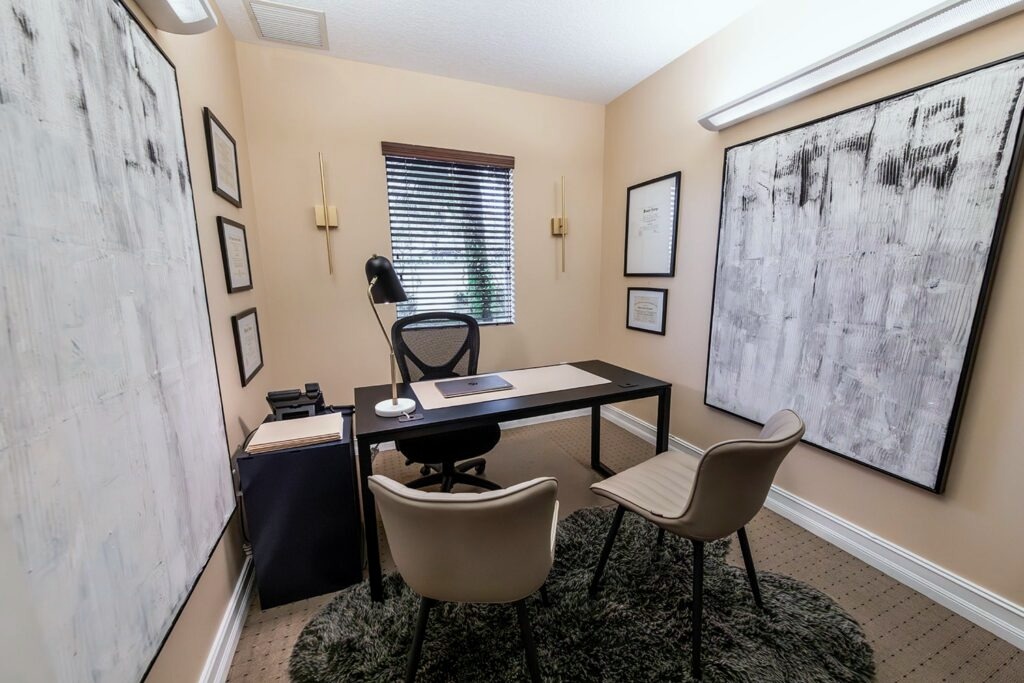
Lifeskills Deerfield Beach 3 photos

Comparison facts and sources
Adult residential mental-health, substance-use and co-occurring-disorder care at the Deerfield Beach campus; medical detox and higher-acuity care are assigned to separate Lifeskills locations. · 1431 SW 9th Avenue, Deerfield Beach, Florida 33441, United States.
- Published fee information
- Quote required
- Before admission
- This record is for Deerfield Beach residential care. Do not assign the Fort Lauderdale medical-detox or acute-support scope, or outpatient PHP/IOP services at other campuses, to this location.
- Continuing care
- Lifeskills publishes an open-ended step-down model across residential, PHP, IOP and transitional living, with alumni and family programming. The exact next level and duration are individualized.
Source record · October 15, 2026
Current exact-campus, admissions, duration, payer and continuum evidence checked October 15, 2026. Confirm clinical fit, benefits, personal responsibility, exact length of stay and whether any diagnostic or downstream service carries a separate charge before admission.
Luxury rehab comparison · Fees and inclusions · Selection methodology
Provider overview
Lifeskills Deerfield Beach is the adult residential campus of Lifeskills Behavioral Health at 1431 SW 9th Avenue, Deerfield Beach, Florida. This profile is campus-specific: the provider lists medical detox and higher-acuity residential care at a separate Fort Lauderdale location, while PHP, IOP and transitional living are offered at other sites.
Treatment and services
The Deerfield Beach campus treats mental health conditions, substance use disorders and co-occurring disorders. Its official materials describe individualized, evidence-based residential care, specialized clinical pathways, and Premier Diagnostic Insights for focused diagnostic work. The provider also lists programming tailored to women, veterans and the Jewish community. Medical detox should not be assumed at this campus.
Admissions and costs
No standard residential duration or fixed public fee was identified on the current campus pages. Contact admissions on 877-795-5762 for a confidential assessment, current pricing and insurance or payment verification.
Residential care for adults with complex needs
The residential treatment description identifies adults aged 18 and older of all genders, with mental health, substance-use, or co-occurring conditions. It describes living at a treatment setting with daily therapy, psychiatric care, skill development, and 24-hour nursing support. Deerfield Beach is one of several residential campuses within that wider service.
The relevant question is which campus and treatment plan fit the person’s current needs. Ask how the team assesses the need for residential structure, what nursing support involves, and how individual appointments fit around group activities. The general residential description does not establish a private bedroom or identical staffing arrangements for every unit. It also does not set a universal length of admission. Families should request the proposed goals, the review process, and the criteria for moving to another level of care. Those details give a more useful comparison than treating all of Lifeskills’ residential locations as one interchangeable program.
Clinical pathways organize the treatment approach
Lifeskills describes eight clinical pathways across its services. They include cognitive behavioral work, DBT, perception-related difficulties, substance use, trauma, social integration, acute support, and metabolic fitness. The pathways are not a list of treatments that every Deerfield Beach resident automatically receives; assignment depends on the person’s assessment and receiving campus.
The distinctions within that framework matter. For example, the provider explicitly says its metabolic fitness pathway is not primary eating-disorder treatment. It also describes trauma work as moving through stabilization, processing, and reintegration rather than beginning every person at the same stage. Ask which pathway will organize the care plan, what goals it addresses, and how the team adjusts it over time. A name such as DBT or trauma treatment should lead to a discussion of the actual sessions and clinical responsibilities. The published pathway descriptions do not establish that every intervention is suitable for every diagnosis or available at every location.
Premier Diagnostic Insights is a distinct program
Premier Diagnostic Insights, or PDI, is described as an intensive 7–10-day diagnostic program for adults with complex symptoms, unclear diagnoses, or previous treatment difficulties. It brings together medical, psychiatric, psychological, and neuropsychological information. The provider describes both a residential option and an option using coordinated external resources.
The stated outputs include an integrated clinical portfolio, a summary of findings, treatment recommendations, and a transition consultation. These are assessment deliverables, not a guarantee that every uncertainty will be resolved or that a longer course of care will be unnecessary. Ask which assessments are proposed, how existing records are used, and who receives the final recommendations. PDI’s private accommodation and concierge arrangements belong to that program description and should not be assumed for every standard residential admission. Confirm the particular format, total cost, and any subsequent treatment separately. The 7–10-day period should not be presented as the normal duration of all Lifeskills residential care.
The women’s program and its DBT curriculum
The Women’s Trauma and DBT Program describes gender-specific residential care for adult women. Its published features include nursing supervision, assigned primary and family therapists, psychiatric follow-up, and a 13-week DBT curriculum with trauma-related groups. A curriculum length is different from a guaranteed or compulsory length of residence.
Ask how a new resident joins the curriculum, which parts are included in the proposed stay, and how unfinished work continues after a transition. The provider also describes education about sleep, nutrition, medication, and daily routines alongside clinical care. Discuss how these activities relate to the person’s treatment goals rather than assuming every feature is scheduled at the same frequency. The page uses the term private residential setting, which does not itself establish single occupancy in every bedroom. Confirm the actual room arrangement and receiving unit. The most useful proposal will connect the assigned team, planned sessions, and review points with an individualized duration and clear financial terms.
Veteran support and access through community care
The veterans program page says Lifeskills participates in the VA Community Care Network and offers support for veterans with psychiatric, trauma-related, substance-use, or co-occurring concerns. It describes case management, individual and group therapy, family support, psychiatric evaluation, and wellness activities, selected according to clinical need.
Participation in a provider network does not establish approval for an individual’s admission. A veteran should confirm the referral, authorization, receiving campus, and services covered before making financial or travel commitments. Ask whether the proposed Deerfield Beach placement includes the relevant veteran-focused support and how communication with existing VA clinicians will work. The program description does not mean every veteran receives a separate unit, a particular trauma therapy, or a fixed number of sessions. It also should not be treated as a promise that unrelated physical rehabilitation or every service connected with military experience is available. The clinical and funding decisions need to match the actual proposed course of care.
Support for Jewish cultural and religious needs
The Jewish community program describes spiritual counseling, Shabbat gatherings, holiday observance, kosher shopping, and appropriate kitchen equipment alongside clinical treatment. It also identifies a weekly online Jewish alumni group. These details can help someone explain cultural needs that would otherwise be missed in a general admissions conversation.
Ask how the proposed campus accommodates the person’s own observance, dietary requirements, and preferences. Published support for kosher food and equipment does not establish that every meal or kitchen automatically meets every individual’s standard. The arrangements should be discussed before admission, including how cultural support connects with the clinical team when the client wishes. Spiritual counseling and community gatherings are also distinct from psychiatric or individual therapy appointments. The online alumni group is a continuing community option, not evidence that residential care continues indefinitely. A clear plan should describe both the clinical treatment and the specific cultural arrangements the provider has agreed to make.
Family work starts during treatment
The family support program describes weekly sessions, virtual groups, and a residential weekend format. Its stated work includes assessing family patterns, practicing communication and boundaries, managing conflict, and preparing for reintegration. These are different formats, so families should ask which are included in the proposed admission.
Clarify who can participate, whether attendance is in person or online, and how sessions are planned when relatives live far away. It is also useful to discuss consent, the information shared with relatives, and what happens when a relationship is unsafe or a family member cannot attend. A program that involves families does not require every person to disclose the same information or involve the same relatives. Ask for the goals of the assigned family work and the contact who will coordinate it. Continuing support after the residential phase should be named separately, with its format and financial arrangements, rather than assumed to be an unlimited extension of the initial admission.
Admission, open-ended planning, and payment
The admissions page describes assessment by an in-house clinical team, followed by confirmation of fit, financial review, and a planned start date. Lifeskills describes individualized, open-ended stays within a step-down model. Cost depends on the actual level of care and duration rather than one universal residential package.
For Deerfield Beach residential care, the published payment model is private pay and out-of-network benefits. Medicare and Medicaid are not accepted. In-network arrangements listed for selected other services should not be transferred to this campus without verification. Ask for a written estimate that identifies the proposed residential care, diagnostic work, professional services, and any later outpatient or housing costs. Clarify how additional days are reviewed, who authorizes changes, and when the financial estimate is updated. An open-ended clinical model makes those review points particularly useful. The existence of insurance benefits or a VA network relationship does not establish the amount an individual will ultimately owe.
Medical detox is assigned to Fort Lauderdale
The medical detox page explicitly places that service at Lifeskills Fort Lauderdale on the Holy Cross Hospital campus. It describes an eight-bed setting, semi-private accommodation, and continuous nursing support. Those details belong to the detox service and should not be attributed to the Deerfield Beach residential address.
If withdrawal care is needed before residential treatment, ask the admissions team to explain the sequence, the receiving locations, and any transfer arrangements. The assessment should establish what medical care is appropriate and when someone can move to another level. A description of a connected continuum does not guarantee immediate bed availability or one combined bill for both campuses. Confirm how records, medication information, and clinical responsibility are transferred. The provider’s general withdrawal timelines should not be used to plan an individual’s medication changes or predict a safe discharge date. The practical comparison is the proposed medically assessed pathway, including where each stage occurs and how the next placement is arranged.
Transitional living belongs to the next stage
The transitional living description names Osceola Village and Orlando residences as semi-independent housing options connected with PHP or IOP. It describes support for adults aged 18 and older. Osceola Village’s published routine includes morning meditation, weekly community meetings, and Sunday community meals.
These are examples of a later housing setting, not a description of the daily schedule at Deerfield Beach residential care. If transitional living is proposed, request the house address, occupancy, clinical program location, transport plan, and separate payment terms. Ask which staff provide housing support and which professionals deliver treatment. The ability to move between services depends on clinical fit and arrangements for the receiving program. A family should also understand whether outpatient appointments are required as a condition of residence and how the person will manage work, study, or other responsibilities. Planning those details early can make the next stage understandable without assuming that every resident follows the same route.
Alumni groups and a defined continuing-care plan
The alumni program describes preparation during the stay, weekly groups for former clients, a weekly family group, scheduled check-ins, and individualized support from a recovery coach. It also describes mentoring by alumni. These are several forms of continued connection rather than a single standard follow-up appointment.
Before discharge, ask which options are relevant, how to join them, and which contact will help if participation becomes difficult. The continuing plan should identify clinical appointments separately from peer meetings or alumni events, including the professional responsible for medication review when needed. A former client may use both kinds of support, but one should not be assumed to replace the other. Families can also clarify whether the weekly family group is available to them and how it differs from the therapy arranged during admission. The published community program does not establish unlimited treatment, a guaranteed outcome, or a universal period of fully funded aftercare.
Provider information reviewed October 19, 2026. Confirm the Deerfield Beach placement, diagnostic-program terms, current clinical plan, accommodation, and individual payment arrangements directly with Lifeskills.
Sources checked
Checked October 15, 2026: Lifeskills locations and levels of care and the provider’s Deerfield Beach residential page.