Life Center of Galax
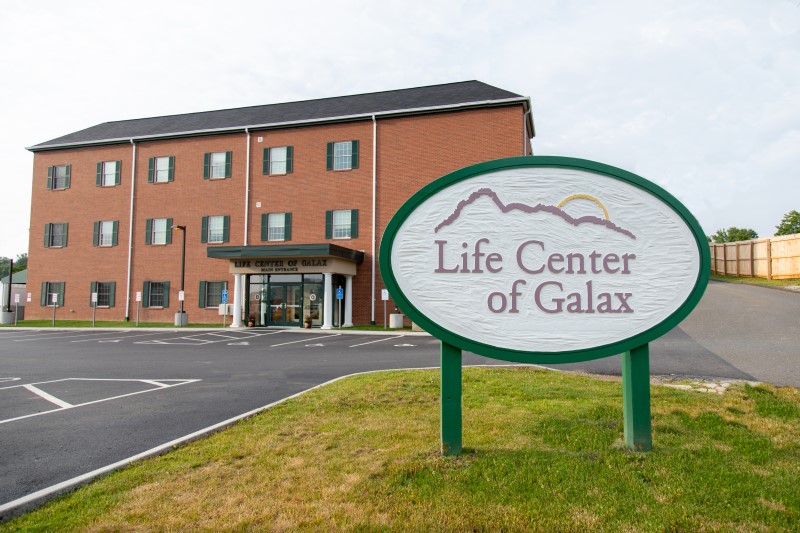
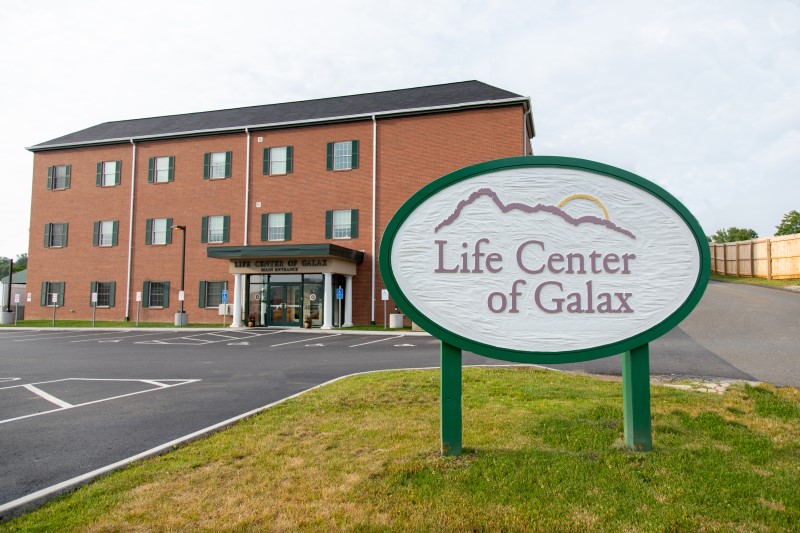
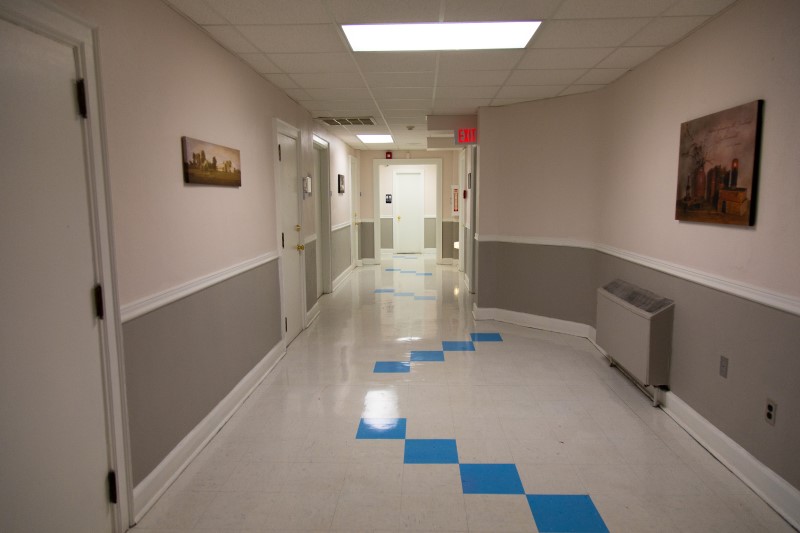
Life Center of Galax 3 photos
Comparison facts and sources
Adult substance-use treatment facility providing detoxification, residential care, outpatient and step-down services. The provider limits admission to adults whose primary diagnosis is chemical dependency; co-occurring concerns may be treated when secondary. · 112 Painter Street, Galax, Virginia
- Published fee information
- Quote required
- Before admission
- The published 14- to 21-day residential range follows detox for many patients but is not a universal guarantee. Detox, PHP, outpatient and maintenance treatment have different timelines.
- Continuing care
- Continuing-care planning is built into treatment. Patients may step down from residential care to PHP or outpatient care, and discharge planning can coordinate community recovery supports.
Source record ·
Provider-published information checked October 14, 2026.
Luxury rehab comparison · Fees and inclusions · Selection methodology
Life Center of Galax in Virginia
Life Center of Galax is an adult substance-use treatment facility at 112 Painter Street in Galax, Virginia. The provider says admission is for people aged 18 or older whose primary diagnosis is chemical dependency; co-occurring conditions may be treated when they are secondary to that diagnosis.
Levels of care
The current official program directory lists drug and alcohol detoxification, residential addiction treatment, outpatient treatment, co-occurring-disorder care, and methadone and buprenorphine maintenance. The appropriate level of care and length of stay are determined through clinical assessment.
The provider says it is a preferred provider with most major insurance companies, accepts Virginia Medicaid and works with several North Carolina managed Medicaid plans and public funding sources. It does not accept Medicare. Coverage and personal cost require individual verification.
An adult addiction program in southwestern Virginia
Life Center of Galax presents an adult addiction-treatment continuum that includes detox, residential care, outpatient services, and medication-supported opioid treatment. The official provider website also describes care for mental-health concerns that occur alongside substance use. This profile is anchored to the Galax facility on Painter Street. The organization has a separate Hillsville location, so a recommendation within the same provider network still needs a specific receiving address.
For a person comparing programs, the important distinction is that chemical dependency is the primary reason for admission at Galax. A listing of psychiatric support should not be read as an unrestricted standalone psychiatric-hospital offer. Equally, the availability of medication-supported treatment means that a description of recovery groups alone does not explain the whole clinical model. Ask admissions to identify the proposed level of care, the responsible location, and the medical or psychiatric needs that must be addressed before entry.
Published admission criteria and limits
The admissions criteria specify adults aged 18 or older who are no longer enrolled in high school, have a primary chemical-dependency diagnosis, and can move about and participate in treatment activities. Life Center of Galax says it considers each person’s strengths, needs, and goals before accepting an admission. Co-occurring disorders can be addressed as secondary diagnoses, rather than replacing the primary substance-use requirement.
The same page lists conditions that prevent admission, including active suicidal or homicidal risk, violent behavior, an active eating disorder, psychosis with hallucinations or delusions, and dialysis. Those are meaningful limits when comparing this setting with an acute hospital or a specialist medical program. The provider says it can help with referrals when its program is unsuitable. Give the intake team an accurate account of current symptoms and physical needs, including concerns that may affect participation, so the assessment can identify an appropriate receiving service.
Detox and the transition into further treatment
On its detox program page, Life Center of Galax describes medical supervision and 24-hour nursing within a broader residential treatment pathway. It presents withdrawal management as one phase of care, followed by work on the behavioral, psychological, and social concerns associated with substance use. The provider also identifies medication options for some people with opioid-use disorder, with the choice determined through medical assessment.
Someone seeking admission should clarify whether detox is needed, what medical needs the facility can manage, and how the next phase would be organized. A detox booking and a complete residential treatment plan are different decisions, even when both take place within the same organization. Ask how staff review readiness to participate in therapy and what happens if additional medical care is required. The page’s description of nursing and medical oversight is a provider statement about its services, not a guarantee of eligibility or a fixed withdrawal timetable.
Methadone and buprenorphine maintenance
The maintenance program description explains that methadone or buprenorphine can be combined with counseling and continued during a transition from detox to residential care. It gives typical ranges of 5–14 days for detox and 14–21 days for the following residential phase. These are program-specific examples, not a standard total stay for everyone at Galax. The medical team determines the medication and individual plan.
The maintenance program has additional eligibility criteria beyond the general adult admission rules. People already receiving treatment should discuss continuity with the clinical team and their current prescriber. The provider also describes a limited pregnancy pathway: first- or second-trimester patients without acute medical concerns who are already on an established methadone or buprenorphine protocol. It says it does not provide pregnancy detox. Before discharge, the team can refer patients to a community maintenance provider. Confirm that receiving arrangement and appointment rather than assuming medication care automatically continues after leaving.
How the residential treatment plan develops
The residential program page describes a detailed early assessment covering medical and nursing needs, psychosocial history, and, where needed, psychological testing. Leisure, occupational, and vocational issues may also be reviewed. The provider builds a treatment plan from this information and revisits the goals with the patient and team. Its program places substantial emphasis on group work, alongside individual needs and family information where available.
The listed approaches include cognitive work, experiential exercises, gender-specific groups, and family workshops. These descriptions help explain the program’s style, but they do not state that every resident receives an identical set of sessions. Ask how the proposed plan addresses the person’s main difficulties and how progress will be assessed. Life Center of Galax says discharge dates are reviewed weekly and adjusted individually. That makes the treatment review process more useful for planning than an assumption that all residents complete the same number of days.
Co-occurring mental-health support within addiction treatment
Life Center of Galax’s co-occurring-disorders program describes mental-health evaluation and medication management when needed, together with individualized treatment for substance use and psychiatric concerns. Specialty groups address understanding the conditions, identifying difficulties, and developing coping skills. The provider also says patients prepare a personal recovery and transition plan with a counselor and the wider team.
This is useful information for someone whose anxiety, depression, or other concerns have complicated earlier addiction treatment. The intake conversation should establish the current symptoms, past treatment, medications, and any recent changes in functioning. It should also confirm whether those needs fall within the facility’s admission limits. The program’s integrated approach does not override its exclusions for acute psychiatric or medical presentations. Ask how psychiatric follow-up will be arranged after discharge, particularly if the person lives outside the area or will need a new prescriber in the community.
A structured day with groups and recovery meetings
The provider’s sample residential day starts around 7 a.m. and combines medical contact, therapy groups, recovery education, meals, and time for assignments or relaxation. Evening AA or NA meetings are part of the published routine. The page describes a counselor-led home group, educational lectures, gender-specific groups, and exercises such as writing a personal history or relapse-prevention plan. These details indicate an active, group-centered schedule.
Someone considering Galax should be comfortable discussing how they engage with groups and Twelve Step material. Ask what support is available if reading, writing, attention, or communication needs make particular assignments difficult. The sample day also identifies free time on the porch or around communal spaces; it is not a schedule for unrestricted work or outside appointments. Confirm the current program week, any visiting arrangements, and the expectations for participation before planning commitments around the stay. A published example describes the structure rather than guaranteeing an unchanging daily timetable.
Partial hospitalization, family work, and continuing care
The outpatient program description includes day-support or partial-hospitalization care. It may follow residential treatment, respond to insufficient support at a lower level, or be recommended after an initial assessment. Participants leave at the end of the treatment day and return for the next scheduled session. The page describes groups, education, recovery meetings, and case-management involvement rather than a live-in arrangement.
Family members are encouraged to participate in weekend workshops, with education, counseling, and discussion of the effects of substance use. Confirm the current schedule and the patient’s preferences before relatives make travel plans. Continuing-care recommendations may include local counseling, recovery groups, family support, or a halfway-house placement. These are separate services with their own entry requirements. Before discharge, establish the receiving provider, first appointment, transport, and costs. The existence of a referral option does not mean every person will attend PHP or receive housing as part of the original admission.
Optional programs and arrangements for couples
The additional-programs page describes voluntary faith-based groups, an acupuncture-related add-on, and arrangements for couples seeking treatment. Faith-based participation is offered on request and is explicitly optional. That distinction matters to people who value spiritual support and to those who prefer their treatment without a religious component. The page presents these services as additions to a personal plan, not a requirement that everyone receive the same experience.
For couples, each partner receives an assessment and individual treatment plan. The provider says partners do not share a room; some activities may be shared while other sessions remain separate. Focused couples counseling depends on the treatment teams’ assessment. Confirm the receiving campus, both partners’ eligibility, and the proposed schedules before planning a joint admission. The presence of a couples option does not guarantee simultaneous availability or identical treatment recommendations, and a wellness add-on should not be treated as a replacement for the core clinical program.
Insurance, Medicaid, and public funding
The insurance and payment page describes commercial insurance arrangements, Virginia Medicaid, and named North Carolina managed Medicaid plans. It also identifies contracts with Virginia agencies for public funding of certain detox, stabilization, and rehabilitation services. The provider offers benefits verification and says it can help explain financial arrangements. These are specific funding routes to investigate, rather than a statement that every applicant or every program is covered.
Ask which payer authorization applies to the recommended level of care and what the person could owe for uncovered services or days. A North Carolina resident should verify the exact managed plan and referral requirements; a general Medicaid card is not sufficient evidence of an approved out-of-state placement. Likewise, public funding depends on the relevant agency and eligibility process. Request the expected patient responsibility in writing and revisit it if the clinical recommendation changes. Separate follow-up care may require a different authorization or receiving-provider agreement.
How the separate Hillsville campus differs
The Life Center of Hillsville page describes a separate location at 160 Training Center Road for men aged 18 and older. It offers residential treatment and PHP, with individualized plans, therapy, and basic medical support. Its setting includes a large rural campus and walking trail. These features should not be automatically assigned to the Galax address simply because the two locations appear on the same website.
Hillsville also publishes medication-related limits, including a statement that there are no controlled substances at that location. Anyone considering a transfer should discuss existing medication treatment directly with both clinical teams, rather than assuming the Galax maintenance offer is identical at Hillsville. The provider welcomes inquiries about direct admission or step-down care after screening. Ask why one campus is recommended, how the receiving program matches the person’s needs, and whether the change would affect accommodation, daily structure, transportation, or payer authorization.
Program details reviewed against Life Center of Galax and Life Center of Hillsville official pages on October 19, 2026. Admission criteria and services are provider-published; individual eligibility, medication arrangements, availability, and financial authorization require direct confirmation.
Official sources: main-campus address and program directory, admissions, and insurance and payment; checked October 7, 2026.