Liberty House Luton


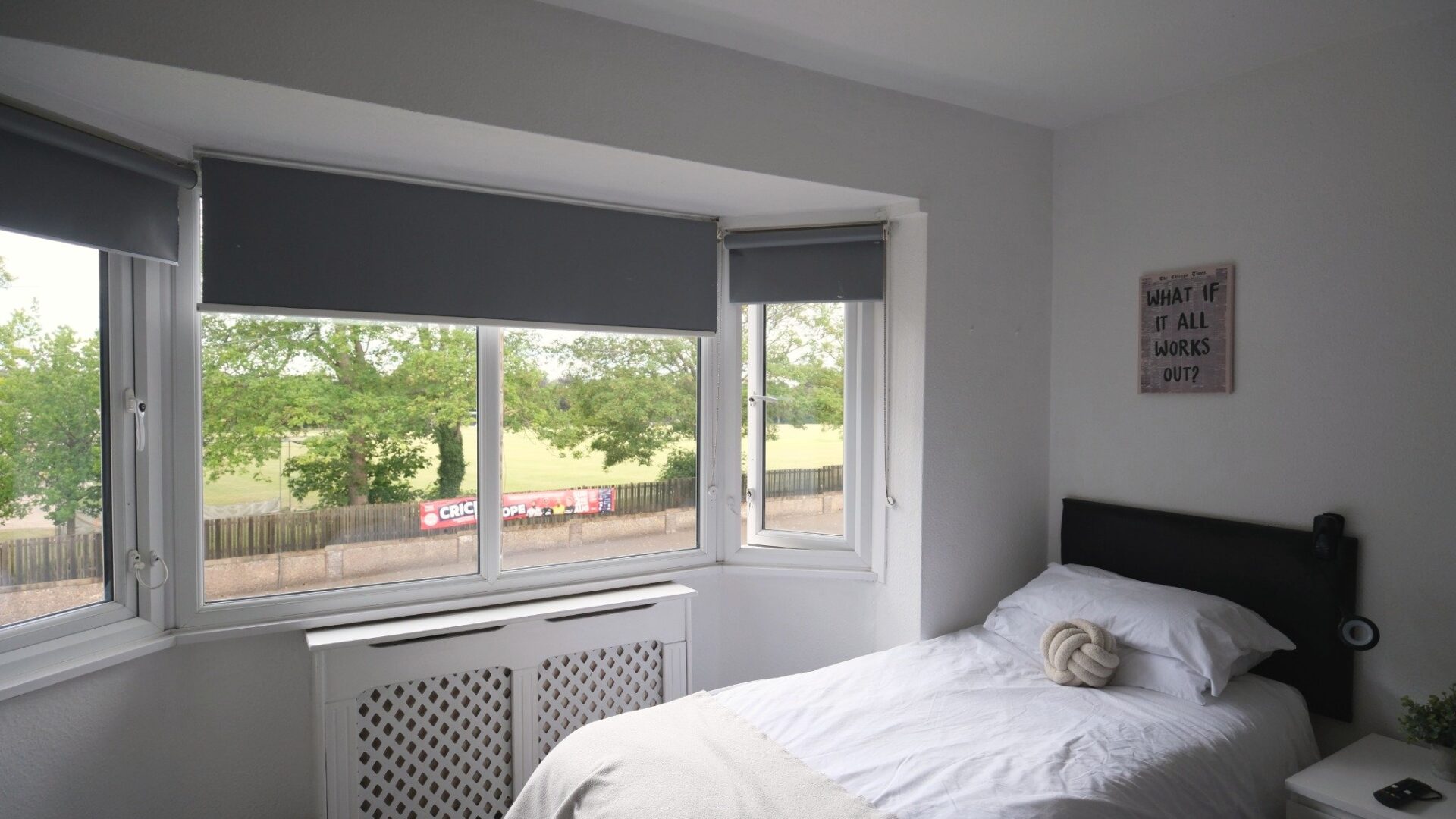
Liberty House Luton 3 photos
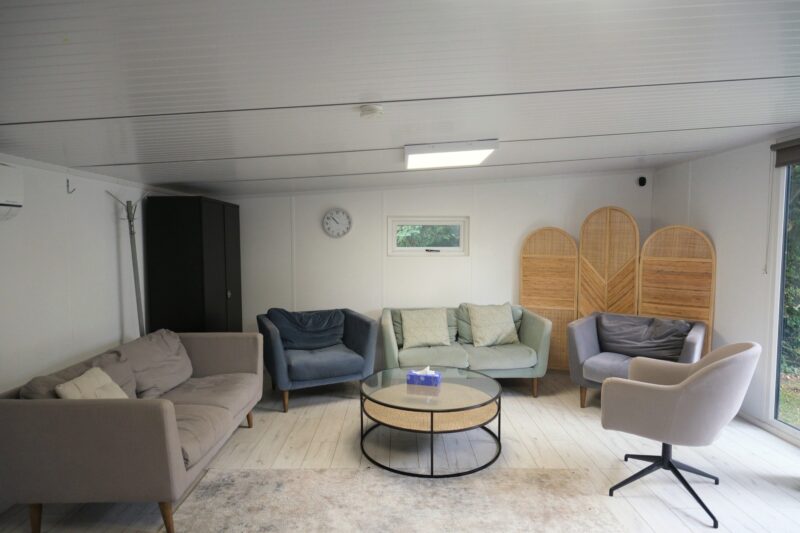
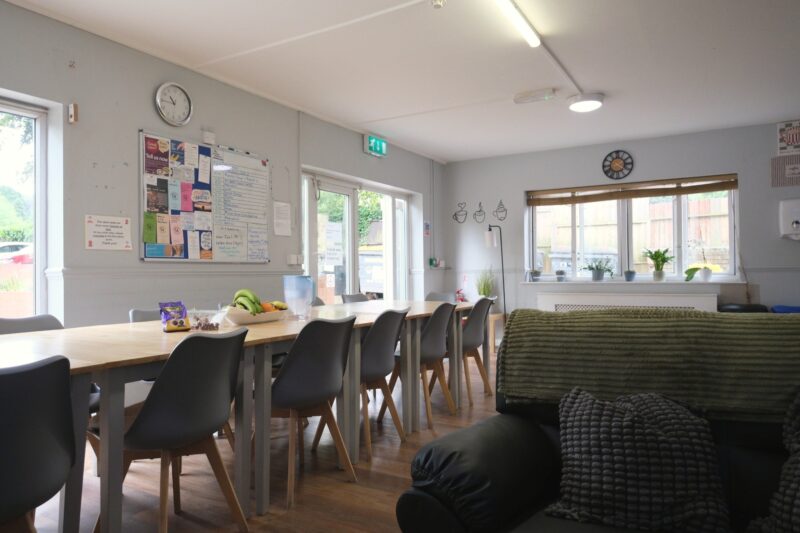
Liberty House Clinic is a private residential addiction-treatment facility in Luton, Bedfordshire, operated within the UK Addiction Treatment Centres network. It provides assessment-led detoxification and rehabilitation for alcohol, drug and behavioral addictions.
Treatment and access
Programs can include medically supported detox, structured rehabilitation, individual and group therapy, 12-step work, relapse-prevention planning and aftercare. Suitability, medication, program length and any support for co-occurring mental-health needs are determined through the admissions assessment.
The residential setting and medical cover
Liberty House’s current clinic overview describes a 20-bed residence in Luton, with private en-suite bedrooms, shared living areas, therapy rooms, and outdoor space. This is a community-based residential program: a private bedroom does not mean that treatment is delivered to only one client or that every session is individual.
The overview advertises a doctor on call around the clock. Ask how that arrangement works alongside the staff physically present in the building, including overnight, and how medical concerns are escalated. On-call availability should not be read as continuous physician presence beside every resident. The same overview describes rapid admissions as possible, but suitability and a confirmed place still need to be established before travel. A useful pre-arrival discussion covers the room being offered, accessibility needs, the proposed treatment pathway, and the staff roles responsible for clinical decisions during the stay.
What happens during admission
According to the admissions page, a clinical team member welcomes new arrivals, allocates a room, and introduces the clinic. A medical practitioner then assesses treatment needs and existing prescriptions. Detoxification is prescribed when required and reviewed during the stay. Counseling and preparation of the broader care plan follow during the first few days.
This sequence provides a practical reason to have a current medication list and relevant treatment history available rather than relying only on an initial telephone conversation. Explain any allergies, previous withdrawal problems, and continuing physical or psychiatric care before admission. The clinic also offers prospective visits, which can help resolve questions about the environment before making a commitment. Same-day admission is described as possible in some circumstances, not guaranteed. Confirm acceptance, arrival time, and any outstanding clinical information directly instead of assuming that a callback or preliminary discussion reserves a bed.
Detox is based on clinical assessment
The detox description explains that clinicians assess withdrawal risks, develop an individual plan, and review it throughout treatment. Medication may be used when clinically appropriate. It also describes contact with a client’s GP if withdrawal-related needs continue after the residential stay.
That individualized process is more relevant than a general list of substances on a website. The need for medically managed withdrawal, the appropriate setting, and the plan for existing medicines must be determined for the person concerned. Admission to an addiction program does not mean that every client needs an identical detox. Before arrival, clarify who will prescribe, how symptoms will be monitored, and what happens if the required care exceeds the clinic’s capabilities. For continuing prescriptions, obtain a coordinated plan with the responsible clinicians. Do not stop medicines or attempt an unsupervised withdrawal in order to meet an assumed admission requirement.
How therapy is organized
Liberty House’s therapy overview lists individual and group work, cognitive behavioral therapy, dialectical behavior therapy, 12-step work, trauma-focused approaches, and creative or movement-based activities. The same page describes treatment lengths of two, four, eight, and twelve weeks. These are published options, not a clinical recommendation for a particular stay.
The page also says clients participate in the full program. Someone with a strong preference about group work, 12-step content, or complementary activities should therefore discuss it before booking. Ask which elements are scheduled at Luton, the frequency of individual appointments, and how the plan is adapted if a session is unsuitable or inaccessible. A list of therapies does not establish that all are equally appropriate for every condition or that each occurs daily. The important comparison is the actual timetable and individualized clinical work, including how progress and concerns are reviewed with the treating team.
Named staff and responsibilities
The current staff page identifies Annabel Turner as lead therapist and describes her integrative counseling and trauma-focused background. It also lists addiction therapists and counselors, a part-time therapist, senior and other support workers, administrative staff, and the kitchen and housekeeping team.
These roles contribute differently to daily life. A support worker helping someone settle into the routine is not necessarily the clinician responsible for diagnosis or prescribing. Ask who will coordinate the care plan, who will deliver individual counseling, and how the therapist and medical practitioner communicate when needs overlap. The published biographies are provider descriptions, not an independent verification of every credential or a guarantee that a particular staff member will be assigned. If specialist experience is important, such as work with a particular trauma presentation, establish the relevant practitioner’s role and availability for the intended admission rather than assuming it from the size of the wider UKAT network.
Program length and a useful treatment quote
The rehabilitation page distinguishes residential treatment from attending appointments while living at home and identifies Liberty House’s own program as inpatient residential care. It says charges vary with the length of the stay and that payment plans are available. It also describes the same range of therapies and one year of aftercare across its different-length programs.
Request a quote for the recommended Luton program rather than using a general UK rehab price. It should identify the dates or number of nights, medical and therapeutic inclusions, and any charges that could arise if the plan changes. Clarify whether a proposed extension remains at Liberty House or involves another UKAT service. An article explaining outpatient treatment does not by itself establish that the clinic offers a local day program. Likewise, a discussion of payment plans does not establish individual eligibility or the terms of a financing agreement.
Family participation and communication
The family support program describes education, work on communication and boundaries, and facilitated joint sessions referred to as conjoints. It also discusses relatives’ own wellbeing and preparation for the client’s return home. The intended participants can extend beyond a spouse or parent to siblings and other close family members.
Before committing to the program, establish which sessions are offered during the planned stay, whether remote participation is possible, and how appointments are arranged. Family education, a visit, and joint therapy are different activities and should not be assumed to be interchangeable. The client’s consent and the safety of the relationship matter when deciding what information is shared and whether a joint meeting is appropriate. Families should not be promised reconciliation or made responsible for guaranteeing another person’s recovery. Useful preparation can instead focus on realistic communication, practical support, boundaries, and a clear plan for seeking help after discharge.
Meals and the daily routine
Liberty House’s healthy eating program describes three daily meals prepared by its chef, shared mealtimes, and opportunities to discuss food choices. The published routine places the last meal at 5 p.m. and allows weekly requests before staff shopping. Dietary requirements, allergies, cultural preferences, and religious needs can be raised with the team.
These details are useful for planning a residential stay, particularly if a person has a medical diet or difficulty maintaining regular meals. Confirm the current schedule, access to snacks, and how an individual dietary plan is approved and communicated. A chef-prepared menu should not be confused with specialist eating-disorder treatment or a prescribed medical nutrition program. The role of food within the stay is practical support for daily living; the menu is not evidence of a guaranteed physical recovery or an alternative to necessary medical assessment.
Secondary care takes place at a different UKAT location
The secondary-care page published on Liberty House’s website specifically describes Providence Projects in Bournemouth. It explains a model with accommodation separate from the therapy center, ongoing therapeutic work, and increasing responsibility for cooking, budgeting, and daily routines. Those arrangements should not be attributed to the Luton residence.
For someone considering that next step, the transition needs its own assessment, accommodation details, travel plan, and quote. Ask who coordinates the handover, what clinical information is shared with consent, and which appointments continue after leaving Liberty House. Secondary care is also distinct from the free weekly aftercare group: moving to another structured program is a different commitment from joining a follow-up session. Its suitability depends on the person’s needs and preferences. A website describing the pathway does not establish that a transfer is compulsory, included in the initial residential price, or available on the intended discharge date.
What the year of aftercare includes
The aftercare page offers a year of free weekly group therapy to people who complete treatment. It describes facilitated check-ins about the transition home, difficulties encountered in daily life, and the use of strategies developed during the residential stay. Its FAQ also discusses continued participation following a return to substance use.
Confirm how to access the group, whether the relevant sessions are online or in person, and when the first appointment follows discharge. Ask what “completion” means for eligibility, especially if treatment ends earlier than planned. The weekly group should be distinguished from individual psychotherapy, prescribing appointments, or additional residential care. If those are required, make separate arrangements before leaving. The page discusses possible extended support, but that should not be read as a promise of indefinite free clinical treatment. Obtain the specific offer and any later charges directly from the aftercare team.
The alumni network is a separate form of support
The UKAT alumni description presents free lifelong membership after completing a UKAT rehab stay. Its activities include peer connections, private online groups, check-ins, newsletters, podcasts, and organized social events. Membership brings together people from Liberty House and other UKAT clinics.
This may help a former resident maintain contact after moving away from Luton, but it is different from a scheduled clinical appointment. Clarify how to join, which activities are accessible from home, and whether particular events involve separate travel or other costs. The value of an alumni community should not be expressed as a guarantee that a person will remain abstinent or never need further treatment. A useful continuing-care plan identifies the community support the person wishes to use and, separately, the clinicians responsible for any ongoing psychological or medical needs. Neither role should be left unclear at discharge.
Reading the CQC record accurately
The Care Quality Commission’s current location record identifies Liberty House Clinic Limited at the Luton address as a residential substance-misuse service for adults. The report published November 17, 2025 rates the service Good overall. Safe is rated Requires improvement, while Effective, Caring, Responsive, and Well-led are rated Good.
Both parts of that record are relevant when assessing the clinic. An overall Good rating should not be presented as a finding that every assessed area was Good. Read the dated report and ask the provider what action it has taken in response to the safety findings, including any more recent assessment it can supply. A regulatory rating is not a measured personal recovery probability or confirmation that the clinic can meet every clinical need. Use it alongside the proposed care plan, program eligibility, staff responsibilities, and practical arrangements for the intended admission.
Contact and payment
The clinic’s current address is 220 Old Bedford Road, Luton, Bedfordshire LU2 7HP. Its contact page lists telephone 0203 909 7747. Liberty House is privately funded; prospective clients should request a program-specific quote and confirm any insurance arrangements directly because no universal weekly fee is published.
Official sources: Liberty House Clinic, contact information, program duration and aftercare. Official sources checked October 13, 2026.