Lakeview Center Pensacola
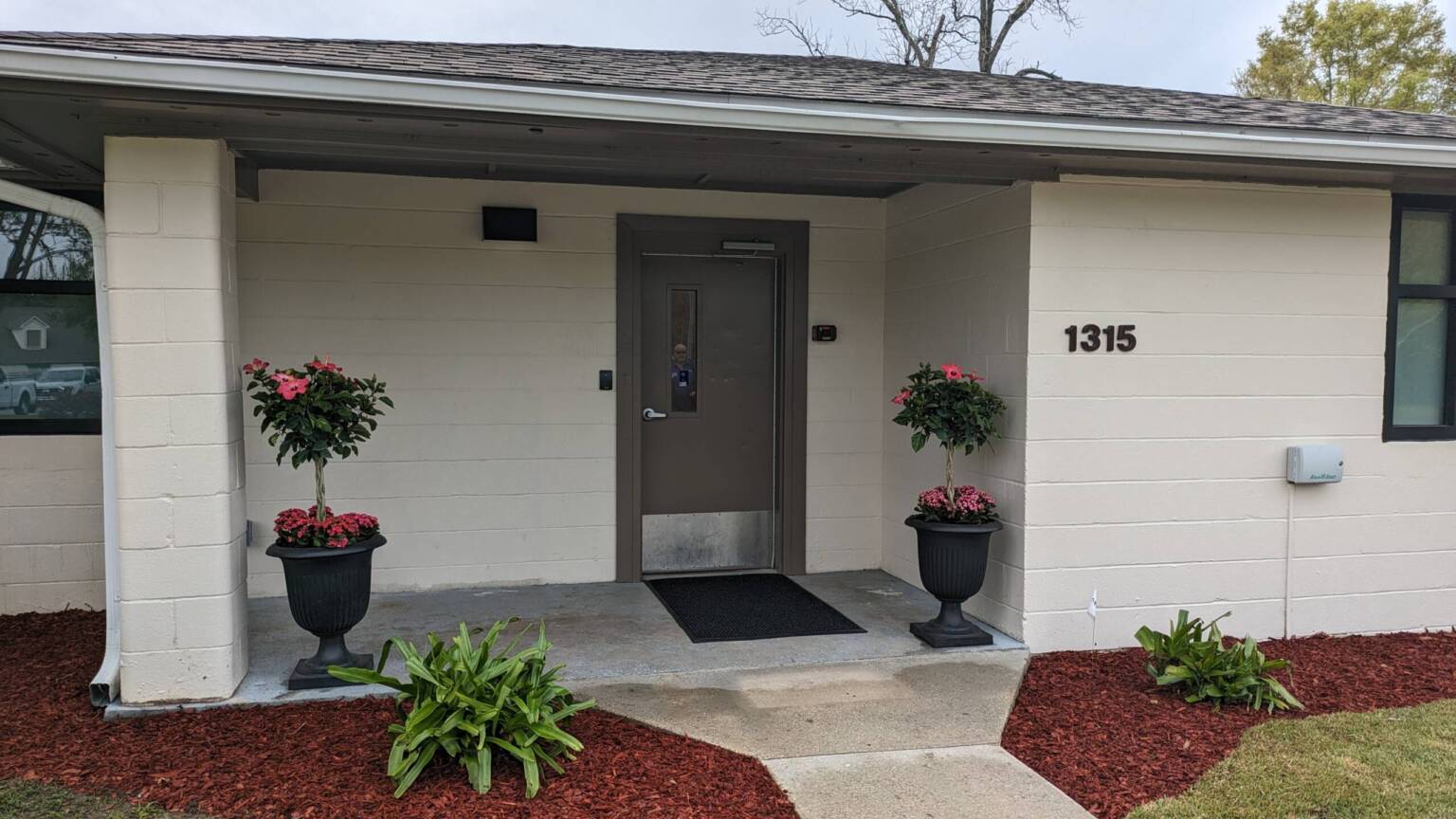
Comparison facts and sources
Downtown Pensacola behavioral-health campus within a wider Northwest Florida network, with distinct outpatient, crisis, inpatient and residential programs. · 1221 W. Lakeview Avenue, Pensacola, Florida 32501; Road to Recovery at 1301 W. Lakeview Avenue, Pensacola, Florida 32501.
- Published fee information
- Quote required
- Before admission
- This review verifies the main-campus scope and Road to Recovery program, capacity, duration and funding boundaries. It does not establish admission, individual stay length, coverage or final cost.
- Continuing care
- Road to Recovery includes relapse prevention and an individualized aftercare plan; other discharge arrangements vary by service and need.
Source record · October 19, 2026
Main-campus service scope reviewed October 19, 2026. Pricing information was reviewed October 16, 2026; confirm the receiving program, suitability, availability and personal costs directly..
Luxury rehab comparison · Fees and inclusions · Selection methodology
Lakeview Center’s downtown Pensacola main campus at 1221 W. Lakeview Avenue provides mental-health and substance-misuse services for adults and children. It is part of a wider Northwest Florida network, so services and contacts should be matched to the specific location and program.
The main campus includes outpatient counseling and psychiatry, 24-hour crisis services, inpatient care, children’s services, detox and other addiction treatment. Road to Recovery is a distinct adult substance-misuse program at 1301 W. Lakeview Avenue offering intensive outpatient care and a 46-bed residential service for adults aged 18 and older with substance-use and co-occurring mental-health needs.
Lakeview publishes a 30–60-day stay for Road to Recovery residential treatment; that range does not apply to every Lakeview service. The program includes individualized planning, group and individual counseling, medical evaluation, vocational development, relapse prevention and aftercare planning. Some Florida Medicaid plans and state funding may apply to eligible residents of specified Northwest Florida counties; other benefits, self-pay cost and final responsibility require confirmation.
Central Access identifies the appropriate Lakeview service
Lakeview’s Central Access Program is described as the starting point for adults, children, and families seeking behavioral-health care. The team conducts a clinical screening and considers which service fits the person’s needs. Possible connections include counseling, psychiatry, case management, substance-use treatment, residential services, and specialized programs.
This process is especially useful at a campus with several different care settings. A request for help does not automatically mean admission to Road to Recovery or another residential program. Explain the main concern, current treatment, living circumstances, and any practical barriers so the team can identify the appropriate next step. Ask for the exact program name, receiving address, and appointment or referral requirements. Lakeview separately directs urgent mental-health concerns to its Mobile Response Team and life-threatening medical emergencies to emergency services. A routine Central Access inquiry should therefore be distinguished from an immediate crisis response.
Outpatient counseling can be provided in several formats
Lakeview describes outpatient counseling for concerns such as anxiety, depression, and grief. Its team conducts evaluations and develops individualized plans, with both individual and group therapy available. The provider names cognitive behavioral therapy and motivational enhancement among the approaches that may be used, while the actual plan depends on the person’s presentation.
The counseling overview also describes virtual options for many services, including assessment, therapy, and some psychiatric or medication-management appointments. These services are offered across Northwest Florida, so confirm the clinician, location, and delivery format relevant to your referral. The network also identifies separate counseling for children and specialized veteran support through a partnership with Home Base Florida. Those descriptions should be matched to their own eligibility and referral process. An adult counseling appointment is not a confirmation of participation in every specialized program, and remote access needs to be agreed with the receiving team.
Psychiatry and prescription support are coordinated with other care
The psychiatry service describes assessments, medication management, refill assistance, therapeutic injections, and coordination with counselors, therapists, case managers, and other providers. Medication may be part of an individual treatment plan, with ongoing review of symptoms, side effects, and the person’s medication history.
Lakeview’s guidance includes discussing prescription medicines, nonprescription products, and other relevant substance use with the clinical team. This is information for a professional review, not a recommendation to change medication independently. Ask who will manage prescriptions, how follow-up appointments are arranged, and which contact to use when a refill or review is needed. The page also links psychiatric care for children and more intensive crisis services. These are different care pathways, so confirm the service to which you have actually been referred. Pharmacy access and routine medication appointments do not themselves provide the same supervision as an inpatient admission.
Road to Recovery is an adult substance-use program
Road to Recovery combines residential and intensive outpatient substance-use treatment at the Pensacola campus. The residential service is described as having 46 beds and serving men and women aged 18 and older, with individual plans addressing addiction and co-occurring mental-health needs. Lakeview publishes a residential stay range of 30–60 days.
The program lists counseling, psychoeducation, medical evaluation, vocational development, support groups, relapse prevention, and aftercare planning. It identifies pregnant women and people who inject drugs as priority populations, while suitability still requires assessment. The page describes some Florida Medicaid participation and possible state funding for eligible uninsured residents of Escambia, Santa Rosa, Okaloosa, and Walton counties. Confirm the particular funding route and receiving program before assuming coverage. The published capacity does not establish an available bed, and the residential duration should not be applied to Lakeview’s crisis, detox, or longer-term mental-health services.
Adult substance-use IOP usually spans several weeks
Lakeview’s intensive outpatient description identifies a usual commitment of nine group-therapy hours each week, commonly delivered as three sessions of approximately three hours. The published typical duration is eight to twelve weeks, depending on individual goals. The program also addresses co-occurring concerns and encourages family education and participation.
The provider describes this level as generally appropriate for people with a stable living environment who do not require detoxification. That distinction matters when deciding whether an outpatient schedule offers enough support. Confirm the actual group days, additional appointments, and criteria for moving to a different level of care if needs change. The program page lists both Pensacola services and Pathway in Shalimar, so obtain the location associated with the offered place. A timetable or program description from elsewhere in the network should not be assumed to apply to the Pensacola group or to a separate residential admission.
The Addiction Receiving Facility provides a distinct detox service
Lakeview’s detox program is located at its Addiction Receiving Facility at 1304 West Avery Street on the main campus. The provider describes a ten-bed service with addiction specialists, nurses, and behavioral-health professionals. Assessment is followed by an individualized plan and monitoring around the clock.
The published average detox stay is three to seven days, depending on the person’s needs. Before discharge, the team describes connecting clients with continuing treatment within Lakeview or with community providers. This short period concerns withdrawal care; it is different from Road to Recovery’s longer residential treatment range. Ask the receiving team how it assesses medical suitability and which next step is recommended once withdrawal care is complete. The fact that several programs share a wider campus does not make a transfer automatic. Confirm the next service’s acceptance, timing, and funding as part of the discharge plan.
Mobile crisis support covers four counties
Lakeview describes a Mobile Response Team that can provide mental-health crisis support by telephone or in person in Escambia, Santa Rosa, Okaloosa, and Walton counties. The service operates around the clock and can respond in settings such as a home, school, workplace, or community location. It works with individuals, families, schools, emergency departments, and law enforcement.
This community response has a different purpose from scheduling a regular therapy appointment or reserving residential treatment. The team assesses the situation and helps connect the person with appropriate support. Lakeview also describes receiving, stabilization, detox, and short-term residential options within its crisis continuum, but the next step depends on assessed needs. Contact the crisis service directly to clarify the immediate response rather than relying on a routine inquiry form. Lakeview’s guidance directs life-threatening emergencies to 911, so urgent medical needs should not wait for an outpatient assessment or admissions callback.
Crisis receiving and inpatient stabilization have separate roles
The Central Receiving Facility serves adults in Escambia and Santa Rosa counties who are experiencing a mental-health crisis. Lakeview describes screenings and assessments at the Pensacola campus, followed by care suited to the person’s needs. Some people arrive with a relative or independently, while others are transported by law enforcement.
Following evaluation, a person may receive care at Lakeview’s Crisis Stabilization Unit, transfer to a local hospital, or be connected with another service. Lakeview says such decisions can involve clinical need, bed availability, and client preference. Its 30-bed stabilization unit provides short-term inpatient psychiatric care, with continuous monitoring, medication management, and therapeutic support. The unit’s purpose is to support stabilization and a transition to the next appropriate setting. This is distinct from a preselected residential addiction stay, and neither the published bed count nor the existence of several follow-up programs guarantees a specific placement.
Mental-health residential options differ in independence and support
Lakeview’s residential directory describes several Pensacola settings with different purposes. Lakeview Lodges is presented as a 16-bed therapeutic residence with staff available at all times, where residents can come and go within a structured living arrangement. Lakeview Villas is a 20-unit apartment setting designed for greater independence, with case-management support.
The directory also identifies Hernandez House and Lakeview Place as transitional settings where residents develop practical skills such as budgeting, coping, and managing symptoms. These options should be assessed according to the support someone needs, rather than treated as equivalent to Road to Recovery’s substance-use program. Other residential services in the directory are located outside Pensacola, including programs in DeFuniak Springs. Confirm the receiving address, eligibility, supervision, and expected living arrangements for the specific service. A network-wide residential listing does not establish that every option is available on the main campus or offers the same clinical intensity.
Children’s services are organized by age and need
Lakeview describes a children’s continuum ranging from outpatient and community support to crisis, inpatient, and residential care. Its early-childhood program supports families with children from birth through age five and can involve home-based or clinical work focused on the parent-child relationship. Older children may receive counseling, psychiatric care, or other services following assessment.
The Meridian is a separate statewide inpatient psychiatric program for ages 7–17, with a structured residential setting and continuous supervision. Lakeview also identifies foster-care and child-welfare services, which have different referral purposes from a routine outpatient appointment. Families should ask which age-specific service is being recommended and how it coordinates with caregivers, school, and existing professionals. Some programs operate across the wider region or in the community, so an inquiry about the Pensacola campus should produce a named receiving service. The adult Road to Recovery description should not be used as the admission criteria for a child.
Opioid medication treatment has a separate outpatient location
The Suboxone outpatient program is listed at 1970 North H Street in Pensacola. Lakeview describes medically supervised treatment for people with opioid-related dependence, including ongoing maintenance when appropriate. It is an outpatient service, so its address and appointments should be distinguished from the Addiction Receiving Facility and Road to Recovery.
Ask the clinical team about assessment requirements, the proposed appointment schedule, and how medication care will coordinate with counseling or other treatment. The program’s description does not mean every participant follows the same medication plan or is expected to stop treatment on a fixed date. Eligibility and prescribing decisions need an individual discussion. Confirm the receiving service before traveling to the main campus, especially when arranging follow-up after another Lakeview program.
The pharmacy offers practical prescription support
Lakeview’s pharmacy serves people receiving its care as well as employees and the public. It is listed at 1201 West Hernandez Street, with weekday opening hours from 8:30 a.m. to 5 p.m. and closure on weekends and holidays. The provider describes curbside pickup, mobile refill requests, and medication packaging organized by date and time.
These services can be useful when a discharge plan involves continuing prescriptions, but the pharmacy’s operating hours are separate from the campus’s round-the-clock crisis services. Ask how refills and any packaging request should be arranged before a weekend or transition between programs. The pharmacy lists acceptance of many insurance plans, including Medicare and Medicaid. That statement concerns pharmacy services and should not be extended to every residential or clinical program. Confirm the particular prescription, coverage, and any personal charge directly with the pharmacy.
Billing and records requests have their own process
Lakeview’s billing page describes a discounted sliding-fee schedule and states that inability to pay will not be a reason to deny services. The same page’s Spanish-language statement specifically discusses outpatient psychiatric and counseling care. Confirm how the policy applies to the exact service being considered, what financial information is needed, and which charges may remain.
This published policy is different from automatic approval for a residential funding route or a universal program price. The page also provides a separate process for requesting medical records. When care is moving between providers, establish which records are needed, who should receive them, and how the request will be handled. Financial eligibility, appointment confirmation, and permission to share records are separate parts of arranging care; completing one does not resolve all three.
Linked official provider information was reviewed on October 19, 2026. This profile distinguishes the Pensacola campus from separate regional services. Confirm the receiving program, eligibility, availability, financial policy, and follow-up arrangements directly.
Sources
- Lakeview Center main campus
- Road to Recovery
- Residential care
- Intensive outpatient treatment
- Billing and sliding-fee information
Sources checked October 16, 2026.