Indiana Center for Recovery

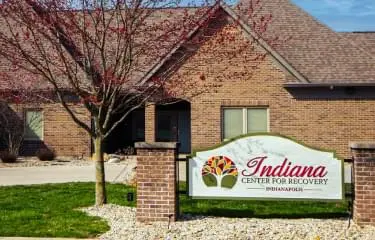
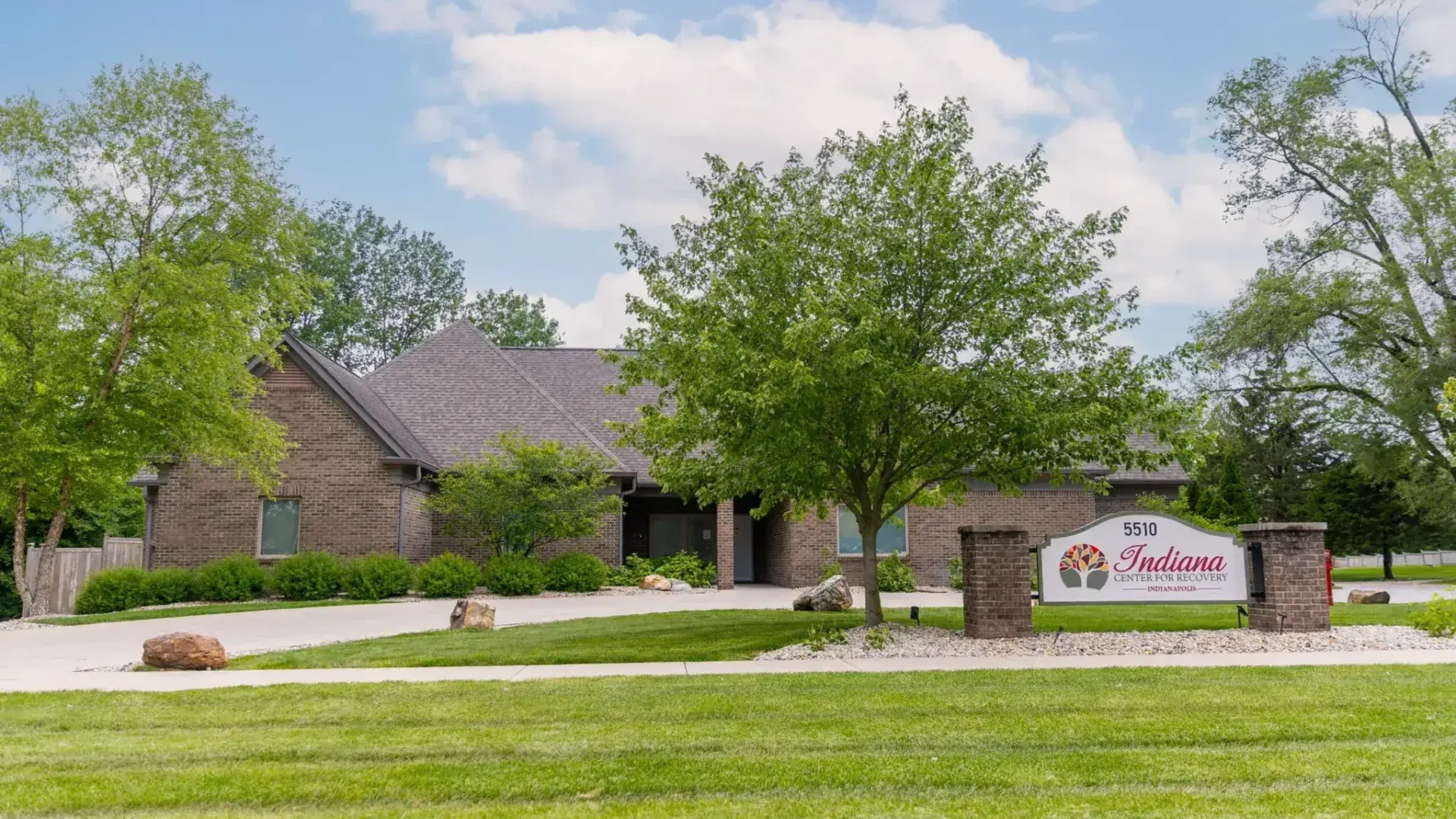
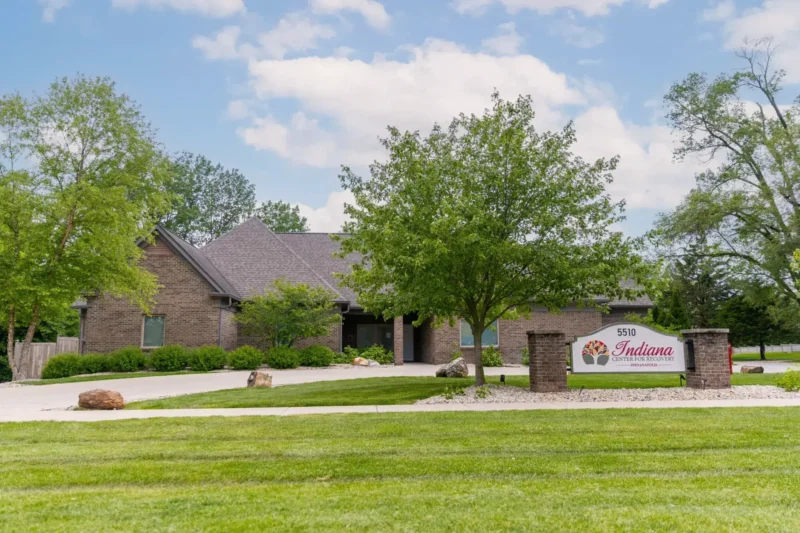
Indiana Center for Recovery 3 photos

Comparison facts and sources
Small-capacity Indianapolis campus within a ten-location Indiana network, offering detoxification, inpatient/residential and outpatient dual-diagnosis care. · 5510 South Emerson Avenue, Indianapolis, Indiana 46237
- Published fee information
- Quote required
- Before admission
- This profile is campus-specific. Services or amenities from the provider’s other Indiana locations should not be assigned to Indianapolis without Indianapolis evidence.
- Continuing care
- Family and alumni support, discharge planning and step-down outpatient care are described across the provider’s continuum; the individual plan is assessment-based.
Source record · October 14, 2026
Provider-published information checked October 14, 2026. Confirm Indianapolis program availability, clinical recommendation and payer authorization directly with Indiana Center for Recovery.
Luxury rehab comparison · Fees and inclusions · Selection methodology
This profile covers Indiana Center for Recovery’s Indianapolis location at 5510 South Emerson Avenue. The provider operates ten Indiana locations, so services and amenities from other campuses should not be assumed to be available in Indianapolis.
The current Indianapolis page describes an intimate, small-capacity program treating substance-use and mental-health concerns. It lists medical detoxification, inpatient and residential rehabilitation, psychiatric support, medication-assisted treatment and flexible outpatient care, including IOP, with individual level-of-care decisions made after assessment.
The mapped Indianapolis campus is at 5510 S Emerson Ave, Indianapolis, IN 46237. The provider’s locations directory specifically assigns detox, inpatient and outpatient programs with dual-diagnosis care to this campus; other network locations have different program mixes.
Indiana Center for Recovery offers confidential insurance verification and states that coverage can offset treatment costs. No universal self-pay program price is published for the Indianapolis campus, so benefits and estimated responsibility require individual confirmation.
What the Indianapolis campus itself describes
The Indianapolis location page describes a small, homelike setting at 5510 South Emerson Avenue with medical detox, substance-use treatment and mental health support. It lists individual clinical approaches alongside art, music, fitness, nutrition and outdoor activities. Those descriptions give a starting point for discussing a plan; they do not establish that every listed service is appropriate for every patient.
The provider identifies its Indianapolis operating entity and publishes location-specific licensing information, including a subacute-stabilization category. Ask which licensed service would actually receive the patient and what medical or psychiatric needs it can manage. A description of psychiatric support does not make every placement equivalent to a hospital psychiatric admission.
Practical details include transportation, meals, laundry and housekeeping. Confirm which arrangements apply to the proposed stay, the current room-sharing policy and any accessibility or dietary requirements. Photographs of a bedroom or bathroom do not by themselves establish exclusive occupancy. Admission planning should identify the receiving program, clinical review and agreed arrival arrangements rather than rely on a general promise of immediate availability.
Why the network directory matters for this profile
The current location directory lists ten Indiana sites with different service mixes. Indianapolis is listed for detox, inpatient and outpatient care with dual-diagnosis support. Several other locations focus on outpatient care and describe transport or access to more intensive services elsewhere. A shared organizational name therefore does not tell you where a particular stage of treatment happens.
The directory places adolescent detox and residential programs within its Mishawaka/South Bend description. It also describes amenities and specialist options at other sites that should not automatically be assigned to Indianapolis. If a young person or someone needing a specialized intervention is referred to the network, confirm the exact receiving campus and age criteria.
Ask for a written itinerary when a plan involves more than one location: initial assessment, any overnight stay, transportation and later appointments. Clarify who remains responsible for prescriptions and clinical communication during a transfer. The nearest office might be a convenient outpatient location, while a residential admission requires different arrangements. Confirm acceptance at each receiving program before assuming a proposed transition has been secured.
Choosing the right degree of clinical support
The network’s program overview distinguishes medical detox, higher-acuity psychiatric stabilization, non-hospital residential care and several outpatient levels. It also describes specialized groups, including adolescents and veterans. These categories help frame an assessment; they should not be read as a list of interchangeable services at the Indianapolis address.
Discuss the main reason for seeking help, current symptoms, previous treatment and the support available between appointments. Ask whether the proposed program is addressing substance use, mental health or both, and why the degree of supervision fits. A person in an immediate psychiatric or medical emergency should use urgent local care rather than wait for an ordinary rehabilitation inquiry.
The overview presents a range of treatment tracks rather than a mandatory sequence. Not everyone needs to start with detox, and not every outpatient referral requires an earlier residential stay. If a specialist track is suggested, request its location, admission criteria, clinical schedule and any authorization needed. That is particularly important for a VA-funded referral or adolescent placement, where program eligibility and payment cannot be assumed from a general network description.
Medical detox needs an individual plan
The detox service page describes doctors managing physical symptoms and therapists helping with the emotional difficulties that can accompany withdrawal. It emphasizes a plan that can be adjusted as the person’s condition changes. Its reassuring language should lead to a clinical discussion of the actual risks, monitoring and support needed.
Before admission, explain recent substance use, previous withdrawal complications, prescriptions and other medical conditions. Ask which professionals will assess the patient, how monitoring works and what happens if a higher level of medical care becomes necessary. Do not alter prescribed medication or try to follow another person’s withdrawal timetable to meet an assumed admission requirement.
The next stage should be discussed while detox is being planned. Ask how the team will decide whether residential treatment, outpatient care or another referral is appropriate, and who coordinates the handoff. Existing medication treatment for opioid-use disorder needs a clear continuity plan. The provider offers insurance checks, but a possible low personal cost is not a guarantee of coverage for either detox or the services recommended afterward.
Residential therapy and the actual weekly timetable
The residential treatment overview describes structured days that combine clinical care, therapy and time for rest. Its published approaches include cognitive behavioral therapy, dialectical behavior therapy, acceptance and commitment therapy, motivational interviewing and work on relapse prevention. It also discusses complementary activities and specialist interventions across the network.
Ask the Indianapolis team to identify the services actually proposed for the patient. A long network therapy list does not establish the frequency of individual appointments, the availability of a particular specialist or the inclusion of each activity in a quoted price. The purpose of each treatment should be understandable without relying on acronyms.
Discuss the balance between groups, private sessions, medical review and independent time. Explain previous experiences that made therapy helpful or difficult, along with communication, mobility or sensory needs. If the plan changes, ask how the patient participates in that decision. Rest and recreation can be part of a workable daily routine, but they should be distinguished from formal clinical appointments when comparing the amount and type of care provided during residence.
Outpatient hours require a campus-specific schedule
The outpatient page describes PHP, IOP, standard outpatient care and medication management with different attendance requirements. It presents PHP as intensive daytime support and describes IOP schedules with several sessions each week. Its summaries use ranges as well as weekly-hour examples, so obtain the actual Indianapolis timetable before arranging work or transportation.
Ask which appointments are individual, group-based or medical, whether any can be remote and which require attendance in person. The page describes morning, evening and virtual options across the service; that does not promise every option for every campus or clinical situation.
Housing also requires a separate decision. The provider discusses sober-living possibilities when home is unsuitable, but the operator, address, acceptance and cost should be confirmed individually. Outpatient programming does not itself provide overnight nursing or continuous supervision. Clarify who will review medication, what happens if symptoms increase, and how progress determines a change in intensity. A convenient schedule is useful only if the person can participate safely and receives the level of support the assessment recommends.
Mental health treatment and specialist options
The mental health overview separates hospital-level support, residential treatment, adolescent programs and outpatient services. It describes psychotherapy, medication-related care and specialist options across the organization. This is broader than the Indianapolis profile and should be used to ask which service fits, rather than assume that every intervention occurs on the local campus.
When mental health is the main concern, ask whether the proposed placement accepts that presentation without a substance-use diagnosis and who will provide psychiatric assessment. Describe existing medication, previous hospital care and any symptoms that could require closer supervision. Confirm how the team communicates with current clinicians and handles urgent deterioration.
The network advertises interventions such as TMS, esketamine-related care and genetic testing. A listing does not establish eligibility, local delivery or inclusion in the standard program. Ask where an intervention would take place, who assesses suitability, what alternatives are available and what charges apply. A personalized plan should connect each recommendation to the person’s needs; neither novelty nor the number of advertised options is an individual outcome guarantee.
Discussing the role of genetic testing
The provider’s GeneSight information describes a report that a clinician reviews alongside medication history. It discusses color-coded categories and possible considerations for prescribing, while also stating that the report does not force one right medication choice. That qualification matters when comparing the testing service with broader marketing claims about finding the ideal prescription.
Ask what information the test is expected to add in this particular case, who will interpret it and how it relates to symptoms, previous benefits or side effects, other medicines and medical conditions. A color category should not prompt a patient to start, stop or change a prescription independently.
Testing also has practical implications. Clarify whether it is recommended or optional, whether an existing result can be used, which organization receives the sample and how the report is shared with later prescribers. Ask about insurance authorization and separate charges before agreeing. The useful decision is whether the clinician has explained a clear role for testing within the broader assessment, rather than treating it as a replacement for clinical judgment or ongoing review.
Family updates, therapy and the two-day weekend
The family program distinguishes clinical updates, family therapy, a two-day Family Weekend and liaison support. It describes a therapist call within 48 hours of assignment, later weekly updates and communication during transitions. For an adult patient, the provider explicitly conditions those updates on a signed release of information.
The family liaison’s role is separate: the page describes contact within 24 hours of admission and continuing support for relatives. Ask how those roles operate for the Indianapolis placement, who to contact with a concern and what can be shared. A liaison conversation should not be counted as an individual therapy appointment for the patient.
Family sessions are described as arranged when needed, while the weekend combines education, discussion and preparation for life after discharge. Obtain current dates, location, participation requirements and any charges before making travel plans. If a relationship is unsafe or involvement is unwanted, discuss that during assessment. The aim should be useful, consent-based participation rather than an assumption that every family member needs the same information or that difficult relationships must be resolved during one stay.
Alumni support after leaving treatment
The alumni program says eligibility begins with completing intake, regardless of the type or length of care received. It describes outreach by call or text, help finding local resources, a private online community and events. The current page lists an alumni virtual meeting on Mondays at 8 p.m. Eastern; confirm the current joining details before relying on that schedule.
The program can connect people with recovery groups, therapists, psychiatric services or sober housing. Those are referral functions, so a discharge plan should identify which appointments and placements have actually been accepted. Alumni contact is separate from continuing clinical treatment and does not establish unlimited prescribing or emergency monitoring.
Ask how someone returning outside Indianapolis can remain involved and reconnect after a period away. Choose activities that fit the person’s needs and preferences rather than treating every event as a required stage. Before leaving, make sure medication access, the next treatment appointment and practical support at home are clear. Ongoing community contact is most useful when it accompanies a workable plan for the clinical and everyday needs that continue after discharge.
Official Indianapolis and network pages reviewed October 19, 2026. Campus-specific claims are distinguished from broader network services. Published professional and licensing descriptions are provider statements, not an independent credential certification. Confirm the receiving service, eligibility, schedule, housing, coverage and individual costs directly.
Official sources checked October 10, 2026: Indianapolis campus page, network locations and campus-specific services, outpatient levels and schedules, and provider overview and insurance verification.