Icarus Behavioral Health

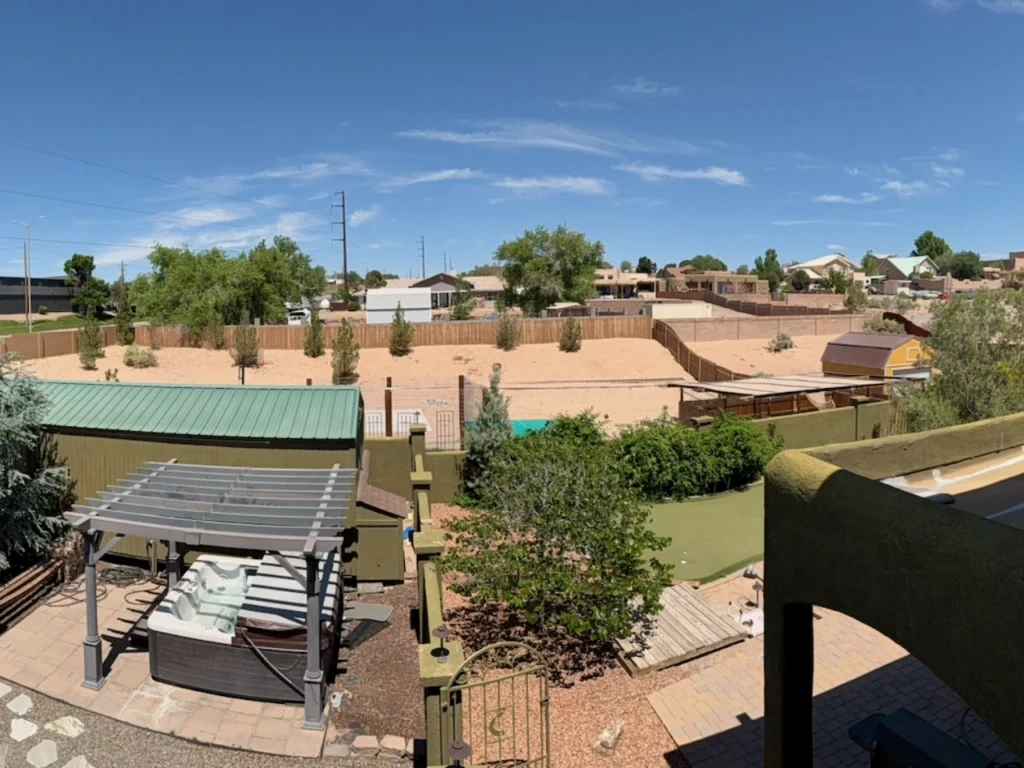
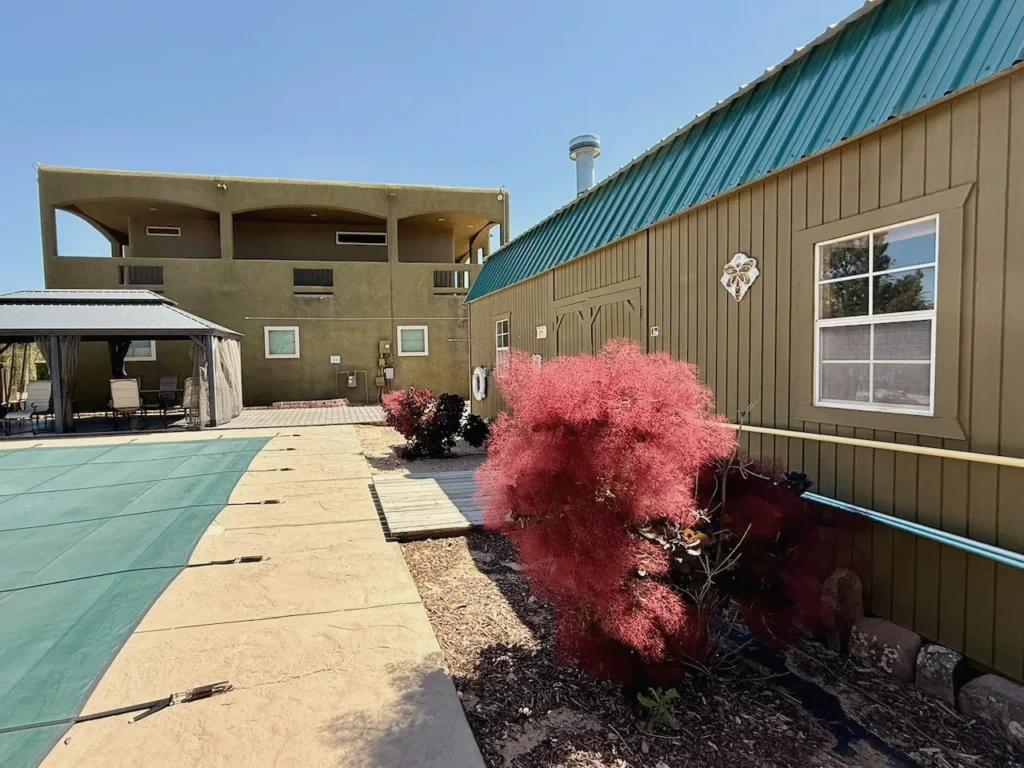
Icarus Behavioral Health 3 photos

Comparison facts and sources
Adult Albuquerque treatment center providing onsite detox, residential/inpatient care, PHP, IOP and standard outpatient treatment. · 8601 Golf Course Road NW, Albuquerque, New Mexico 87114, United States.
- Published fee information
- Quote required
- Before admission
- Admission eligibility, medical necessity, plan-specific network status, authorization, exact stay length, taxes and final patient responsibility require individual confirmation.
- Continuing care
- Case-manager aftercare planning and relapse prevention for each client, alumni events/check-ins and referrals to independent sober-living homes across New Mexico.
Source record · October 17, 2026
Scoped current official-source program, duration, aftercare, payer and fee review on October 17, 2026; not all profile fields independently verified..
Luxury rehab comparison · Fees and inclusions · Selection methodology
Icarus Behavioral Health operates a treatment center at 8601 Golf Course Road NW in Albuquerque, New Mexico. The provider offers care for substance use disorders, mental health conditions and co-occurring diagnoses.
Its official site lists detoxification, residential treatment, partial hospitalization, intensive outpatient and outpatient services, along with mental health and dual-diagnosis programs. The appropriate level and duration of care are individualized after assessment; continuing care can include outpatient and alumni support.
Icarus publishes (505) 305-0902 and contact@icarusbh.com for its Albuquerque campus. It accepts New Mexico Medicaid/Turquoise Care and commercial insurance, while its current insurance guidance says Medicare is not accepted; benefits and out-of-pocket costs still require verification.
An adult program that includes mental health treatment without addiction
The current description of Icarus identifies an adult service in Albuquerque and explicitly accepts people seeking mental health treatment without a substance use disorder. It lists depressive, anxiety, personality, and trauma disorders among the concerns addressed. That distinction matters for someone researching the center because of psychiatric symptoms rather than alcohol or drug use.
Ask for an assessment of the main treatment need and the program appropriate to it. A mental health admission should have goals, appointments, and discharge arrangements suited to that concern, rather than assume participation in an addiction pathway. If both issues are present, explain previous diagnoses and treatment so the team can consider them together. The provider lists residential, partial hospitalization, intensive outpatient, and standard outpatient options for mental-health-only clients. The existence of those options does not establish that every symptom severity or medical condition can be managed in every setting. Establish the proposed service before committing to travel or a stay.
Residential and inpatient describe the same Icarus service
Icarus’s Albuquerque inpatient page explicitly says that residential treatment and inpatient rehab refer to the same live-in program. They should not be counted as two different levels of care when comparing the center with another provider. PHP, IOP, and standard outpatient treatment are separately identified programs.
This terminology also does not establish that the residence has every capability of an acute psychiatric or general medical hospital. Ask what nursing, medical, and psychiatric support is available during the proposed admission, including overnight, and which needs require another service. Discuss room arrangements, the daily therapeutic schedule, and how progress is reviewed. The current dedicated page does not establish one compulsory length of stay for all adults. A useful plan explains why residential support is appropriate, what the initial objectives are, and how the next step will be chosen. Leaving the residential setting may still involve ongoing clinical care rather than completion of all treatment needs.
Detox is available onsite but starts with an assessment
The dedicated detox page confirms onsite withdrawal management for adults in Albuquerque. It describes detox as one part of a broader treatment plan and asks prospective clients to discuss substance use, health history, current prescriptions, and goals. It does not provide a universal withdrawal timetable or establish that everyone entering Icarus needs detox.
Explain previous withdrawal complications and other treatment before agreeing on an arrival plan. The clinical assessment should establish what can be managed at Icarus and whether another medical setting is necessary. Someone already receiving prescribed treatment should discuss continuity with the treating team rather than stop medication to prepare for admission. Withdrawal support and subsequent therapy serve different purposes, so ask how they connect in the proposed plan. The provider specifically warns that alcohol withdrawal can be dangerous and potentially life-threatening. Do not wait for an admissions response when there is immediate danger; emergency care takes priority over selecting a residential program.
Care after psychiatric stabilization needs a clear handover
The adult mental health page says Icarus can accept people who have stabilized following an acute psychiatric crisis. This is an important qualification. It supports asking about a planned transition after stabilization, without assuming that the center is the receiving service for every active psychiatric emergency.
For a hospital discharge, ask the current treating team and Icarus to clarify the proposed level of care, current risks, prescriptions, and follow-up responsibilities. Confirm acceptance before leaving one setting for another. The practical plan should identify who responds if symptoms worsen between appointments and what support is available outside scheduled treatment. A diagnosis alone does not determine which program is suitable. Current symptoms, daily functioning, support at home, and medical needs belong in the assessment. The provider directs people in immediate danger to 911 and identifies 988 for suicidal thoughts or an emotional crisis. Those resources should remain accessible during planning; a routine inquiry form is not emergency support.
PHP should be compared using the actual attendance requirements
Icarus’s partial hospitalization page describes an adult Albuquerque program for mental health concerns, substance use, or both. It explicitly distinguishes PHP from IOP and the residential service. Mental-health-only clients can be considered, including people who have stabilized after an acute psychiatric crisis when PHP is appropriate.
The current page directs applicants to admissions for schedules and program components instead of establishing a single published weekly timetable. Obtain the actual days, hours, individual appointment arrangements, and attendance expectations. These details determine whether transport, work, caregiving, and the environment outside treatment are compatible with the plan. Ask how psychiatric or medication appointments fit into the schedule and which support is available between sessions. If residential care is also being considered, compare what each setting supplies overnight as well as during the day. The word hospitalization in PHP should not by itself be interpreted as an included overnight bed or continuous hospital observation.
Standard outpatient care is separately identified from IOP
The Albuquerque outpatient page specifically describes standard outpatient treatment. It is not simply a general label for all nonresidential services: Icarus separately lists IOP and PHP. The page also confirms that standard outpatient treatment can serve adults with mental health conditions without a substance use disorder.
When requesting an appointment, name the service being considered and explain whether this is a new assessment, a step down from more intensive care, or continuation after treatment elsewhere. Ask about the current frequency of therapy, access to medication-related care, and how changes in need lead to reassessment. Discuss work or school commitments alongside the clinical recommendation rather than choose intensity solely for convenience. Someone moving between Icarus programs should understand whether the clinician, schedule, or authorization changes. A person arriving from another provider needs a handover of relevant information with consent. The useful comparison is the actual support delivered and available between visits, not the outpatient label alone.
The therapeutic plan should identify actual activities and clinical goals
The Albuquerque center overview describes assessment, individual and group work, family therapy, and skills-based approaches. It also mentions creative and experiential activities, including art, music, mindfulness, and outdoor experiences. These descriptions provide topics for a program discussion; they are not a guarantee that every activity occurs in every person’s schedule.
Ask which interventions address the specific concerns identified at assessment and how individual appointments differ from group participation. The plan should explain the purpose of an activity and how progress is reviewed, rather than treat a long therapy menu as evidence that all approaches are necessary. Discuss physical limitations, sensory needs, and comfort with group or outdoor activities so participation can be planned appropriately. Ask about alternatives when an activity does not fit. The overview’s broad claims about recovery should not be interpreted as an individual outcome prediction. A more useful measure of fit is whether the team can explain the proposed care, its limitations, and the next steps if needs change.
Family participation and family accommodation are different questions
Icarus’s family program discussion covers communication, education, joint therapeutic work, and planning after treatment. It recognizes that important supporters may include people beyond immediate relatives. The article also discusses parent-and-child residential programs in general; that discussion does not establish that children can stay at Icarus or that onsite childcare is included.
Agree who the patient wants involved, what information can be shared, and the purpose of each session. Practical goals may include communication about warning signs, household boundaries, transport, or support after discharge. Relatives may need their own education or counseling independently of the patient’s appointments. Joint sessions should consider safety and consent rather than assume reconciliation is always the goal. For supporters who live elsewhere, ask whether remote participation is available and how it is arranged. Parents should establish childcare and contact plans before admission. Family involvement can support a treatment plan, but it should not be confused with an automatic right to attend every appointment or review confidential records.
Case managers coordinate planning beyond the initial program
The aftercare page says every client receives aftercare planning and relapse-prevention support through Icarus case managers. It specifically identifies follow-up care, prescriptions, transportation, housing, employment, education, and relationships as planning topics. Alumni events and check-ins are described separately for clients who have successfully completed their programs.
Use that planning process to establish concrete appointments and responsibilities before a transition. Identify the receiving clinician, the next contact date, medication arrangements, and any referrals that remain unconfirmed. If employment or housing concerns affect attendance, raise them while there is time to coordinate support. A referral should have a named next step rather than remain only a list of organizations. Ask how the plan can be reviewed if circumstances change. Alumni connections may help someone stay connected with peers and the organization, but events or check-ins are not the same service as prescribed therapy or psychiatric follow-up. Keep those clinical appointments visible in the discharge plan.
Sober living is a referral pathway with separate housing terms
The New Mexico sober-living resource states that Icarus maintains referral relationships with homes across the state. This is different from saying that a residential treatment fee includes a recovery home or that every referred property is operated by Icarus. The resource directs people to discuss housing fees and requirements with the housing provider.
For a proposed placement, obtain the operator, address, room arrangements, deposits, recurring charges, medication policies, house rules, and transport options. Establish what supervision actually means and what happens when a resident needs medical or psychiatric help. A treatment schedule and a housing agreement should be workable together. If a property claims certification, ask which organization issued it and how its status can be checked. Consider whether the home supports the person’s treatment and accessibility needs rather than assume every recovery residence is interchangeable. Someone returning to their own home may need a different practical plan while continuing outpatient care.
Insurance review should identify the program and expected personal cost
The insurance-verification page states that Icarus accepts New Mexico Medicaid, including Turquoise Care, and commercial insurance, while excluding Medicare. It offers help reviewing network details, authorization requirements, and potential costs. A broad acceptance statement still does not establish coverage for every program under an individual policy.
Ask for the review to identify the proposed level of care, billing provider, anticipated duration, and any authorization conditions. Clarify personal charges, services outside the estimate, and what changes if the clinical recommendation changes. If a plan includes a separate recovery home, obtain its housing charges independently; treatment benefits should not be assumed to pay those costs. The reviewed page does not publish one universal bundled cash price. Written individual information gives a more useful comparison than an insurance logo or a promise to verify benefits. Keep the insurer’s confirmation and the provider’s estimate distinct, and ask how ongoing coverage is reviewed during a transition between levels.
Official Icarus information reviewed October 19, 2026. Current schedules, admission suitability, care-team arrangements, housing referrals, and individual costs require confirmation for the specific program.
Sources
Sources checked October 17, 2026.