Hope Valley Recovery


Hope Valley Recovery 3 photos
Comparison facts and sources
Ohio phased continuum beginning with medical detox and progressing through residential, PHP, IOP, outpatient care and transitional housing when clinically appropriate. · 2065 Stoneridge Drive, Circleville, Ohio 43113
- Published fee information
- Quote required
- Before admission
- Published durations are phase-specific maximum guidance, not a guaranteed length of stay. Confirm admission criteria, clinical placement, payer authorization and self-pay responsibility.
- Continuing care
- Step-down outpatient care and transitional housing can extend support after detox and residential treatment; the individual pathway depends on assessment and progress.
Source record · October 14, 2026
Provider-published information checked October 14, 2026. Confirm age criteria, clinical placement, phase availability, insurance authorization and personal cost directly with Hope Valley Recovery.
Luxury rehab comparison · Fees and inclusions · Selection methodology
Hope Valley Recovery is an addiction and co-occurring-disorders treatment provider in Circleville, Ohio, near Columbus. Its official site describes a four-phase continuum beginning with medically supervised detox and continuing through residential or partial-hospitalization care, intensive outpatient treatment with off-site transitional living, and community-based aftercare.
The provider describes round-the-clock medical supervision during detox, then individual, group and family counseling, case management, peer support, psychoeducation, mental-health therapy when needed and medication management. Program placement and duration depend on clinical assessment; published phase descriptions are not guarantees of a particular stay.
Understanding Hope Valley’s phased approach
The Hope Valley Recovery overview organizes its service around four named stages: Revive for detox, Renew for residential or partial-hospitalization care, Rebuild for IOP with transitional living, and Reintegrate for aftercare. The emphasis extends beyond substance use to education, employment, life skills and community support. These stages describe the provider’s intended continuum, rather than a requirement that every person complete the same sequence.
For someone considering the Circleville program, ask where the assessment places them within that model and what must happen before moving to another stage. The later aftercare description includes continued contact with a primary therapist and support with practical goals, but the frequency and length of that support need to be agreed individually. A useful plan identifies the clinical service, living arrangement and responsibilities at each stage. It should also explain what happens if the person chooses another provider for continuing care or needs a different intensity of support from the one initially proposed.
Medical supervision during detox
Hope Valley’s detox program page lists 24-hour nursing, daily physician visits, medication support, counseling, case management and peer support. It also publishes a seven-to-10-day detox example. That period should be understood as the provider’s general description, not a prediction for an individual or instructions for reducing medication or substance use without medical assessment.
Ask the clinical team how it evaluates the person’s current substances, prescriptions, physical health and mental-health needs. The proposed plan should identify what monitoring is available and when another medical setting would be more appropriate. Counseling and recovery planning are listed alongside medical care, but the person’s ability to take part may change during withdrawal. Discuss how that participation is adjusted and how the next stage is arranged. Hope Valley’s advertised activities and room amenities provide context for the environment; they do not establish the appropriate clinical level of care or remove the need for an individualized withdrawal-management plan.
Renew and the move into structured treatment
The provider’s services description places Renew after the initial detox stage. It describes a clinically monitored setting with individual and gender-specific group counseling, family work when appropriate, medication management, peer support and case management. Its arrival narrative mentions semi-private rooms and a move into a supportive housing wing as treatment progresses. Readers should confirm the actual room and program arrangement offered at admission.
Residential care and PHP are grouped within the provider’s Renew stage, but those terms should still be clarified in the personal plan. Ask whether the accepted service includes living on-site, what the clinical timetable involves and who coordinates mental-health therapy when it is needed. The provider describes meetings with a primary therapist, case manager and peer supporter; establish the role of each person and how treatment goals are reviewed. A phased label is most useful when it is translated into an understandable schedule, living arrangement and set of goals for the individual receiving care.
The treatment environment and accommodation
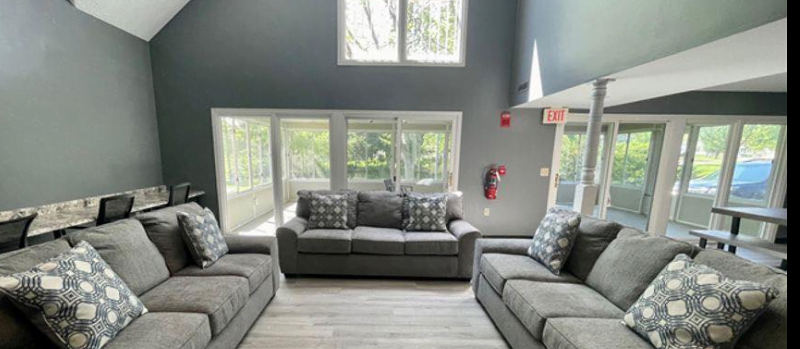
Hope Valley’s facility-tour page describes comfortable beds, televisions in client rooms, meals, common areas and dedicated spaces for counseling, activities and education. It refers to both on-site and off-site housing and mentions outdoor smoking patios. These details describe the provider’s environment; the tour does not establish that every client receives a private bedroom, an identical room or access to every pictured space.
Ask which building and accommodation are linked to the particular phase being offered. Discuss room sharing, bathroom arrangements, accessibility needs and any restrictions that affect daily routines. A person moving from initial treatment to off-site housing should understand what changes in staffing, transport and responsibility for everyday tasks. If a particular accommodation feature is necessary, request confirmation before travel rather than relying on a photograph. The relevant comparison is the actual room and support arrangement offered with the clinical plan, including how any change of setting will be explained and agreed.
How published durations should be read
The detox and continuing-services page gives different maximum examples for later care: up to 45 days for residential treatment or PHP, up to 120 days for IOP, up to 180 days for outpatient treatment and up to 10 months for transitional housing. It also says that a person may choose detox alone, while the provider encourages continuing treatment. Those are different services with different purposes, not one guaranteed length of stay.
Ask for the initial recommendation, the clinical review points and any insurance authorization periods separately. Maximum published durations should not be added together to calculate a promised overall program. Nor should a housing period be treated as the number of months of intensive clinical therapy. If the proposed plan changes, clarify what that means for appointments, accommodation and financial responsibility. A person choosing to continue elsewhere should discuss the handover and follow-up arrangements with the treating team so that the next step is clear before leaving the current phase.
Transitional living and practical support
Hope Valley’s published transitional-living guide describes a model combining housing with outpatient counseling, case management, peer support and practical assistance. Its own program section names educational help, trade-school or GED support, employment preparation and transportation assistance for work. The guide distinguishes that structured model from a residence that primarily provides a sober living environment.
Before accepting a place, establish the actual housing address, the clinical program attended and the rules for work, travel and community participation. Ask which support is delivered directly and which involves referral to another organization. Employment assistance is not a job guarantee, and help with education does not confirm admission to a course or payment of tuition. Also request the accommodation terms, any charges and the process for moving on. The practical value of transitional living depends on how the residence and clinical service fit the person’s circumstances, including the stability of their alternative housing and the support available when the placement ends.
Education, work and everyday skills
The provider’s account of its treatment model emphasizes barriers that can make recovery difficult, including unemployment, limited educational opportunities and a lack of stable living arrangements. It describes life-skills education, job-related support, exercise, meditation, yoga and a resource center with computers and internet access. These elements complement the clinical program and should be discussed in terms of the person’s actual priorities.
Ask the case manager which practical goals can realistically be addressed during the expected phase of care. Someone returning to work may need a different plan from someone applying for training or rebuilding a daily routine. Clarify who helps with applications, what resources are available and whether outside appointments can be coordinated with treatment. Participation in an activity should also reflect health needs and clinical suitability. The provider’s broad commitment to opportunity does not establish that every service is available every day or that every personal barrier can be resolved within one episode of treatment.
IOP with housing, in the community or remotely
Hope Valley’s program comparison describes three IOP arrangements: its Rebuild phase with off-site transitional housing, community-based IOP for people who do not need that housing, and telehealth IOP. The community and remote descriptions include recurring groups, with counseling and peer support alongside other individually planned services. This is an important distinction for someone whose home situation and responsibilities differ from those of a residential patient.
Ask which IOP route is currently available and clinically appropriate, the exact group schedule and the location of any individual or medical appointments. If considering remote treatment, confirm whether all required services can be delivered that way and what in-person contact may still be needed. If housing is included, separate the residence rules from the clinical attendance requirements. The provider describes community-based peer support, but the frequency, travel area and scope should be agreed in the individual plan. An IOP label alone does not establish that these three arrangements are interchangeable or funded on identical terms.
Eligibility, visits and preparing for admission
Hope Valley’s FAQ describes voluntary admission for adults 18 and older who meet its criteria. It says that clients in Phase 1 cannot receive visitors or make calls, while weekend visits become possible in Phase 2. It also lists personal electronics among restricted belongings and asks clients to bring a limited supply of clothing and prescription medicines in their correct containers. Confirm the current instructions for the accepted program before packing.
These rules matter when planning family responsibilities and communication during the initial stay. Ask how relatives can receive appropriate updates, how consent is handled and what arrangements are possible for essential practical matters. The FAQ also says admissions depend on bed availability, despite a goal of rapid entry. Discuss any accessibility, dietary or medical needs before traveling. Do not change or discard prescribed medicines based on a packing list; ask the admissions and medical teams how the current prescriptions will be reviewed and brought safely into treatment.
Assessment and arrival planning
The admissions information describes a phone assessment to consider medical detox, inpatient treatment, PHP or IOP. It says the team can help with arrival arrangements and transportation. The service is based in Circleville, even though several of its program pages describe the wider Columbus area. Confirm the receiving address and program before making travel plans or arranging a referral.
Use the initial conversation to explain current treatment, medication, recent substance use and the main concerns the assessment needs to address. Ask what further clinical information is required before an admission decision and whether another provider should send records. If transportation assistance is needed, clarify the collection area, timing, cost and any health-related requirements rather than assuming every journey is covered. The call should lead to a specific next step: an assessment appointment, an accepted admission or a recommendation for another service. A general inquiry should not be treated as confirmation of an available bed or a particular level of care.
Official Hope Valley Recovery program, FAQ, accommodation and admissions information reviewed October 19, 2026. Published phases and duration examples are distinguished from an individualized treatment and housing agreement. Admission, clinical placement, accommodation and financial terms require confirmation directly with the provider.
Hope Valley lists 2065 Stoneridge Drive, Circleville, OH 43113 and (740) 500-1391. Its current payer list names Buckeye Health Plan, CareSource, Molina Healthcare, UnitedHealthcare Community Plan, Ohio Medicaid and self-pay, with benefits or self-pay terms to be confirmed individually. Sources: official provider overview and payer list, official facility tour, and official contact page. Checked October 10, 2026.