Hope Rehab Thailand
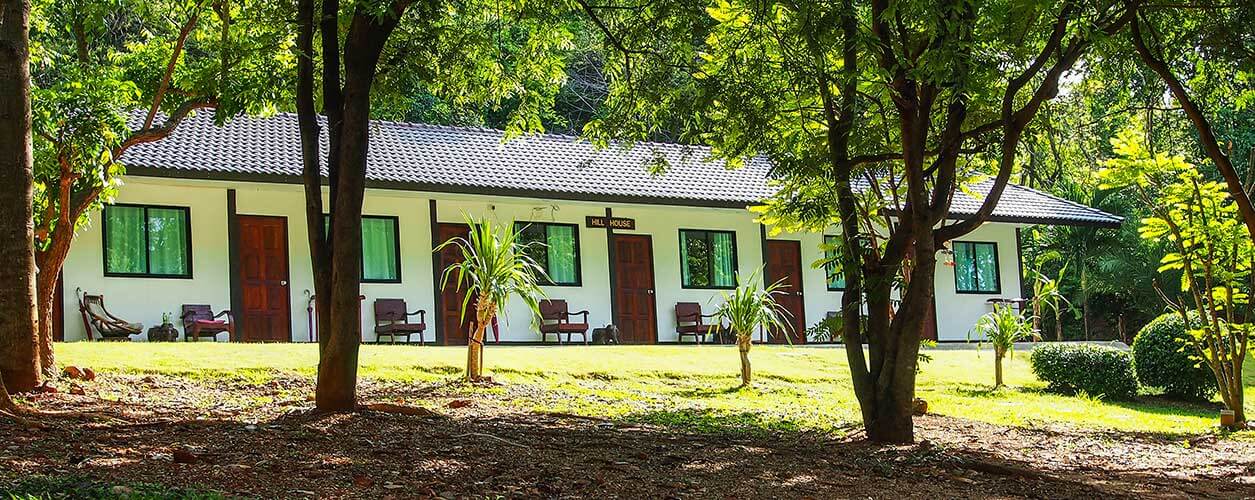
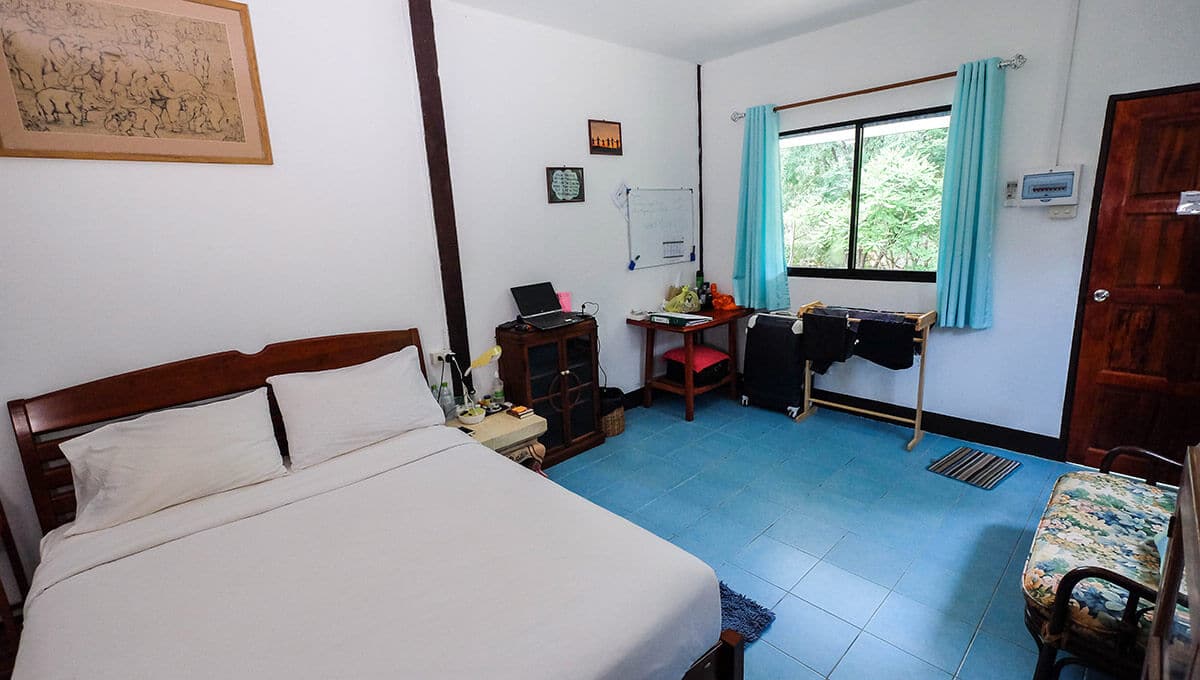
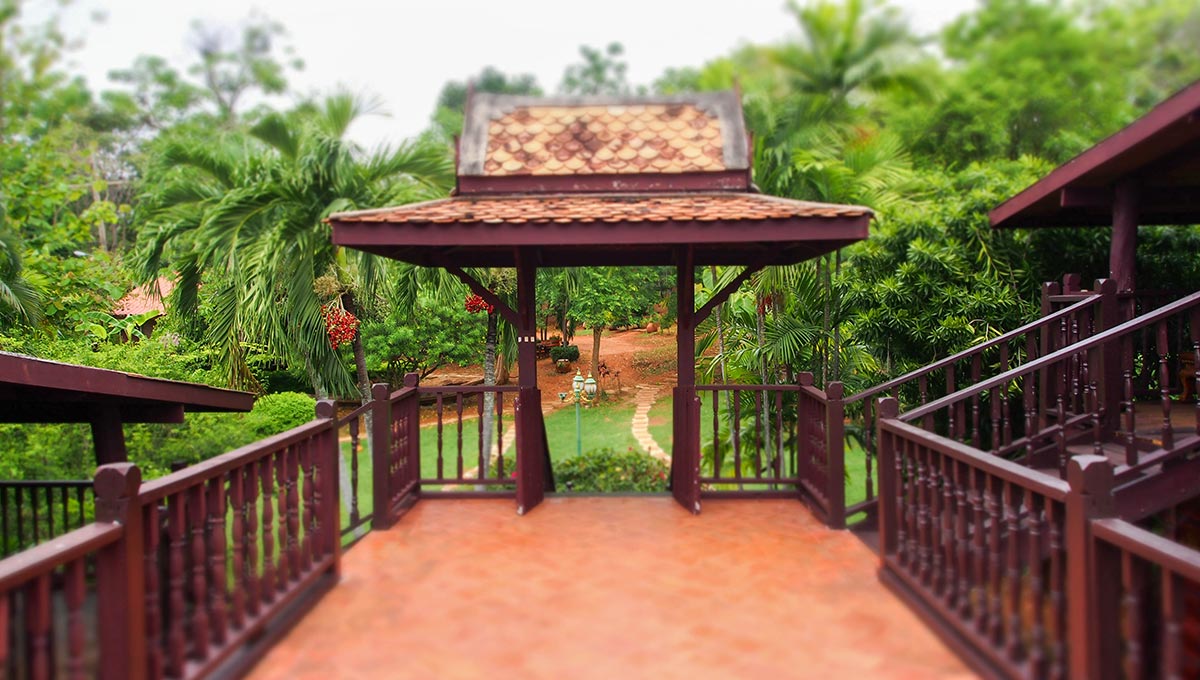
Hope Rehab Thailand 3 photos
Comparison facts and sources
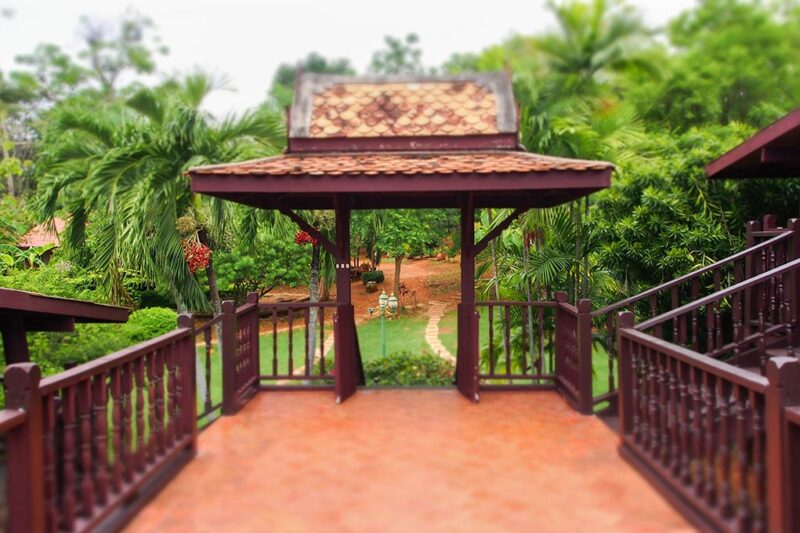
Residential substance-use treatment for international clients with supported detox when appropriate, primary care, advanced treatment and external sober-living pathways. · 45/13 Moo 9, Bang Phra, Sri Racha, Chonburi 20110, Thailand; a 30-bed primary campus with distinct advanced-treatment and longer-term sober-living options.
- Published fee information
- Quote required
- Before admission
- Suitability requires assessment. Confirm complex detox, psychiatric exclusions, exact duration, package price, outside medical costs, travel cover and any separate sober-living fees before admission.
- Continuing care
- Hope publishes an aftercare manual and group membership, recovery-coach contact and help establishing a local recovery network; separate affiliate sober-house options may follow residential care.
Source record · October 15, 2026
Provider-published information checked October 15, 2026. Confirm current program fit, admission criteria, duration, payer arrangements and itemized patient cost directly with admissions.
Luxury rehab comparison · Fees and inclusions · Selection methodology
Hope Rehab Thailand is a licensed 30-bed residential drug and alcohol treatment center in Sri Racha, Chonburi. Its main campus includes detox and primary treatment, with a separate advanced-treatment facility; longer-term third-stage sober living is a distinct option rather than the main residential program.
Treatment and clinical limits
The provider describes CBT, counseling, trauma work, mindfulness, relapse prevention, fitness and 12-step work. It treats substance-use disorders, process addictions and co-occurring concerns such as anxiety, depression and trauma, but says it is not suitable for people needing 24-hour onsite psychiatric monitoring and does not accept serious mental illness, eating disorders, self-harm or autism. Suitability requires an individual assessment.
Detox and duration
Hope states that detox is included in the first month’s treatment fee and is supported with a nearby private hospital; overnight hospital stays are excluded and complex or high-risk detox cases are not accepted. The minimum commitment is 30 days, primary treatment is commonly four to eight weeks, and many clients stay about three months. The accommodation page places some advanced-stage moves around six to eight weeks, while the current timeframe page labels month three as advanced treatment; confirm the proposed sequence with admissions.
Fees and contact
Current rates are supplied after assessment, with discounts advertised for longer packages. Hope does not cover ordinary illness or accident care, so the provider recommends travel health insurance. Contact +66 99 502 1553 or enquiry@hoperehabthailand.com.
The therapeutic-community model at Hope
The provider’s background page identifies Simon Mott and Alon Kumsawad as the founders and describes Hope as a therapeutic community. Its model combines individual counseling, group participation, a Minnesota-model and 12-step influence, and physical activity. The provider reports a thirty-bed licensed facility, with a detox unit, primary treatment and a separate advanced setting.
This helps explain why shared activities and peer contact occupy a substantial place in the program. Hope is not presented as a one-client residence or a series of individual appointments without community participation. Ask how the model will fit your needs, preferences and previous experience with mutual-aid approaches. The provider’s claims about reputation or success are its own marketing statements, rather than independent guarantees. A useful comparison focuses on the actual clinical team, planned sessions and support available for the individual entering care.
Clinical suitability and the published exclusions
The eligibility information describes a general substance-use and addiction-recovery program that also addresses everyday mental health concerns and co-occurring difficulties. It explicitly says Hope is unsuitable for someone needing twenty-four-hour onsite psychiatric monitoring and that it does not treat serious mental illness. The page also lists eating disorders, self-harm and autism among its exclusions.
These stated limits matter more than the broad condition names elsewhere in the site’s navigation. Share the full clinical history during assessment and ask the team to confirm whether the person’s needs fall within its scope. A link to information about a diagnosis should not be treated as proof that every presentation is accepted. If another level of psychiatric or medical care is required, establish the appropriate service before traveling. The purpose of screening is to match the person with suitable care, not make an admission fit at any cost.
Detox support and the nearby hospital relationship
The medical and detox page describes working with a private hospital in Sri Racha about ten minutes away. It says hospital clinicians provide medical services and can visit the rehab when needed. The provider lists nursing support, a local psychiatrist and an onsite psychologist, while emphasizing that complex or high-risk detox cases are not accepted.
Hope states that agreed detox is included in the first month’s fee, but an overnight hospital stay is paid separately. Ask which assessment determines suitability, what monitoring is proposed and which costs could fall outside the package. Do not use the provider’s example medication schedules as personal instructions; withdrawal care must be prescribed for the individual. Existing prescriptions, previous withdrawal complications and other health conditions should be reviewed before admission. The plan should identify both responsibility for immediate medical care and the transition into continuing addiction treatment.
The published stages and how duration is decided
The current timeframe page describes a thirty-day minimum, followed by options for a second month, a ninety-day pathway and longer-term supported living. Its sequence identifies primary treatment in the first month, secondary work in month two and advanced work in month three. It separately identifies third-stage sober living in Chiang Mai, including possible education, volunteering and community activities.
Other Hope pages use different descriptions of when the advanced stage begins. Ask admissions to explain the exact sequence, location and expected duration being offered, rather than assume that every stage label refers to the same setting. A provider’s recommendation for a longer stay is not a personal clinical prescription or a guarantee of outcome. Agree on review points and how progress, preferences, finances and home responsibilities will inform changes. If third-stage living is considered, establish its separate services and arrangements before including it in the plan.
What an individualized quote needs to cover
The payment page supplies current rates through inquiry rather than a fixed public tariff. It says price depends on duration and medical or detox needs, with discounts sometimes available for longer packages. It describes a reservation deposit, payment of the balance after arrival under its stated terms, and possible month-by-month arrangements for longer stays. It also says the center is not currently set up for health-insurance coverage.
Request the actual payment schedule and cancellation or refund terms in writing. Confirm which detox services, medication, accommodation, transport and continuing support are included. General healthcare, travel and insurance can involve separate costs, so an all-inclusive description still needs itemized clarification. If treatment is being funded through another arrangement, verify that approval independently rather than rely on a promotional success rate. Currency conversion and the costs of a longer stay are relevant to the total commitment as well as the advertised monthly rate.
Individual counseling and work between sessions
The counseling description sets out two individual sessions each week with an allocated counselor, alongside daily groups. It also describes a mindfulness-coaching session and support from a sober coach with assignments. The Hope workbook combines cognitive behavioral exercises with 12-step material, and counseling includes treatment planning, discussion of current concerns and review of patterns associated with use.
This gives a more useful picture of individual contact than a general statement that the program is intensive. Ask how the separate roles work together, which professional is responsible for the treatment plan and what support is available when assignments or group topics are difficult. The published schedule should be confirmed for the selected stage of treatment. If there is a need for a particular psychological intervention, establish whether it is recommended and available rather than assume that the full range of counseling needs is covered by the standard timetable.
Fitness is a core component with stated limits
The fitness program describes varied morning activities, including cycling, gym work, yoga, Pilates and Tai Chi, plus opportunities for team sports and other sessions. It presents participation at an appropriate level, with modifications and guidance from fitness staff. The provider explicitly says it cannot guarantee regular individual personal-training sessions comparable with a private gym.
That limit is useful when comparing the program with a residence advertising extensive one-to-one fitness coaching. Discuss mobility, medical restrictions and any previous difficulties with exercise before joining activities. Ask how the fitness team communicates with clinical staff and what alternatives are available. The goal should be a workable component of the treatment plan, not a requirement to meet a sporting standard. The provider’s broad claims about exercise and recovery do not establish that physical activity can replace indicated medical or psychological treatment.
Accommodation changes as treatment progresses
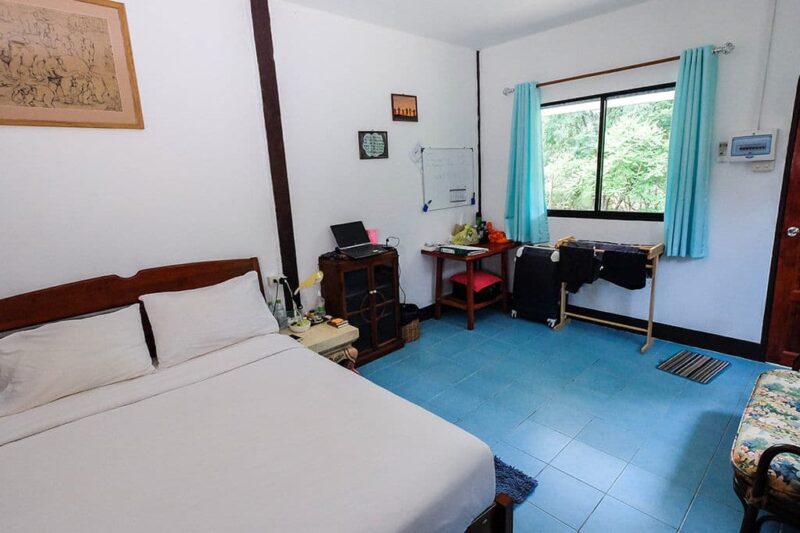
The accommodation page describes private en-suite rooms with air conditioning, Wi-Fi, daily cleaning and laundry. It distinguishes rooms used during detox, standard accommodation and senior or advanced rooms at Hope by the Sea. The provider says room moves form part of the program’s progression and its management of space for incoming clients.
The same page places some transitions around six to eight weeks, while the newer timeframe page describes stages by month. Confirm your likely sequence, the location of each stage and how room changes are discussed. Do not assume that the room shown at booking remains the same throughout an extended stay. Accessibility, personal belongings and any need for consistency in accommodation deserve early discussion. Private sleeping space also does not mean the person receives treatment alone; the broader program remains community-based, with groups and shared daily activities.
Second-stage treatment is a separate planning decision
The second-stage program page describes work after detox and primary treatment, with more opportunity to practice coping skills and manage ordinary activities within a supported environment. It discusses a further period of at least thirty days and greater freedom and choice than the initial phase. The aim presented is practice and consolidation rather than simply repeating the first month’s schedule.
Ask what changes in the actual treatment: counseling frequency, groups, supervision, community access and clinical review. Establish whether this means moving accommodation and whether the offer is distinct from third-stage sober living in another city. A longer booking should have identifiable goals and services, not be justified only by an assumption that more time is always better. Before agreeing to an extension, review how the proposed stage connects with the person’s priorities, current progress and the care they can access after leaving Thailand.
The scope and limits of Hope’s aftercare
The aftercare page describes Sunday online meetings, alumni groups, a recovery workbook and limited continuing contact with the counselor. It refers to brief calls and weekly emails for approximately four weeks, while acknowledging that some informal contact lasts longer. It explicitly states that distant aftercare does not replace a local support network or needed local counseling.
Before discharge, agree on contact details, scheduled appointments and the support that is actually included. Distinguish an alumni group from ongoing individual therapy or urgent psychiatric care. Ask the treating team to help identify the appropriate home-area services and share relevant records with consent. The page also describes planning around housing, work, transport and social circumstances before departure. Those practical arrangements should be concrete enough to use, particularly if the person needs more support than occasional online contact after returning home.
Additional provider information checked October 18, 2026. Hope’s published eligibility limits, program stages and service exclusions should be confirmed during individual assessment.
Sources checked October 10, 2026: official overview and admissions, official facility overview, official eligibility guidance, and official detox guidance.