High Point Treatment Center — Plymouth Campus
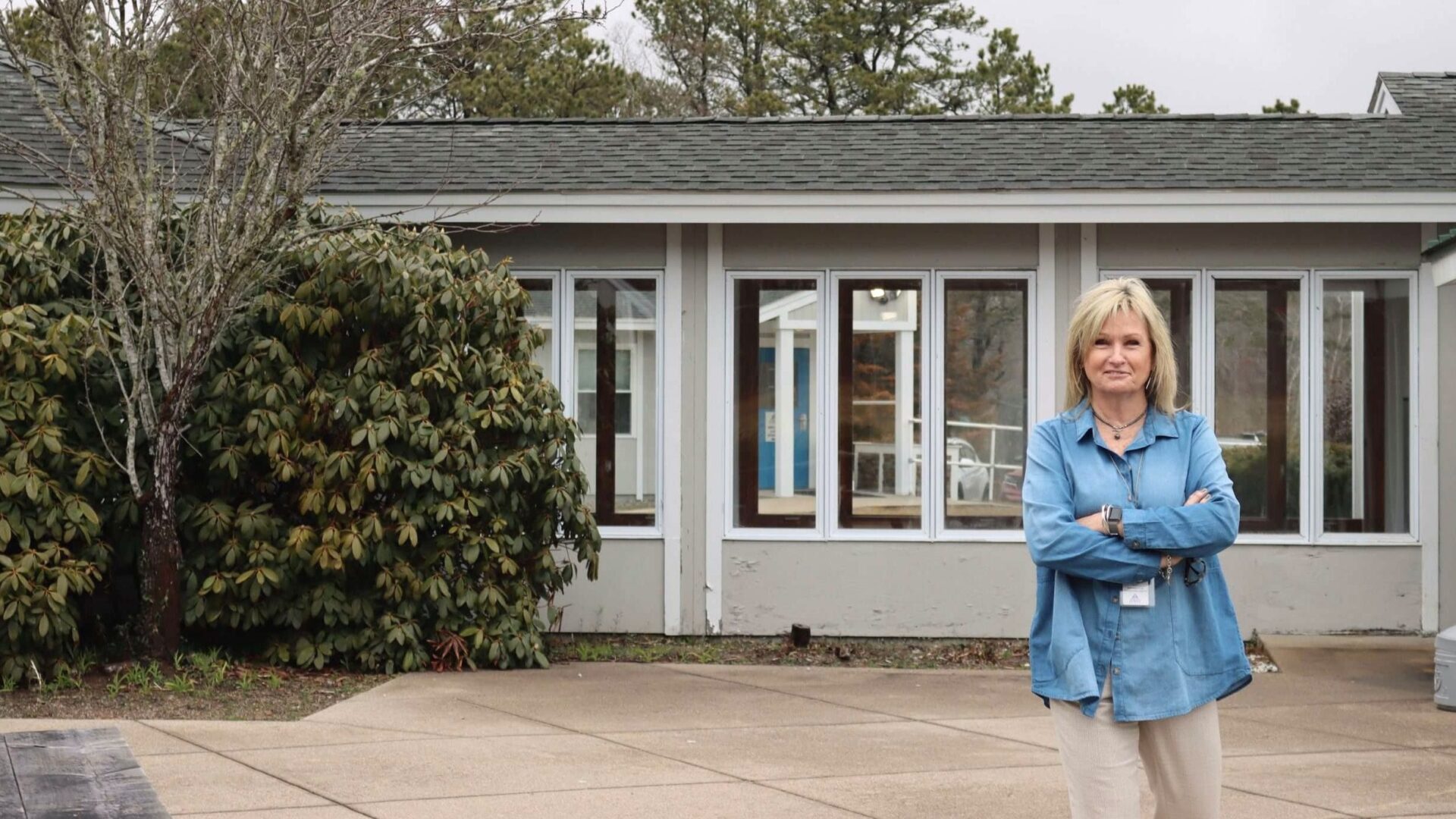

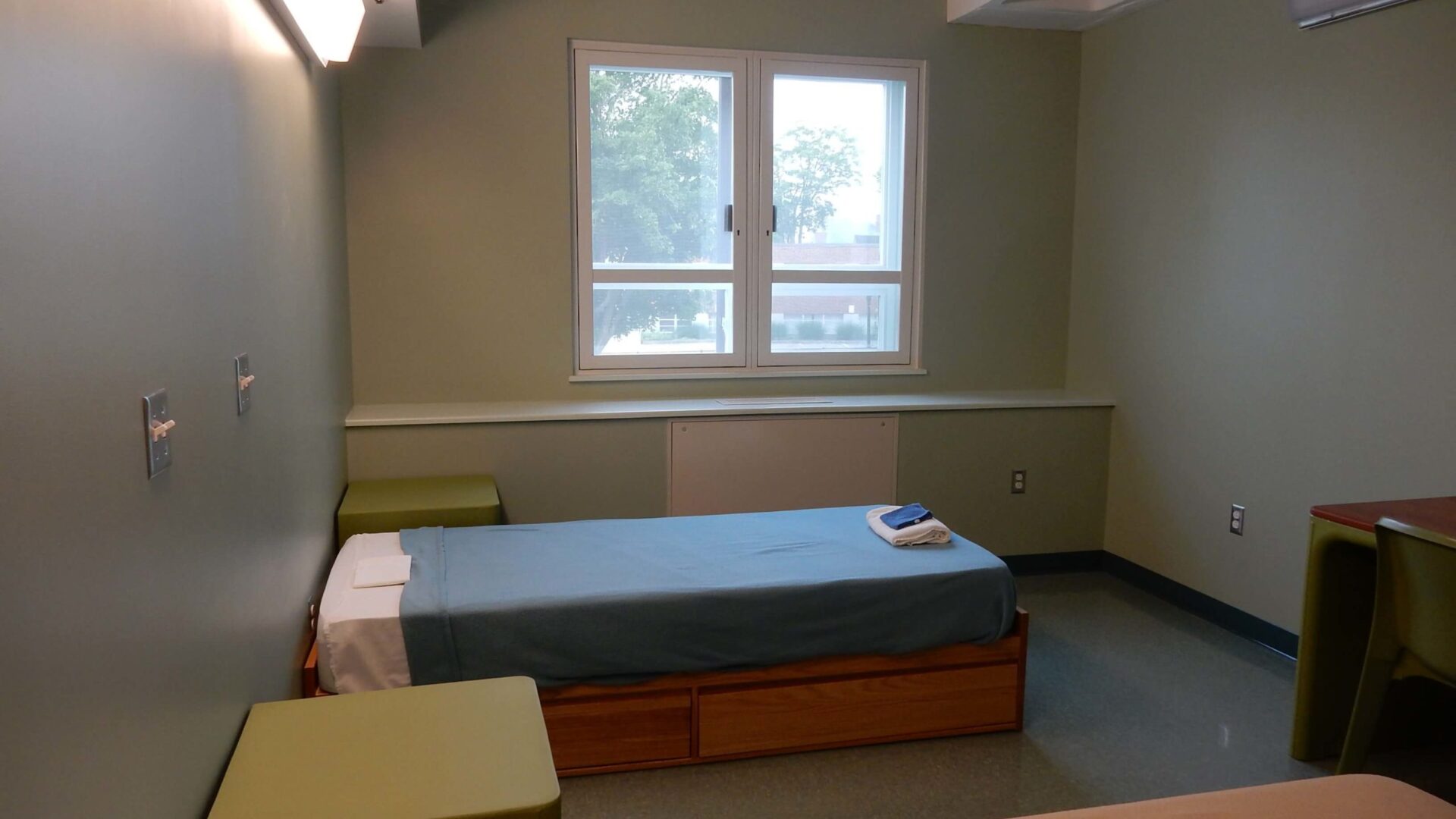
High Point Treatment Center — Plymouth Campus 3 photos

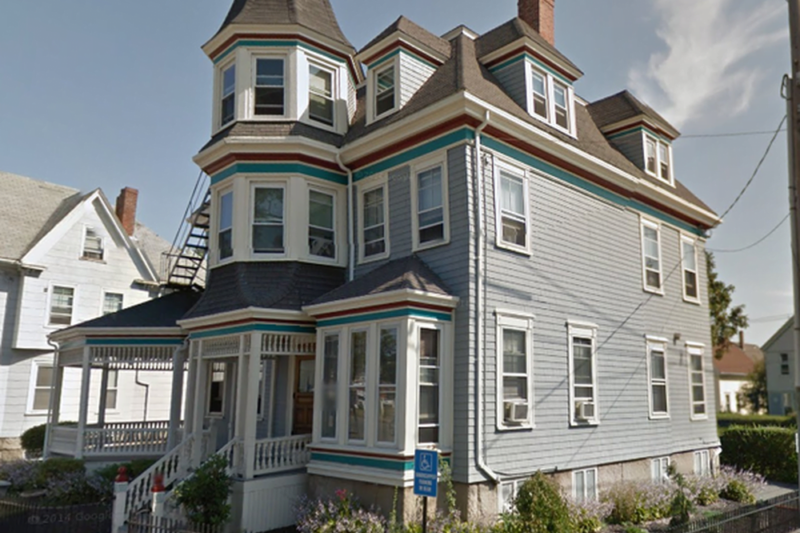
Comparison facts and sources
Campus-specific inpatient substance-use care with an Acute Treatment Services detox unit and a 24-hour Clinical Stabilization Services rehabilitation unit. · 1233 State Road, Plymouth, Massachusetts 02360
- Published fee information
- Quote required
- Before admission
- This profile covers the 1233 State Road inpatient campus only. High Point operates separate Plymouth outpatient and opioid-treatment services at other addresses.
- Continuing care
- The official campus page includes aftercare planning in ATS and individualized enhanced treatment planning in CSS, with family participation encouraged.
Source record · October 14, 2026
Provider-published information checked October 14, 2026. Confirm admission criteria, unit placement, payer authorization and personal cost directly with High Point Treatment Center.
Luxury rehab comparison · Fees and inclusions · Selection methodology
High Point Treatment Center’s Plymouth Campus is an inpatient substance-use treatment location at 1233 State Road in Plymouth, Massachusetts. The campus provides an Acute Treatment Services detox unit and a 24-hour Clinical Stabilization Services rehabilitation unit; it is distinct from High Point’s separately listed Plymouth outpatient programs.
The detox unit offers physician-directed withdrawal management with 24-hour nursing, medication-assisted treatment options, counseling, family education and aftercare planning. The CSS program includes individual and group counseling, 12-step education, relapse-prevention work and residential placement in Recovery Inn or Pathway Inn. The provider states that length of stay varies according to clinical need.
Current contact: 1233 State Road, Plymouth, MA 02360; +1 508-224-7701. High Point’s general payment guidance discusses Medicaid, out-of-network single-case agreements and self-pay estimates, but campus-specific eligibility and personal cost require direct verification. No universal public rate is published.
Choosing between Plymouth detox and stabilization care
The Plymouth campus description identifies two different inpatient services. Acute Treatment Services, or ATS, provides physician-directed withdrawal management with continuous nursing. Clinical Stabilization Services, or CSS, provides a staffed rehabilitation setting after the immediate medical phase, with counseling, education and recovery planning. A referral to High Point should specify the service needed, rather than assume a bed in one unit also reserves the next.
The ATS page expressly allows patients already receiving methadone maintenance to continue that treatment while withdrawing from other substances. Anyone transferring from an opioid treatment program should arrange verification of the existing medication plan before arrival. The availability of several medications does not mean that each is suitable at every stage of withdrawal.
In CSS, residents stay at Recovery Inn or Pathway Inn and participate in individual sessions, groups, overdose-prevention education and daily AA or NA meetings. The provider describes a variable length of stay based on clinical need. Ask how the team will review progress and arrange the next placement if additional residential support is needed.
Understanding the wider High Point organization
High Point’s organizational history describes a nonprofit incorporated in 1996 that began operating the Plymouth facility after purchasing it in 1997. It subsequently developed a wider network of behavioral health and recovery services. That history helps explain why a search for High Point can produce several locations and programs with different admission routes.
The organization describes individualized plans that are reassessed as needs change, inclusion of medication where appropriate, and attention to mental health alongside substance use. For a prospective Plymouth patient, the practical question is how those principles apply to the specific unit: who coordinates medical and counseling decisions, when the plan is reviewed, and how other treating professionals can contribute.
Nonprofit status does not establish a free admission, a particular insurance contract or a private room. Likewise, the existence of other programs within the organization does not make them automatically available during a Plymouth stay. Ask admissions to identify the receiving unit and any proposed follow-up service by name.
Plymouth outpatient care is at a different address
The Plymouth Behavioral Health Urgent Care service operates at 61 Industrial Park Road, Suite 1. It offers mental health and substance-use services for several age groups, including counseling, psychiatry, medication management and a Structured Outpatient Addiction Program. These are separate from the inpatient campus at 1233 State Road.
The provider describes walk-in screening and expedited access to clinical and medication appointments according to urgency. Some appointments may be provided through telehealth. Those published access targets should be confirmed for the service a person actually needs; they do not establish an inpatient bed or an emergency hospital response.
This distinction can be useful when planning discharge from Plymouth CSS. A patient who can live safely in the community may need regular counseling, psychiatric follow-up or structured outpatient sessions rather than another overnight placement. Ask the discharge team to arrange a specific appointment, confirm whether it is in person or remote, and check that the outpatient clinician receives the relevant treatment and medication information.
Planning continuity with the separate opioid treatment program
High Point’s Plymouth opioid treatment program is also listed at 61 Industrial Park Road. The service describes daily methadone dosing, access to other opioid-use-disorder medications, individualized counseling, education, case management and family involvement. Its role is different from a short inpatient withdrawal-management admission.
The published dosing windows are narrower than the office’s overall opening hours. The page lists early-morning dosing, including a Sunday and holiday window. Confirm the current schedule before planning work, transportation or a transfer from another clinic. Arriving while an office is open does not necessarily mean that dosing or a new-patient assessment is available then.
For someone leaving inpatient care, continuity should include the receiving clinic, the first appointment, authorization to exchange records and confirmation of the medication arrangements. Ask who will handle any gap between discharge and the next visit. Neither a referral nor a shared organizational name guarantees that the outpatient program has accepted the transfer or completed its clinical review.
When psychiatric crisis care needs a separate route
The network’s behavioral health crisis service is based in Brockton. It describes mobile crisis evaluation and a separate Adult Community Crisis Stabilization program. The mobile service has a defined local service area; a Plymouth inpatient inquiry should not be treated as automatic access to every Brockton crisis service.
The adult stabilization program describes short-term, continuous support for people aged 18 and older who meet its clinical criteria. Evaluation, psychiatric consultation, medication management, counseling and discharge planning are part of that service. A crisis assessment may instead lead to hospital treatment or a community referral, depending on the person’s immediate needs.
These distinctions matter when someone has severe psychiatric symptoms alongside substance use. Ask the referring clinician which setting can safely manage both concerns before arranging travel to detox or rehabilitation. If there is an immediate threat to life or serious injury, call 911 or use an emergency department. A scheduled rehabilitation admission is not a substitute for urgent assessment, and the availability of crisis services elsewhere in the network does not turn Plymouth CSS into an emergency psychiatric unit.
A possible step after stabilization: New Bedford TSS
The New Bedford Transitional Support Services program is a separate step-down service at 44 Kilburn Street. Its page describes support for people leaving CSS as well as referrals from the community. This can be relevant when a Plymouth patient needs additional structure before returning home or entering another recovery setting.
The published services include monitoring self-administered medications, helping patients who receive or seek medication-assisted treatment, overdose-prevention education, recovery groups and practical life-skills work. Staff also arrange referrals to residential rehabilitation, transitional or permanent housing, and community treatment. Those functions differ from the intensive medical monitoring provided during acute withdrawal.
Ask the Plymouth team whether TSS fits the assessed level of need, whether a place is available and which medication or mobility requirements need review. The receiving program should confirm admission before discharge and transportation are finalized. A recommendation for transitional support does not itself secure longer-term housing; the plan should identify the next referral, the person coordinating it and an alternative if the proposed placement falls through.
Recovery support after returning to the community
High Point’s Community-Based Recovery Services describes recovery coaches, recovery support navigators, certified peer specialists and community case management. The published program areas include Plymouth as well as other southeastern Massachusetts communities. These services can address practical obstacles that remain after an inpatient episode, such as navigating referrals and reconnecting with local support.
The roles are distinct. A recovery coach brings lived experience and peer encouragement; a navigator helps a person work through the service system; clinical treatment and prescribing require the appropriate professionals. Ask which support is available for the patient’s needs and whether it can begin before discharge.
The program also describes support for some people with criminal-justice involvement. If probation, re-entry or a court requirement affects the discharge plan, identify the relevant service instead of assuming every coach handles those matters. A useful handoff includes eligibility confirmation, the first contact date, consent for necessary information sharing and a clear explanation of who remains responsible for medical or psychiatric follow-up.
Requesting a cost estimate for the actual level of care
The financial-responsibility guidance explains that charges can differ between ATS and CSS. Length of stay, medical needs, monitoring, discharge planning and insurance arrangements can also affect the bill. A single estimate for “High Point rehab” may therefore be inadequate if care is expected to cross several programs.
Ask for a written breakdown for the planned initial unit, including the applicable insurer contract, required authorization and expected personal responsibility. If a transition to CSS or another service is proposed, request a separate explanation of how that change affects coverage. Approval for withdrawal management should not be treated as approval for every later stage.
High Point describes financial determination and estimates for uninsured or self-pay patients, as well as situations involving out-of-network arrangements. The page also contains funding information specifically for Section 35 civil-commitment services; that narrower information should not be applied to every voluntary Plymouth admission. Ask which process applies to the individual referral and who can answer billing questions during treatment if the expected stay or level of care changes.
Getting records to the next treating professional
The medical-records page describes an authorization process and a patient portal for accessing information. This is useful when an inpatient episode needs to connect with a family doctor, psychiatric clinician, medication clinic or another treatment program. The information needed for a safe handoff may be more specific than a general confirmation that someone attended treatment.
Before discharge, ask how the next clinician will receive the current medication list, relevant assessments and follow-up recommendations. Confirm who is authorized to receive the material and whether a formal records request is needed. A family member’s involvement in treatment does not by itself establish permission to receive the entire record.
The provider describes different arrangements for portal access and copies of records, with exemptions for some recipient organizations. Check the current method and any applicable copying charge. A routine records request should not be the only plan for an urgent medication handoff; ask the treating team to coordinate time-sensitive information directly through the appropriate clinical channels.
Keeping campus contacts and concerns clear
The contact directory lists the Plymouth inpatient address separately from the network’s outpatient, crisis and other residential services. Use the named inpatient contact when arranging arrival at 1233 State Road, and obtain instructions from the receiving unit before departing. Generic office hours elsewhere in the directory should not be assumed to describe every clinical service.
The same page identifies a High Point quality and compliance contact and external routes for concerns about treatment. Ask for the unit’s own explanation of patient rights and how to raise a concern while admitted. If a family member needs to communicate an urgent clinical change, clarify the appropriate clinical contact rather than leave the information in a general inquiry form.
Having the unit name, agreed arrival time and responsible contact in writing makes it easier to distinguish an accepted admission from a general referral or request for information.
Provider-specific information reviewed October 19, 2026 using the official pages linked above. Availability, suitability, charges and coverage require individual confirmation.
Compare the relevant level of support in our alcohol treatment guide and drug treatment guide.
Official sources checked October 10, 2026: Plymouth Campus, coverage and payment guidance, and contact locations.