HEAL Behavioral Health

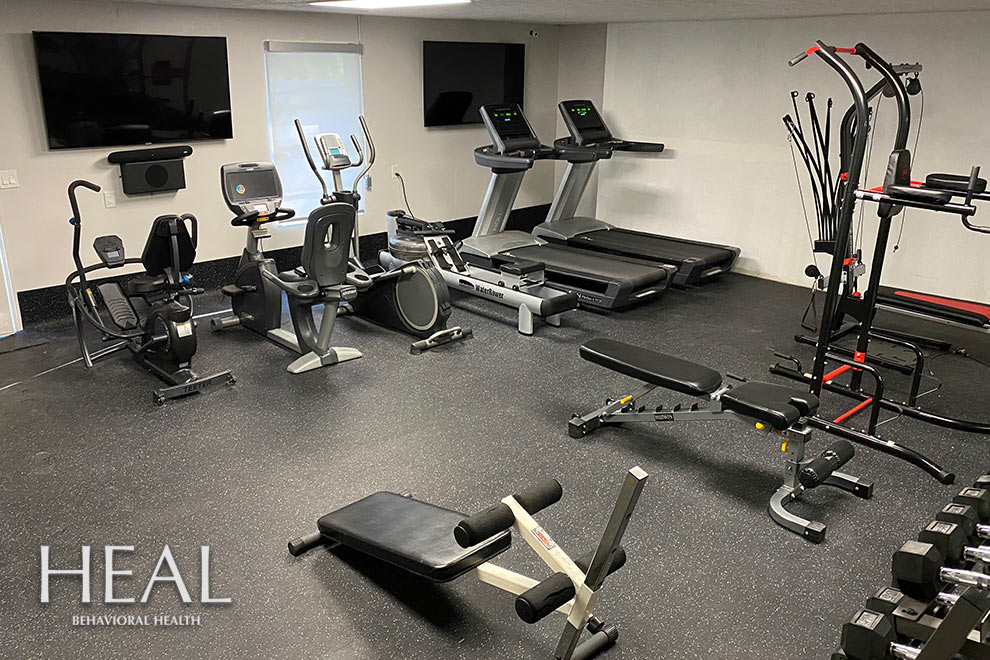

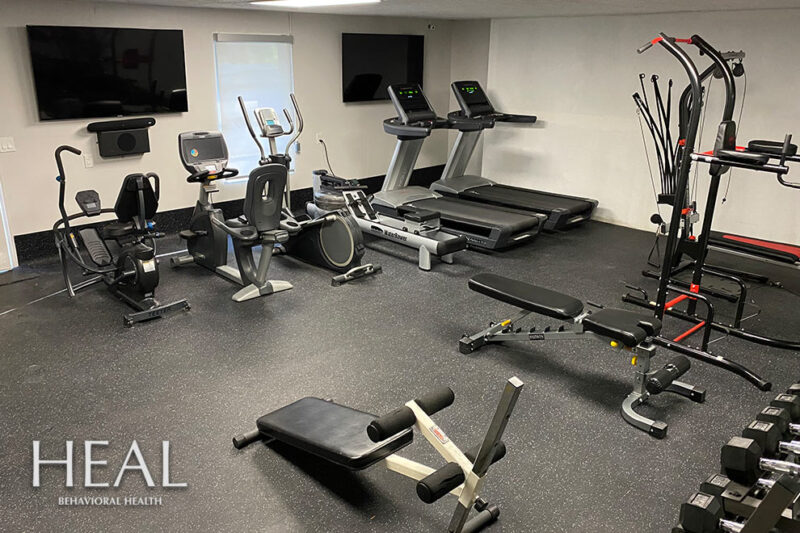
HEAL Behavioral Health 3 photos


Comparison facts and sources
A West Palm Beach provider offering residential/inpatient, partial hospitalization, intensive outpatient and standard outpatient care for mental health, trauma, substance use and dual diagnosis. The published contact office and residential ranch are distinct. · Published contact office: 105 S Narcissus Avenue, Suite 309, West Palm Beach, Florida 33401, United States. The provider separately describes residential care at its HEAL Ranch.
- Published fee information
- Quote required
- Before admission
- This review does not establish admission eligibility, medical necessity, exact program duration, insurer authorization, plan-specific network status, whether taxes apply, or final patient responsibility. The published contact office is not presented as the residential ranch.
- Continuing care
- Continuing care may include outpatient step-down, continued counseling, support groups, relapse-prevention strategies and alumni support, according to individual needs.
Source record · October 17, 2026
Current program levels, mental-health rate range, inclusions, insurance boundary, contact office, residential-ranch distinction, continuing care and official gallery checked against HEAL pages on October 17, 2026.
Luxury rehab comparison · Fees and inclusions · Selection methodology
HEAL Behavioral Health is a West Palm Beach provider offering residential and outpatient treatment for mental health, trauma, addiction and dual diagnosis. Its published contact office is at 105 S Narcissus Avenue, Suite 309; the provider separately describes a residential facility on a spacious ranch.
HEAL lists residential and inpatient care, partial hospitalization, intensive outpatient and standard outpatient programs, along with interventions, medication services and family therapy. Treatment plans and length of care are individualized.
The provider publishes (561) 781-5915, 888-491-HEAL and admissions@healbh.com. HEAL says it works with most major insurance providers and offers self-pay options. Its mental health page cites rates of $1,000–$2,000 per day for that service; exact costs and coverage depend on the program, stay and insurance policy.
HEAL describes private accommodations and aftercare that can include intensive outpatient, outpatient and alumni support.
Assessment before choosing a HEAL program
HEAL’s treatment overview describes an initial conversation and assessment process covering the person’s history and needs. Its services include interventions, medication management, family work, partial hospitalization, intensive outpatient treatment, and standard outpatient care. The appropriate starting point depends on assessment rather than on choosing the most intensive option from a list.
When comparing a proposal, ask for the exact program name, the intended clinical goals, and the reasons that level of care is recommended. The website’s broad service descriptions do not establish that every program serves every age group or every degree of medical or psychiatric complexity. Eligibility should be confirmed for the individual. Also clarify what information is required from previous clinicians, whether any preliminary medical service is necessary, and who completes the admission assessment. A clear plan should connect the clinical recommendation with the location, timetable, accommodation, and funding arrangements that the person would actually use.
The ranch setting and accommodation arrangements
On its provider homepage, HEAL describes a five-acre horse-ranch setting with residential accommodations and amenities intended to support daily life during treatment. The ranch description is relevant to the living environment, while the program’s clinical intensity depends on the service being provided. A rural residence and an outpatient appointment schedule answer different questions about care.
Ask which property is attached to the proposed program, whether a bedroom is private or shared, and what staff support is available outside clinical hours. Also establish where therapy and medical appointments take place and whether transport is included. The presence of horses or landscaped grounds does not establish that equine therapy is included in every plan. Request the actual activity schedule and any participation requirements. Someone comparing residential options should receive a specific accommodation and treatment proposal rather than assume that every image or amenity on the website applies to the same location or level of care.
The published medical and clinical team
HEAL’s team page identifies Dr. John Schosheim as medical director and psychiatrist, Michael Roy as a medical nurse practitioner, and Michael Prieto as a psychiatric nurse practitioner. It also names nursing, dietetic, clinical-director, and trauma-therapy roles. Ana M. Ucha is listed as clinical director. These provider-published roles indicate that medical, psychiatric, nutritional, and therapeutic responsibilities are distinguished within the organization.
For an individual admission, ask who will provide each relevant service and how often appointments occur. A named clinician on the website does not mean that clinician personally treats every client or is continuously present at a residence. The plan should identify the primary therapist, prescribing responsibility, and how the team coordinates with existing clinicians when appropriate. It should also explain how care changes between residential and outpatient stages. This profile summarizes the provider’s staff information; it does not represent an independent verification of every professional credential or current staffing assignment.
Partial hospitalization: six clinical hours on five days
The partial hospitalization program, also described by HEAL as Day and Night treatment, publishes six clinical hours per day on five days each week. Its description includes individual and group work, a structured schedule, and required recovery meetings. The program is presented as a route for people who are medically stable after detox and need intensive continuing treatment.
The published schedule helps define the clinical commitment, but the Day and Night name should not be assumed to mean hospital-level monitoring throughout every hour. Ask separately about overnight accommodation, residence staffing, and the contact for help outside sessions. Also clarify how individual appointments fit within the six clinical hours and whether recovery meetings add time beyond that schedule. If withdrawal management is needed first, obtain the name and location of that service rather than infer that the PHP itself provides it. The admission plan should specify how the person reaches the required level of medical stability.
Intensive outpatient treatment and weekly time
HEAL’s intensive outpatient program describes individual and group sessions for three hours per day on three to six days per week, according to the person’s treatment plan. It is positioned as a step down from residential or partial hospitalization care, with the aim of fitting continued treatment into daily life. The actual number of days is therefore an important part of the proposal.
Ask which sessions are required, whether appointments occur during the day or evening, and how the timetable works with employment, education, or family commitments. A flexible outpatient model still requires reliable attendance and suitable support between sessions. If housing remains part of the arrangement, confirm its separate rules, costs, and transport. The team should also explain how it reviews readiness to reduce attendance or change the level of care. A general IOP label does not establish one fixed duration, one weekly schedule, or automatic suitability for every person leaving a residential program.
Standard outpatient therapy and continuing appointments
The standard outpatient service describes work with a licensed therapist through individual and group appointments. It lists cognitive behavioral therapy, dialectical behavior therapy, mindfulness-based approaches, family work, and supplementary activities such as yoga or nutrition education. Those options are presented within a personalized plan rather than as a fixed package delivered to every participant.
A person moving into outpatient care should ask which therapies are actually recommended, who provides them, and how often appointments occur. The amount of contact may differ from IOP, so clarify the change rather than assume the same timetable continues under a different label. Medication appointments, family sessions, and additional services may also need separate arrangements. Someone returning to a previous clinician should discuss the handoff and permissions for sharing records. The practical measure of a transition is whether the next appointments and responsible providers are identified, not simply whether outpatient care appears in the discharge recommendations.
The published mental health rate and its scope
HEAL’s mental health program page publishes a range of $1,000 to $2,000 per day. The page associates that range with its mental health service and describes clinical and medical care, concierge support, and amenities within the offering. It also describes private accommodation and a team spanning psychiatry and nutrition. This range should remain attached to that program, rather than be presented as one price for every HEAL service.
Request a written proposal stating which room, clinical appointments, medical services, and practical amenities are included in the actual daily rate. The number of days, any additional assessments, and the later outpatient plan affect the overall cost. Insurance verification should establish the person’s specific benefits and personal responsibility; a general statement about working with insurers does not determine coverage for a particular stay. Ask how charges change when treatment moves to another level and whether concierge or accommodation arrangements continue under the same agreement.
Depression care and the proposed therapeutic plan
HEAL’s depression-treatment information describes psychotherapy, medication management, and individualized care, with cognitive behavioral therapy among the named approaches. It also discusses family sessions and educational resources. The service description therefore includes both direct clinical treatment and involvement of the person’s support system when appropriate.
For someone considering this program, ask which level of care is being proposed and what findings from the assessment support that choice. A diagnosis alone does not establish whether residential, structured outpatient, or ordinary outpatient treatment is appropriate. Clarify who reviews medication, how individual therapy is scheduled, and how existing treatment will be coordinated. If relatives are involved, establish the purpose and format of their sessions with the clinical team. The provider’s description identifies available approaches; it does not establish that every combination is indicated for every person or that a particular treatment duration guarantees a particular result.
ADHD support, routines, and family involvement
The ADHD service page describes psychiatric medication management, cognitive behavioral work, behavioral strategies, and support for routines and self-regulation. It also describes family therapy and educational resources with the person’s consent. These details are useful for distinguishing a specific clinical plan from a general promise of improved focus or wellness.
Ask whether the proposed service involves a new assessment, treatment of an existing diagnosis, or coordination with the current prescriber. The program’s broad discussion of ADHD should not be used to infer that every age group is eligible for every HEAL setting. Confirm the applicant’s eligibility directly. Practical goals may involve daily organization, work or study demands, and the role of family support; these should be agreed with the treating clinician. Also establish how appointments and medication reviews continue if the person moves from residential care to outpatient treatment or returns to a clinician closer to home.
Addiction therapy and co-occurring needs
HEAL’s drug-treatment page describes cognitive behavioral therapy, dialectical behavior therapy, motivational interviewing, and medication-assisted treatment among its available approaches. It also presents family participation and attention to mental health needs alongside substance-use treatment. The named methods indicate the range of the provider’s offering, while the individual plan determines which are used.
Before enrolling, discuss previous treatment, current prescriptions, and any ongoing psychiatric care with the clinical team. Ask how the substance-use and mental health parts of the plan are coordinated and which clinician is responsible for prescribing. A general medication-assisted-treatment description does not establish that every medication is available in every setting or suitable for an individual. Likewise, a list of therapy methods does not specify the amount of individual contact. Obtain the proposed schedule, the responsible clinicians, and the plan for continuing support when the person leaves the current level of care.
Intervention support and the transition into treatment
The intervention service is described as a structured process involving the individual and family, with follow-up intended to support transition into appropriate care. HEAL presents this as a distinct service within its wider treatment offering. An intervention inquiry is therefore different from a confirmed residential admission or a clinical assessment establishing eligibility for a particular program.
Families should ask who facilitates the process, how the person’s circumstances are assessed, and what happens if the recommended next step is a service outside HEAL. Clarify the fee, the scope of preparation, and the follow-up included. The conversation should also establish consent, information sharing, and how existing clinicians can contribute where appropriate. If treatment is subsequently recommended, obtain a separate clinical and financial plan identifying the program and location. A structured family process can help organize decisions, but it should not be presented as guaranteeing that a person will enter treatment or remain in a particular program.
Using the correct address for the agreed service
HEAL’s published contact location is 105 South Narcissus Avenue, Suite 309, in West Palm Beach. That office address should be distinguished from the ranch accommodation described elsewhere by the provider. A contact listing does not establish the physical location of every therapy appointment, residential room, or stage of care.
Before arranging travel, ask for written arrival instructions for the specific service: where to report, who will meet the person, and whether transport between accommodation and clinical appointments is provided. If several levels are proposed, confirm whether the location changes when the program changes. Family visits, accessibility needs, and an accompanying person’s arrangements should also be checked for the actual site. A clear itinerary should follow clinical acceptance and the agreed funding plan. It should not depend on arriving at a general office address and assuming the residential or outpatient placement is already arranged.
Official provider information reviewed October 18, 2026. Rates remain specific to the published mental health offering. Confirm current eligibility, program location, clinical schedule, accommodation, staffing, and coverage for the individual application.
Sources
- HEAL Behavioral Health official website
- HEAL treatment programs
- HEAL mental health treatment and pricing
- HEAL contact page
Sources checked October 17, 2026.