Havenwyck Hospital
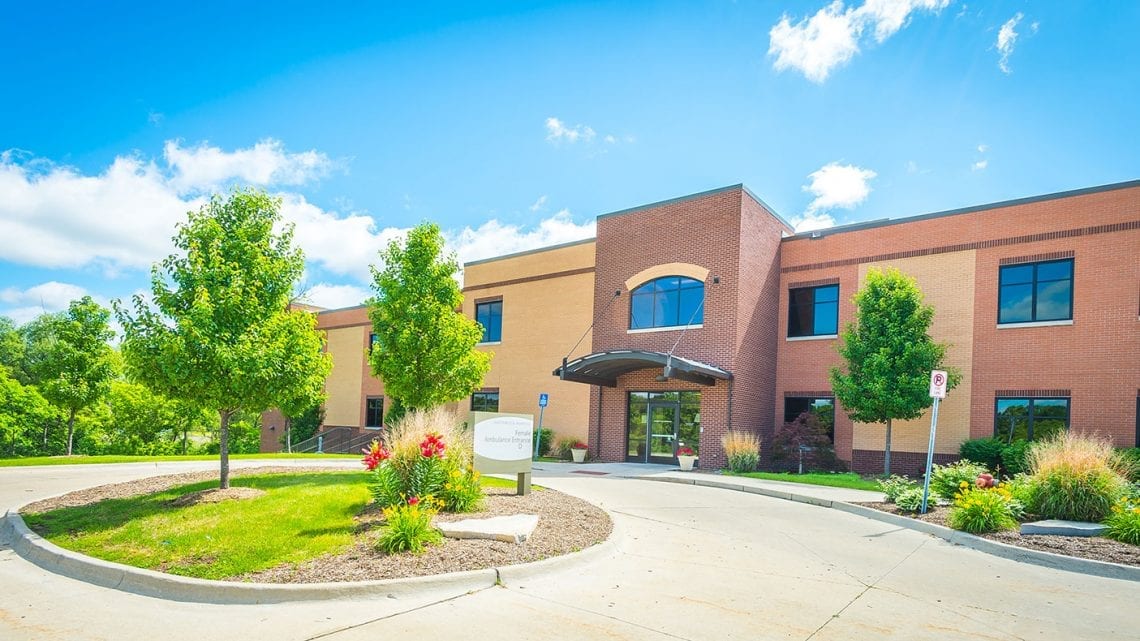

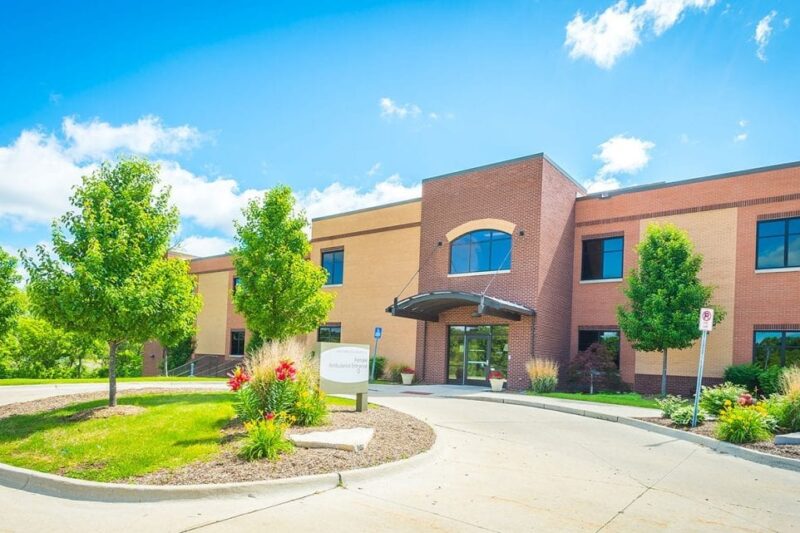
Havenwyck Hospital 2 photos
Comparison facts and sources
The 1525 University Drive hospital provides short-term inpatient psychiatric care. Branches Auburn Hills at 1500 University Drive, Suite 173 provides outpatient PHP and IOP. A separate secure long-term residential impulse-disorder program serves male children and adolescents. · 1525 University Drive, Auburn Hills, Michigan 48326, United States
- Published fee information
- Quote required
- Before admission
- Do not present Branches outpatient care as an overnight hospital service or the specialized youth residential program as general addiction rehabilitation. Confirm the selected campus, age, level and benefits.
- Continuing care
- Hospital discharge planning includes a written plan, safety resources, prescriptions and referrals. PHP and IOP can provide step-down care; a Next Step aftercare option is described for eligible people within 30 miles.
Source record · October 15, 2026
Official exact-campus inpatient, Branches outpatient, youth residential, duration, aftercare and payer information checked October 15, 2026. Confirm current program availability, eligibility, schedule, authorization, benefits and personal responsibility directly with Havenwyck.
- Official program overview and campus contacts
- Official inpatient psychiatric program and duration
- Official Branches partial hospitalization scope and duration
- Official intensive outpatient scope and schedules
- Official youth residential impulse-disorder program
- Official insurance participation guidance
- Official inpatient FAQ and discharge planning
Luxury rehab comparison · Fees and inclusions · Selection methodology
Havenwyck Hospital in Auburn Hills, Michigan provides inpatient psychiatric care for adults and for children and adolescents ages 6–17. Its services also include partial hospitalization, intensive outpatient care and a specialized residential impulse-disorder program; outpatient care is delivered through the separately addressed Branches Auburn Hills service.
Programs
- Adult inpatient psychiatric care
- Child and adolescent inpatient care
- Adult and youth partial hospitalization
- Adult intensive outpatient care
- Residential impulse-disorder program for male children and adolescents
The provider says most inpatient stays last 7–10 days. Havenwyck accepts a wide range of commercial plans and participates with Medicaid and Medicare; call 800-401-2727 for a no-cost confidential assessment and current eligibility, benefits and cost information. The hospital is at 1525 University Drive, Auburn Hills, MI 48326; Branches Auburn Hills is separately listed at 1500 University Drive, Suite 173.
Hospital care is distinct from a long-term residential stay
The inpatient program description identifies psychiatric treatment for adults and children, with most hospital stays lasting seven to ten days. That is a typical range rather than a fixed admission package or an assurance that ongoing treatment ends after ten days. The hospital describes both mixed-gender and gender-specific units according to patients’ needs.
Ask which unit is proposed, what the immediate treatment goals are, and how progress and discharge readiness will be reviewed. The inpatient description also states that transgender and nonbinary individuals receive care that respects their identity. Discuss any specific accommodation, communication, or support needs during assessment rather than assume that the same arrangement fits everyone. A psychiatric hospital admission should be evaluated through the individual’s clinical needs and the receiving team’s recommendation. It should not be treated as interchangeable with a general addiction retreat or the hospital’s separate specialized residential program. A planned stay also needs a next step, including any ongoing outpatient care and practical support after leaving the unit.
The child and adolescent inpatient program is divided by age
The child and adolescent inpatient page identifies ages six to seventeen and describes three age-based groups: six to ten, eleven to thirteen, and fourteen to seventeen. It says an individualized treatment plan is developed after admission and assessment. These age divisions are more informative than a general statement that the hospital treats children.
For a young person, ask about the actual unit, the clinical concerns it can address, and how the treatment plan accounts for development, communication, and family circumstances. Discuss schooling, contact with caregivers, sensory or accessibility needs, and the information required from existing professionals. The page emphasizes relationships, coping skills, appropriate development, and a sense of identity and achievement. Those broad goals should be translated into specific objectives for the admission. The appropriate setting is determined by assessment; the age range alone does not establish eligibility. Planning for return to school and community care should start early enough to identify the receiving professionals and the support needed after hospitalization.
PHP at Branches is a full weekday program
The partial hospitalization overview places PHP at Branches Auburn Hills, across from the inpatient hospital. It describes treatment Monday through Friday, 8:30 a.m. to 3 p.m., with most people attending for about two weeks. Patients return home in the evenings and on weekends. The page identifies adults eighteen and older and a separate child and adolescent track for ages eleven to seventeen.
PHP can follow hospitalization or be considered directly when that intensity is appropriate. Ask how the daytime schedule fits with the support available at home, transport, work, and school. The overview emphasizes group-based treatment, DBT skills, medication education, and discharge planning. It also describes virtual participation and support during a transition back to work or school. Confirm the current format and what individual appointments are included in the particular track. A typical two-week course is not a universal duration, and access to a nearby hospital does not mean that outpatient participation includes an overnight bed or automatic inpatient admission.
The youth PHP page describes specific clinical contacts
The child and adolescent PHP page describes individual, group, and family work, nursing groups, recreational therapy, and contact with a psychiatrist at least three times a week. It gives the same weekday hours of 8:30 a.m. to 3 p.m. and says a hot lunch is provided. These are provider-published details for the youth track, not a schedule to assume for every adult outpatient program.
Ask how psychiatric appointments, medication education, and family sessions are organized for the young person. Clarify communication with existing prescribers and the school, including how a return to classes will be supported. The page describes DBT skills, trauma recovery, and coping with mood or anxiety symptoms. Discuss which interventions fit the actual assessment rather than assume all are required. Virtual options are also mentioned; confirm suitability, current availability, and the supervision needed at home. Family participation should have clear goals and an agreed communication process, with the child’s developmental needs and clinical situation guiding the plan.
IOP follows a shorter morning schedule
The intensive outpatient page describes meetings at Branches on Mondays, Wednesdays, and Fridays from 8:30 to 11:30 a.m. Most participants attend for about four weeks. The program is presented as more support than a routine office visit, with group counseling, psychoeducation, and skills work while the person continues living outside the facility.
The page identifies DBT as a way of developing emotional regulation, relationship, and coping skills. It also describes virtual participation and assessment for people seeking a step down from more intensive treatment or support to prevent further deterioration. Ask which age-specific group and format are proposed, how individual clinical needs are reviewed, and where medication management occurs. A morning timetable may leave more room for daily responsibilities than PHP, but it still needs to be matched to the person’s clinical needs and home support. Confirm the current schedule, expected duration, and response to worsening symptoms rather than treat four weeks as a fixed course or select IOP only because it requires fewer hours.
The specialized residential program has a narrow purpose
The residential impulse disorder program is described as structured long-term treatment for boys ages nine to seventeen with sexually impulsive behaviors alongside psychiatric and behavioral difficulties. This is a specific specialist service. It should not be presented as general adolescent addiction rehabilitation or a standard residential option for every young person with emotional or behavioral concerns.
A referral should identify the particular concerns, previous assessments, and the support required by the young person and family. Ask the specialist team about admission criteria, clinical assessment, education, family participation, and the process for reviewing progress and preparing discharge. A program title is not a diagnosis, and it should not be used to label ordinary development or make a judgment from a short online description. The family needs a clear explanation of why this service is being considered and what alternatives may be appropriate. Confirm the specific residential arrangements and current eligibility rather than infer them from the hospital’s broader inpatient or outpatient programs.
The hospital FAQ explains daily structure and discharge support
The hospital FAQ describes structured programming, semi-private rooms, medication management, and a therapist or social worker who coordinates care and discharge planning. It says patients receive a written discharge plan with resources, crisis contacts, referrals, and prescriptions intended to bridge to the next appointment. Those arrangements should be confirmed for the actual admission.
The same page describes a Next Step aftercare option for eligible people living within thirty miles, with possible transportation arrangements. Ask whether it is recommended and available rather than assume it is included for everyone. Practical communication rules also matter: personal electronic devices are restricted, patient phone use is scheduled around groups, and internet access is generally unavailable. Arrange essential family or work communication before arrival. Discuss current visiting and belongings policies with the unit. These hospital routines differ from outpatient attendance at Branches, where a person returns home. Clarifying them helps families plan support without confusing a hospital stay with a setting offering unrestricted remote work or device access.
Assessment determines which service is appropriate
The assessment page says the intake center provides assessments and admissions around the clock. The team gathers information, explains the available programs, verifies benefits for eligible admissions, and provides referrals when inpatient or PHP criteria are not met. The published no-cost assessment does not mean that subsequent treatment is free.
Before an assessment, ask what information is needed about current symptoms, medications, previous treatment, medical conditions, and people already involved in care. A self-referral or referral from a clinician, family member, school-related professional, or another agency can begin the process, but it does not itself confirm acceptance. The recommendation may involve a different service or organization. Obtain the receiving location and next step before arranging travel. Havenwyck explicitly states that it cannot diagnose or provide counseling through its website. For an immediate emergency, call 911 or go to the nearest emergency department rather than wait for an online response or a routine program discussion.
Insurance participation needs program-specific verification
The insurance page states that Havenwyck works with a range of commercial insurers and participates with Medicaid and Medicare. It also lists TRICARE, VA Optum, BCBS, Priority Health, HAP, and Molina. A payer appearing on that list does not establish authorization for every hospital, outpatient, or specialized residential service.
Ask the admissions team and insurer to review the particular program, location, expected care level, and any authorization requirements. Clarify deductibles, copays, noncovered services, and charges that may come from separately billing professionals. A benefits explanation should distinguish the initial assessment from the proposed treatment. If care moves from the hospital to Branches or another provider, confirm the arrangements for that stage as well. The reviewed page does not establish a universal cash price or a guaranteed covered length of stay. Written individual information is more useful than assuming that the same policy rules apply across all services associated with the hospital.
Records requests and clinical transfers need an agreed process
The release-of-information page directs records requests through Health Information Management using a properly signed authorization. It describes paper records, time needed to complete or retrieve records, possible charges, and requirements for an authorized representative. It also states that a request can be emailed while the records themselves are not returned by email.
Ask the department for its current process, accepted delivery method, expected timing, and any cost before submitting a request. If a treating clinician needs information for an imminent transfer or appointment, have the clinical teams coordinate that need directly instead of assuming an ordinary records request will provide immediate access. Identify who may receive the information and what is needed for the next stage of care. A family member’s involvement in transport or payment does not itself resolve authorization to receive records. Clear communication about the appropriate representative, release, and recipient helps connect hospital care with subsequent treatment while respecting the patient’s information preferences and applicable requirements.
Official Havenwyck published information reviewed October 19, 2026. Confirm current program schedules, ages, admission criteria, care arrangements, and individual costs with the receiving service.
Official sources
Checked October 15, 2026: Havenwyck Hospital, admissions and the official campus photo gallery.