Harmony Ridge Recovery Center

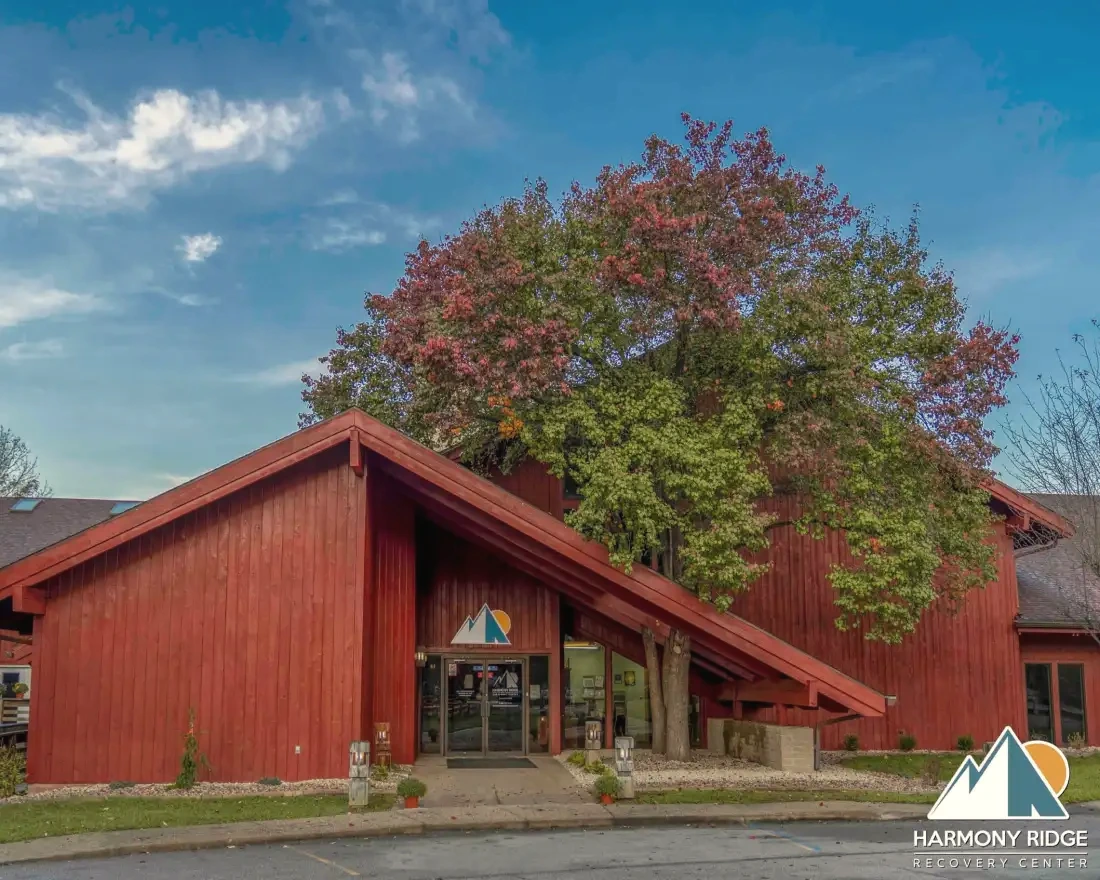
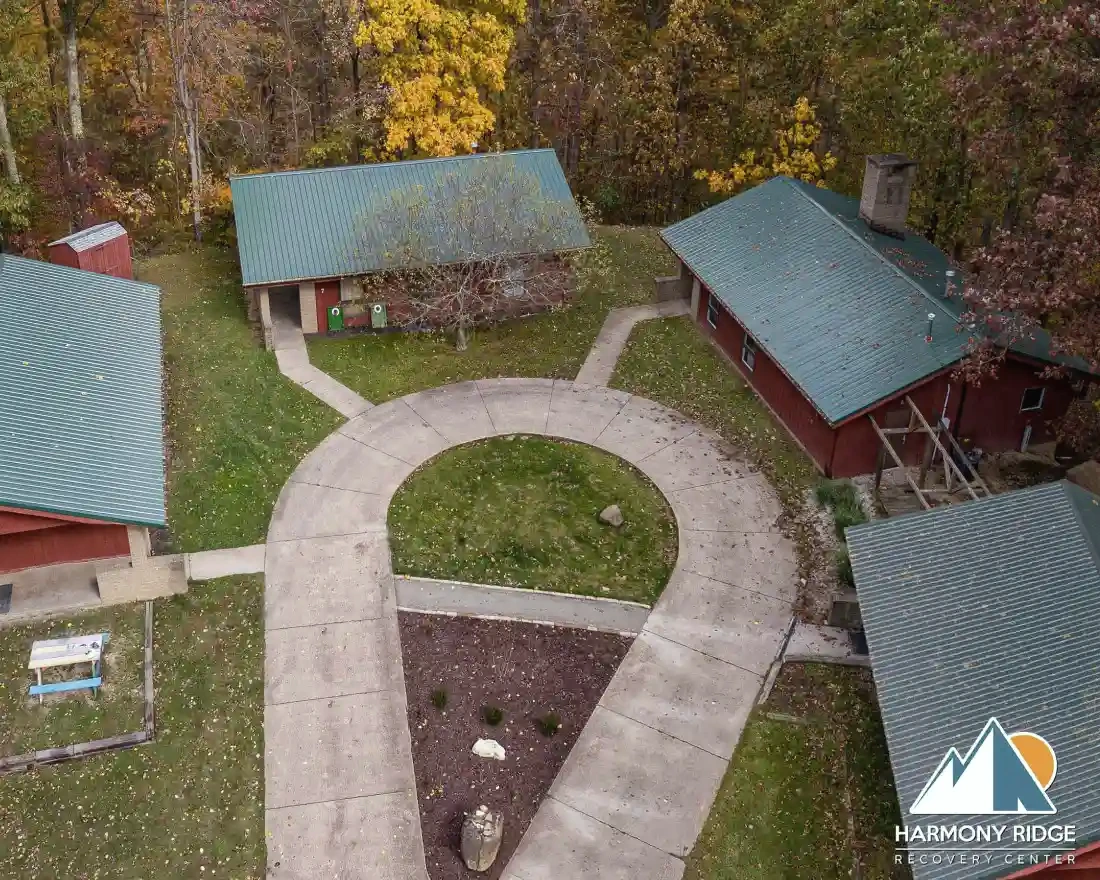
Harmony Ridge Recovery Center 3 photos


Comparison facts and sources
Walker-campus addiction treatment within a West Virginia provider network. The Walker facility offers medical detox, residential treatment and step-down levels; Barboursville and Charleston are separate locations. · 47 Chambers Circle Road, Walker, West Virginia 26180
- Published fee information
- Quote required
- Before admission
- This profile is scoped to the Walker campus. Published IOP timing is not generalized to detox or residential care, whose duration is individualized.
- Continuing care
- Aftercare is individualized and can include relapse-prevention planning, counseling, peer or 12-step support, alumni services, sober living and community resources.
Source record ·
Provider-published information checked October 14, 2026.
Luxury rehab comparison · Fees and inclusions · Selection methodology
Harmony Ridge Recovery Center is a West Virginia addiction-treatment network with published locations in Walker, Barboursville and Charleston. This profile uses the Walker residential campus at 47 Chambers Circle Road; services differ by location.
Published levels of care include medical detoxification, residential treatment, partial hospitalization, intensive outpatient and general outpatient care. The Walker facility is described as being in the wooded mountains and offers 24-hour nursing supervision, individual and group therapy, cognitive behavioral therapy, art and music therapy, recreation and outdoor activities.
The provider says residential programs typically last 30, 60 or 90 days, depending on clinical need, with outpatient and sober-living transitions available. Harmony Ridge states that it accepts most major health-insurance plans, including Medicaid, and is in-network with Blue Cross Blue Shield. Coverage, availability and personal cost require individual verification; no universal program fee was published.
Confirm Walker as the receiving campus
Harmony Ridge’s contact page lists the Walker location at 47 Chambers Circle Road and gives separate addresses for Barboursville and Charleston. The shared provider name should therefore be matched to a specific receiving program when arranging an assessment, admission, or outpatient appointment.
The current location and contact information describes around-the-clock access to the admissions team. That access provides a way to discuss options; it does not establish that every program has an immediate place or that all clinical services operate at every address.
Before traveling, confirm the campus, level of care, arrival time, and staff contact. If the care plan involves moving between locations or using separate accommodation, ask who organizes transport and which organization is responsible at each stage. Clinical acceptance, a benefits check, and a reserved place are different parts of the process. A written arrival plan should make clear what has been agreed and what still depends on assessment or availability.
Residential care follows an assessed daily plan
The residential page describes an initial evaluation, an individualized treatment plan, and continuous medical and clinical supervision. It explains that residents begin the day in their living quarters and attend scheduled treatment in a clinical building. Therapy and educational work are interspersed with time for recreation and reflection.
The residential program description gives thirty-, sixty-, and ninety-day examples, while tying the actual plan to clinical need. Ask what initial stay is recommended, when progress is reviewed, and how authorization or a change in needs might affect the next step.
The page describes outdoor activities and an indoor pool, but these features do not establish a private bedroom or an unrestricted recreational schedule. Confirm room arrangements, accessibility, dietary needs, belongings rules, and how the person moves between living and treatment areas. Ask for a representative clinical timetable, distinguishing individual appointments, groups, medical review, and leisure. Amenities can contribute to comfort while remaining separate from the assessment of treatment suitability.
Detox decisions depend on medical history and current presentation
Harmony Ridge’s detox page describes medical assessment, monitoring, and support during withdrawal, with medication considered according to the person’s needs. Its discussion gives illustrative durations, but also identifies substance use history and individual health as factors affecting the course.
The medical detox information should be used to prepare questions for the clinical team. Explain all prescribed and nonprescribed substances, recent use, previous withdrawal complications, and other health conditions. Ask where care will take place, what monitoring is provided, and when transfer to a hospital would be necessary.
A general timeframe on a provider page is not a personal withdrawal plan or a reason to stop medication independently. Clarify which treatment is recommended after stabilization and whether a separate acceptance decision is required. The discharge discussion should identify prescribing responsibility, follow-up appointments, transport, and support at the destination. Detox and residential rehabilitation address different parts of care; an assessment should determine the appropriate sequence for the individual.
Co-occurring support is described within addiction treatment
The dual-diagnosis page describes therapy for mental health conditions occurring alongside a substance use disorder. Harmony Ridge says it tailors treatment to the combined needs rather than applying one identical program to everyone. The page places this work within its addiction-treatment services.
Use the co-occurring treatment description to ask how psychiatric symptoms, substance use, previous diagnoses, and medication will be assessed together. Confirm who performs psychiatric evaluation, how often review occurs, and what information is needed from existing clinicians. A condition listed on a broad webpage does not establish that every severity or presentation can be managed at the Walker campus.
For someone seeking primary mental health care without a substance use concern, ask explicitly whether the program is suitable or whether a different service is needed. Likewise, discuss any need for acute medical or psychiatric hospital care. The continuing plan should explain how both substance use and mental health needs will be addressed after a transition to outpatient treatment or a return home.
PHP combines daytime groups with individual and family work
The PHP page describes a daytime level of care in which participants live outside the treatment center. It lists groups five days weekly, individual treatment at least weekly, and weekly family sessions, while also giving broader educational examples of outpatient hours.
The partial hospitalization information should therefore be matched to the actual program and location. Ask for the current days, hours, appointment mix, and clinical contact, rather than treating every general example on the page as one fixed timetable. Confirm how family sessions are arranged and how privacy, consent, and relationship safety are addressed.
Even when nights are spent at home, intensive daytime attendance affects work, childcare, meals, and transport. If a separate residence is proposed, clarify its operator, supervision, rules, and cost. Discuss what support is needed outside sessions and how symptoms requiring more intensive care are handled. A PHP plan should make these arrangements concrete instead of relying on the general description of flexibility.
IOP timing should be confirmed for the assigned track
Harmony Ridge’s IOP page describes structured treatment with fewer hours than PHP and continued participation in everyday life. It discusses individual, group, and family work, coping skills, and ongoing review. The page contains different scheduling examples and describes duration as depending on needs and progress.
The IOP description includes a course of at least a month that may extend to three or four months. Treat this as a provider planning range, not a mandatory length or the schedule for residential treatment. Request the assigned weekly timetable and ask whether medication or individual appointments occur outside group hours.
Confirm the location and any remote options before assuming attendance can be combined with a particular job or school schedule. A move from residential care to IOP may also change housing, supervision, transport, and financial responsibility. Ask who coordinates that transition and what support is available when the program is not meeting. The appropriate level should be reviewed if symptoms or practical circumstances change.
Medication options require continuity and individual review
The medication-assisted-treatment page says Harmony Ridge uses buprenorphine and naltrexone in its approach to substance use treatment and does not rely on methadone. It also acknowledges that medication choice and duration depend on the individual, with treatment potentially continuing after a residential stay.
The provider’s medication program description is not a prescribing instruction. If a person already receives medication through another clinician or clinic, discuss that treatment before transfer. Ask whether the existing plan can continue, which prescriber will review it, and how appointments and supplies will be coordinated.
Do not stop or change medication independently to meet a website’s general program description. The assessing clinician should explain suitability, monitoring, and the plan after discharge. Ask which services are provided at Walker and which require an outside provider. Medication, counseling, and other support may involve different appointments and payment arrangements, so confirm each component instead of assuming a named medicine is automatically included in a residential fee.
Family sessions should have agreed goals and participants
Harmony Ridge describes family work through therapist-led discussions, individual sessions, and interactive exercises. Its published goals include clearer communication, boundaries, understanding substance use, and preparing support outside treatment. The program is described as adapted to the circumstances of the individual and family.
The family therapy information gives a starting point for asking who will take part and how sessions fit the care plan. Clarify whether supporters can attend remotely, how consent and information sharing work, and what happens when a relationship is unsafe or a relative is unavailable.
Family participation should not be framed as assigning blame for a substance use disorder or making a supporter responsible for preventing every setback. Useful goals can be practical: understanding the discharge plan, identifying boundaries, discussing communication, and knowing which services to contact. Ask whether a supporter’s own counseling needs would require a separate referral. A program’s relationship goals do not guarantee reconciliation, and a general description does not establish a fixed number of sessions for every admission.
Case management addresses practical obstacles to continuing care
The case-management page describes assessment, planning, coordination, and advocacy around health, financial, housing, and community-support needs. It discusses connecting patients with relevant organizations and following up on an agreed plan. These are practical functions alongside clinical treatment.
The case-management explanation includes examples involving identification, insurance, benefits, employment support, and housing. An example is not an entitlement: eligibility and decisions remain with the relevant agency or service. Ask which assistance is actually available during the planned stay and who is responsible for each application or appointment.
Bring existing contacts and deadlines to the discussion so that urgent matters can be prioritized. Confirm how information will be shared with permission and whether an outside case manager should remain involved. Before leaving, request named receiving services and agreed next actions. Tracking a referral is different from guaranteeing a benefit, a job, or accommodation; the plan should identify what has been secured and what still requires follow-up.
Aftercare is individualized and can involve independent providers
The aftercare page describes planning with a therapist for continued treatment, housing, employment, peer support, and daily routines. It discusses individual counseling, outpatient care, twelve-step or other recovery meetings, alumni activities, and sober living as possible parts of that plan.
The continuing-care information does not establish one fixed duration or an identical package for every person. Its general advice about ongoing participation should be separated from the actual services included in an individual’s agreement. Ask what remains available through Harmony Ridge and what requires another provider or a separate payment.
If sober living is proposed, confirm the specific operator, address, availability, house rules, length commitment, and fees. A housing referral should not be assumed to include medical monitoring. Arrange the first clinical appointments and prescribing follow-up before departure when possible. Peer connection can support the transition, while scheduled therapy, medication management, and a route for reassessment need their own clear arrangements.
Payment depends on the plan, service, and receiving location
Harmony Ridge’s insurance information says it works with major health plans and Medicaid and offers help checking benefits. These statements are starting points for an individual review, not confirmation that every policy pays for every level of care.
Ask the insurance and admissions team to match coverage to the Walker program actually recommended. Verify authorization, the billing entity, deductible, copay or coinsurance, covered days, and charges for medications or outside professionals. If the plan includes outpatient care or separate housing, have those arrangements reviewed individually.
Request a written estimate explaining inclusions, possible additional costs, and what changes if treatment lasts longer or moves to another level. General market-price examples on educational pages are not Harmony Ridge’s personal quote. Financial assistance or financing discussions also do not establish a guaranteed funding decision. The clinical recommendation and financial agreement should describe the same service before the person relies on either.
Official provider information reviewed October 19, 2026, with this profile scoped to the Walker campus. Network-wide program descriptions and general educational examples do not establish every service at every location. Confirm the clinical plan, timetable, medication continuity, accommodation, and financial terms directly.
Sources
Official provider pages checked October 7, 2026: campuses and Walker setting; levels of care and amenities; residential duration and insurance; current addresses and contact information.