GRAND Mental Health
Comparison facts and sources
Network-wide mental-health and addiction services are not all offered at every clinic. Tulsa's addiction continuum includes stabilization/detox, residential, outpatient and continuing-care services. · Oklahoma multi-location network; GRAND Addiction Recovery Center is on the Tulsa campus. General requests 844-458-2100; separate 24/7 crisis line 800-722-3611.
- Published fee information
- Quote required
- Before admission
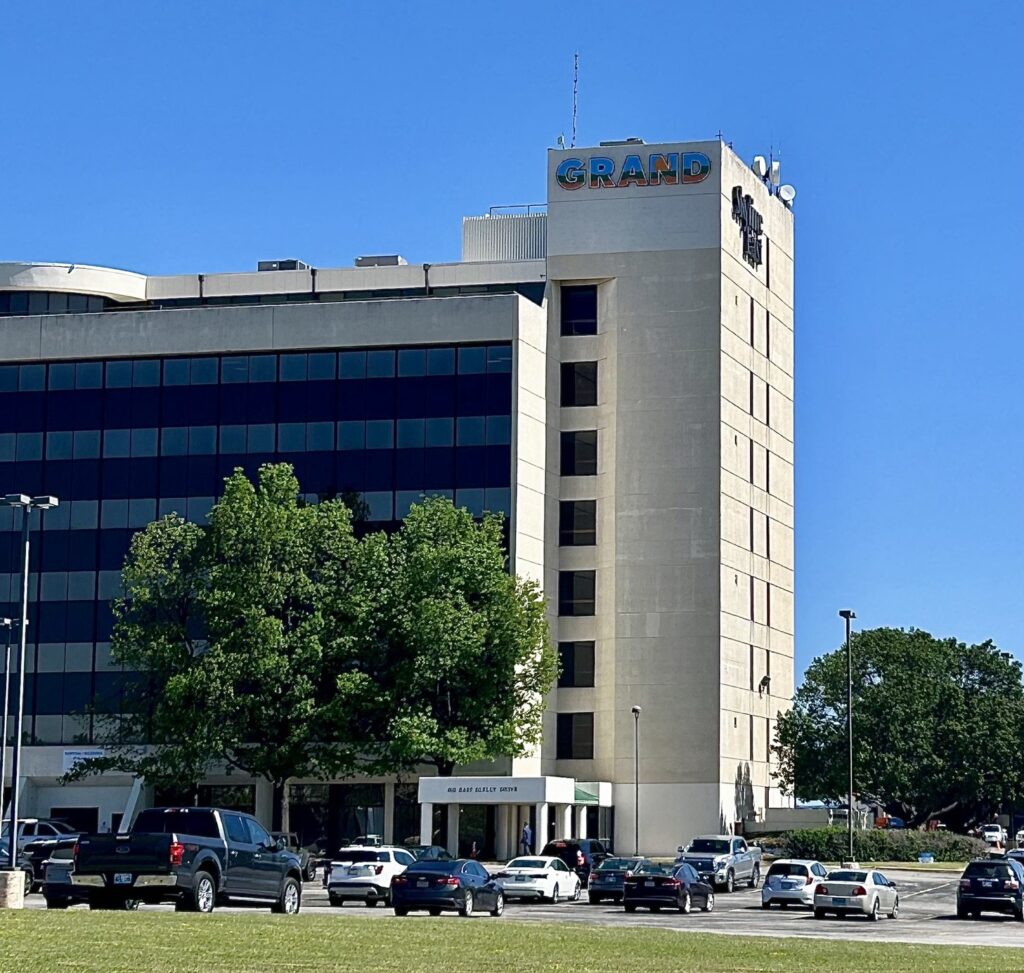
- The existing street-address field was preserved, not freshly verified for every clinic. The retained image depicts the Tulsa Skyline campus, not all GRAND sites or all treatment settings. Program eligibility, fees, taxes and individual benefit authorizations remain unverified.
- Continuing care
- Outpatient step-down, transitional/independent living, continuing care and case management depend on the specific program and discharge plan.
Source record · October 19, 2026
Reviewed October 19, 2026: the Tulsa residential program’s published duration and the distinction from individualized outpatient care. Confirm the selected program, clinical suitability, current availability, schedule, coverage and personal costs..
Luxury rehab comparison · Fees and inclusions · Selection methodology
GRAND Mental Health is a multi-location Oklahoma behavioral-health network, not one uniform residential rehabilitation campus. It serves children and adults with mental-health, substance-use and related support needs across northeast and north-central Oklahoma.
The network provides 24/7 mobile crisis response, crisis stabilization centers, outpatient counseling and rehabilitation, medication support, housing and employment assistance. Its addiction continuum is centered at the GRAND Addiction Recovery Center at 6333 E Skelly Drive in Tulsa and includes walk-in crisis access, stabilization and detox, residential treatment and outpatient services. Those addiction services should not be attributed to every GRAND clinic.
Match the service to the person, rather than choosing a network name
GRAND’s description of its operating model combines community treatment, urgent recovery centers and remote access to staff. The stated aim is care in the least restrictive appropriate setting. This makes the network relevant to several different needs, including outpatient mental-health care, addiction treatment and crisis stabilization. An inquiry should establish which of those services is being proposed and where it will take place.
A useful starting summary includes the main concern, current medications, existing professionals, recent treatment and the support available at home. A child’s school difficulties, an adult’s substance use and a family crisis require different assessments even when they enter through the same organization. Ask who will coordinate the plan and how to contact that team. The network’s range of services should make referral clearer; it should not leave someone assuming that the nearest clinic contains every service described online.
Urgent recovery centers address behavioral-health crises
The urgent recovery center information describes continuous access for adults experiencing mental-health or substance-use crises. The published approach includes de-escalation, stabilization, rest, therapy, medication management and planning for further care. These centers have a specific crisis role, distinct from arranging a planned residential addiction admission or booking routine counseling.
When seeking help, explain what is happening now and whether there are immediate medical concerns as well as behavioral-health symptoms. The receiving team needs to determine the appropriate destination; the description of an alternative to a hospital does not establish that a recovery center can manage every medical emergency. For a life-threatening emergency, call 911. For GRAND’s behavioral-health crisis route, use its published crisis line. Once the immediate situation is addressed, ask how the next appointment, medication plan and support at home will be organized.
Tulsa’s addiction center provides a distinct residential pathway
The addiction recovery page identifies the Tulsa Addiction Recovery Center as a 200-bed residential facility within a wider continuum. Its service descriptions include medically monitored withdrawal care with registered nurses, residential substance-use and co-occurring treatment, outpatient care and continuing support. It describes residential programming as 30 to 60 days; the separate account of one person’s 30-day stay is a case example, not an admission rule.
The actual sequence and duration need an individual assessment. Some people may require withdrawal management before another treatment stage, while others may be considered for outpatient services. Ask which program is accepting the person, the proposed review dates and what would justify extending or changing care. Published capacity does not establish a current vacancy or a private room. Confirm sleeping arrangements, accessibility, medication continuity and the discharge destination before treating a general description of the center as a complete admission plan.
Intensive outpatient care supports practice in everyday life
GRAND’s dedicated intensive outpatient page describes a substance-use program at the ASAM 2.1 level, with individual and group sessions, case management and medication management. It particularly discusses people moving from residential treatment back into the community. The level of care should be determined through clinical assessment rather than self-selection from a program label.
Because participants spend substantial time outside sessions, the plan needs to account for the home environment, transportation and access to support between visits. Ask for the current weekly schedule and the process for changing attendance as needs evolve. A person starting directly in outpatient care may need different practical support from someone returning after a residential stay. Bring questions about work, childcare and existing appointments to the assessment so that the proposed schedule can be evaluated against the actual circumstances in which recovery skills will be practiced.
The methamphetamine program has a specific Tulsa focus
The methamphetamine treatment description identifies GRAND’s Addiction Recovery Center as the treatment facility within the Tulsa Methamphetamine Continuum. It describes dedicated treatment beds and a coordinated effort involving local organizations. This establishes a particular program focus; it does not mean that every GRAND clinic operates the same specialized residential service.
An assessment should explore the person’s substance use alongside sleep, nutrition, mental-health symptoms and daily functioning. Ask how those concerns influence the recommended setting, which parts of the program are specific to stimulant use and how existing medical care is coordinated. If residential care is proposed, clarify the admission criteria and the next stage after discharge. Published descriptions of a typical number of participants are not evidence of available beds or predicted outcomes. The useful comparison is whether the current program can address the person’s assessed needs and arrange appropriate continuing support.
Peer support adds lived experience to professional treatment
The peer recovery support page describes specialists who draw on their own recovery experience and work with people in detox, inpatient and outpatient services. The role offers a way to discuss practical concerns with someone who has experienced addiction and treatment. It complements the work of prescribing and therapy professionals rather than replacing those clinical responsibilities.
Someone unfamiliar with treatment can ask how peer contact is arranged, whether meetings are individual or group-based and how that support continues through a change in level of care. It is also useful to understand confidentiality and the boundaries of the role. A peer may help a person prepare questions, navigate daily routines or reconnect with community support, while medication changes and clinical reassessment remain matters for the treating team. The fit depends on the relationship and the person’s preferences, not on assuming that another individual’s recovery story predicts the same outcome.
Family therapy is separate from an individual’s admission
GRAND’s family therapy page describes counseling involving at least two family members, without an age restriction on family participation. Sessions may be in person or through telehealth, and the number of appointments depends on the family’s needs. The focus includes communication, boundaries, conflict and shared experiences that affect relationships.
This service can be discussed as its own part of a plan rather than assuming it is automatically included with every addiction or mental-health program. The therapist should clarify who will attend, what each person hopes to change and how information from individual treatment may be shared. Where relationships are strained, ask how the therapist decides whether joint sessions are appropriate. Practical issues also matter: participants may live in different households, have different schedules or need separate opportunities to describe concerns before beginning work together.
School support addresses a child’s functioning in the classroom
The Behavioral Intervention Services in Schools program describes support delivered through participating schools, including classroom behavioral coaches, individual services, family support and consultation for teachers. It is a community and school-based service, not a description of a residential youth campus. Families should establish whether the child’s school currently participates and how a referral is assessed.
A helpful discussion focuses on specific difficulties: attending class, managing transitions, relationships with peers or staying engaged in learning. Ask how the school, family and GRAND team agree on goals and review progress. Clarify consent, what information will be shared and how support changes during school holidays or a move to another school. The provider’s examples of possible benefits should not be read as guaranteed changes in grades or behavior. The plan needs to describe the assistance actually available to that child in the present school setting.
Virtual access still needs an agreed clinical arrangement
The virtual services page says many regular services can be delivered remotely when the person’s insurance benefits allow it. It also describes the ApexCare app for contacting crisis services or a care-team member, completing screenings and signing documents. These functions differ from a scheduled therapy appointment and should be explained during setup.
Ask which parts of the proposed treatment can occur remotely, whether an initial in-person visit is necessary and what equipment or connection is required. A private place to talk and a reliable way to reconnect after a dropped call are practical parts of the plan. Clarify expected response times for routine messages rather than assuming every app message receives an immediate clinical response. The team should also explain what to do if symptoms change during a remote appointment or if the person travels outside the area where their care is arranged.
Crisis transportation follows assessment
GRAND’s crisis transportation service works with hospitals, clinics and law enforcement to move people who need stabilization to an appropriate crisis unit. The provider describes a continuous service that responds after assessment. This is different from ordinary transportation to a routine appointment or travel assistance for a planned residential stay.
If transport is being coordinated, establish the receiving service and who has confirmed acceptance. Relevant medications, medical information and communication needs should follow the person with appropriate consent. Families can ask how they will learn the destination and whom they should contact for updates, recognizing that the person’s privacy rights still apply. Do not assume that the existence of a transport team means someone should travel independently during an unstable situation. The assessment and receiving team’s instructions should determine the route, timing and support required for the transfer.
Housing and employment support have their own eligibility and goals
The broader services directory describes care coordination, housing assistance, outreach, and Individual Placement and Support for employment or education. It also distinguishes recovery housing from clinical addiction treatment. These services address practical barriers that can affect a person’s ability to attend appointments and maintain routines, but they do not establish an automatic entitlement to a home, job or training place.
Discuss which difficulties are most urgent and which team is responsible for each referral. Someone leaving residential treatment may need a safe evening environment, while someone already living independently may mainly need help with transportation or work. Ask what the service arranges directly, what depends on an outside organization and how progress is followed. Keeping these responsibilities clear makes the treatment plan more usable than a general promise of comprehensive support, particularly when several agencies are involved.
Prepare a focused request for ongoing services
The service-request page accepts inquiries from individuals, loved ones and referring organizations, and publishes a separate number for help completing the process. An online request for ongoing care is distinct from the immediate crisis route. When the situation is urgent, use the appropriate crisis or emergency contact rather than relying on a routine form to be reviewed in time.
For a planned appointment, prepare the preferred location, contact method, accessibility or language needs and information about current care. Ask which documents are useful and how records can be transferred securely. Before the first visit, clarify the expected assessment, likely follow-up schedule and any financial review. GRAND’s access policy does not itself establish that every service is free or that every insurance plan participates. A clear service request should lead to an identified team, a realistic appointment arrangement and an explanation of any remaining steps.
Compare settings in the Oklahoma treatment guide and learn about substance-use treatment options.
Official service information reviewed October 19, 2026. Program eligibility, openings, schedules, coverage and individual costs require confirmation.
General service requests use 844-458-2100; the 24/7 crisis line is 800-722-3611. GRAND states that inability to pay or eligibility for Medicare, Medicaid or CHIP does not bar service, but program-specific coverage, self-pay fees, taxes, inclusions and duration require confirmation. Sources: services, addiction recovery services, locations and contact information, checked October 17, 2026.