Georgia Recovery Campus
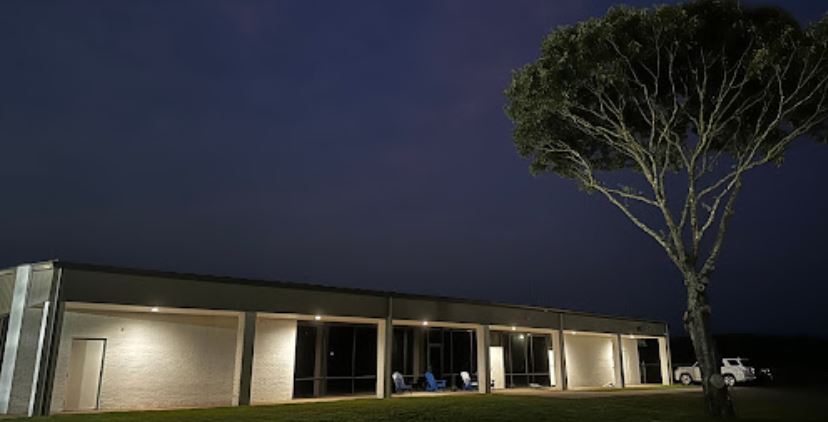
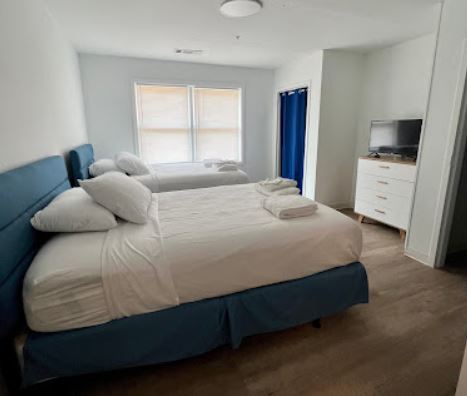
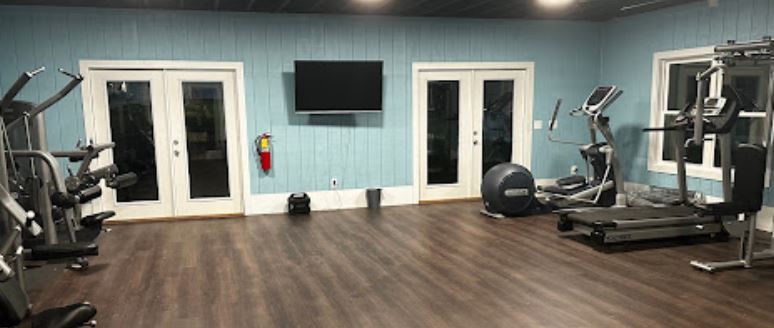
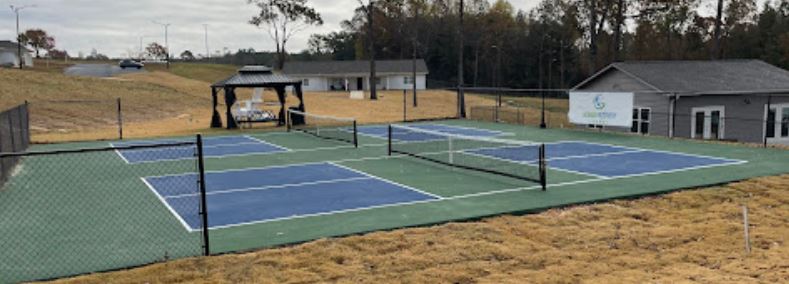
Georgia Recovery Campus 4 photos

Comparison facts and sources
Reynolds residential addiction/dual-diagnosis campus with on-site medical detox; network outpatient services should not all be assigned to the residential campus. · Residential campus: 211 Goose Hollow Road, Reynolds, Georgia 31076; 478-216-1110. Columbus and Macon outpatient locations are separate.
- Published fee information
- Quote required
- Before admission
- No universal cash or tax schedule, individual benefits or campus-wide mapping of every network service was established. Detailed therapy/diagnosis assignments and social/map destinations remain outside this scoped review.
- Continuing care
- Family-involved discharge planning and local treatment/recovery referrals. The aftercare page recommends at least 90 days of intensive support followed by less frequent alumni engagement; this is guidance, not a fixed included residential stay.
Source record · October 17, 2026
Scoped current official-source setting, duration, continuing-care and payment review; other fields and individual costs remain unverified.
Luxury rehab comparison · Fees and inclusions · Selection methodology
Georgia Recovery Campus is a multi-location substance-use and mental health treatment provider. This record is anchored to its residential campus at 211 Goose Hollow Road in Reynolds, while the provider separately lists outpatient locations in Columbus and Macon.
The Reynolds campus offers medical detoxification and residential treatment with individualized therapy and dual-diagnosis support. The provider also develops post-discharge aftercare plans with family involvement and referrals to local services. Outpatient services shown on the network site should be confirmed against the Columbus or Macon location rather than assumed to occur at the residential campus.
Georgia Recovery Campus publishes (478) 216-1110. A current provider page says residential programs range from 14 to 90 days, averaging about 30 days, while detox lasts according to clinical need. The provider accepts most major insurance plans and offers payment plans; benefits and costs require verification and no standard weekly fee is published.
Reynolds residential care and the separate outpatient locations
Georgia Recovery Campus operates a residential campus in Reynolds and separately identifies outpatient locations in Columbus and Macon. The official provider overview brings these services together under one organization, but a person entering residential treatment and someone attending outpatient appointments are making different arrangements. The Reynolds address is the relevant starting point for a proposed live-in stay. A Columbus or Macon appointment should identify that receiving office and the actual program.
This distinction matters when comparing treatment in central Georgia. A network that offers several levels of care may help coordinate a transition, but the transition can still involve a new location, schedule, clinical team, or insurance authorization. Before choosing the campus, establish which services belong to the first admission and which are later recommendations. Someone hoping to return home each evening should discuss outpatient eligibility and transportation rather than assume the residential campus offers the same arrangement.
How residential treatment is organized
The residential program description places assessment and an individualized plan at the center of the stay. The provider considers substance-use history, mental health, family circumstances, and trauma when planning treatment, then reviews progress and adjusts the approach. It describes individual and group therapy, education, and a daily routine with time for meals, therapeutic work, and reflection. Medical detox is available on campus when the assessment indicates that it is needed.
For someone considering this setting, the practical question is how that general schedule becomes a personal week. Request an example that identifies individual appointments, group sessions, medical reviews, and optional activities. Discuss any mobility needs or responsibilities that could affect participation. A residential stay requires time away from the usual home environment; it should not be planned around an assumed ability to maintain normal work hours. The provider’s description of a structured day gives a useful framework, while the individual plan establishes the actual commitments.
Medical detox as an assessed phase of care
Georgia Recovery Campus describes a standalone detox facility and an assessment-led approach on its medical detox page. Initial evaluation includes vital signs, current symptoms, medical conditions, the substances involved, and the pattern of use. The clinical team uses that information to plan monitoring and any medication support. Stabilization is followed by discussion of further treatment; completing withdrawal management does not itself establish that the person’s broader treatment needs have been met.
The provider gives a general detox range of a few days to a couple of weeks, with timing dependent on the substance and individual circumstances. That is a planning illustration, not a discharge deadline. Admissions should explain the available medical support, the review process, and how a move into residential care would occur. Bring an accurate medication list and relevant clinical history to the assessment. Decisions about medication changes or withdrawal management belong to the treating clinicians rather than a preset travel itinerary.
Integrated support for substance use and mental health
The campus’s dual-diagnosis program addresses substance use alongside mental-health concerns within a coordinated treatment plan. Georgia Recovery Campus describes assessing physical health, substance-use history, and mental-health symptoms together, then reviewing the plan as needs change. Its examples include depression, bipolar disorder, anxiety, PTSD, grief, and trauma-related difficulties. These examples describe the program’s intended scope; the presence of a diagnosis alone does not determine suitability for residential admission.
A useful consultation should clarify which concern currently requires the most support and how medical and therapy staff will communicate. Someone already seeing a psychiatrist or therapist can ask what information the campus needs and how that existing care will connect with the stay. The provider also describes planning for continuing counseling, medication management, and community support before discharge. Establishing those next appointments is especially relevant when the person will return to another part of Georgia rather than remain near the campus.
When the main concern is mental health
Georgia Recovery Campus also publishes a mental-health treatment description that includes standalone care as well as support alongside addiction treatment. This is a broader statement than a program that accepts mental-health concerns only when secondary to substance use. The provider describes reviewing symptoms, medical history, and personal goals, and says care may connect with an existing doctor or therapist. Its condition list includes mood, anxiety, trauma-related, and other psychiatric concerns.
The receiving service still needs to be clear. A general condition page does not establish the level of support available for every presentation, nor does it identify a single suitable location for every person. Ask whether the proposed admission is residential mental-health treatment, a substance-use program with psychiatric support, or an outpatient arrangement. Discuss current symptoms and functional needs directly with the assessing clinician. That conversation helps turn a broad service description into a specific plan with a named setting, responsible team, and review schedule.
What the provider says about CBT in daily treatment
The CBT program page describes cognitive behavioral work across individual counseling, groups, and practical activities. Georgia Recovery Campus explains that therapists help residents examine situations, thoughts, feelings, and actions, then practice alternative responses. It presents CBT as part of the wider treatment plan, coordinated with medical care and other therapies, rather than a single introductory session. The page also describes reviewing progress and adapting goals as treatment continues.
For a prospective resident, this is more informative than a therapy name on an amenities list. Ask how often focused CBT work appears in the proposed schedule, who leads it, and how skills are practiced between sessions. Someone with previous CBT experience can discuss what was useful and where earlier treatment did not address their needs. The campus also references DBT and trauma-focused approaches, but the exact format and availability should be established for the individual plan. Listing a modality does not specify its intensity, session allocation, or personal suitability.
Outpatient treatment in Macon and Columbus
The outpatient program page identifies Macon and Columbus as outpatient locations and distinguishes partial hospitalization from intensive outpatient care. It describes PHP as a more structured daytime arrangement, usually five days a week, with participants returning home afterward. IOP involves fewer treatment hours and is intended to allow more integration with everyday responsibilities. Individual counseling, groups, family involvement, and relapse-prevention work are among the services described.
These options may be relevant after residential treatment or through a separate assessment, but a referral should name the actual office and level of care. Confirm the current attendance days, start times, transportation requirements, and any separate authorization before committing to a return-to-work date. A person’s home environment and support needs also affect whether a nonresidential arrangement is workable. The network’s range of programs is useful for planning, while the receiving outpatient team must determine the appropriate schedule and clinical support.
Rooms, meals, and activities to confirm for the receiving site
The provider’s amenities page lists chef-prepared meals, a gym, massage, yoga, and facilities for activities such as pickleball, volleyball, and basketball. It also advertises private rooms, subject to availability. These details can help a person understand the intended residential environment, but the page uses broad campus language within a provider that has separate Reynolds, Columbus, and Macon locations. Confirm the facilities included at the actual receiving site.
Private-room availability is particularly worth settling before admission rather than inferring it from photographs. Ask about the assigned room, bathroom arrangement, any supplement, and whether the arrangement could change during the stay. Dietary requirements and accessibility needs should also be discussed specifically. Activity and wellness options may make the day more varied, but they do not describe the amount of individual clinical treatment. A written schedule and room confirmation provide clearer comparison points than the general description of a luxurious setting.
Length of stay and planning time away
On its prescription-drug treatment page, Georgia Recovery Campus gives a residential range of 14–90 days and an average of about 30 days. It says the recommendation depends on the person’s history, physical health, and response to care. That figure should be understood as the provider’s planning guidance for its residential programs, not a fixed package or a promise that any particular stay will finish within a certain number of days.
The same page explains that residential treatment means stepping away from daily responsibilities and recommends discussing work or school needs during intake. Clarify whether the first estimate includes detox, when progress is reviewed, and how an extension would be approved and financed. Ask for the current packing guidance and medication instructions before traveling to Reynolds. Where family or employment arrangements depend on an expected return date, it is sensible to identify both the initial plan and the process for revising it if the clinical recommendation changes.
Admission, insurance, and a usable cost estimate
The admissions page describes an initial discussion with an addiction specialist and, where relevant, a mental-health professional. The review covers medical and family history, present substance use, and previous treatment. Georgia Recovery Campus says it accepts most major insurance plans and offers payment plans. Those statements establish routes to explore; they do not establish a particular policy’s authorization or a guaranteed funded placement.
Request an estimate for the actual recommended phase of care, with the receiving location and expected length identified. Check which services are included, how room choices affect the cost, and what happens financially if detox or residential treatment lasts longer than first anticipated. The admissions page also discusses Georgia public resources in general terms. Such references should not be interpreted as confirmation that this campus accepts every public funding route. The relevant payer or funding agency needs to confirm the person’s eligibility and the approved services.
Aftercare built around where the person will live
Georgia Recovery Campus’s aftercare description emphasizes translating treatment into a workable routine at home. It describes involving family where appropriate, reviewing the living situation, and connecting the person with local counseling, peer support, and medication management. The planning discussion can include transport, childcare, work schedules, and existing providers. The organization also describes ongoing recovery and alumni support rather than treating discharge as the end of all contact.
For someone returning to another town, the practical value lies in a plan that names receiving services and realistic first appointments. Ask which contacts are arranged by the campus, which require the person to enroll separately, and whether support will be available remotely. Continuing clinical treatment, community meetings, and alumni activities have different functions and may have different costs. The provider recommends ongoing engagement, but that recommendation is not a statement that months of clinical aftercare are automatically included in the residential fee.
Program and planning information reviewed against Georgia Recovery Campus’s official pages on October 19, 2026. Provider descriptions are attributed; the receiving location, individual eligibility, room availability, schedule, and financial terms require confirmation.
Sources
Sources checked October 17, 2026.