Florida Springs Wellness And Recovery Center

Florida Springs Wellness And Recovery Center 3 photos

Comparison facts and sources
Addiction-treatment continuum with medically supervised detox, residential care, non-residential IOP, outpatient counseling, telehealth and aftercare. IOP participants live at home or, where appropriate, in supportive sober housing. · Panama City, Florida. The provider publishes 1212 W 19th Street and 2059 Lisenby Avenue, both in Panama City, FL 32405; reviewed pages do not clearly assign each program to one address.
- Published fee information
- Quote required
- Before admission
- This review verifies current provider-published program settings, residential duration guidance, aftercare and payer process. It does not assign the second published address to a specific program, guarantee coverage, establish a universal cash rate or independently verify accreditation or license status.
- Continuing care
- Continuing care may include outpatient therapy, IOP, peer or 12-step meetings, sponsors and ongoing counseling. The telehealth-aftercare page describes a usual local plan of at least one hour of individual therapy and one hour of relapse-prevention group therapy each week, with family therapy as needed; remote plans are individualized.
Source record · October 16, 2026
Current provider overview, program, residential, IOP, telehealth-aftercare, FAQ and insurance pages checked October 16, 2026.. No independent current license or accreditation-status review was completed in this field pass.
- Current provider overview, phone and two published Panama City addresses
- Current detox, residential, outpatient and aftercare continuum
- Current individualized residential guidance and continuing-care options
- Current non-residential IOP setting and multiple-days-per-week schedule
- Current telehealth and local aftercare schedule
- Current average residential duration, commercial insurance, self-pay, loan and benefit-check guidance
- Current major-insurance and Medicaid access guidance
Luxury rehab comparison · Fees and inclusions · Selection methodology
Provider overview
Florida Springs Wellness and Recovery Center provides addiction treatment in Panama City, Florida. Current provider pages describe medically supervised detox, residential care, intensive outpatient treatment, outpatient counseling, telehealth and aftercare. The provider publishes 1212 West 19th Street and 2059 Lisenby Avenue as Panama City addresses, but does not clearly assign each program to one address on the pages reviewed; confirm the delivery site before admission.
General residential guidance describes an average stay of about 30 days, adjusted to individual needs, insurance and medical circumstances. A fentanyl-specific 2026 protocol describes a 28-day residential phase; that specialized figure should not be applied automatically to every admission. Detox length is assessment-led. IOP is delivered multiple days per week for several clinical hours while participants live at home or, where appropriate, in supportive sober housing.
After residential care, continuing support may include outpatient therapy, IOP, peer or 12-step meetings, sponsors and ongoing counseling. The telehealth-aftercare page describes a usual local plan of at least one hour of individual therapy and one hour of relapse-prevention group therapy each week, with family therapy as needed; remote plans are individualized.
Inquiries: 850-403-6566. The provider says it accepts most commercial insurance plans, Medicaid and self-pay, can discuss treatment loans, and offers a free benefit check. Coverage, authorization, network status, deductibles and final responsibility remain individual. No universal cash or weekly rate was found; request a dated written USD estimate covering the recommended level, duration, accommodation, meals, medical and medication charges, transport, taxes and exclusions.
Detox is assessed separately from the longer treatment plan
The detox program describes medical supervision for withdrawal from alcohol and other substances, with screening for additional mental-health concerns. Its discussion distinguishes overnight care from ambulatory care, where the person returns home and receives fewer hours of observation.
That distinction makes the initial assessment important. A description of several possible formats is not confirmation that each is suitable or available for a particular admission. Give the clinical team an accurate medication list, recent substance-use history, previous withdrawal experience, and relevant medical records. The proposed plan should identify where withdrawal care takes place, the monitoring required, and the next treatment stage. Completing detox does not establish the length or content of the subsequent rehabilitation program. Florida Springs presents stabilization as the beginning of its broader treatment pathway, with the next level selected around the individual’s clinical needs.
Residential treatment follows stabilization in a dedicated setting
The current residential page distinguishes a dedicated Florida Springs Detox campus from the primary residential campus. It describes a transition between the two after detox, with ongoing medical oversight during residential care when needed.
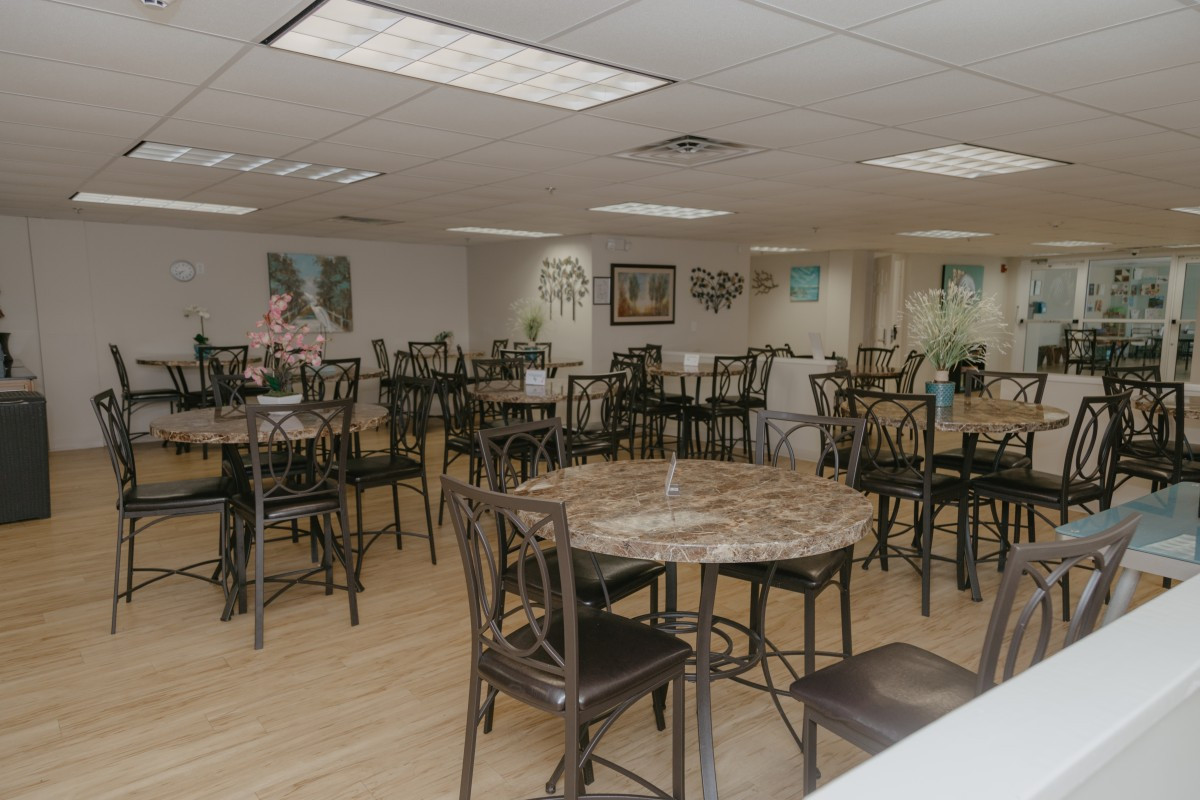
Residential programming combines individual and group therapy, education, and structured activities. The campus amenities described include a gym, yoga room, library, dining and recreation areas, and therapeutic group spaces. These support the daily environment but do not determine the clinical intensity of an individual stay. The provider discusses approximately thirty days as a familiar format while acknowledging that medical needs, insurance, and personal circumstances can change the duration. A person arranging admission should receive the actual sequence, delivery addresses, expected review points, and transfer arrangements. The dedicated detox expansion makes it particularly important to distinguish the first arrival location from the place where the longer residential phase will occur.
Partial hospitalization provides substantial daytime treatment
The partial hospitalization program is described for people who have completed necessary detoxification and need intensive clinical support. Florida Springs explains that some participants can return to a safe home overnight, while accommodation arrangements depend on their circumstances.
PHP therefore needs to be evaluated through its actual timetable and overnight plan. It should not be understood as an occasional counseling appointment simply because the person may sleep elsewhere. The provider describes many hours of programming, therapy, and access to medical personnel. The assessment should establish whether home responsibilities, travel, and the living environment are compatible with attendance. Someone stepping down from residential care may need a different support arrangement from someone entering PHP directly. Obtain the current attendance schedule, transport expectations, clinical contact arrangements outside session hours, and any associated housing terms before deciding how the program will fit around work or family life.
IOP can accept people whose earlier treatment occurred elsewhere
Florida Springs’ intensive outpatient program combines scheduled group therapy and individual counseling across multiple days each week. The provider explicitly says previous treatment at Florida Springs is not required for admission to its IOP.
This may be relevant to someone returning to Panama City after residential treatment elsewhere, or someone whose assessment supports starting with outpatient care. The program requires regular participation and has attendance and conduct expectations that are explained at entry. It is more structured than a casual series of appointments, even though participants generally live outside the treatment facility. Group work addresses difficulties encountered in early recovery, while individual sessions allow more personal concerns to be discussed. The transition plan should identify the weekly commitment, the starting date, and how information will be shared with previous clinicians when the person consents. Housing and treatment arrangements should be confirmed separately.
Medication support has an individualized clinical role
The medication-assisted treatment page describes medication both during withdrawal and as support beyond the initial detox period. Its examples include buprenorphine and buprenorphine/naloxone in the treatment of opioid-related problems.
These are provider-described options, not a prescription for every person entering the center. The clinician needs to review current medications, prior treatment, health conditions, and the person’s goals before selecting an approach. The admission and discharge plans should clarify prescribing responsibility, follow-up visits, and how access to medication continues when the level of care changes. Broad statements about rapid relief should not be treated as a guaranteed personal response or a fixed treatment timeline. A person already receiving medication should discuss continuity with their existing prescriber and the Florida Springs clinical team. Changes to a medication regimen should be based on that clinical review, including any longer-term support needed after residential care.
The daily routine includes a Saturday family program
The daily-life guide describes breakfast and addiction education followed by group work, individual counseling, and 12-step meetings. Between scheduled sessions, residents may use recreation, exercise, reading, and meditation spaces.
The same page describes a family program on Saturdays, including a meal and work on reconnecting with loved ones, at no additional cost to patients or participating family members. Confirm its current timing and participation arrangements before relatives travel. Family involvement should have a clear purpose and respect the resident’s consent and privacy. The published daily outline also makes the center’s 12-step orientation visible: those principles and meetings are part of the program, alongside clinical care. Someone comparing treatment approaches can discuss how that orientation fits their preferences and what individual therapeutic work is proposed. The current timetable will be more useful than assuming every resident follows an identical day.
Telehealth can maintain relationships established during treatment
The telehealth and aftercare service describes ongoing individual, group, and family therapy after residential, PHP, or IOP care. It emphasizes the possibility of continuing with a counselor already known to the patient, subject to the actual arrangement.
For people remaining locally, the published usual plan includes at least one weekly hour of individual therapy and one hour of relapse-prevention group work, with family sessions as needed. Remote plans are individualized rather than automatically identical to that local schedule. Before returning home, confirm the assigned therapist, appointment frequency, technology requirements, costs, and whether care can be delivered in the state where the person will be located. The provider also discusses community AA or NA participation as a separate source of support. A workable continuing-care plan should show how professional appointments, peer support, medication follow-up, and everyday responsibilities connect after the residential routine ends.
Military programming includes assessment and VA coordination
The Operation Zero Trace program describes services for veterans and active-duty personnel. Florida Springs identifies itself as an in-network VA Community Care provider and describes intake assistance with the relevant insurance status and admission documentation.
Published program features include veteran-led peer groups, nutrition support, fitness, and trauma-informed clinical work. The assessment description lists substance-use and mental-health review alongside screening tools addressing trauma, anxiety, depression, and possible traumatic brain injury. Screening is not the same as guaranteeing specialist treatment for every resulting diagnosis. A prospective participant should establish the services recommended for their own circumstances and whether an outside referral is needed. The military pathway also needs to be confirmed with the relevant payer or referring organization; the provider’s participation statement does not establish an individual’s authorization. Clarify the approved level, duration, referral documents, and transition arrangements with the intake team before travel.
Clinical and support roles are identified in the staff directory
The team page names Amy Hancock, LMHC, as CEO; Raymond M. Pomm, MD, as medical director; and Nicole Buban as director of nursing. It also identifies admissions, therapy, and business-development roles.
The provider describes its wider clinical team as including licensed therapists, nurses, a nurse practitioner, a physician, behavioral technicians, and certified peer-support specialists. Those roles have different responsibilities. A large list of staff does not show how often any one resident will see a particular professional. The personal care plan should identify who provides individual therapy, who manages medical concerns, and how support is accessed between appointments. Existing clinicians can help transfer records and relevant recommendations with consent. The directory is useful for understanding the organization, while staffing assignments, appointment schedules, and the response to changing health needs should be confirmed for the proposed program and campus.
Electronics and practical arrangements are discussed at admission
The admissions FAQ says a packing list is sent during intake, including guidance on clothing, toiletries, and existing daily medications. Identification and insurance documentation are also requested. Electronics use is at the primary therapist’s discretion and is discussed on admission.
This matters for someone who must maintain limited contact with work, dependents, or other responsibilities. Do not assume unrestricted phone or laptop access from the availability of comfortable accommodation. The FAQ also describes designated smoking areas and scheduled breaks, with smoking-cessation support available for those interested. Its general residential estimate is around thirty days, adjusted to individual needs. Before arrival, obtain the current program schedule and discuss any accessibility, dietary, communication, or medication requirements. Practical preparation should support the clinical plan rather than leave essential arrangements unresolved until the first day of treatment.
Insurance participation needs a plan-specific benefits check
The payment and insurance page lists commercial insurers and public or military-related plans, including Florida Blue, Aetna, Cigna, Humana, TRICARE, CHAMPVA, Simply Healthcare, Ambetter, and Medicaid-related options. It offers a free benefits-verification service.
A name appearing on that page is a starting point for checking coverage, not confirmation that every policy covers every program. The provider should explain the recommended level of care, network position for the actual policy, authorization requirements, and estimated deductible or other patient responsibility. Ask for that explanation alongside a written cost estimate covering the expected treatment period and any separately billed services. Residential care, detox, outpatient treatment, housing, and continuing support may have different coverage arrangements. If self-pay or a treatment loan is proposed, review the treatment charges and financing terms separately. Keep the benefits information dated because an extension or change in care may require a further review.
The Panama City setting should be assessed through the actual campus
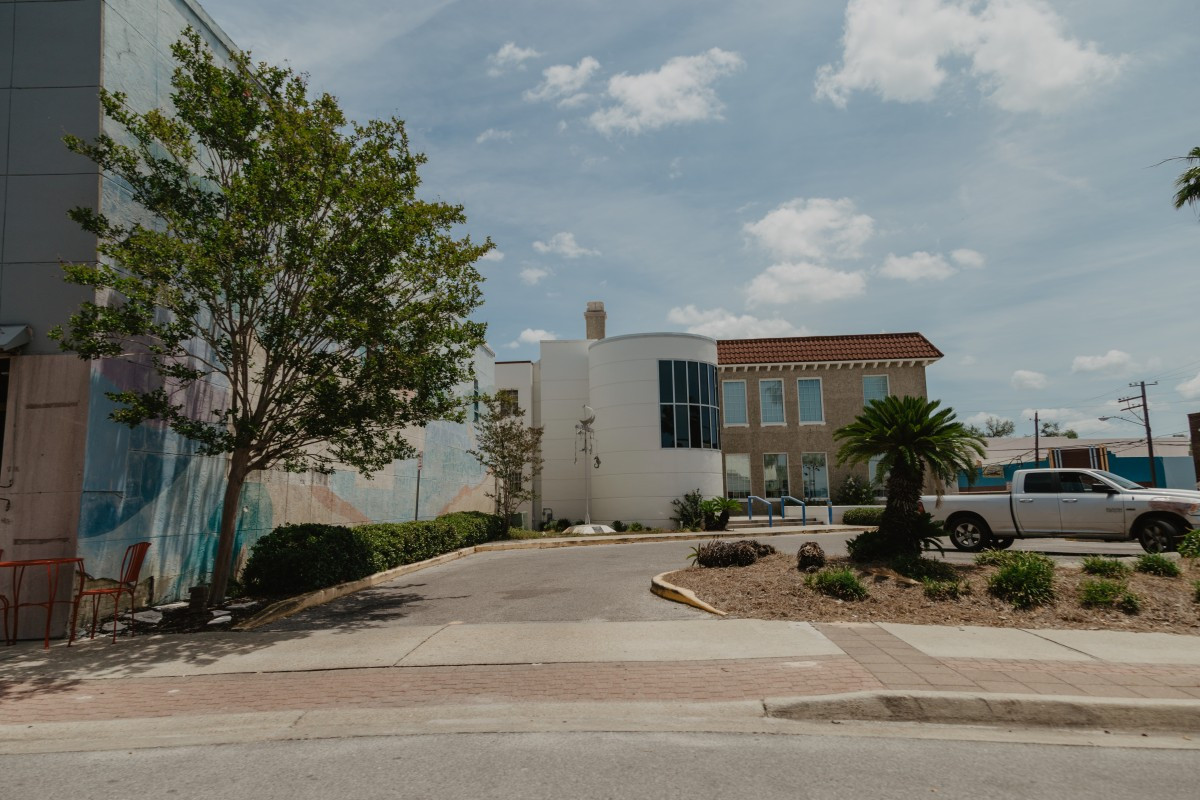
The location page provides a virtual tour and photo gallery and describes Panama City’s coastal setting and airport access. These resources can help a prospective resident understand the physical environment before traveling.
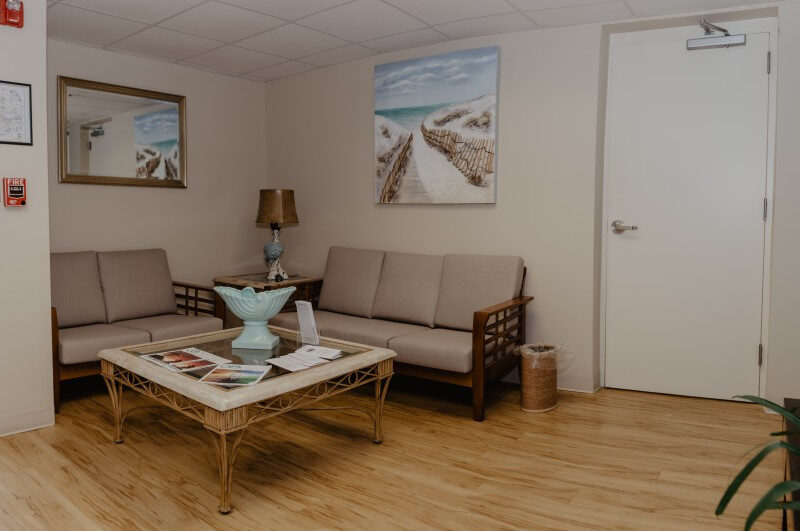
The provider uses more than one Panama City address, so travel plans should be tied to the assigned admission location and service. Photographs of shared amenities do not establish the room allocation, access requirements, or clinical services at each building. Review the relevant campus with admissions, including arrival arrangements, any transfer between treatment stages, mobility needs, and permitted visitors. If relatives plan to attend family programming, they should also confirm where that takes place. The useful comparison is the setting and care included in the person’s actual plan, with the tour serving as supporting context.
Source check: October 18, 2026, for the additional provider details above.
Sources and verification
Official provider and address page; official program overview; official residential page; official IOP page; official telehealth-aftercare page; official admissions FAQ; official insurance page. Checked October 16, 2026. This summary reflects provider-published information, not an independent clinical assessment.