Flatirons Recovery

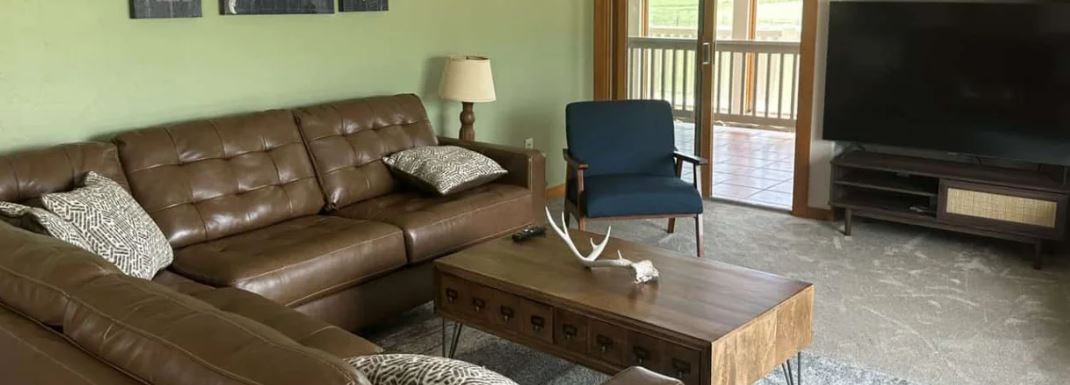

Flatirons Recovery 3 photos


Comparison facts and sources
Colorado PHP and outpatient provider with optional staffed sober housing at Recovery Ranch. Recovery housing is not on-site medical detox; detox is coordinated through medical partners. · Lafayette office: 2770 Dagny Way, Suite 202, Colorado 80026; 303-578-4536. Denver outpatient care and Recovery Ranch housing are separate settings.
- Published fee information
- Quote required
- Before admission
- Confirm the actual location, schedule, care level and any housing agreement. The ranch is staffed recovery housing connected to clinical programming, not on-site medical detox. Boulder, Denver, evening and virtual descriptions should not be combined into one universal timetable.
- Continuing care
- Planning starts during treatment and can include ongoing therapy, peer/alumni support, coaching, sober housing and community recovery connections.
Source record · October 19, 2026
Official mental health eligibility, program schedules and housing versus detox scope reviewed October 19, 2026. Confirm current admission suitability, location, availability and individual financial terms..
- Official Boulder PHP duration
- Official general Boulder IOP duration
- Official admissions and external detox boundary
- Official Recovery Ranch housing setting
- Official individualized aftercare
- Official current program, location or schedule description
- Official current program, location or schedule description
Luxury rehab comparison · Fees and inclusions · Selection methodology
Flatirons Recovery provides mental health and addiction treatment in Colorado. Its official site lists a Lafayette office, a Denver outpatient office and recovery residences near Boulder.
Programs include structured outpatient treatment and an immersive Recovery Ranch program with staffed residences. The provider combines behavioral, trauma-informed and holistic therapies and offers aftercare support; services and overnight accommodation should be confirmed for the selected location.
The Lafayette office is at 2770 Dagny Way, Suite 202 and the current main phone is (303) 578-4536. Flatirons says it accepts private insurance subject to verification and does not publish one standard fee. It does not provide on-site medical detox, but coordinates detox with trusted partners before admission when needed.
Mental health care does not always require an addiction diagnosis
Flatirons is known for addiction recovery, but its current mental health page explicitly says it also accepts people who are not experiencing substance use problems. It describes assessment for anxiety, depression, bipolar disorder, PTSD, and other concerns, with psychiatric evaluation and medication management when appropriate. A formal diagnosis is not required before the initial assessment.
This distinction matters when comparing programs: someone seeking help for depression alone should ask about the actual mental health treatment group and care plan, rather than assuming that every session follows an addiction curriculum. The clinical team determines whether PHP, IOP, or outpatient care fits the person’s current needs. A diagnosis listed on the website does not establish suitability during an acute crisis or confirm a place in a particular group. See the provider’s mental health eligibility explanation.
What the Recovery Ranch accommodation provides
The Recovery Ranch combines structured sober living with clinical programming. Its official description places it on an 80-acre horse property outside Boulder and explains that residents travel to the counseling center for treatment. Meals, transportation, an organized routine, and staff present around the clock are part of the described arrangement.
Those features should be compared as housing and recovery support, separately from hospital nursing or medical detoxification. The ranch page welcomes residents receiving medication-assisted treatment and says the team coordinates with prescribing providers. Discuss the specific medication, storage arrangements, and prescriber before arrival; the statement does not identify an unrestricted on-site formulary. The page also says a return to substance use does not mean automatic discharge: the team reassesses safety and the appropriate level of care. Read the Recovery Ranch program description for its current model and admission discussion.
Lafayette is the published counseling contact
The contact page lists 2770 Dagny Way, Suite 202, Lafayette, Colorado 80026, and (303) 578-4536. A search for treatment in Boulder can therefore lead to a counseling address in Lafayette. The ranch accommodation and the Denver outpatient program should not be assumed to share that address.
Before arranging transportation, establish where the assessment takes place, where daily sessions occur, and whether any accommodation is included in the proposed plan. This is especially useful for someone traveling from outside Colorado who might otherwise book lodging near the wrong setting. Flatirons provides a contact form and says admissions will respond as soon as possible; it does not promise immediate clinical monitoring through that form. Use the official contact information to confirm the destination and the person coordinating arrival.
How Boulder day treatment is organized
The dedicated PHP page describes full-day treatment Monday through Friday, usually for two to six weeks, with the length adjusted to progress and need. It identifies people who have completed detox or inpatient care, have a supportive home or sober living setting, and need continued structured treatment as possible candidates.
The program lists individual and group therapy, skills development, family support, and approaches such as CBT, DBT, EMDR, motivational interviewing, and mindfulness. A menu of approaches does not mean every participant receives every intervention or an individual session every day. Ask which parts belong to the proposed weekly plan and how progress is reviewed. PHP does not itself require an overnight stay, so accommodation should be discussed separately. The Boulder PHP page is the most specific description of this day program; broader comparisons elsewhere on the website use different scheduling language.
Boulder IOP has a different time commitment
The standard Boulder intensive outpatient page gives a usual range of four to twelve weeks and twelve to twenty hours of care each week. Its combination of group work, individual counseling, skills, and peer support is intended to allow more participation in work, school, or home life than a full-day program.
The quoted hours are a program description, not a guaranteed personal schedule. Obtain the assigned attendance days, any separate individual appointments, and the rules for absences before planning around a job. The page also discusses PHP using a broader five-to-seven-day comparison, while the dedicated Boulder PHP page describes weekdays. These descriptions should not be combined into an invented single timetable. The assessment should identify the actual program and schedule. The standard Boulder IOP overview also describes community referrals, including recovery groups and practical support beyond formal sessions.
Evening treatment is a distinct option
The evening IOP page describes attendance on three or four nights per week, with frequency based on the treatment plan. It offers group therapy, individual counseling, family support, mindfulness, and relapse prevention work. The site presents it both as a step down from more intensive care and as a possible starting point for someone who does not need residential treatment.
Evening availability may suit a daytime worker or caregiver, but it still involves a substantial regular commitment. Ask for the current start and finish times, whether individual appointments take place outside group hours, and what happens if work shifts change. Do not automatically transfer the virtual program’s published hours to the in-person evening group. Flatirons says transitions into daytime programming can be considered as circumstances change. Its evening IOP description explains the intended flexibility without establishing a fixed timetable for every participant.
What to check before choosing virtual IOP
The Colorado virtual IOP page lists Monday through Thursday, 5:30–8:30 p.m., alongside individual therapy, group sessions, drug and alcohol testing, and access to a medical provider for evaluation and medication management. It requires a video-capable device, reliable internet, and a quiet private space.
Confirm the time zone and eligibility based on where you will physically attend sessions, especially if travel or an out-of-state home is involved. A program advertised across Colorado should not be assumed to accept attendance from every state. Ask how testing is arranged, when individual appointments occur, and what local help is available outside session hours. Remote attendance also requires a workable level of privacy at home; headphones alone may not solve that problem. The virtual program page describes scheduled treatment, not continuous emergency observation or guaranteed equivalence for every clinical situation.
Denver outpatient care has its own location and estimates
The Denver IOP page identifies 12136 W Bayaud Avenue, Suite 360, Denver, Colorado 80228. It describes clients living at home or in sober housing while attending treatment, generally on three to five days each week. The page discusses nine to fifteen weekly therapy hours and a usual eight-to-twelve-week duration, with individual reassessment.
Those figures differ from the standard Boulder IOP description. Treat them as location-specific guidance rather than choosing whichever estimate seems easier to manage. A useful comparison includes the commute, actual group hours, individual appointments, and any housing arrangement. The Denver page also explains coordination with separate detox providers when withdrawal support is needed before IOP. It does not establish a detox unit at the outpatient address. See the Denver location and program information before arranging enrollment or travel.
The published ranch schedule is an example
The daily schedule describes one or two individual therapy sessions, one case management session, and one provider appointment over a week, with optional family therapy. Its example weekday includes morning transportation, three therapy groups, an afternoon period for appointments or other activities, and an evening community recovery meeting.
This is more informative than treating every waking hour at the ranch as clinical treatment. Meals, free time, recreation, transport, and peer meetings have different purposes. The page expressly warns that sample group descriptions may differ from current offerings. One useful distinction concerns EMDR: the group example describes preparation and resourcing, not the complete individual trauma-processing protocol. Ask what has actually been recommended and who delivers it. The sample daily schedule can help structure those questions without promising every listed group, activity, or appointment to every resident.
Family participation and the BALM group
Flatirons describes family therapy alongside treatment and a complimentary virtual BALM family support group on Wednesdays from 6–7 p.m. The website labels the time MST; confirm the current local time and access instructions. Each session stands alone, and the provider says family members may attend without committing to every week.
The group is separate from an individual’s confidential clinical appointments. Ask which services are included in the treatment plan, how family contact is arranged, and what permission is needed before progress information is shared. Relatives can seek education and their own support without being promised unrestricted access to a patient’s records. Participation should also reflect relationship safety and the patient’s wishes. The family support page describes communication, boundaries, and self-care; it does not make a family member responsible for guaranteeing someone else’s recovery.
Continuing care should identify actual receiving services
The aftercare page says planning begins during treatment. It describes possible continuing therapy, psychiatric or medication support, alumni and recovery groups, life skills coaching, and access to sober living. Employment, budgeting, routines, and relationships are among the practical areas discussed.
For a prospective client, the useful question is which of those elements will be arranged for their circumstances. Request named appointments or referral contacts, the responsible prescriber, the proposed residence if any, and the costs of continuing services. A broad aftercare description does not show that every appointment is free or automatically available. Someone returning outside the Boulder area should establish how local care will connect with the plan. The aftercare overview supports a discussion about continuity, while the actual discharge plan should make responsibilities and follow-up dates concrete.
Admission, detox coordination, and financial responsibility
Admissions describes a phone assessment, insurance verification, clinical-director review, discussion with the financially responsible person, and a service agreement before scheduling. Its FAQ says many clients can start within 24–72 hours after assessment and verification, depending on availability and need. That estimate is not a guaranteed admission time.
The same page explicitly states that Flatirons does not provide on-site detox and instead coordinates with local medical partners. This clarification takes precedence over assuming that a broad addiction-treatment menu includes a detox bed. Private insurance arrangements also vary: some plans are out of network, and benefits verification does not establish a zero personal balance. Obtain a written estimate separating clinical treatment, accommodation, and any external detox charges. The admissions process and FAQ provide the starting point for that assessment and financial discussion.
Sources
Sources checked October 17, 2026.